
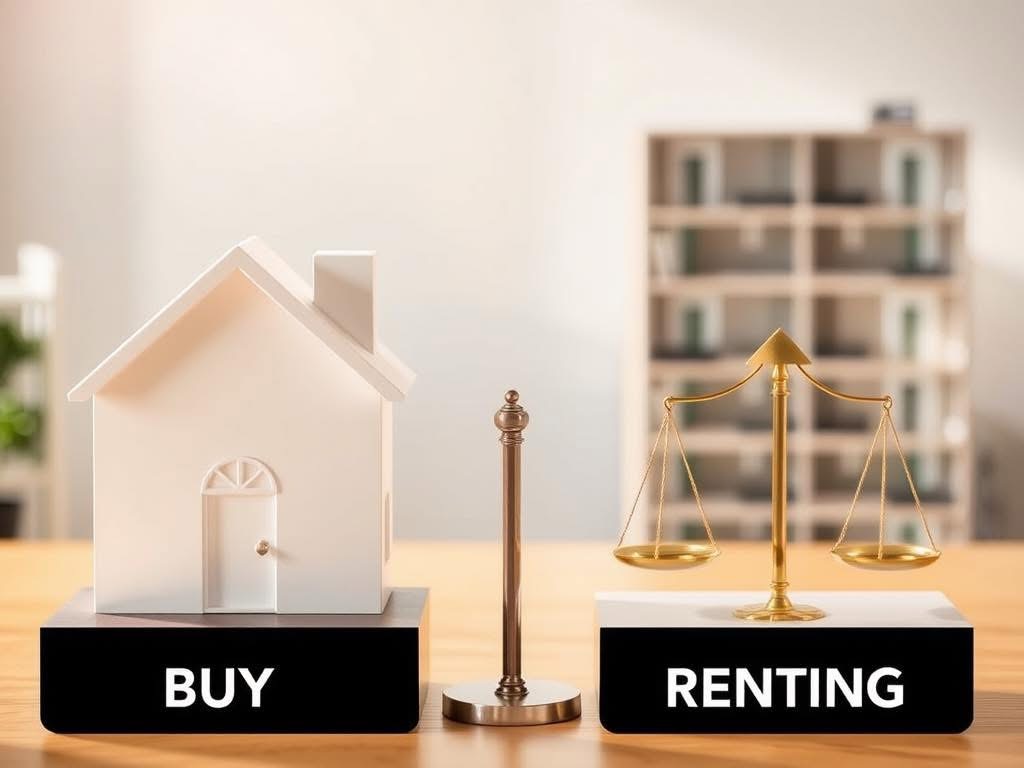
Introduction: The Filipino Dream – Owning or Renting Your Home?
Choosing where to live is one of the biggest decisions you’ll make. The question of whether to buy a property or rent accommodation is more than just financial; it’s deeply tied to your lifestyle, long-term goals, and personal circumstances. This guide breaks down the advantages and disadvantages of both homeownership and renting in the Philippines to help you make an informed decision that’s right for you.
The Case for Homeownership in the Philippines
Buying a home is often seen as achieving a major life goal and a cornerstone of financial stability. Let’s explore why.
Advantages of Buying a Home
- Building Equity: This is the primary financial benefit. Every mortgage payment gradually increases your ownership stake in the property. Unlike rent, which is purely an expense, mortgage payments build an asset over time.
- While quarterly fluctuations occur, data from the Bangko Sentral ng Pilipinas (BSP) showed a nationwide residential price increase of 6.7% year-on-year in late 2024. Coupled with ongoing major infrastructure projects like the Metro Manila Subway expected to enhance connectivity, many analysts point towards continued long-term appreciation potential for Philippine real estate, especially in strategically located urban areas, contributing to equity growth for homeowners.
- Stability and Security: Owning your home provides a sense of permanence and eliminates the uncertainty of lease renewals or landlord decisions. You have a stable place for yourself and your family.
- Customization Freedom: As the owner, you have the freedom to renovate, decorate, and modify your home to perfectly suit your tastes and needs (within building/community guidelines).
- Potential for Appreciation: Real estate in desirable locations in the Philippines often increases in value over time. This appreciation can significantly boost your net worth.
- Predictable Payments (with Fixed Mortgages): Opting for a fixed-rate mortgage means your principal and interest payments remain consistent for the loan term, making budgeting easier compared to potentially rising rents.
Disadvantages of Buying a Home
- High Upfront Costs: Purchasing property requires substantial capital for the down payment (often 10-30% of the property value), plus closing costs, taxes (like Documentary Stamp Tax and Transfer Tax), and fees.
- Ongoing Expenses: Homeownership comes with continuous costs: property taxes (Amilyar), maintenance and repairs, homeowner’s insurance, and potential homeowners’ association (HOA) dues.
- Lack of Flexibility: Selling a property can be a lengthy and costly process. If you need to relocate quickly for a job or personal reasons, owning a home can be restrictive.
- Market Risks: Property values can fluctuate. While appreciation is common long-term, market downturns can temporarily decrease your property’s value.
- Significant Commitment: A mortgage is typically a long-term financial obligation, often spanning 15-30 years.
The Flexibility of Renting in the Philippines
Renting offers a different set of benefits, primarily centered around flexibility and lower initial financial barriers.
Advantages of Renting a Home
- Lower Upfront Costs: Renting typically requires a security deposit (usually 1-2 months’ rent) and maybe one month’s advance rent – significantly less than a down payment for buying.
- Flexibility and Mobility: Renting is ideal if you anticipate moving in the near future due to work, studies, or changing personal circumstances. Ending a lease is far simpler than selling a house.
- Example Scenario: Consider Alex, a young professional on a project-based contract in Metro Manila. Renting allows Alex the freedom to easily relocate if the next project is in a different city or province, without the hassle of selling property.
- Fewer Maintenance Worries: Major repairs and maintenance are typically the landlord’s responsibility, saving you time and unexpected expenses.
- Predictable Monthly Expenses (Short-Term): Your primary housing cost is the fixed monthly rent (though it can increase upon lease renewal). You avoid unexpected large repair bills.
- Access to Amenities: Renting in condominiums or subdivisions often grants access to amenities like pools, gyms, or security without direct ownership costs.
Disadvantages of Renting a Home
- No Equity Building: Rent payments do not contribute to ownership or build any long-term asset for you. It’s purely an expense.
- Potential Rent Increases: Landlords can raise the rent when your lease expires, potentially impacting your budget.
- Lack of Customization: Renters usually have limited freedom to renovate or make significant changes to the property.
- Instability: Landlords may decide not to renew the lease or choose to sell the property, forcing you to move.
- Rules and Restrictions: Leases often come with rules regarding pets, guests, or modifications.
Key Factors to Consider: Buying vs. Renting in the Philippines
Making the right choice depends heavily on your individual situation.
Financial Readiness & Market Trends
- Assess Your Finances: Can you comfortably afford the down payment, closing costs, and ongoing expenses of homeownership? Do you have a stable income?
- Analyze the Market: Research current property prices and rental rates in your desired location. Are prices appreciating? What are current mortgage interest rates?
- As of early 2025, data suggests average gross rental yields in Metro Manila hover around 5.28% (according to Global Property Guide, Q1 2025 data), while residential property prices in the National Capital Region saw a slight year-on-year adjustment of -0.4% in Q4 2024 (based on BSP data). Average mortgage rates from major banks generally range from 6% to 8%
Lifestyle and Long-Term Goals
- How long do you plan to stay? If less than 5 years, renting might be more practical. If longer, buying could be more beneficial financially.
- Do you value stability or flexibility more? Homeownership offers stability; renting offers flexibility.
- Example Scenario: Maria and Jose are starting a family and plan to stay in their provincial hometown for the foreseeable future. The stability and space of owning a house align better with their long-term family goals than renting an apartment.
Location and Market Specifics
- Real estate dynamics vary significantly across the Philippines. Costs and appreciation potential in Metro Manila will differ vastly from those in Cebu, Davao, or more rural areas. Research your specific target location.
Conclusion: Making the Right Choice for You
There’s no single “better” option between buying and renting in the Philippines – the best choice depends entirely on your financial situation, lifestyle preferences, future plans, and risk tolerance.
- Buying is often better for those seeking long-term stability, wanting to build equity as an investment, and having the financial capacity for the upfront and ongoing costs.
- Renting is often more suitable for those prioritizing flexibility, needing lower upfront costs, uncertain about long-term plans, or not wanting the responsibilities of maintenance.
Carefully weigh the pros and cons outlined above against your personal circumstances.
Next Steps: Get Personalized Advice
Feeling overwhelmed? Making this decision requires careful thought.
- Assess Your Budget: Use online calculators or create a detailed budget to understand what you can realistically afford, whether renting or buying (including all associated costs).
- Consult Professionals: Talk to a trusted real estate agent familiar with the Philippine market and/or a qualified financial advisor. They can provide personalized guidance based on your specific financial health and goals.
Making an informed choice now can set you on the right path for financial well-being and housing satisfaction for years to come.




Leave a reply to Planning for the Future: How Your Goals Affect Your Home Purchase – U-Property PH Cancel reply