
Communication is essential for successful condominium management. In a large, complex community, it is critical to have open and transparent communication channels to ensure that residents are informed about important issues, have a voice in decision-making, and feel like they are part of a community.

Resident Engagement: Building a Strong Community

- Regular Community Meetings
- Email Updates
- Newsletters
- Online Forums
- Dedicated Communication Platforms
These channels provide multiple opportunities to voice their concerns, provide feedback, and ask questions. By nurturing a culture of inclusion and actively keeping residents informed, property managers can create a sense of ownership and foster a stronger community bond.
Timely and Relevant Information: Empowering Residents with Knowledge

Here are some specific examples of how property managers are using communication tools to keep residents informed:
- Text Messaging: Text messages are a quick and easy way to reach residents with urgent information, such as a water outage or a change in building access.
- Email: Email is a more traditional way to communicate with residents, but it can still be effective for sending out regular updates, such as a monthly newsletter or a reminder about upcoming events.
- Phone Calls: Phone calls can reach residents who are not online or prefer to communicate in person.
Using a combination of communication tools ensures residents have the information they need to live comfortably and safely in their condominium community.
Conflict Resolution: Navigating Challenges with Open Dialogue

Here are some specific examples of how property managers can create clear communication channels:
- Establish a resident council or board. This group can serve as a forum for residents to share their concerns and work together to find solutions.
- Create a community newsletter or website. It can be a way to communicate important information to residents and to solicit feedback.
- Hold regular meetings with residents. It is an opportunity for managers to hear directly from residents and address their concerns
- Encourage residents to communicate with each other. It can be through social media, community events, or simply by knocking on doors and introducing yourself.
By taking these steps, property managers can create a more open and communicative environment in their condominium communities. It can help to prevent conflicts from arising in the first place, and it can make it easier to resolve those that do occur.
Emergency Communication: Ensuring Safety and Preparedness
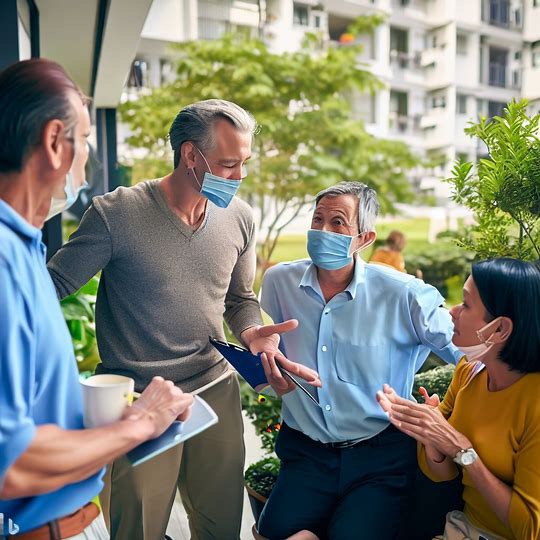
With text messages, emails, phone calls, and other means, property managers can enhance resident safety and minimize confusion during emergencies. It helps to safeguard the well-being of the entire community.
Here are some specific ways that property managers can improve resident safety during emergencies:
- Have a well-defined communication plan in place. The plan should include a list of all the communication channels to use, as well as the contact information for everyone to be in the communication loop.
- Test the communication plan regularly. It will help to ensure that it is working and that everyone knows what to do in the event of an emergency.
- Communicate with residents early and often. Don’t wait until the last minute to tell residents about an emergency. Give them as much notice as possible so they can prepare.
- Be clear and concise in your communications. Use plain language that everyone can understand.
- Be patient and understanding. Residents may be scared or confused during an emergency. Be patient with them and answer any questions they may have.
By following these tips, property managers can help to keep their residents safe during emergencies.
Policy and Rule Enforcement: Establishing a Culture of Compliance

Here are some tips for improving communication in condominium communities:
- Use a variety of communication channels, such as email, newsletters, and community meetings, to reach all residents.
- Be clear and concise in your communication.
- Provide timely updates on important issues.
- Be open to feedback from residents.
- Be responsive to resident concerns.
By following these tips, property managers can help to create a more harmonious and productive condominium community.
Feedback and Suggestions: Harnessing the Power of Collaboration

It could include:
- A website or portal where residents can easily submit feedback
- Regular newsletters or emails that keep residents informed of upcoming changes or projects.
- Town hall meetings or other opportunities for residents to meet with property managers and share their thoughts.
By making it easy for residents to share their ideas, property managers can tap into the collective knowledge and experience of the community. It can lead to better decision-making and a more positive living experience.
Professional Relationships: Ensuring Efficiency and Quality Service

Transparent and efficient communication with external parties contributes to the smooth operation of the condominium property and enhances the overall quality of services provided. By establishing relationships with external stakeholders, property managers can maximize the value and efficiency of the resources dedicated to maintaining and improving the condominium community.
In conclusion, clear communication is essential for effective condominium management. It facilitates resident engagement, empowers residents with timely and relevant information, aids in conflict resolution, ensures efficient emergency communication, supports policy enforcement, encourages feedback and suggestions, and maintains professional relationships.






Leave a comment