

Here are some reasons why prioritizing safety and security is crucial:
Resident Safety

Here are some specific measures that property managers can take to improve resident safety:
- Install security cameras in common areas.
- Hire security guards to patrol the property.
- Implement a visitor policy.
- Provide residents with safety information, such as instructions on reporting crimes or suspicious activity.
- Conduct regular fire drills and evacuation drills.
- Ensure that all common areas are well-lit.
- Keep walkways and stairs clear of debris.
- Repair any broken or damaged equipment.
- Remove any potential hazards, such as loose nails or screws.
Access Control
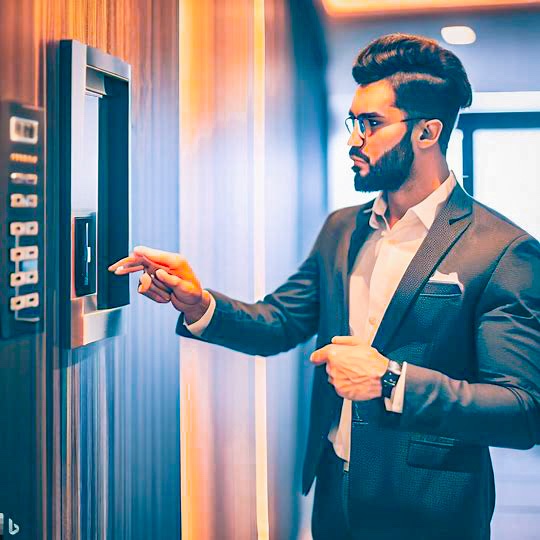
Here are some of the benefits of implementing access control measures in a condominium:
- Increased security: Access control systems can help to prevent unauthorized individuals from entering the property, which can help to reduce crime and vandalism.
- Enhanced sense of security: Residents who feel safe and secure are likely to be happy and satisfied with their living environment.
- Improved property value: A well-secured condominium can command a higher price on the open market.
Surveillance and Monitoring

surveillance systems are crucial to ensure their effectiveness.
Here are some tips for choosing and installing surveillance systems:
- Select the right cameras: There are a variety of CCTV cameras available, so it is crucial to choose the right ones for your needs. Consider factors such as resolution, field of view, and night vision.
- Install cameras in strategic locations: Cameras should be in areas where they can capture the most activity. Common areas, entrances, and parking lots are good places to install cameras.
- Monitor the footage regularly: It is important to monitor the footage from your surveillance system regularly. It will help you to identify any potential problems and take action to prevent them from occurring.
Lighting and Visibility

Here are some specific ways to improve lighting and visibility in a property:
- Install bright, energy-efficient lights in all common areas, pathways, parking lots, and entrances.
- Place lights in strategic locations to maximize visibility.
- Keep lights clean and free of debris.
- Repair or replace any broken or damaged lights immediately.
Security Personnel and Services

Here are some of the benefits of hiring security personnel or contracting security services for condominium properties:
- Deter crime: The presence of security personnel can deter crime by making potential criminals aware that they are being watched.
- Provide a sense of safety: Residents feel safer knowing that there is security personnel on-site who can respond to incidents quickly.
- Prevent property damage: Security personnel can help to prevent property damage by deterring vandalism and theft.
- Respond to incidents: Security personnel can respond to security incidents quickly and effectively, which can help to reduce the severity of the incident.
Community Awareness and Education

Here are some specific examples of how property managers can promote community awareness and education:
- Create a community safety website or blog.
- Send out regular newsletters or email updates with safety tips.
- Post safety posters around the community.
- Hold community safety events, such as neighborhood watch meetings or self-defense workshops.
- Partner with local law enforcement to provide safety training for residents.
Collaboration with Law Enforcement

Here are some specific ways that property managers can collaborate with law enforcement:
- Establish a regular communication plan. This could involve monthly meetings, biweekly conference calls, or even a dedicated email address or phone line for law enforcement to use to contact the property manager.
- Share relevant information.This could include crime reports, security footage, or any other information that could be helpful to law enforcement in their investigations.
- Coordinate efforts to address security concerns. This could involve working together to develop a security plan for the property, conducting regular security audits, or implementing new security measures.
Emergency Preparedness
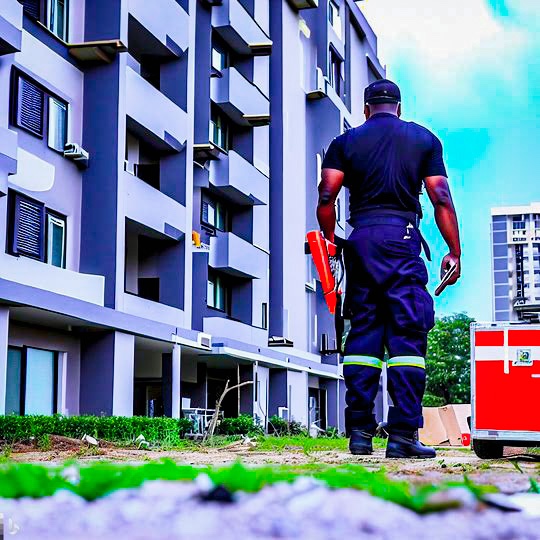
Here are some specific tips for property managers on how to develop and implement an emergency preparedness plan:
- Identify the potential hazards that could impact your property. This could include natural disasters, such as hurricanes or floods, or man-made hazards, such as fires or terrorist attacks.
- Develop procedures for responding to each hazard.This could include evacuation procedures, shelter-in-place procedures, and medical response procedures.
- Assign roles and responsibilities to staff members. This will ensure that everyone knows what they need to do in an emergency.
- Test your plan regularly. This will help to identify any gaps in your plan and ensure that everyone is prepared to respond to an emergency.
- Provide resources and training to residents. This could include providing emergency kits, conducting drills, and offering training on first aid and CPR.
In conclusion, prioritizing safety and security is essential for effective condominium management. By taking steps to ensure resident safety, implement access control measures, utilize surveillance systems, maintain adequate lighting, consider security personnel or services, promote community awareness and education, collaborate with law enforcement, and develop comprehensive emergency preparedness plans, property managers can create a secure and comfortable living environment. This will promote resident satisfaction, foster a sense of community, and contribute to the overall success of the condominium property.






Leave a comment