

Here are some key points to consider:
Community Events and Gathering
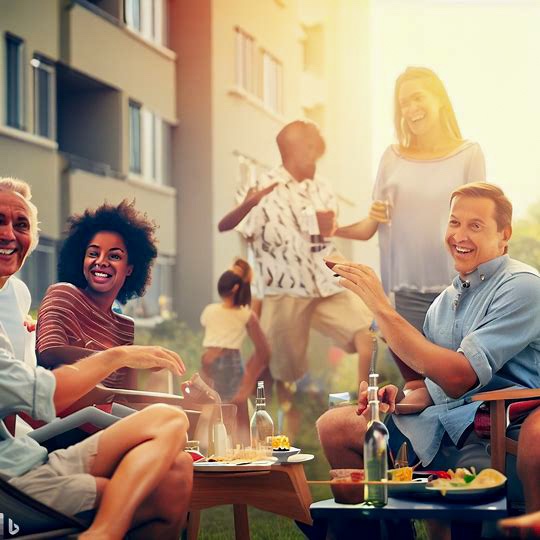
Community events can also help to create lasting memories for residents.
Here are some examples of community events that property managers and condo associations can organize:
- Holiday parties: These events can be a great way to celebrate the holidays with residents and their families. They can include caroling, decorating Christmas trees, and exchanging gifts.
- Barbecues: These events provide the opportunity to socialize and connect with their neighbors while enjoying the outdoors. They can include activities such as grilling food, playing games, and listening to music.
- Game nights: These events provide the opportunity to connect with others who share their interests. They can include activities such as playing board games, card games, or video games.
- Cultural celebrations: These events provide the opportunity to learn about different cultures and traditions. They can include activities such as dancing, singing, and food tasting.
Interest-Based Groups and Clubs

Here are some examples of interest-based groups and clubs that could organize in a condominium community:
- A sports club for residents who enjoy playing sports together, such as basketball, volleyball, or soccer.
- A hobby club for residents who enjoy sharing their hobbies with others, such as knitting, cooking, or gardening.
- A book club for residents who enjoy reading and discussing books together.
- An arts and crafts club for residents who enjoy creating art and crafts together.
Common Spaces for Socializing
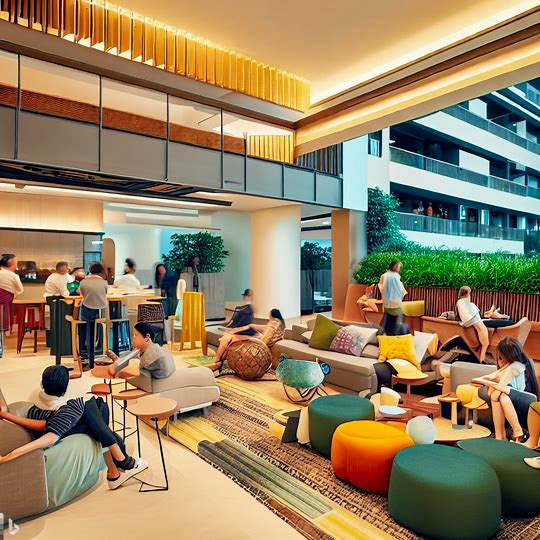
Here are some tips for designing common spaces that promote socializing:
- Make the space inviting and comfortable. It could include using soft seating, natural light, and comfortable temperatures.
- Provide activities and amenities that encourage people to interact. It could include games, books, puzzles, or a TV.
- Create a sense of community by hosting regular events and gatherings. It could include potluck dinners, movie nights, or game nights.
Effective Communication Channels

Here are some specific examples of how property managers can use effective communication channels:
- Digital platforms: Property managers can use websites, apps, and social media to share information with residents. It can include news about the community, upcoming events, and resident resources.
- Community newsletters: Property managers can create and distribute community newsletters to keep residents informed about what is happening in the community. It can promote upcoming events and encourage resident participation.
- Social media groups: Property managers can create and moderate social media groups for residents to connect and share information. These groups can provide the opportunity to get to know each other, ask questions, and share ideas.
Volunteer and Service Opportunities

Here are some specific examples of volunteer and service opportunities that condominium communities can offer:
- Organize a community clean-up day to help keep the neighborhood clean and safe.
- Collect food and other donations for a local food bank or shelter.
- Volunteer at a local animal shelter or humane society.
- Tutor students at a local school.
- Visit elderly residents in a local nursing home.
- Plant trees or flowers in a local park.
- Donate blood at a local blood drive.
Conclusion: To foster social interaction and engagement in condominium communities, property managers and associations should organize community events, promote interest-based groups, design inviting common spaces, establish effective communication channels, and offer volunteer opportunities. These initiatives create an environment where residents can build meaningful relationships and enjoy an enhanced living experience. Social interaction and engagement foster a sense of belonging, camaraderie, and support among residents, making the condominium community feel like home.





Leave a comment