

The Philippines is more than just stunning beaches and vibrant festivals; it’s a nation whose story is etched in stone, wood, and steel. As a real estate professional deeply passionate about our islands, I believe understanding our architectural heritage is key to appreciating the properties we see today and making informed decisions for the future. Our buildings tell stories of adaptation, colonization, innovation, and the enduring Filipino spirit.
Let’s embark on this fascinating journey together, exploring the diverse architectural styles that define the Philippine landscape – from the ingenious simplicity of our ancestral homes to the ambitious reach of our modern cityscapes.
The Roots: Bahay Kubo – Wisdom in Simplicity
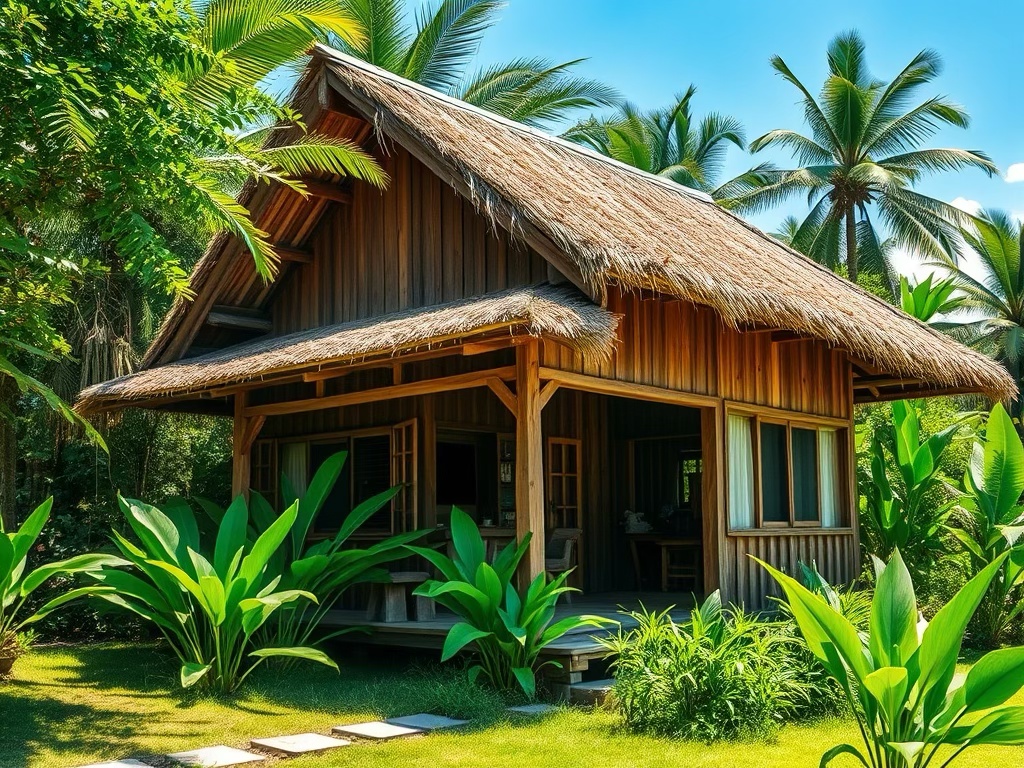
Think of the Bahay Kubo (Nipa Hut) not merely as a traditional dwelling, but as a masterclass in climate-responsive and sustainable design. This iconic structure stands as a testament to our ancestors’ deep understanding of the local environment.
Here’s what makes the Bahay Kubo truly special:
- Indigenous Ingenuity: Constructed from readily available materials like bamboo, nipa palm (for roofing), cogon grass, and native timber, the Bahay Kubo is a model of resourcefulness and sustainability.
- Climate-Adaptive Design:
- Elevated Structure (Silong): Built on stilts, it allows air to circulate beneath the floor—cooling the home naturally, protecting against floods, and creating useful space for storage or livestock.
- Steep Thatched Roof: This design efficiently sheds heavy tropical rain and provides excellent insulation from the sun’s heat.
- Large Windows & Open Plan: Wide windows—often made of capiz shells or sliding panels—and an open interior layout maximize natural light and encourage airflow, ideal for the country’s warm, humid climate.
- Cultural Heartbeat: More than just shelter, the Bahay Kubo symbolizes bayanihan(community spirit), a simple rural lifestyle, and a harmonious connection to nature. It remains an enduring icon in Filipino art, music, and collective memory.
While it’s rare in urban areas today, the principles behind the Bahay Kubo—natural ventilation, use of local materials, and environmental harmony—continue to influence modern Filipino architecture.
A Lasting Imprint: Spanish Colonial Grandeur (1565-1898)
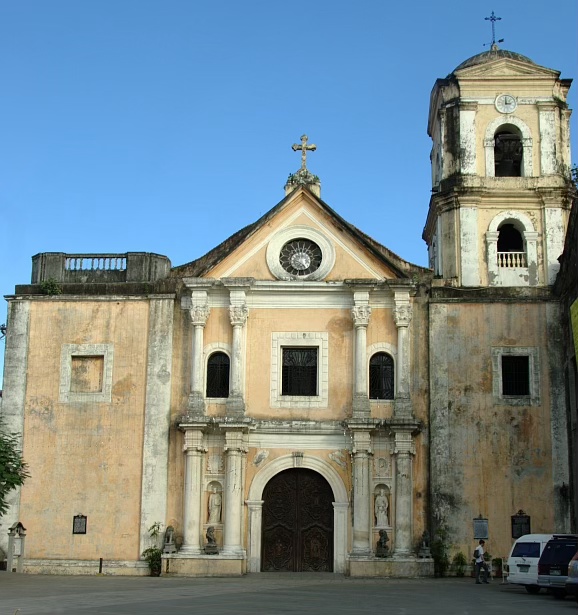
Over three centuries of Spanish rule dramatically transformed the Philippine architectural landscape, leaving a legacy of grand and enduring structures. These buildings were more than just impressive—they were deliberate expressions of power, faith, and permanence, designed to assert authority and instill cultural identity across the islands.
Key Characteristics of Spanish Colonial Architecture in the Philippines:
- “Arquitectura Mestiza”: Represents a captivating fusion of Spanish architectural ideals with indigenous materials and construction methods. It’s where European elegance meets tropical practicality—a style born from adaptation, resilience, and cultural interplay.
- Fortress-like Churches: These were often the focal point of towns, built with massive stone walls (often coral stone or adobe), buttresses to withstand earthquakes (“Earthquake Baroque” style, famously seen in Paoay Church), and towering bell towers.
- Bahay na Bato: The “house of stone” evolved from the Bahay Kubo, typically featuring a stone or brick ground floor (zaguan) for storage and a wooden upper floor (volada) for living, with large windows and ventanillas (small windows beneath the main sills) for ventilation.
- Grand Civic Buildings: Intramuros in Manila is a prime example, showcasing government buildings, convents, and schools with arcaded walkways, landscaped courtyards, and elaborate ornamentation.
Iconic Examples to Explore:
- San Agustin Church, Manila: A UNESCO World Heritage Site and the country’s oldest surviving stone church.
- Paoay Church, Ilocos Norte: Famous for its massive buttresses and distinct Baroque style.
- Miagao Church, Iloilo: Known for its detailed facade, rich with native and religious symbolism.
- Historic Town of Vigan: A UNESCO World Heritage city, offering an unparalleled glimpse into Spanish colonial streetscapes and Bahay na Bato architecture.
Understanding this period is crucial for anyone interested in heritage properties or areas with significant historical value.
A New Era: American Colonial Influence – Function Meets Form (1898-1946)
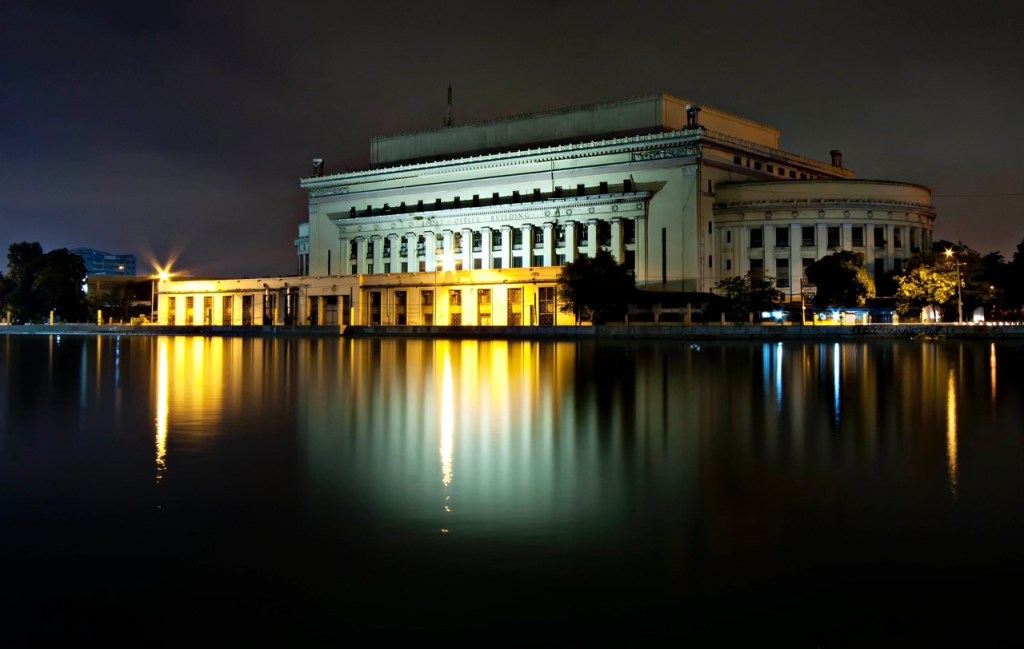
The arrival of the Americans ushered in a wave of new thinking in architecture, emphasizing sanitation, public infrastructure, and modern design philosophies. This period saw the rise of grand public buildings and the introduction of styles that spoke of a new civic order and progress.
Here’s what defined American Colonial Architecture:
- Neoclassicism: Characterized by grandeur, symmetry, and the use of columns, pediments, and domes. This style was often used for government buildings to symbolize order and democracy.
- Example: Manila Central Post Office, National Museum Complex
- Art Deco: A glamorous and optimistic style that emerged in the 1920s and 30s, featuring bold geometric patterns, streamlined shapes, and decorative motifs.
- Example: Metropolitan Theater in Manila, some older commercial buildings in Escolta and Bacolod.
- Beaux-Arts: An academic, classical style often used for cultural institutions and university buildings, characterized by symmetry, formal layout, and opulent details.
- Example: Parts of the University of the Philippines Diliman campus structures.
- Modern Materials and Urban Planning: The use of reinforced concrete and steel allowed for taller, more resilient structures. Daniel Burnham’s city plans for Manila and Baguio exemplify the era’s commitment to rational, organized urban development.
These structures mark a transformative period in Philippine architecture—bridging colonial legacy and modern ambition.
The Soul of the Regions: Vernacular Architecture – A Tapestry of Local Identity
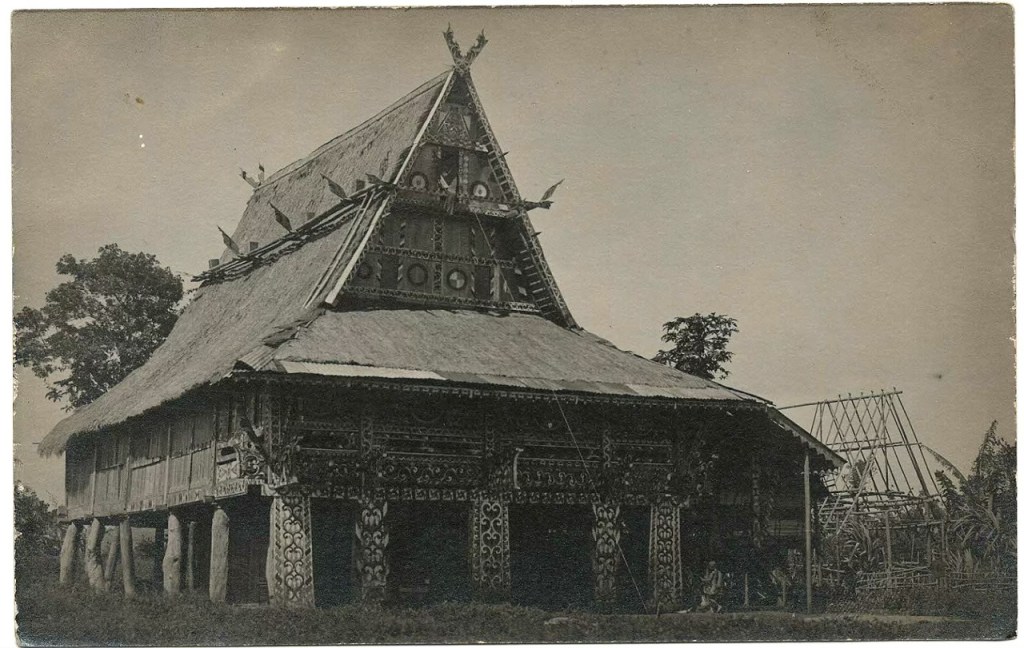
Beyond the dominant colonial influences, the Philippines is rich in vernacular architecture – building traditions unique to specific indigenous communities and regions. The beauty of vernacular architecture lies in its profound connection to place, utilizing local materials and designs perfectly suited to the specific climate, culture, and lifestyle of its inhabitants.
Notable Examples:
- Ifugao Bale (Ifugao House): Built in the Cordillera mountains without nails, these wooden homes rest on posts and feature steep thatched roofs—designed to endure cool highland temperatures.
- Ivatan Houses (Batanes): Built with thick stone walls, lime mortar, and cogon grass roofs, these structures are designed to withstand the strong typhoons that frequent the Batanes islands. Their resilience is legendary!
- Maranao Torogan (Lanao): The ancestral home of Maranao nobility, the Torogan is raised on pillars and adorned with panolong—wing-like beams carved with mythical motifs like the Sarimanok and naga.
- Tausug Houses (Sulu Archipelago): Built on stilts over water or near shorelines, these dwellings reflect a maritime lifestyle and showcase elegant woodwork and craftsmanship.
These architectural gems reflect the incredible ingenuity and cultural diversity of Filipino communities—and are worthy of both preservation and deeper study.
Reaching for the Sky: Modern and Contemporary Marvels – The Evolving Urban Story
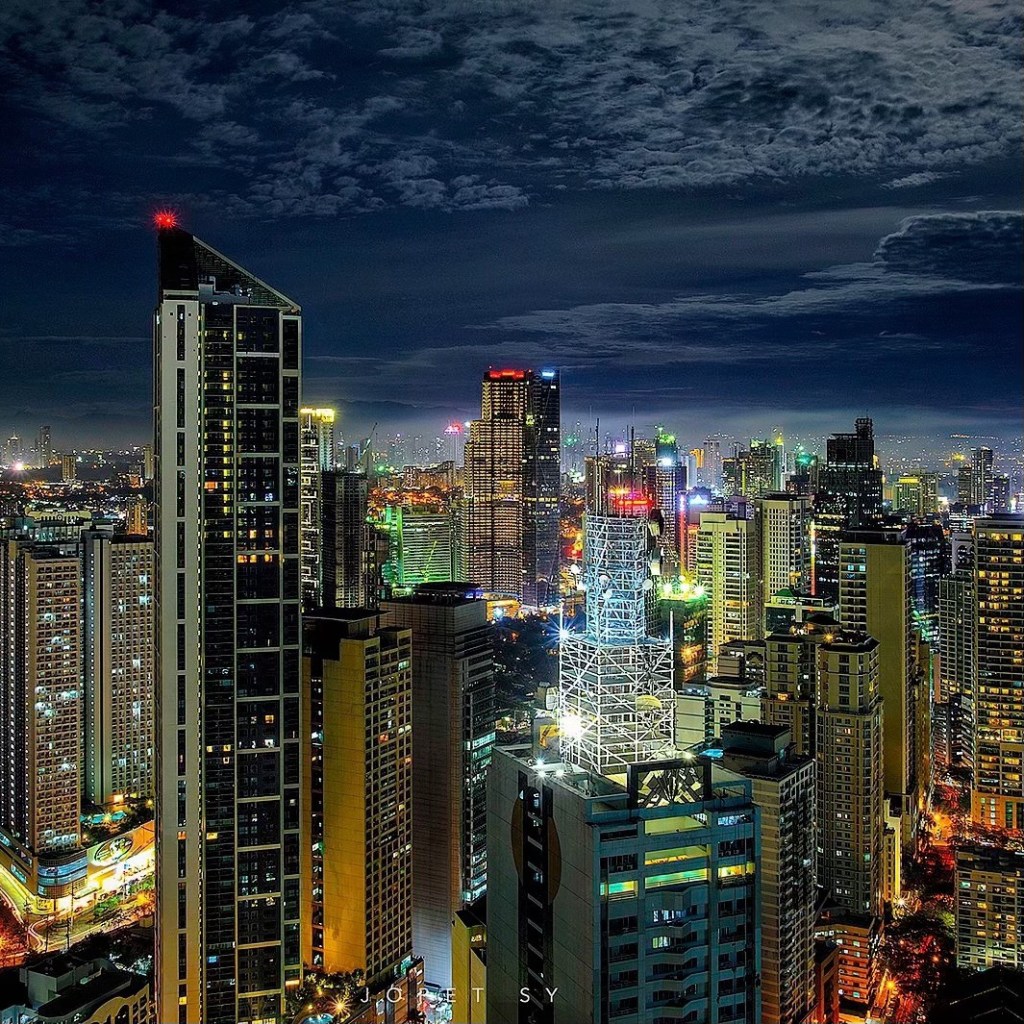
The post-war era and subsequent decades have seen Philippine architecture embrace modernism and, more recently, contemporary designs. It’s not just about height, but about innovative materials, sustainable practices, and designs that reflect a globalized yet distinctly Filipino sensibility.
Key Trends in Modern and Contemporary Philippine Architecture:
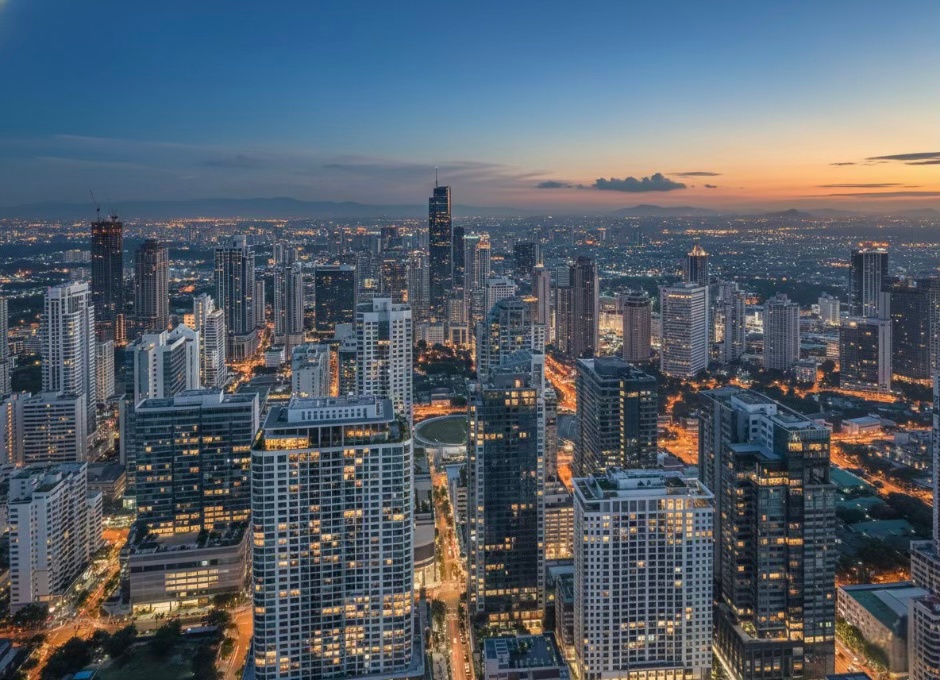
- Skyscrapers and Mixed-Use Developments: Cities like Metro Manila, Cebu, and Davao showcase impressive skylines with towering residential and commercial buildings. These reflect economic growth and the need for high-density urban living.
- Neo-Vernacular Architecture: A growing movement where architects consciously incorporate traditional Filipino design elements (like steep roofs, natural ventilation principles, local materials) into modern structures. This creates buildings that are both contemporary and culturally rooted.
- Sustainable and Green Design: Increasing awareness of environmental issues is leading to more designs that prioritize energy efficiency, use of eco-friendly materials, and green spaces.
- Brutalist Influences: Some iconic structures from the mid-20th century, like the Cultural Center of the Philippines (CCP) Complex, showcase Brutalist architecture, characterized by raw concrete and monolithic forms.
Modern Philippine architecture remains a canvas of experimentation—blending global trends with a uniquely Filipino soul.
The Enduring Legacy & Modern Interpretations
What makes Philippine architecture truly special is how these historical styles continue to shape today’s spaces. You might see a modern home with the ventilation principles of a Bahay Kubo, a commercial building with Art Deco-inspired flourishes, or a resort that subtly incorporates the craftsmanship of a Torogan.
The takeaway here is that our architectural past is not a relic; it’s a living source of inspiration. This fusion of old and new creates a uniquely Filipino aesthetic that is both globally aware and deeply local.
Why Understanding Our Architectural Heritage Matters to You
Whether you’re a homebuyer, an investor, or a real estate professional, appreciating our architectural history offers tangible benefits:
- Informed Property Choices: Recognizing architectural styles can help you assess the character, potential, and even the maintenance needs of a property. Heritage homes, for instance, offer unique charm but may require specialized upkeep.
- Investment Insights: Areas with well-preserved historical architecture (like Vigan or parts of Iloilo) often have strong tourism appeal and can command higher property values.
- Design Inspiration: Understanding traditional Filipino design principles can inspire renovations or new constructions that are not only beautiful but also well-suited to our climate.
- Cultural Appreciation: Knowing the stories behind our buildings deepens our connection to our communities and our national identity. It allows us to be better stewards of this heritage.
- Spotting Quality and Craftsmanship: Older architectural styles often showcase a level of craftsmanship and material quality that can be a benchmark when evaluating newer properties.
Preserving Our Past, Building Our Future
The architectural landscape of the Philippines is a vibrant narrative of our history, culture, and adaptability. From the humble wisdom of the Bahay Kubo to the awe-inspiring ambition of modern skyscrapers, each structure tells a part of our collective story.
As we continue to build and develop, it’s essential to do so with a deep respect for this legacy. By preserving our architectural heritage and thoughtfully integrating its lessons into modern design, we not only honor our past but also but also shape a future that’s proudly, distinctly Filipino.
If you’re serious about understanding or investing in Philippine real estate, take time to look beyond the listings. Learn to read the history in the walls. It’s an investment in knowledge—and identity—that always yields returns.


 U-Property PH
Leave a comment