

Homeownership in the Philippines climbed to 62.0% in 2022, according to the latest Philippine Statistics Authority (PSA) housing survey—up from 58.7% in 2021. This steady increase signals progress in housing accessibility across the country. However, a deeper analysis of the data reveals a striking divide between rural and urban areas, as well as significant regional disparities in homeownership rates. While many Filipino families are securing their place on the property ladder, others—especially in Metro Manila—are still struggling with affordability, limited housing supply, and rising land values. These findings offer a valuable snapshot of the current real estate landscape, highlighting both gains and gaps that developers, policymakers, and investors should pay attention to.
Urban vs. Rural Homeownership: A Widening Divide
According to the PSA’s 2022 housing data, homeownership remains significantly higher in rural areas (65.8%) compared to urban zones (58.7%). This growing gap highlights how rising land prices, vertical housing trends, and tighter lending rules in cities are making it increasingly difficult for urban dwellers—especially younger families—to afford their own homes.
In rural areas, more affordable land and lower construction costs continue to support traditional house-and-lot ownership, which aligns with the long-standing Filipino ideal of having a freestanding home with space for family and future expansion.
Regional Disparities in Homeownership
The highest rates of homeownership were recorded in:
- Cagayan Valley – 86.5%
- Cordillera Administrative Region (CAR) – 79.8%
- Central Luzon – 76.6%
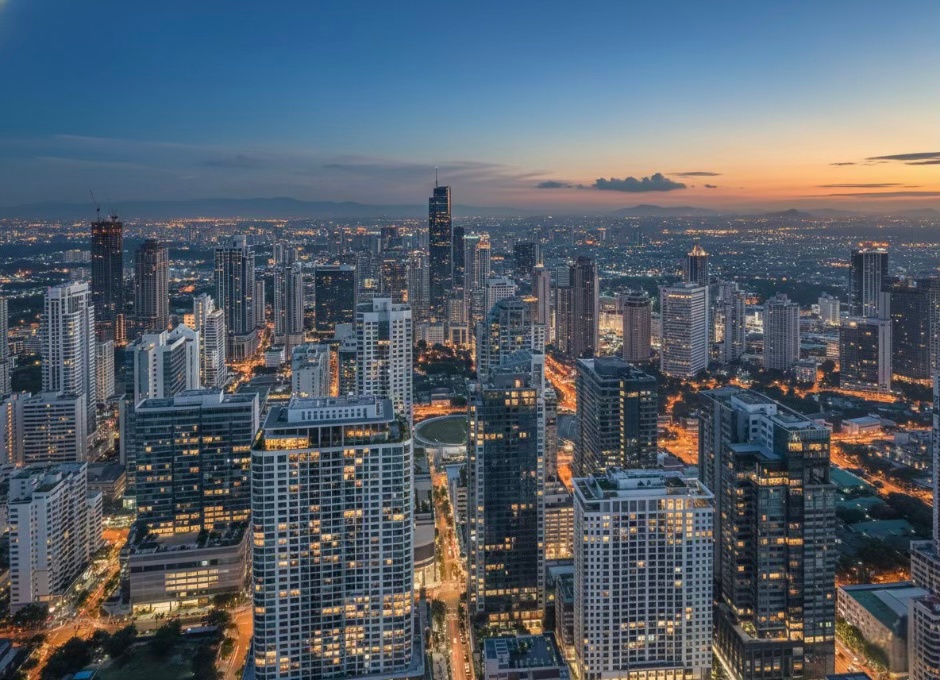
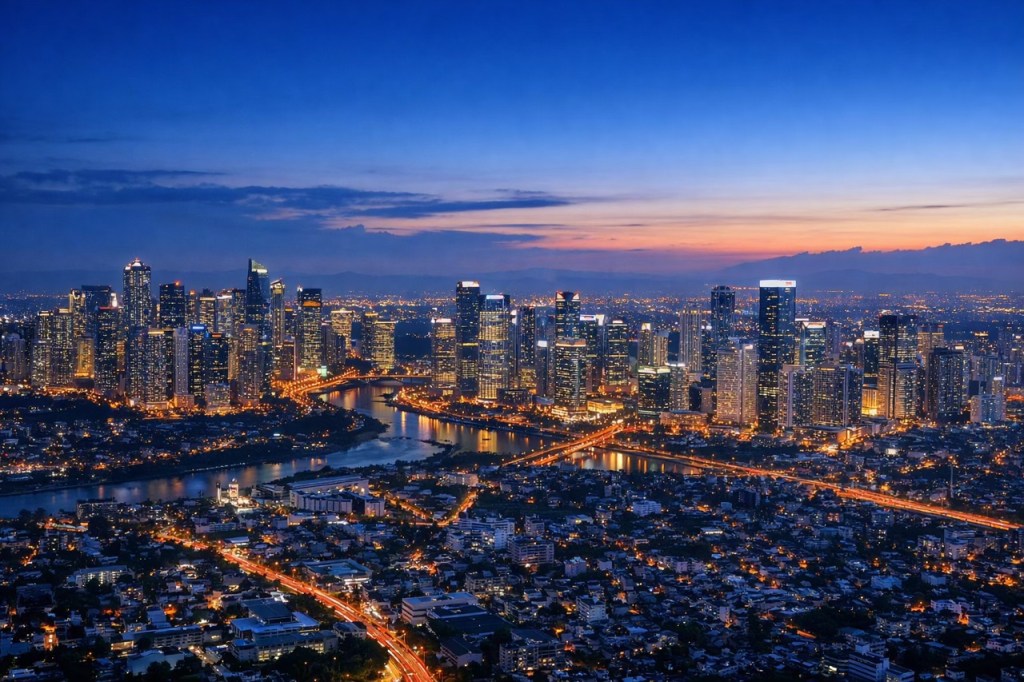
Meanwhile, Metro Manila (NCR) posted the lowest rate at just 52.4%—underscoring how sky-high property values and limited land availability are pricing out many families in the nation’s capital.
These regional figures expose the imbalance between high-growth urban areas and provincial regions where land remains relatively accessible and housing programs have gained more traction.
Preferred Housing Types of Filipino Families
Filipinos overwhelmingly prefer traditional homes:
- 90.3% live in single-detached houses
- 6.0% reside in apartments or row houses
- 2.1% in duplexes
- Just 0.5% live in condominiums or condotels
This breakdown reflects both cultural preferences and economic realities. While high-rise condos have gained popularity in urban centers, affordability remains a barrier for most. The dominance of detached homes indicates a strong desire for ownership of land, privacy, and long-term family security—values that continue to shape housing demand across generations.
Home Conveniences & Connectivity
- Smartphone penetration: 85.3%
- TV ownership: 75.1%
- Refrigerators: 50% | Washing machines: 49.2% | Motorcycles/tricycles: 47.8%
- Cable subscription: 25.5%
- Broadband/DSL/Fiber: 25.6%
- Streaming services (e.g., Netflix, iWant): 9.2%
Smartphones lead in household tech, but digital access remains limited—only a quarter enjoy broadband, and fewer use video-streaming. That’s a hurdle for remote work, online learning, and digital real estate marketing.
Why These Housing Trends Matter
1. Urban Housing Affordability Is Reaching a Breaking Point
Metro Manila’s low homeownership rate (52.4%) is a red flag. With skyrocketing land values, vertical developments that prioritize high-end buyers, and increasingly strict mortgage qualifications, many working-class families are locked out of the housing market.
Affordable townhouse communities and mid-rise developments must be fast-tracked in urban centers. Agencies like Pag-IBIG Fund and private developers need to shift focus from premium condos to mass housing solutions that fit the income realities of city-based buyers.
2. Rural Areas Show High Ownership but Low Infrastructure Investment
While rural regions boast higher homeownership rates (65.8%), this doesn’t always mean improved living standards. Many rural homes lack quality materials, resilient construction, and access to modern utilities.
To unlock true value, government housing programs should include road development, clean water systems, and broadband internet as part of residential planning. Rural land may be affordable, but without these upgrades, its long-term potential is severely limited.
3. The Digital Divide Is Hindering Equitable Growth
Despite high smartphone ownership (85.3%), only 25.6% of households have broadband or fiber internet access, and just 9.2% use video streaming platforms. This gap isn’t just about entertainment—it impacts online learning, remote work, and access to digital services like telemedicine and e-banking.
In today’s real estate landscape, digital connectivity is a core amenity. Developers and policymakers must treat internet infrastructure as essential, especially in both affordable urban housing and rural residential developments.
Strategic Recommendations to Strengthen Homeownership in the Philippines
1. Expand Affordable Urban Housing Options
Developers and government agencies must prioritize affordable townhouse and mid-rise communities in Metro Manila and other urban hubs. With rising land values and limited space, vertical housing must be reimagined to serve the needs of middle-income and working-class families—not just high-end investors. Incentivizing mass housing development through tax breaks, expedited permits, or public-private partnerships can help bridge the urban homeownership gap.
2. Invest in Rural Infrastructure for Long-Term Value
While rural areas show high ownership rates, many homes lack access to quality infrastructure such as paved roads, water systems, and consistent electricity. Government programs should integrate infrastructure development with housing expansion—creating livable communities that attract returning OFWs, retirees, and remote workers seeking a lower cost of living. This approach doesn’t just improve property values—it stimulates rural economies.
3. Prioritize Digital Connectivity as a Core Housing Amenity
Only a quarter of Filipino households have access to broadband or fiber internet. That’s a major barrier to education, e-commerce, and remote employment. Developers should partner with telecom providers to bundle broadband services into new housing developments—especially in emerging residential zones. Homes with built-in digital readinessare no longer a luxury—they’re a necessity for a modern, connected lifestyle.
Key Takeaway: What the 62% Homeownership Rate Really Means
The fact that 62% of Filipino families now own their homes is a major step forward—but it doesn’t tell the whole story. Beneath this national average are deepening urban-rural disparities, uneven housing quality, and limited access to digital infrastructure. These aren’t side issues—they are the next major challenges that will shape the future of real estate in the Philippines.
This PSA data isn’t just a benchmark—it’s a call to action. Government policymakers, private developers, and investors must now work together to ensure that the next wave of homeownership is not just about quantity—but quality, equity, and sustainability. The goal isn’t just to build more homes. It’s to build communities that are affordable, connected, and resilient for generations to come.



 U-Property PH
Leave a comment