

Condominiums offer a modern lifestyle, attractive amenities, and strong investment potential—especially in the Philippines’ rapidly urbanizing cities. But behind every glossy brochure is a legal framework that, if overlooked, can turn a promising deal into a financial trap.
Real estate in the Philippines isn’t just about location—it’s about legality. Every condo project is governed by permits, titles, contracts, and compliance laws that determine whether your unit is truly yours, when it will be delivered, and what rights you have as an owner.
What Happens When You Skip Legal Due Diligence?
Delayed Turnover or Incomplete Projects
Developers without a DHSUD License to Sell or proper building permits may stall construction, leaving buyers in limbo for years—or indefinitely.
Fake or Disputed Titles
Buying a unit without verifying the Certificate of Title or checking for liens can lead to legal battles, eviction threats, or even total loss of ownership.
Hidden Clauses in Contracts
Unsuspecting buyers sign contracts with unclear fees, vague turnover dates, or restrictive leasing rules they didn’t see coming—because they never read the fine print.
Tax and Legal Penalties
Overlooking property tax responsibilities or zoning compliance can result in fines, revoked permits, or a condo unit you can’t legally live in or lease out.
Who This Guide Is For
Whether you’re an end-user or a savvy investor, if you’re considering a condominium purchase in the Philippines, this guide is for you:
- OFWs and Filipino expats looking to invest in pre-selling units while overseas
- First-time homebuyers seeking a secure and stress-free property purchase
- Real estate investors aiming to build a rental portfolio or flip units for profit
- Business professionals and entrepreneurs who want legal clarity before tying up capital in real estate
- Inherited property owners or heirs verifying the legality of their condo ownership
This isn’t just another checklist—it’s your legal armor. This guide will walk you through every step of the legal due diligence process so you can invest confidently, avoid costly errors, and secure your stake in Philippine real estate the right way.
Understanding the Legal Framework for Condominium Investments in the Philippines
Before you fall in love with the unit layout or skyline view, get your legal bearings. Condominium ownership in the Philippines is governed by a well-defined legal framework—but only if you know how to read it. Ignoring this structure is the fastest way to get trapped in legal disputes, title complications, or even fraudulent transactions.
This section will arm you with the foundational knowledge you need to legally verify any condo investment and protect your rights as a buyer.
Republic Act No. 4726 – The Condominium Act of the Philippines
This is the cornerstone law governing condominium ownership in the country. Passed in 1966, RA 4726 legally defines what a condominium is and outlines the rights, obligations, and limitations of both individual unit owners and the condominium corporation.
Key takeaways:
- Unit ownership is exclusive, but land and common areas are co-owned through a condominium corporation.
- Foreigners can own up to 40% of total units in a condominium project, but not the land.
- The condominium corporation manages common areas and must comply with corporate regulations under the Revised Corporation Code.
Pro tip: Always request a copy of the Master Deed with Declaration of Restrictions (MD-DR)—this is the document that registers the condo under RA 4726 and outlines all shared ownership rules.
DHSUD and HLURB: The Governing Authorities You Need to Know
All condominium projects must be registered and regulated by:
- DHSUD (Department of Human Settlements and Urban Development) – the primary regulatory body for real estate development and housing.
- Formerly HLURB (Housing and Land Use Regulatory Board) – now merged into DHSUD, but many legacy documents still reference HLURB guidelines.
Their roles include:
- Granting the License to Sell (LTS) to developers
- Registering the Condominium Corporation
- Approving project permits and monitoring compliance with zoning and land use policies
- Enforcing buyer protection under the Subdivision and Condominium Buyers Protective Decree (PD 957)
If the condo project is not listed on the official DHSUD website, do not proceed. Lack of registration is a major red flag.
Key Legal Documents to Verify Before You Buy
These aren’t optional—they’re non-negotiable legal markers that determine if a condo project is legit and legally marketable.
1. License to Sell (LTS)
Issued by DHSUD, this document legally authorizes a developer to offer condo units for sale to the public. Without an LTS, the project is either non-compliant or illegally marketed.
- Look for the LTS number on the developer’s marketing materials or request a copy directly.
- Cross-verify the LTS via the DHSUD’s online database.
2. Certificate of Registration (COR)
This is the document that proves the developer is registered as a seller of real estate projects. It’s a prerequisite before being granted an LTS.
- It confirms the legitimacy of the developer as a business entity engaged in real estate.
- Often issued alongside or prior to the LTS.
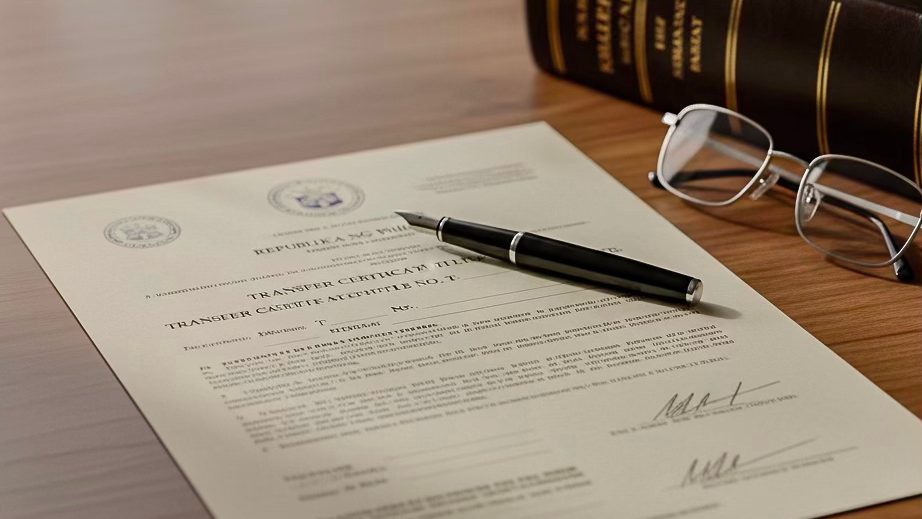
3. CCT (Condominium Certificate of Title) or Transfer Certificate of Title (TCT)
This is the individual unit’s title. A CCT is issued for each unit in a vertical development, while TCTs are for land parcels.
You must:
- Ensure the title is free from liens or encumbrances
- Confirm the unit’s legal boundaries and share in common areas
- Match the name of the seller with the one reflected in the CCT
Warning: Do not rely on photocopies or verbal promises. Always secure a Certified True Copy (CTC) of the title from the Registry of Deeds.
4. Tax Declaration
Issued by the local City or Municipal Assessor’s Office, this states the assessed value of the unit for real property tax purposes.
- Make sure the developer or current owner is up-to-date with property taxes.
- Compare the tax declaration with the CCT for consistency in area and unit details.
Summary Checklist: Legal Framework Essentials for Condo Buyers
| Legal Item | What It Proves | Where to Verify |
|---|---|---|
| RA 4726 Compliance | Legality of the condo setup | Master Deed & Declaration |
| License to Sell (LTS) | Authority to sell units | DHSUD |
| Certificate of Registration | Developer is a legal seller | DHSUD |
| CCT (or TCT) | Unit ownership title | Registry of Deeds |
| Tax Declaration | Tax status of the unit | LGU Assessor’s Office |
You’re not just buying floor space—you’re buying a slice of a corporation, wrapped in a legal agreement, governed by property laws. The only way to secure your investment is to understand and verify this legal framework before you pay a single peso.
Developer and Project Due Diligence: How to Vet a Condo Investment Before You Commit
Not all developers are created equal—and in the Philippine real estate market, some are downright dangerous to trust. Just because a project has a flashy showroom and a slick sales team doesn’t mean it’s legally viable or financially sound.
Before you invest a single peso, your due diligence should focus not just on the unit—but on who’s building it, whether they’re allowed to sell it, and if the project is legally approved for development. Here’s how to do it, step by step.
Step 1: Verify the License to Sell (LTS) Through DHSUD
A License to Sell isn’t just a technicality—it’s the legal authorization from the Department of Human Settlements and Urban Development (DHSUD) allowing the developer to market and sell units.
How to verify it:
- Visit the official DHSUD website and go to the Projects with License to Sell section.
- Search by project name or developer.
- Cross-check the LTS number, issue date, and project location.
- Ask the developer or agent for a physical or scanned copy of the LTS and compare the details.
If the LTS is missing or “processing”:
Do not proceed. This is a red flag. Selling pre-selling units without an LTS violates Presidential Decree 957, and you will have no legal remedy if the project fails.
Step 2: Spot Red Flags in Pre-Selling Projects
Pre-selling offers may be tempting with lower prices and flexible terms, but they carry significantly higher legal and financial risk.
Here’s what to watch out for:
| 🚩 Red Flag | Why It’s a Problem |
|---|---|
| No LTS issued | Project is not legally authorized for sale |
| Vague or moving turnover dates | Possible cash flow issues or lack of permits |
| Developer promises but won’t show documents | Concealing issues with permits or titles |
| Project not listed on DHSUD’s website | May be unregistered or under investigation |
| No on-site activity despite sales | Construction may be delayed or stalled indefinitely |
Real Case Scenario: Buyers of a popular Pasig pre-selling project waited 7 years past the promised turnover—and still had no CCTs. The project had no LTS when they bought.
Step 3: Investigate the Developer’s Track Record and SEC Registration
You’re not just buying a unit—you’re investing in the developer’s ability to deliver. Reputable developers complete projects on time, comply with regulations, and respond to legal inquiries transparently.
What to check:
- Company profile on the Securities and Exchange Commission (SEC) website
- Is the developer registered as a legal corporation?
- Is it authorized to engage in real estate development?
- Previous projects: Visit their completed developments. Are the titles clean? Are turnover timelines met?
- Online reputation: Check for complaints or legal issues on forums, buyer groups, or government sites.
- Financial standing: Publicly listed companies (e.g., Ayala Land, SMDC) release financial reports—review them if available.
Look for patterns. A delay in one project may be isolated. Multiple complaints across developments? That’s systemic.
Step 4: Cross-Check LGU Zoning and Project Approvals
Even with DHSUD permits, a project still needs local government approval for zoning, environmental clearance, and land use.
How to verify:
- Check with the local City Planning and Development Office (CPDO) or Zoning Office
- Request information on:
- Zoning Certification
- Environmental Compliance Certificate (ECC)
- Barangay and Building Permits
- Visit the City Engineering Office or Municipal Assessor’s Office to confirm the land use classification.
Tip: Developers building in areas not zoned for mixed-use or residential condominiums can face suspension orders—leaving buyers stranded.
Due Diligence Checklist: Developer & Project Legitimacy
| Checkpoint | What to Ask For | Where to Verify |
|---|---|---|
| DHSUD License to Sell | LTS document | DHSUD.gov.ph |
| SEC Registration | Certificate of Incorporation | SEC.gov.ph |
| Track record of project completions | List of past projects | Developer website or forums |
| LGU Zoning & Building Permits | Zoning Certificate, ECC | City Hall / CPDO |
| Turnover track record & reviews | Online reputation | Buyer forums, FB groups |
Bottom Line
In real estate, trust is earned—not assumed. Even the most visually appealing condo can hide serious legal and financial landmines if the developer is unlicensed, underfunded, or deceptive.
Your goal is simple: Only invest in projects that are transparent, fully permitted, and built by proven developers. Let legal facts—not flashy pitches—guide your investment decisions.
Reviewing Legal Property Documents: What Every Condo Buyer in the Philippines Must Understand
Buying a condo doesn’t just make you a unit owner—you become part of a legal ecosystemgoverned by corporate bylaws, restrictions, and shared ownership obligations. And most buyers never read the fine print—until it’s too late.
Your unit may be beautiful, but if the legal documents are silent, restrictive, or unclear, your ownership experience could quickly become a legal headache. Whether you’re buying for personal use or rental income, reviewing these documents is essential.
1. Master Deed with Declaration of Restrictions (MD-DR)
What it is:
This is the foundational legal document that establishes the condominium project under RA 4726 (The Condominium Act). It defines the boundaries of private and shared ownership, including the rights of unit owners and the powers of the condominium corporation.
Key elements it includes:
- The land area, building plan, and unit boundaries
- Designation of common areas and limited common areas (e.g., hallways, rooftop, lobbies)
- Ownership ratio of each unit in relation to the whole project
- Legal restrictions on unit use, leasing, renovations, and more
Why it matters:
If you’re buying a unit, this document determines what you actually own, how much control you have, and whether you can modify or lease out your space. It’s also where many developers sneak in broad restrictions that aren’t in the sales pitch.
2. Bylaws and Articles of Incorporation of the Condominium Corporation
When you buy a condo, you automatically become a member of the condominium corporation—a legal entity that manages the building, collects dues, and enforces rules. Its power and responsibilities are outlined in:
- Articles of Incorporation (AOI): This document registers the corporation with the Securities and Exchange Commission (SEC) and defines its legal existence.
- Bylaws: These govern the internal operations, such as:
- How the board of directors is elected
- How meetings and voting are conducted
- How dues are assessed and enforced
- How violations are handled and penalized
Why it matters:
If you plan to run as a board member, challenge unfair fees, or dispute rule changes, you need to know what’s legally allowed—and what isn’t. The bylaws are your go-to reference.
Key Provisions to Watch Out For (Often Hidden in the Fine Print)
Leasing and AirBnB Restrictions
Many condo corporations prohibit short-term rentals or limit subleasing altogether. If you plan to list your unit on AirBnB or rent it out to long-term tenants, check the leasing policy inside the MD-DR or the bylaws. Violating this can lead to fines—or eviction.
Example: Some Makati condos strictly prohibit transient use, even for furnished units, citing building security and zoning.
Special Assessments and Dues
Aside from regular condo dues, the corporation can impose special assessments for major repairs (roof replacement, elevator upgrades). These aren’t always capped and can be legally enforced if approved by the board or a majority vote.
- Ask: How are assessments approved?
- Check: Are there dues escalation clauses or caps?
Tip: A P3,000 monthly dues today could legally rise to P6,000 if the bylaws allow annual increases.
Pet and Noise Policies
If you own pets or value peace and quiet, these rules can make or break your living experience.
- Are pets allowed? What breeds or sizes?
- Are there noise curfews or event restrictions?
Some high-end condos allow pets on paper but require muzzle policies or restrict elevator access—check the actual rulebook.
Renovation and Alteration Restrictions
You may need board approval to install an aircon, change flooring, or even repaint. The MD-DR typically prohibits:
- Structural changes that affect shared walls or plumbing
- Loud or dusty renovations without pre-approval
- Exterior modifications (e.g., balcony enclosures, awnings)
Violating these can result in stop-work orders, fines, or forced restoration.
Quick Review Checklist: Legal Documents You Must Read Before Buying
| Document | What It Tells You | Where to Get It |
|---|---|---|
| Master Deed + Declaration of Restrictions | Defines ownership boundaries, use restrictions | Developer or Registry of Deeds |
| Bylaws | Rules of condo governance, dues, elections | Condo Corp Secretary or Developer |
| Articles of Incorporation | SEC-registered legal identity of condo corp | SEC.gov.ph |
| House Rules (optional) | Additional behavioral guidelines (e.g. smoking, lobby use) | Condo admin |
Final Word
Never assume you’re buying unlimited freedom in a condo. You’re entering a legally shared environment where your rights and limitations are already written—often in small print. The only way to protect your investment and your lifestyle is to review every legal document before signing anything.
Verifying Property Title and Ownership: A Non-Negotiable Step to Secure Your Investment
Condo ownership begins with one document: the title. If this is flawed, everything else—your rights, your occupancy, even your ability to resell—is at risk. Verifying the Certificate of Title is not just a formality; it’s your legal anchor in a market where title fraud and administrative errors are more common than many buyers realize.
How to Request and Read a Certified True Copy of the Title (CCT)
Condominium units in the Philippines are issued a Condominium Certificate of Title (CCT), a document distinct from the Transfer Certificate of Title (TCT) used for land.
To obtain a Certified True Copy of the CCT, follow these steps:
- Visit the correct Registry of Deeds (RD): Locate the RD that has jurisdiction over the city or municipality where the condo is located.
- Request the CCT using property details: You’ll need the CCT number, the name of the registered owner (typically the developer for pre-selling units), and the exact unit details(Tower, Floor, Unit No.).
- Pay the processing fee: Fees vary slightly by LGU but generally range from ₱250 to ₱500 per document.
- Inspect the document thoroughly: Don’t rely on photocopies or PDFs from the seller—only Certified True Copies (with dry seal and RD stamp) are legally reliable for due diligence.
What to Look for in the Title
Once you have the CCT in hand, examine these key parts:
Registered Owner:
Should match the developer or current seller. Any mismatch requires an explanation and legal proof of ownership transfer.
Technical Description:
Confirms the exact boundaries and location of the unit. This should align with the developer’s unit plan and building permits.
Encumbrances Section:
Located at the back of the title (usually on the second or last page). Look for:
Adverse Claims – A red flag. Someone else may be asserting ownership or interest in the property.
Mortgages – Indicates the property is used as collateral. Buying it may require settling the mortgage first.
Liens or Claims – Suggest legal disputes or unsettled obligations.
Annotations or Court Orders:
Any existing legal order, writ of attachment, or notice of lis pendens is a serious warning that the unit could be involved in litigation.
Use the LRA or Registry of Deeds for Validation
Land Registration Authority (LRA):
The LRA’s Anywhere-to-Anywhere (A2A) System allows you to request titles from any RD in the country, a major convenience for out-of-town or OFW investors.
Verify Title Authenticity:
You can cross-reference the CCT with the LRA Title Verification Services to check if the document is legitimate and not previously cancelled or duplicated.
Real Case: Buyers Losing Units Over Double Titles
In 2019, a group of buyers in Metro Manila unknowingly purchased condo units issued with duplicate titles. One set was held by the legitimate developer, and the other was fraudulently produced and used to secure unauthorized loans. The result? Multiple buyers were dragged into court battles, and their units were frozen by the court until the rightful ownership could be resolved—years later.
This is why a Certified True Copy is not optional. It’s your first line of defense against fraud.
Key Takeaway
Verifying the condo’s title is not just for lawyers. It’s for every buyer who values security, peace of mind, and financial protection. Always start your due diligence here, before any payments, before any promises.
Understanding Taxes and Legal Fees: Avoiding Costly Surprises Before You Sign
Taxes and legal fees in real estate are never “hidden”—but they’re often overlooked until it’s too late. Many buyers focus so much on the selling price, they miss the 6–12% in transactional costs that can derail budgets and stall transfers. Whether you’re buying a pre-selling unit or a secondary resale condo, being tax-literate is not optional—it’s part of responsible due diligence.
The Mandatory Taxes You’ll Encounter
1. Documentary Stamp Tax (DST)
- Rate: 1.5% of the higher between the zonal value or selling price
- Purpose: Imposed on the execution of the Deed of Absolute Sale
- Typical Responsibility: Shouldered by the buyer, unless negotiated otherwise
2. Transfer Tax
- Rate: Varies per LGU (ranges from 0.5% to 0.75%)
- Based on: Selling price, zonal value, or fair market value—whichever is higher
- Paid to: The local City Treasurer’s Office
- Deadline: Usually within 60 days of notarizing the Deed of Sale
3. Capital Gains Tax (CGT)
- Rate: 6% of the gross selling price or zonal value (whichever is higher)
- Default Responsibility: Seller, but in practice, this is often passed to the buyer in resale deals
- Tip: Clarify this in your Offer to Buy or reservation agreement
Ongoing Dues After Purchase
Once the unit is legally yours, you assume the responsibility for two recurring financial obligations:
1. Real Property Tax (RPT)
- Annual obligation paid to the LGU
- Can be paid in quarterly installments or in full by January 31 for discounts
- Delinquency leads to interest and can eventually lead to a levy or public auction
2. Condominium Dues / Homeowners Association (HOA) Fees
- Collected monthly to maintain common areas, security, and admin services
- Rates range from ₱80 to ₱150 per sqm depending on the building and location
- Not paying dues may result in legal action or restricted access to amenities
Who Pays What? Clarifying Buyer vs. Seller Obligations
In the Philippines, there’s no strict legal rule about who pays which taxes—custom and contract define the arrangement. Here’s the common setup:
| Tax / Fee | Typical Payer | Notes |
|---|---|---|
| Capital Gains Tax | Seller | Buyer often ends up paying unless contractually stated |
| Documentary Stamp Tax | Buyer | Can be split in negotiated deals |
| Transfer Tax | Buyer | LGU requirement before title transfer |
| Notarial Fees | Buyer | Usually part of processing costs |
| Title Registration Fees | Buyer | Required at the Registry of Deeds |
| Broker’s Commission | Seller | Standard unless an exclusive arrangement states otherwise |
Pro Tip: Always spell out tax responsibilities in your Deed of Sale or reservation contract. Never assume it’s “automatic.”
Special Warning: Estate Tax on Inherited Units
Inheriting a condo doesn’t mean it’s yours—legally or financially—until the estate tax is paid.
- Estate Tax Rate: 6% of the net estate value
- Consequence of non-payment: You can’t sell or transfer the unit until this tax is cleared
- The unit may also incur penalties, surcharges, and interests over time
This often becomes a hidden burden in resale units from heirs who haven’t settled estate taxes. Ask for proof of payment or a Certificate Authorizing Registration (CAR) from the BIR.
Key Takeaway
Taxes and legal fees aren’t extras—they’re part of the price. Walk into any condo deal with a spreadsheet, not just excitement. Knowing what you owe (and what you don’t) protects your budget, your ownership timeline, and your peace of mind.
Purchase Contract and Negotiation Clauses: What Every Condo Buyer Must Scrutinize Before Signing Anything
A condo purchase isn’t finalized with your reservation fee—it’s sealed by a contract. And that contract isn’t just paperwork; it’s a legally binding agreement that can either protect or trap you. Developers and sellers often use standard templates loaded with pro-seller terms, and if you sign without scrutiny, you might be agreeing to vague timelines, loose penalty clauses, and escalating fees buried in fine print.
Here’s how to dissect and negotiate your contract like a serious buyer—not a passive signatory.
Clauses You Must Inspect (And Why They Matter)
1. Turnover Schedules and Conditions
- Don’t settle for vague commitments like “upon project completion.”
- Demand a specific turnover date or a time range with provisions for delay penalties.
- Ensure the turnover isn’t conditional on full project completion if you’re buying in phases.
2. Penalty Clauses and Grace Periods
- Some contracts impose stiff penalties for late payments—often 2–4% monthlycompounded.
- Clarify: How many grace days are allowed? What are the cure periods before legal action or cancellation?
- Look for forfeiture clauses that allow the developer to cancel the sale after one or two missed payments—these are red flags if not balanced with proper grace periods.
3. Hidden or Add-On Fees
- Watch out for vague terms like “miscellaneous fees” or “processing fees” without defined amounts.
- Ask for a full cost breakdown of closing fees, turnover dues, utility connection charges, and move-in deposits.
- Some buyers are blindsided by these “move-in charges” totaling ₱100,000 or more.
4. Escalation Clauses on Payment Terms
- Some developers insert price escalation clauses allowing them to increase the unit price or monthly amortization due to rising costs or inflation.
- Clarify the ceiling (e.g., “not exceeding 10%”) or push to have the clause removed if the unit is pre-selling and fixed pricing was promised.
Addendums and Negotiation Tactics
Don’t be intimidated by legal jargon. You’re allowed—and encouraged—to negotiate terms. Here’s how:
Use Addendums to Clarify or Modify
If a clause is vague, request an addendum that defines it. For example: “Turnover shall be no later than December 2026, with a liquidated damages penalty of ₱2,000 per month for delay beyond this date.”
Negotiate Fair Penalties
Propose more realistic late payment penalties (e.g., 1% monthly) or longer grace periods (e.g., 30 days) before cancellation rights are triggered.
Put Verbal Promises in Writing
Anything your agent says—discounts, freebies, early turnover guarantees—must be in the contract. Otherwise, it’s not enforceable.
Ask for Review Time
Don’t be pressured to sign on the spot. Ask for at least 3 business days to review the documents with a lawyer or buyer’s agent.
CTS vs DOAS: What They Mean and Why It Matters
1. Contract to Sell (CTS)
- Used before full payment is made (e.g., during installment period or while bank loan is pending)
- You don’t get ownership yet—but the seller promises to sell once conditions (usually full payment) are met
- No title transfer happens at this stage
- Buyer typically shoulders most of the risk
2. Deed of Absolute Sale (DOAS)
- Used after full payment is complete (or once loan is released)
- This is the document that allows you to transfer the title in your name
- You must file this at the Registry of Deeds and BIR to formalize ownership
- Once this is signed, you’re the legal owner
Important: If a seller pushes for a DOAS before full payment, consult a lawyer. That’s rare and risky unless you’re paying in cash.
Key Takeaway
Your contract isn’t “standard”—it’s negotiable. Don’t assume fairness. Assume risk until proven otherwise. Read every clause, challenge vague terms, and never sign under pressure. A 20-minute review now could save you six figures in legal costs or delays later.
Legal Counsel and Professional Help: Normalize It. Don’t Skip It.
Hiring a lawyer or real estate professional isn’t a luxury—it’s a protective measure that should be baked into your buying strategy, especially when six or seven figures are on the line. In Philippine real estate, too many buyers rely on hearsay, marketing agents, or blind trust. That’s exactly how legal oversights, title disputes, and financial regrets happen.
Here’s how to stop flying blind and start surrounding yourself with the right people—at the right time.
When to Hire a Real Estate Lawyer (And Why It’s Not Optional)
Don’t wait for problems to call a lawyer. Engage one at these critical stages:
Before signing any reservation agreement or Contract to Sell
Lawyers can review the fine print and spot vague penalties, one-sided clauses, or unclear timelines that most buyers miss.
Before releasing full payment or loan proceeds
Ensure all documents are legitimate, conditions are met, and title transfer is guaranteed.
If there are red flags on the title or zoning issues
A lawyer can investigate legal encumbrances, estate disputes, or informal seller arrangements.
During negotiation of special terms or co-ownership agreements
Buying with a partner, family member, or spouse? Legal clarity now avoids lawsuits later.
How Much Do Legal Services Cost?
Professional help is surprisingly affordable compared to what’s at risk. Here’s a breakdown of typical fees in Metro Manila and other urban areas:
- Contract Review (CTS, DOAS, Lease, etc.): ₱5,000–₱15,000 per document
- Full Due Diligence Package (includes title check, seller validation, LGU zoning checks): ₱20,000–₱35,000
- Retainer Services for End-to-End Transactions: ₱50,000–₱100,000+ depending on complexity and value of property
- Hourly Rate for Legal Advice: ₱2,500–₱5,000/hour
Tip: Always ask for a scope of services and quotation in writing. Some legal groups offer fixed-price packages for first-time homebuyers or OFWs.
What to Expect from a Legal Review Session
A competent lawyer doesn’t just redline a few words—they do the following:
- Explain vague or one-sided clauses in plain Filipino or English
- Suggest fairer terms you can negotiate with the developer or seller
- Validate the legitimacy of your seller or developer
- Confirm BIR, Registry of Deeds, and LGU documentation requirements
- Spot hidden escalation clauses, unreasonable penalties, or voidable terms
You walk away with clarity, negotiation power, and peace of mind.
Recommended Third-Party Professionals (Don’t DIY Everything)
1. Title Verification Services
- Use trusted firms to confirm ownership, liens, encumbrances, and annotations on the title
- Some even provide a full history check of the property
- Cost: ₱2,500–₱10,000 depending on location and depth of investigation
2. Licensed Real Estate Brokers
- Go beyond sales agents—work with PRC-licensed brokers who are legally accountable
- They can assist in document processing, price benchmarking, and negotiation strategy
- Ask for their PRC ID and valid Authority to Sell
3. Accredited Appraisers
- An appraisal is essential if you’re paying cash or buying a resale unit
- Don’t just rely on bank-assigned appraisers—hire your own for an unbiased valuation
- Typical cost: ₱4,000–₱15,000 depending on property type and location
Key Takeaway
Legal and professional services aren’t “nice-to-haves”—they’re non-negotiables if you value your money, time, and sanity. Think of it this way: you’re not just paying for a signature. You’re paying to not lose millions later from a deal gone wrong.
Don’t Risk Millions on a Bad Deal — Get Our Free Legal Condo Buyer Checklist
Buying a condo in the Philippines? One misstep can cost you a fortune. Our legal checklist helps you verify every crucial document and red flag—before you hand over a single peso.
Get the PDF FREE when you join our newsletter for buyer alerts, legal updates, and insider condo tips.
What’s Inside:
✅ 16-point legal checklist
✅ Designed for first-timers and seasoned investors
Enter your email to download instantly


Frequently Asked Questions About Legal Condo Buying in the Philippines
Can I buy a condo in the Philippines without hiring a lawyer?
Yes—but it’s a legal risk. While Philippine law doesn’t mandate a lawyer for private property purchases, going through a condo transaction without legal counsel can expose you to hidden liabilities, vague contract clauses, and improperly transferred titles. If you’re buying a pre-selling unit or assuming a loan, consult a real estate lawyer in the Philippines to review the Contract to Sell and reservation agreement. It’s a small upfront cost to avoid long-term headaches.
Pro Tip: Some developers offer templated contracts that favor their interests. Having a legal professional spot red flags could save you millions in disputes or title complications.
How do I verify if a condominium project has a valid License to Sell (LTS)?
You can check the HLURB or DHSUD License to Sell status by visiting the official DHSUD website or requesting the LTS number directly from the developer. A legal project must have a License to Sell issued by DHSUD before any unit is offered to buyers.
Look for:
- LTS No. (displayed in marketing collaterals)
- Validity period
- Project name (must match the one on marketing materials)
- Developer name (check for SEC and DHSUD registration)
Red Flag: No LTS = illegal selling. Buying from an unlicensed project can result in financial loss, non-completion, or forfeiture of your unit.
What legal problems can happen when buying pre-selling condo units?
Several risks exist when purchasing pre-selling condos in the Philippines, including:
- Non-issuance of a License to Sell (which makes the sale illegal)
- Delayed turnover or indefinite construction halts
- Contract to Sell (CTS) clauses that heavily favor the developer
- Hidden charges not disclosed at the time of reservation
- Title issues due to unfinished land reclassification or incomplete HLURB/DHSUD compliance
Advice: Always demand a copy of the LTS, CTS, and master plan. Pre-selling requires extra due diligence.
What happens if a condominium doesn’t have a clean title?
If a condo unit has title issues—such as unpaid liens, adverse claims, or overlapping boundaries—it cannot be legally transferred to your name. This can delay your Transfer Certificate of Title (TCT) or Condominium Certificate of Title (CCT) issuance or nullify the entire sale.
Title problems often occur in:
- Inherited properties with multiple claimants
- Foreclosed or assumed units with legal encumbrances
- Projects with unsettled developer loans
Verify with the Registry of Deeds before handing over payment. Request a Certified True Copy of the CCT/OCT and check for any annotations or liens.
Is it safe to invest in foreclosed condo units in the Philippines?
It can be—if you’re legally protected. Foreclosed condos may offer lower prices, but they come with more legal baggage. Risks include:
- Unpaid association dues
- Pending ejectment cases from occupants
- Questionable chain of ownership
- Complex title transfer process
Work with a real estate broker experienced in foreclosures, and have a lawyer verify the title and sale legality. Request clearance on utilities, taxes, and HOA dues.
Final Thoughts: Buy Smart, Buy Secure
Every condo purchase—whether for end-use or investment—is a legally binding transactionwith real financial stakes. Overlooking a single clause, skipping title verification, or trusting an unlicensed seller could lock you into years of regret, litigation, or unprofitable ownership.
Here’s your buyer’s non-negotiable playbook:
- Verify the developer’s License to Sell via DHSUD before reserving a unit.
- Review all contracts (CTS, Deed of Sale, Reservation Agreement) with legal counsel—no exceptions.
- Check the property’s title status through a Certified True Copy from the Registry of Deeds.
- Investigate hidden costs like capital gains taxes, HOA dues, and title transfer fees before committing.
- Secure a written timeline and turnover guarantee if buying pre-selling.
Final Tip: Treat every condo purchase like a business investment—verify before you buy. This mindset shields you from emotional decisions, sharpens your due diligence, and empowers you to walk away from shady deals.







Leave a comment