

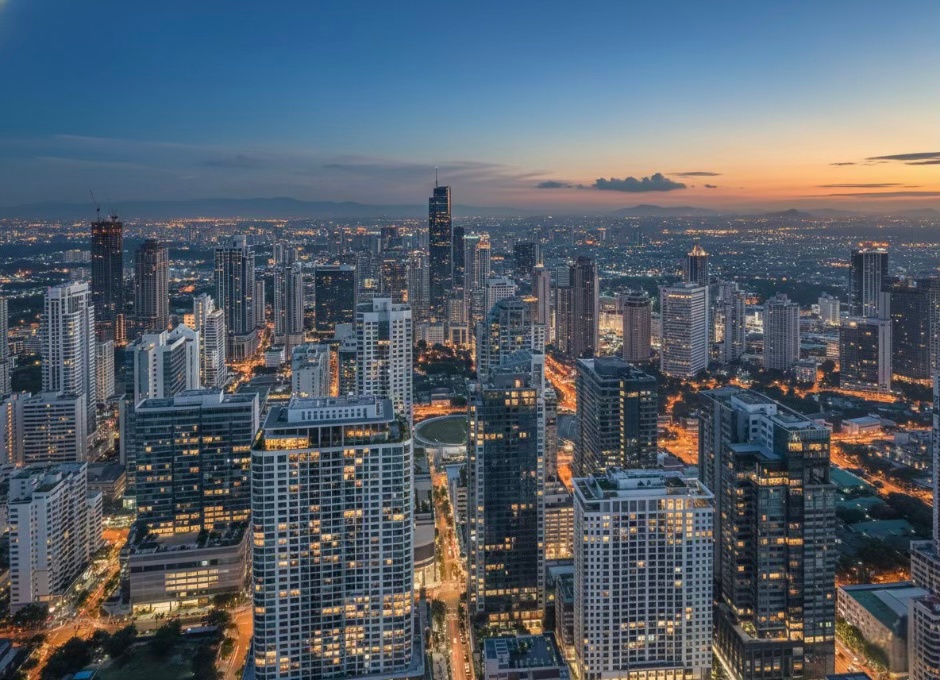
Did you know that buildings account for nearly 40% of global energy consumption? In the Philippines, a new generation of developers is rewriting that story — one green-certified tower at a time. From energy-efficient condominiums in BGC to solar-powered communities in Laguna, “green real estate” isn’t just a buzzword anymore — it’s fast becoming a benchmark for value and sustainability.
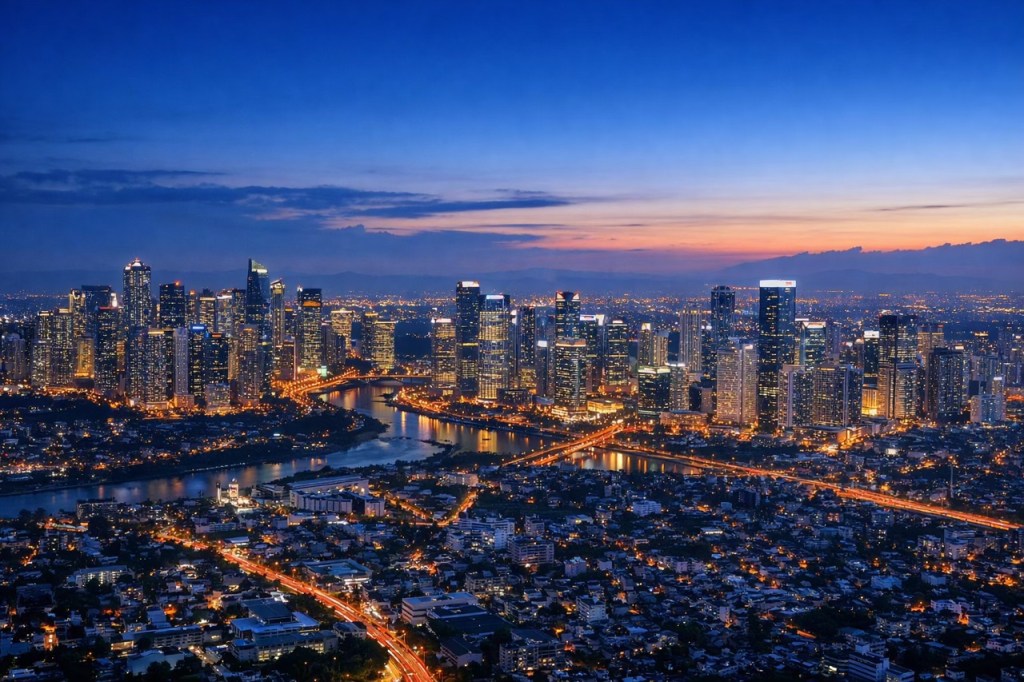
As the effects of climate change intensify and Philippine cities grow denser each year, a new movement is reshaping the country’s skylines — green real estate. This modern approach to development goes beyond aesthetics and luxury; it integrates sustainable design, energy efficiency, and environmental responsibility into every aspect of a property’s lifecycle.
In the Philippines, where rapid urbanization often strains resources and infrastructure, the shift toward sustainable buildings has become both a necessity and an opportunity. Developers, investors, and homeowners alike are now recognizing that eco-friendly construction isn’t just good for the planet — it’s also smart economics. From reduced utility bills to higher property values and healthier living environments, green real estate represents the future of responsible growth.
In this article, you’ll discover how sustainable developments across the Philippines are leading the charge — from master-planned eco-communities and LEED-certified skyscrapers to innovative waste management systems and renewable energy adoption. You’ll also learn why going green is no longer optional for investors and developers aiming to stay competitive in an environmentally conscious market.
What Is Green Real Estate?

Green real estate refers to developments that are planned, built, and operated with sustainability in mind — minimizing environmental impact while maximizing efficiency and occupant well-being. Unlike traditional buildings that prioritize short-term savings or aesthetics alone, green properties integrate energy-efficient systems, resource conservation, and eco-friendly materials throughout their entire lifecycle.
At its core, green real estate aims to balance economic growth with environmental responsibility, offering homes and workplaces that consume less, waste less, and last longer.
🔍 How It Differs from Traditional Developments
| Aspect | Traditional Developments | Green Real Estate |
|---|---|---|
| Energy Use | Relies heavily on grid electricity and non-renewable sources. | Incorporates solar panels, energy-efficient appliances, and smart automation. |
| Water Management | Uses municipal water without reuse systems. | Adopts rainwater harvesting, greywater recycling, and efficient plumbing fixtures. |
| Materials | Often uses conventional cement, steel, and paints with VOCs. | Uses bamboo, recycled concrete, low-VOC paints, and locally sourced materials. |
| Design Approach | Focused mainly on aesthetics and function. | Integrates passive cooling, natural light, and green spaces for occupant health. |
| Long-Term Costs | Higher energy bills, frequent maintenance. | Lower operational costs, longer building lifespan, and higher resale value. |
⚙️ The Mechanics Behind Green Buildings
Energy Efficiency
Use of solar panels, inverter air-conditioning systems, LED lighting, and motion sensors.
Double-glazed windows and reflective roofing minimize heat absorption, reducing air-conditioning demand.
Integration of smart home automation that adjusts lighting, temperature, and ventilation based on occupancy.
Water Management
Rainwater harvesting systems collect and reuse water for irrigation and cleaning.
Greywater recycling systems repurpose wastewater from sinks and showers.
Installation of low-flow faucets and dual-flush toilets to minimize daily consumption.
Sustainable Construction Materials
Use of bamboo, recycled steel, and eco-concrete for lower embodied carbon.
Low-VOC paints and adhesives for better indoor air quality.
Preference for locally sourced materials, which reduce transportation emissions and support local industries.
The Rise of Green Building in the Philippines
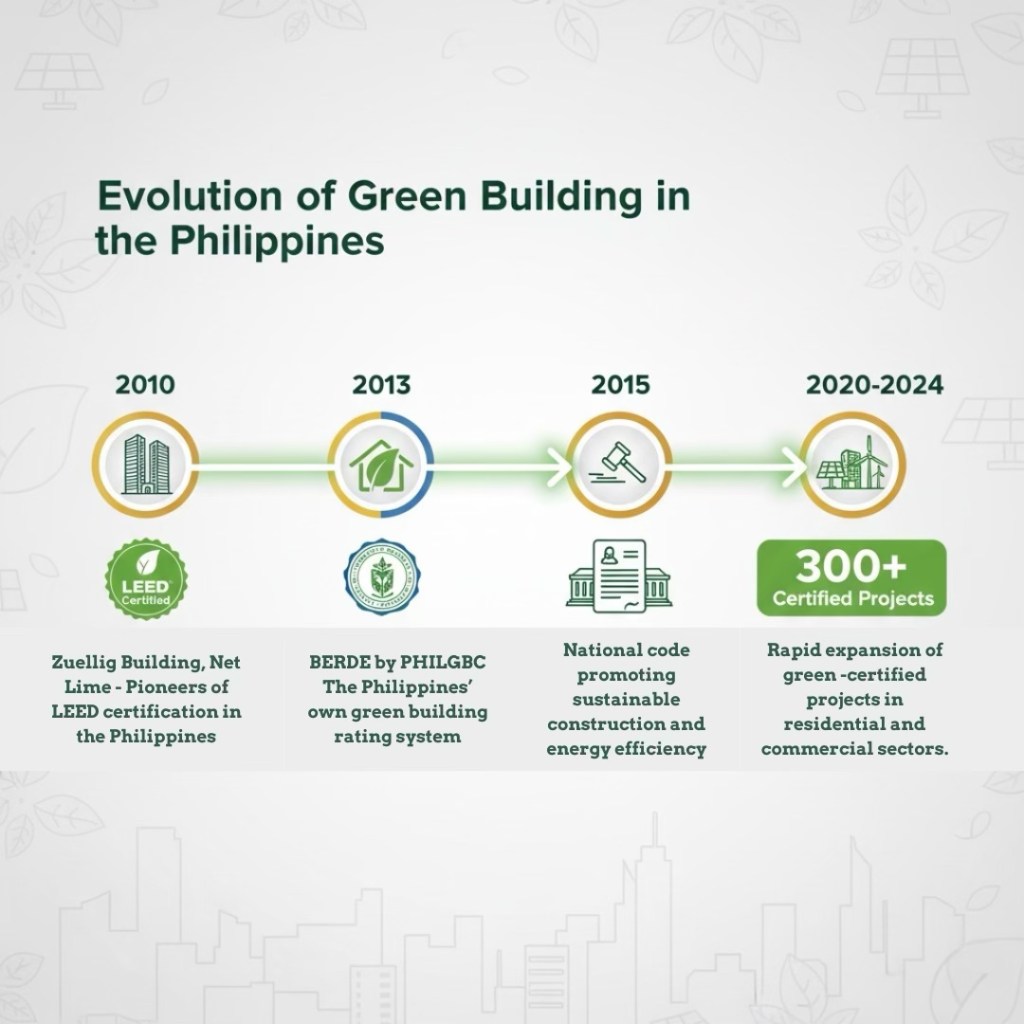
Over the past decade, the Philippine real estate landscape has undergone a quiet but powerful transformation. What began as a niche initiative among a few forward-thinking developers has evolved into a nationwide movement — one that now defines how modern communities and corporate spaces are built.
Historical Context: From LEED Beginnings to BERDE Standards
The country’s journey toward sustainable building started in the early 2010s, when global certification systems like LEED (Leadership in Energy and Environmental Design) first gained traction among high-end office developments in Metro Manila. Early adopters such as the Zuellig Building (LEED Platinum) and Net Lima in Bonifacio Global City set the standard for environmentally responsible design, featuring energy-efficient glass façades, water recycling systems, and smart HVAC technologies.
As the green building movement matured, the Philippines developed its own local certification system — BERDE (Building for Ecologically Responsive Design Excellence) — spearheaded by the Philippine Green Building Council (PHILGBC). BERDE adapts international standards to the country’s tropical climate and urban realities, focusing on energy conservation, water efficiency, indoor environmental quality, and community impact.
As of 2024, the Philippines has over 300 green-certified projects, up from just 30 in 2015, according to the Philippine Green Building Council (PHILGBC) — a tenfold increase in less than a decade.
Government Support: Policies and Incentives Driving Sustainability
The Philippine government has played a pivotal role in accelerating the green real estate shift. In 2015, the Department of Public Works and Highways (DPWH) introduced the Philippine Green Building Code, which set minimum standards for energy and water efficiency in new buildings.
Key government measures include:
Environmental Impact Assessment (EIA) requirements — mandating developers to assess and mitigate ecological effects before project approval.
Local Government Unit (LGU) incentives, such as tax breaks, zoning exemptions, or expedited permits for sustainable projects in cities like Taguig, Makati, and Quezon City.
Integration with the National Climate Change Action Plan, aligning real estate development with broader environmental goals and the country’s Paris Agreement commitments.
These initiatives ensure that sustainability is not just a trend, but a regulatory standard shaping the future of construction and urban planning.
Private Sector Initiatives: Developers Leading the Way
The private sector has been instrumental in embedding sustainability into mainstream real estate. Major developers are not only complying with regulations but innovating beyond them:
Ayala Land, Inc. (ALI) implements a comprehensive sustainability framework across all projects, targeting carbon neutrality by 2030. Its flagship developments — such as Arca Southand Vertis North — feature green open spaces, efficient waste management, and integrated transport systems.
Arthaland Corporation, the country’s only real estate developer certified as carbon-neutral, leads with projects like Arya Residences and Cebu Exchange, both recognized for their LEED and BERDE certifications.
SM Prime Holdings focuses on energy-efficient malls and flood-resilient infrastructure, including SM Seaside Cebu and SM Aura Premier, both integrating renewable energy systems and green roofs.
These trailblazers demonstrate how environmental responsibility can align with profitability, resilience, and brand value — setting new benchmarks for sustainable growth in Philippine real estate.
Key Green Building Certifications in the Philippines
To ensure that sustainability goals are measurable, verifiable, and comparable, the Philippine real estate sector relies on several internationally and locally recognized green building certification systems. These certifications not only validate a project’s environmental performance but also enhance investor confidence, improve market value, and provide long-term operational savings.
LEED (Leadership in Energy and Environmental Design)
Developed by the U.S. Green Building Council (USGBC), LEED is the world’s most widely used green building certification. It evaluates structures based on categories such as energy efficiency, water conservation, indoor air quality, sustainable site development, and materials use.
In the Philippines, LEED certification is often pursued by high-end commercial developments and corporate office towers that cater to multinational tenants and sustainability-conscious investors.
✅ Why It Matters:
LEED certification provides global credibility, attracting international investors and tenants who value sustainability transparency and performance metrics.
Notable LEED-Certified Projects in the Philippines:
Zuellig Building, Makati City
The first LEED Platinum office tower in the country, known for its energy-efficient façade and rainwater harvesting systems.
Net Lima and Net Park, Bonifacio Global City (BGC)
Pioneering LEED Gold-certified buildings emphasizing reduced carbon footprint and intelligent building management systems.
Cebu Exchange by Arthaland
The largest LEED-certified office building outside Metro Manila, integrating renewable energy and waste diversion programs.
BERDE (Building for Ecologically Responsive Design Excellence)
BERDE is the Philippines’ own national green building rating system, developed by the Philippine Green Building Council (PHILGBC). It was designed to reflect the country’s unique climate, culture, and regulatory environment — making it more contextually relevant than imported standards.
BERDE evaluates buildings across several categories, including:
- Energy and water efficiency
- Waste management and pollution control
- Indoor environmental quality
- Community integration and transport access
✅ Why It Matters:
BERDE promotes locally adaptive green practices, aligns with national climate goals, and empowers Philippine developers to pursue sustainability without dependence on foreign frameworks.
Notable BERDE-Certified Projects:
Arthaland’s Arya Residences (BGC)
The first residential building in the Philippines to achieve dual LEED and BERDE certification.
Ayala Land’s Arca South
A master-planned green district with sustainable transport systems and extensive greenery.
The Net Lima Building (BGC)
Recognized for its dual certification under LEED and BERDE, showcasing alignment between global and local sustainability standards.
EDGE (Excellence in Design for Greater Efficiencies)
EDGE, developed by the International Finance Corporation (IFC), is an emerging certification system gaining traction in residential, mid-market, and mixed-use developments. Unlike LEED or BERDE, EDGE focuses on quantifiable resource savings — requiring at least 20% reductions in energy use, water consumption, and embodied energy in materials compared to standard construction.
✅ Why It Matters:
EDGE is ideal for developers targeting cost-effective sustainability — especially in mid-income and affordable housing markets. Its digital certification platform simplifies assessments, making it accessible to smaller players aiming for measurable green credentials.
EDGE-Certified Developments in the Philippines:
SMDC Green Residences, Taft Avenue, Manila
Recognized for water-saving fixtures and efficient lighting systems.
Primavera Residences, Cagayan de Oro
One of the first EDGE-certified condominiums, integrating passive cooling and solar energy use.
Imperium at Capitol Commons by Ortigas Land
EDGE-certified for its sustainable design and energy-efficient systems.
Comparison of LEED, BERDE, and EDGE green building certifications used in the Philippines.
| Certification | Origin | Typical Use | Key Focus Areas | Notable Projects |
|---|---|---|---|---|
| LEED | U.S. Green Building Council | High-end commercial | Energy, materials, innovation | Zuellig Building, Net Park |
| BERDE | Philippine Green Building Council | Local & mixed-use | Tropical adaptation, community impact | Arya Residences, Arca South |
| EDGE | International Finance Corporation (IFC) | Mid-market & residential | Efficiency metrics, cost savings | Primavera Residences, Green Residences |
Why Green Real Estate Matters
Green real estate isn’t just a passing architectural fad — it’s a strategic investment advantagereshaping how Filipinos live, work, and invest. Beyond aesthetics or environmental goodwill, sustainable properties deliver tangible financial, health, and ecological returns that conventional developments can’t match.
For Investors: Long-Term Value and Resilience
Green-certified buildings consistently outperform traditional ones in the Philippine market. According to Colliers Philippines (2024), LEED- and BERDE-certified offices in Metro Manila command 5–10% higher lease rates and experience lower tenant turnover — a clear signal that sustainability translates to profitability.
Investors also enjoy lower operating costs due to energy-efficient lighting, HVAC systems, and water recycling solutions, which can cut utility expenses by up to 20–30% annually. In a volatile economy, these savings improve net operating income and provide a buffer against inflation and energy price hikes.
For Residents: Healthier, Happier Living Spaces
Green buildings are designed to enhance human well-being. Natural ventilation, low-emission materials, and smart orientation reduce indoor pollutants and heat buildup — resulting in cleaner air, more natural light, and improved comfort.
Residents of green communities also report higher satisfaction and productivity, as eco-conscious design encourages better sleep, reduced stress, and an overall healthier lifestyle.
For the Planet: Measurable Environmental Impact
The construction sector accounts for nearly 40% of global carbon emissions. By prioritizing sustainable materials, energy-efficient systems, and renewable sources, green developments in the Philippines help reduce carbon footprints, conserve water, and protect biodiversity. Each eco-friendly project contributes to national climate goals and a more sustainable urban future.
Ultimately, green real estate matters because it aligns profit with purpose. It proves that environmental responsibility and economic growth don’t have to be at odds — they can thrive together in every square meter built with intention.
Challenges and Misconceptions
While green real estate continues to gain traction in the Philippines, several barriers and misconceptions still prevent wider adoption. Understanding these challenges helps investors and homebuyers make informed, realistic, and confident decisions.
Higher Upfront Costs — But Lower Lifetime Expenses
One of the biggest misconceptions is that green developments are too expensive. It’s true that sustainable materials, solar systems, and certification processes can increase initial construction costs by 2–10%. However, these are quickly offset by long-term savings on electricity, water, and maintenance — often resulting in lower total ownership costs within just a few years. In short: green pays off.
Limited Awareness Among Buyers and Sellers
Many Filipino buyers still prioritize size, price, or location over sustainability features — often because they’re unaware of the tangible benefits (like better indoor air quality or lower utility bills). Similarly, some developers and brokers fail to highlight these green features effectively. The solution lies in education and transparency — helping buyers understand that sustainability is a lifestyle upgrade and a financial safeguard rolled into one.
The Risk of Greenwashing
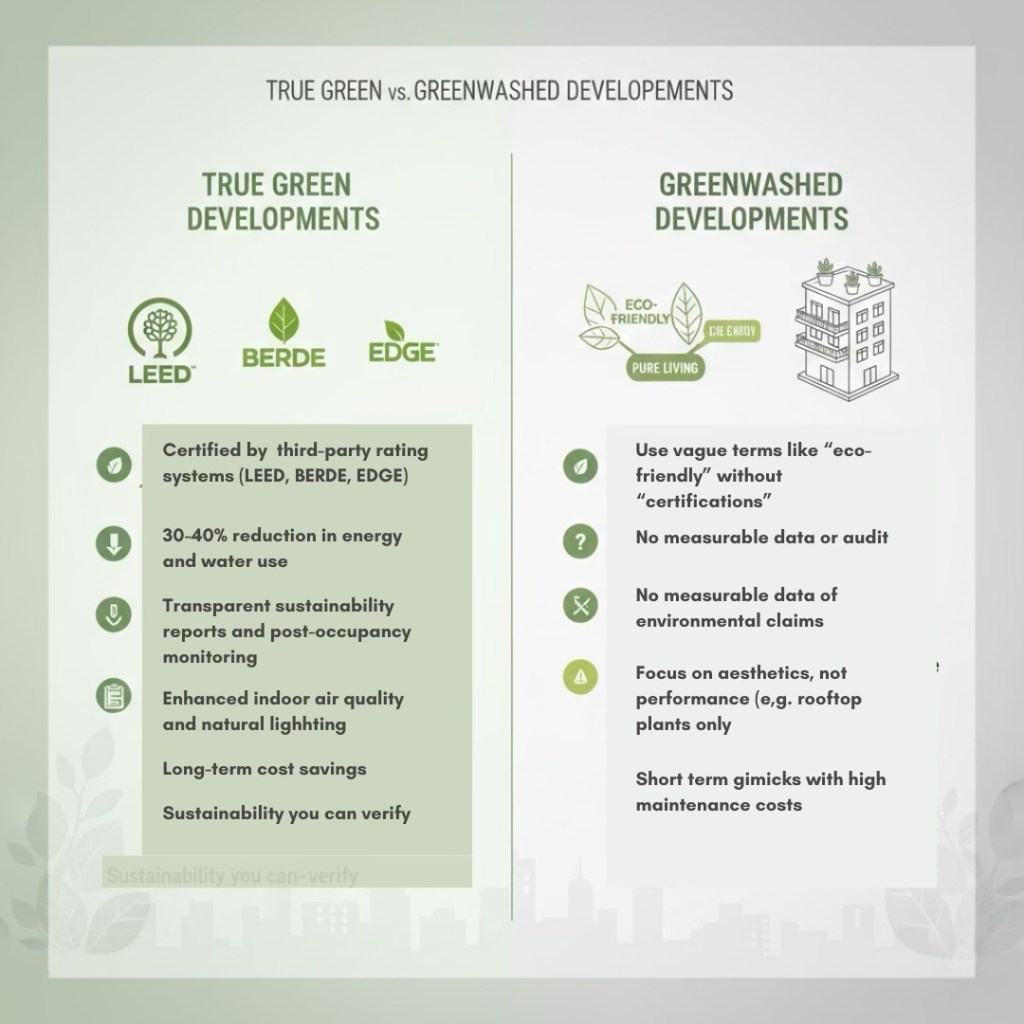
Not all “eco-friendly” claims are created equal. Some projects market themselves as eco-inspiredwithout meeting recognized sustainability standards. This practice, known as greenwashing, can mislead buyers and investors.
⚠️ Tip: Always verify if a development is BERDE-, LEED-, or EDGE-certified, not just “eco-inspired.”
These certifications ensure that a project has undergone independent evaluation based on measurable environmental performance — from energy efficiency to waste management.
How Developers and Buyers Can Support Green Initiatives
Sustainability in real estate is not just the responsibility of developers or policymakers — it’s a shared mission among everyone shaping the built environment. Whether you’re a developer, investor, or homebuyer, your choices directly influence how fast the Philippines transitions to a greener, more resilient property market.
For Developers: Integrate Sustainability from the Ground Up
Developers hold the most influence in setting the tone for eco-conscious development. Green design isn’t something to “add later” — it should be integrated early in the planning and design phase.
Key strategies include:
Passive Design Planning
Orienting buildings to maximize natural light and airflow, reducing the need for artificial cooling.
Smart Material Selection
Using locally sourced, low-carbon materials like bamboo, fly ash cement, or recycled steel.
Water and Waste Systems
Incorporating rainwater harvesting, greywater reuse, and waste segregation areas to minimize resource use.
Renewable Integration
Adding solar panels or green roofs not just as features, but as core design elements that enhance long-term efficiency.
💡 Pro tip: Early adoption of green standards like BERDE, LEED, or EDGE increases a project’s appeal and can even lead to tax incentives or faster permitting under certain LGU programs.
For Investors: Prioritize Certified Green Developments
Investors play a critical role by directing capital toward projects with proven sustainability metrics. Certified buildings often command higher resale values, attract premium tenants, and have lower operational costs, making them solid long-term investments.
Look for:
Verified Certifications
BERDE (local), LEED (international), or EDGE (cost-efficient green standard).
Sustainability Reports
Ask for transparency on energy performance, waste reduction, and carbon footprint.
Green Financing Options
Many banks now offer lower interest rates for certified green properties through sustainable finance programs.
For Homebuyers: Choose Condos that Live Green
As a homebuyer, your decision to choose a greener home directly supports sustainability. When viewing properties, go beyond the floor plan — evaluate how the building contributes to well-being and the environment.
Look for:
Natural Light and Ventilation
Less reliance on air-conditioning and artificial lighting.
Green and Open Spaces
Trees, rooftop gardens, and courtyards improve air quality and reduce heat.
Water-Efficient Fixtures
Dual-flush toilets, low-flow faucets, and water recycling systems.
Smart Building Features
Motion-sensor lighting, energy-efficient elevators, or solar-powered common areas.
Expert Insights and Future Outlook
The momentum for green real estate in the Philippines is accelerating — not as a passing trend, but as a permanent shift in how developers, investors, and policymakers approach the built environment. Experts agree: the next decade will be defined by sustainability, smart technology, and social responsibility.
Insights from Industry Leaders
According to the Philippine Green Building Council (PHGBC), the number of BERDE-certified buildings has grown exponentially since 2015, reflecting both market maturity and stronger policy alignment. PHGBC emphasizes that “sustainability is not just a badge — it’s a measurable standardthat developers and communities must uphold throughout a building’s life cycle.”
Developers like Ayala Land, SM Prime, and ArthaLand have echoed this commitment, integrating renewable energy, waste management systems, and wellness-focused design into their projects. As ArthaLand’s sustainability head noted, “Investors are no longer asking if green design adds value — they’re asking how fast they can integrate it.”
Emerging Trends Shaping the Next Decade
1. Solar-Ready Condos and Homes
Many new vertical developments are being designed to be solar-ready, meaning rooftop areas, panels, and electrical systems are built to accommodate future solar installations — even if not immediately installed. This approach makes clean energy more accessible and modular for unit owners.
2. Smart Energy Grids and Building Automation
Property developers are investing in IoT-enabled systems that automatically adjust lighting, ventilation, and cooling based on occupancy. Smart grids also enable buildings to feed excess solar energy back to the local utility, promoting circular energy economies within cities.
3. ESG-Driven Real Estate Investments
Institutional investors — both local and global — are prioritizing Environmental, Social, and Governance (ESG) metrics in property portfolios. This means developments that demonstrate carbon reduction, resource efficiency, and community impact are attracting more capital and higher valuations.
4. Green Public Housing and Government Integration
The Department of Human Settlements and Urban Development (DHSUD) has begun integrating green design principles into socialized and mid-income housing programs. Projects now include features such as solar lighting, rainwater catchment systems, and better insulation materials to reduce long-term costs for low-income families while promoting national sustainability goals.
The Road Ahead: Scaling Up Sustainability
As of 2025, there are over 150 certified green buildings across the country — up from fewer than 30 in 2015. The next phase of growth will focus on scaling these efforts to mid-rise housing and mixed-use developments beyond Metro Manila, ensuring that green living becomes mainstream, not premium.
“Sustainability will soon be the norm, not the niche. Developers who start now will define the market — those who delay will play catch-up.”
Case Studies: Pioneers of Green Real Estate in the Philippines
To understand how sustainability is shaping Philippine real estate, let’s look at three landmark projects that set the gold standard for green development — proving that eco-friendly design can be both practical and profitable.
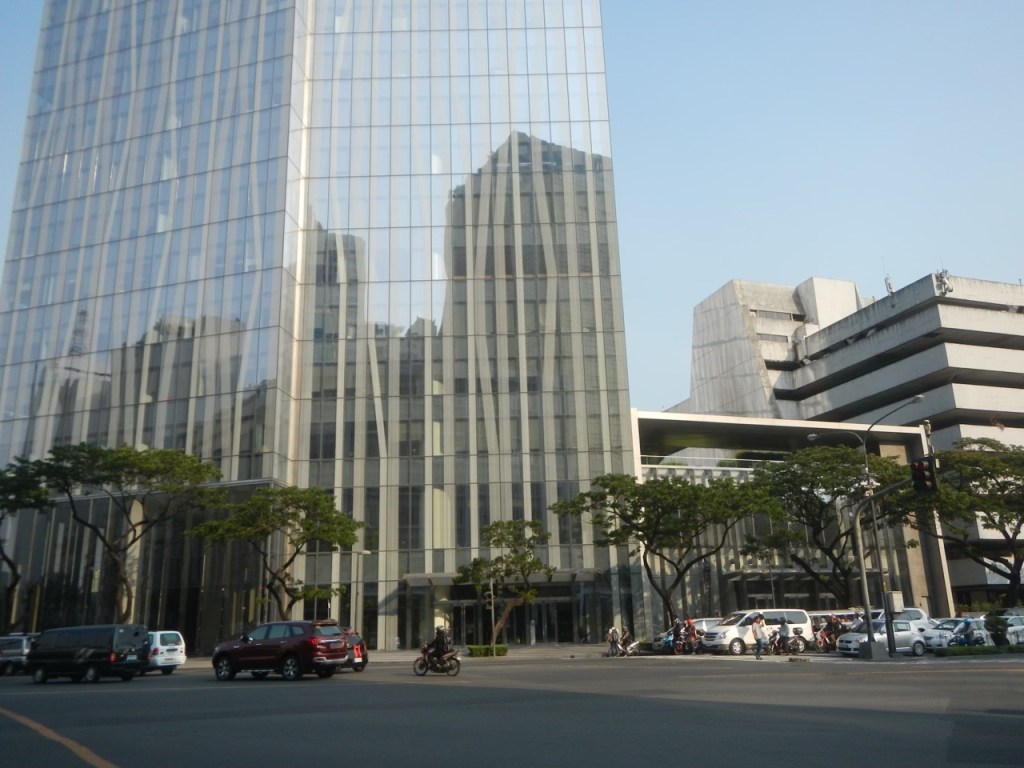
Zuellig Building – Makati City
Developer: Bridgebury Realty Corporation (a subsidiary of Zuellig Group)
Certification: LEED Platinum, U.S. Green Building Council
Type: Premium Grade Office
Key Green Features:
- Double-glazed glass façade that maximizes natural daylight while minimizing heat gain, reducing cooling costs by up to 15%.
- Rainwater collection and greywater recycling systems that cut water consumption by nearly 20%.
- High-efficiency air filtration and low-VOC materials that improve indoor air quality for healthier workspaces.
Results & Recognitions:
- First office building in the Philippines to achieve LEED Platinum certification.
- Recognized by CTBUH (Council on Tall Buildings and Urban Habitat) for sustainable design excellence.
- Consistently maintains occupancy rates above 95%, reflecting high tenant demand for sustainable spaces.
Arya Residences – Bonifacio Global City (BGC), Taguig
Developer: ArthaLand Corporation
Certification: BERDE 4-Star, Philippine Green Building Council
Type: High-End Residential Condominium

Key Green Features:
- Passive cooling design with large balconies, deep ledges, and operable windows for natural ventilation.
- Energy-efficient appliances and LED lighting pre-installed in units.
- Centralized waste segregation and recycling facilities, plus eco-friendly paints and finishesthat reduce indoor toxins.
Results & Recognitions:
- The first residential development in the Philippines to receive BERDE certification.
- Unit owners report lower electricity bills by up to 20–25% compared to conventional condos.
- Continues to attract environmentally conscious buyers, boosting long-term property value.
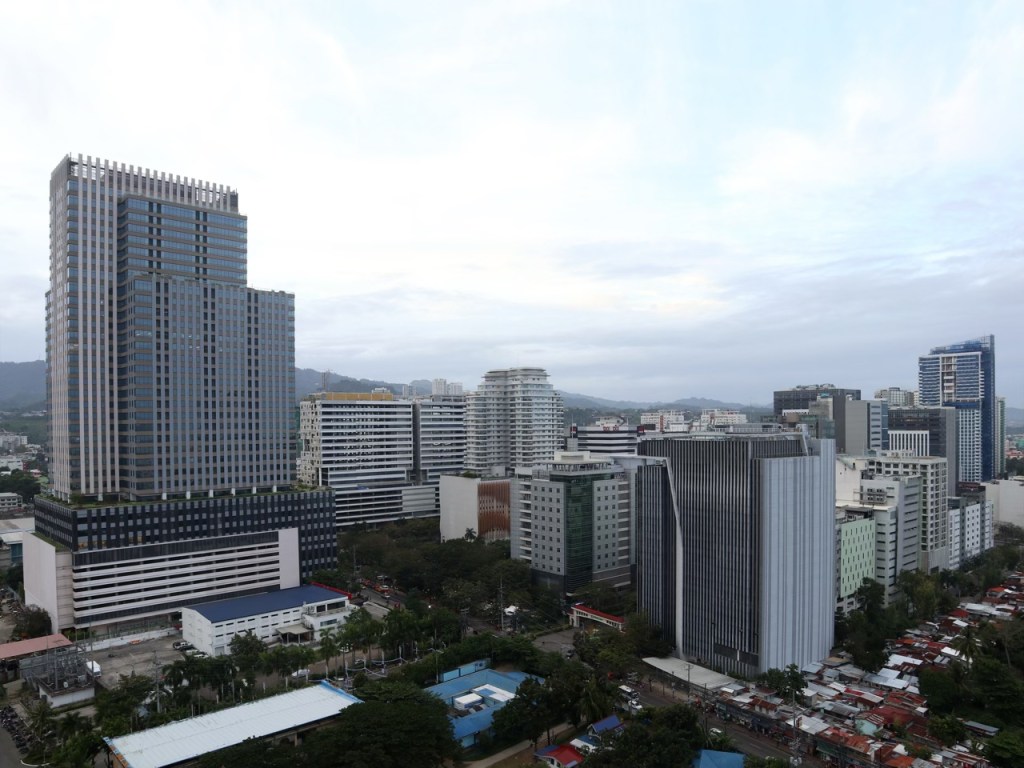
Cebu Exchange – Cebu City
Developer: ArthaLand Corporation
Certifications: LEED Gold, BERDE 5-Star, and EDGE Advanced — making it the most certified green office building in Visayas-Mindanao.
Type: Office and Retail Tower
Key Green Features:
- High-performance building envelope and solar-ready infrastructure for lower carbon emissions.
- Water-saving fixtures and condensate recovery systems that reduce total consumption by 35%.
- Advanced air filtration systems that provide hospital-grade indoor air quality.
- Comprehensive waste and recycling management integrated into building operations.
Results & Recognitions:
- Named the “Largest Net Zero Carbon-Certified Building in the Philippines” by the IFC (World Bank Group).
- Estimated to save at least 40% in energy consumption compared to standard commercial buildings.
- Became a benchmark for green developments outside Metro Manila, inspiring regional adoption.
Conclusion and Key Takeaways
The shift toward green real estate in the Philippines is more than just an environmental trend—it’s a strategic evolution in how we build, invest, and live. By prioritizing sustainability, developers and investors are unlocking long-term business value while actively contributing to climate resilience and urban livability.
From a business standpoint, green developments deliver tangible returns: lower operating costs, higher tenant retention, and strong resale value. Projects like the Zuellig Building and Cebu Exchange prove that eco-efficient design can boost profitability and corporate image at the same time.
From an environmental perspective, these initiatives are critical to reducing the real estate sector’s carbon footprint—through energy-efficient systems, waste reduction, and water conservation. Each green-certified building helps move the country closer to its net-zero targets, one development at a time.
But beyond corporate responsibility, green real estate empowers individuals. Every homebuyer who chooses an eco-friendly condo, every developer who integrates sustainable design, and every architect who specifies low-impact materials—all play a role in shaping the Philippines’ sustainable future.
Every purchase, every design decision matters.
By supporting and investing in green developments, you’re not only protecting your financial future—you’re helping build a healthier, more resilient Philippines for generations to come.
Start Your Green Property Journey
Looking to invest in a green-certified property that aligns with your values and future goals? 🌏
Contact us today for a curated list of verified eco-friendly and sustainable developments across the Philippines—from LEED-certified office towers in BGC to low-impact residential communities in the South.
You can also subscribe to our newsletter to receive:
✅ Expert insights on property investments and sustainable living
✅ Exclusive updates on upcoming green developments
✅ Practical guides on how to make your home more eco-efficient
Join the movement toward a greener Philippines—one property at a time.


 U-Property PH
Leave a comment