

I. Introduction: The Green Shift in Philippine Real Estate
Buildings are responsible for nearly 36% of global carbon emissions, and the Philippines—long vulnerable to climate risks—is now stepping into the global green revolution. In the last decade, sustainability has evolved from a “nice-to-have” feature into a core value driver for property development.
The Philippine real estate landscape is undergoing a massive transformation. Developers are integrating eco-efficient systems, low-impact construction materials, and smart energy management technologies not just to comply with new standards, but to meet the growing demand from environmentally conscious homeowners and investors.
Government policies are reinforcing this movement. The Philippine Green Building Code (2015) continues to set minimum sustainability standards for new developments, while local ordinances in cities like Taguig, Quezon City, and Muntinlupa now offer incentives such as tax discounts and faster permit approvals for green-certified projects. Moreover, as the Department of Energy (DOE) and Department of Environment and Natural Resources (DENR) align with global ESG (Environmental, Social, and Governance) frameworks, the stage is set for increased foreign investment in green real estate and renewable energy integration.
This guide explores how integrated green communities are redefining modern living in the Philippines—from solar-ready rooftops and vertical gardens to AI-powered energy monitoring systems that make homes more efficient, livable, and future-proof.
II. The Rise of Energy-Efficient Design in Philippine Real Estate
1. Why Energy Efficiency Matters in Real Estate
Energy efficiency isn’t just an environmental buzzword—it’s an economic and strategic advantage. Globally, the building sector accounts for around 36% of energy consumptionand nearly 40% of carbon emissions, according to the International Energy Agency (IEA). In tropical countries like the Philippines, where cooling systems consume a large share of household and commercial power, improving building efficiency can significantly reduce operating costs and cut emissions without sacrificing comfort.
For property owners, energy-efficient design translates to lower utility bills, longer equipment lifespan, and stronger climate resilience. In a country prone to rising temperatures and power fluctuations, well-insulated walls, passive cooling layouts, and smart lighting systems make homes both sustainable and disaster-resilient—a growing priority among modern buyers and investors.
2. Regulations and Green Certifications
The shift toward green construction is being reinforced by national standards and global benchmarks:
Philippine Green Building Code (2015)
Issued by the Department of Public Works and Highways (DPWH), this code sets minimum environmental performance standards for new buildings covering energy use, water efficiency, indoor air quality, and material sustainability. It applies to both residential and commercial developments exceeding specific floor area thresholds.
BERDE (Building for Ecologically Responsive Design Excellence)
Managed by the Philippine Green Building Council (PhilGBC), BERDE is the country’s local green rating system—similar to LEED in the U.S. It assesses design, construction, and operations to ensure measurable sustainability outcomes.
EDGE (Excellence in Design for Greater Efficiencies)
Developed by the International Finance Corporation (IFC), EDGE certification provides an accessible, data-driven platform that helps developers benchmark and improve building performance. Many Philippine developers use EDGE to attract eco-conscious investors and qualify for green financing.
Local Incentives
Cities like Quezon City, Taguig, and Muntinlupa have enacted local ordinances offering property tax discounts, priority permitting, and height bonuses for certified green projects. These policies aim to make sustainable construction more attractive to developers while aligning with broader national climate goals.
3. Market Impact
The adoption of green and energy-efficient design is now reshaping property values, tenant preferences, and investor confidence in the Philippines.
Property Values
Studies show that green-certified buildings enjoy 5–10% higher asset valuation and lower vacancy rates compared to conventional structures. Buyers and tenants increasingly associate energy efficiency with long-term value and reliability.
Tenant Demand
Corporate occupiers—especially BPOs and multinational firms—are prioritizing sustainable office spaces to meet ESG mandates. Residential renters, meanwhile, are drawn to lower utility costs and healthier indoor environments.
Investor Confidence
Green-certified developers such as Rockwell Land, Ayala Land, Arthaland, and AboitizLand have successfully integrated sustainability into their brand identity. Arthaland, for instance, has positioned itself as a 100% sustainable developer, while Ayala Land’s Alveo and Avida brands now feature EDGE-registered projects across major urban centers.
Energy efficiency is no longer an optional upgrade—it’s a market differentiator and a financial imperative in the evolving real estate landscape.
III. Core Pillars of Energy-Efficient Design
Energy-efficient buildings aren’t built by accident—they’re designed with intention. From how sunlight is harnessed to how air flows through a room, every element plays a role in reducing consumption and improving comfort. Below are the five core pillars shaping the next generation of sustainable Philippine developments.
1. Harnessing Solar Power
The Philippines enjoys an average of 4.5 to 5.5 kilowatt-hours of sunlight per square meter per day, making solar energy one of the most viable renewable sources for homes and buildings.
How it works: Solar photovoltaic (PV) panels convert sunlight into electricity, which can be used immediately or stored in batteries. With the Department of Energy’s (DOE) Net Metering Program, homeowners who generate excess solar power can feed it back into the grid and earn credits on their electricity bill—creating real savings.
Case in point: Arthaland’s Cebu Exchange—recognized as one of the largest green office towers in the country—utilizes solar-ready infrastructure and high-efficiency energy systems that help it achieve BERDE and EDGE certifications.
Real-world benefits:
- Up to 30–50% savings on energy costs for hybrid solar setups.
- Increased resale value and long-term ROI for energy-independent properties.
- Reduced carbon footprint and power outage resilience—especially valuable in typhoon-prone areas.
2. Sustainable Water Systems: Rainwater Harvesting & Recycling
Water scarcity and flooding are twin challenges for urban areas. Sustainable water systems address both through rainwater collection, filtration, and reuse for irrigation, landscaping, and even toilet flushing.
How it works: Roof catchment systems channel rainwater into underground tanks, where it’s filtered and stored. This reduces dependence on municipal water while minimizing runoff that contributes to flooding.
Policy and precedent:
- Quezon City’s Green Building Ordinance and Muntinlupa City’s Environmental Codeencourage developers to integrate rainwater harvesting into building designs.
- Ayala Land’s Nuvali in Laguna has implemented a large-scale eco-water management system that reuses treated wastewater for landscape irrigation—saving millions of liters annually.
Benefits:
- Lower water bills and improved stormwater management.
- Enhanced LEED, BERDE, or EDGE certification points for sustainability.
3. Smart Home Automation for Energy Management
Technology now enables homeowners to manage consumption effortlessly. Smart home systems—from motion-activated lights to temperature-controlled thermostats—help reduce wastage and improve convenience.
Key features include:
- Smart thermostats and air-conditioning controls that learn user preferences.
- Automated lighting and appliance scheduling based on occupancy or time of day.
- App-based monitoring for real-time energy tracking.
Local integration:
Developers like Rockwell Land, DMCI Homes, and Alveo Land are incorporating smart-ready wiring and IoT-compatible infrastructure into new projects, allowing buyers to easily integrate automation hubs such as Google Home or Alexa.
Benefits:
- Reduced electricity costs by up to 20–30%.
- Greater comfort, safety, and property efficiency.
4. Passive Design Strategies
Before technology, there was design—and it remains one of the most powerful sustainability tools. Passive design leverages natural ventilation, light, and shade to regulate indoor comfort without heavy mechanical use.
Core principles include:
- Proper building orientation to minimize heat gain.
- Cross-ventilation layouts for natural airflow.
- Thermal insulation and window shading to reduce AC load.
- Daylighting techniques to reduce the need for artificial lighting.
Examples in practice:
- Filinvest’s Timberland Heights in San Mateo uses terrain-sensitive layouts and natural ventilation corridors.
- Avida Settings Lipa features wide windows and open spaces that reduce air-conditioning dependency.
Impact: Passive cooling strategies can cut energy use for air conditioning by up to 30%, while improving occupant comfort and indoor air quality.
5. Energy Monitoring and Analytics
You can’t manage what you don’t measure. Modern developments are now equipped with real-time energy monitoring systems that track usage and help residents make informed adjustments.
How it works:
IoT-enabled smart meters and energy dashboards—such as those used by Meralco’s Advanced Metering Infrastructure (AMI) and certain partner developers—allow users to visualize their consumption trends via mobile apps or in-unit displays.
Benefits:
- Encourages behavioral awareness and energy-saving habits.
- Helps detect inefficient appliances or unusual consumption spikes.
- Enables developers and property managers to optimize community-wide resource use.
IV. Benefits Beyond Energy Savings
Energy efficiency is just the beginning. The real power of green communities lies in how they transform the way people live, breathe, and invest. Beyond reduced bills, these developments deliver healthier environments, stronger property values, and lasting climate resilience—making them one of the smartest lifestyle and financial choices you can make today.
1. Long-Term Cost Efficiency
An energy-efficient home doesn’t just save you on monthly utilities—it pays you back over time.
How it works:
- High-performance insulation, solar-ready roofs, and smart appliances can reduce electricity bills by 20–50% annually.
- Rainwater harvesting and efficient plumbing systems lower water expenses.
- Better building envelopes reduce maintenance costs caused by humidity or mold.
Example: A 30-sqm condo with integrated solar features and smart metering can save an average of ₱2,000–₱3,000 per month in utility bills. Over a 10-year period, that’s roughly ₱240,000–₱360,000 in savings—enough to fund a renovation or a second investment property.
Bottom line: The more sustainable the design, the less you spend in the long run—and the more resilient your investment becomes against rising energy prices.
2. Healthier and More Comfortable Living Environments
Green design isn’t just about reducing waste—it’s about improving wellness. Energy-efficient buildings promote cleaner air, abundant natural light, and thermal comfort that benefit both mind and body.
Key health advantages:
- Improved air quality through low-VOC materials and advanced ventilation.
- Ample daylight boosts mood and productivity, reducing reliance on artificial lighting.
- Noise insulation enhances rest and overall quality of life.
Case in point:
Certified green buildings such as The Residences at Greenbelt (LEED Gold) and Arya Residences (LEED Gold) use high-grade air filters and optimized daylighting systems—creating living environments proven to enhance well-being.
Emotional impact: Imagine coming home to a naturally bright, quiet, and well-ventilated condo where the air feels fresher and the temperature adjusts effortlessly. That’s not just efficiency—it’s comfort redefined.
3. Higher Market Value and Resale Potential
Sustainability has become a premium marker in the real estate market. Buyers and tenants now prefer properties that align with environmental awareness, lifestyle efficiency, and long-term affordability.
Market insights:
- Green-certified developments command up to 10–20% higher resale value and rent faster than conventional units.
- Investors benefit from stronger tenant retention, especially among professionals and expats seeking eco-conscious homes.
- Green credentials such as LEED, BERDE, or EDGE certification add credibility and long-term differentiation.
Local examples:
- Arthaland’s Cebu Exchange and Alveo’s Arca South developments are strong cases where sustainability translated into premium market positioning and steady appreciation.
Takeaway: An energy-efficient property isn’t just good for the planet—it’s a future-proof investment that appreciates with demand for sustainable living.
4. Contribution to Climate Resilience
Green communities also serve a bigger purpose: helping cities adapt to climate change.
How they make a difference:
- Lower carbon emissions reduce urban heat island effects.
- Flood-mitigating landscapes and permeable pavements help absorb excess rainwater.
- Renewable energy integration decreases dependence on fossil fuels.
In the Philippines, where typhoons and power disruptions are frequent, climate-resilient design means less vulnerability and faster recovery. Developments like Nuvali and Vermosaintegrate natural drainage systems and open green corridors that protect both residents and ecosystems.
In essence: Investing in green real estate is also an act of stewardship—protecting both your property and the planet for future generations.
VI. Local Success Stories: Green Developments Leading the Way
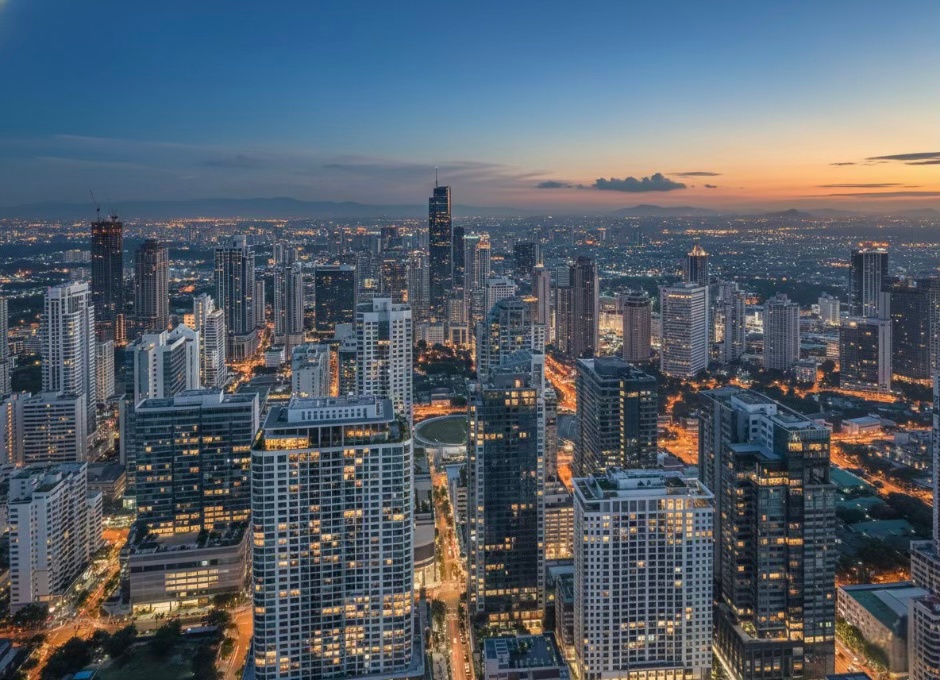
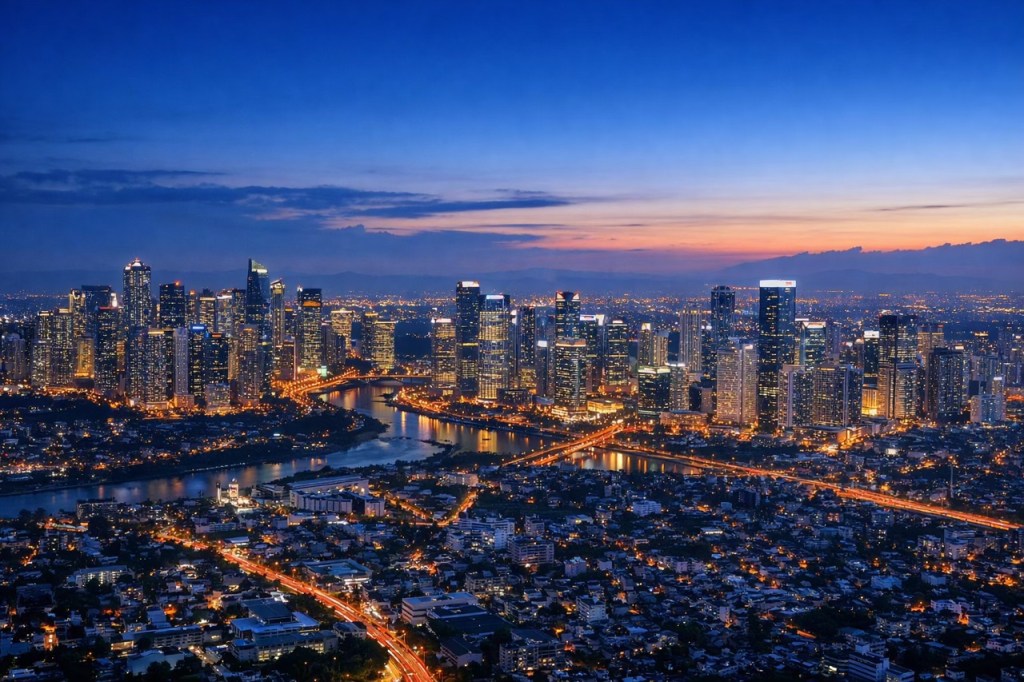
The momentum for sustainable building in the Philippines is no longer theoretical—it’s visible in the skyline. Forward-thinking developers have embraced energy efficiency and environmental design as both a responsibility and a competitive advantage. Below are some of the country’s most exemplary projects redefining what it means to live and work sustainably.
1. Arthaland’s Cebu Exchange – A Benchmark in Sustainable Commercial Design
Arthaland’s Cebu Exchange stands as one of the largest and most advanced green office towers in the country. This 39-story development in Cebu IT Park is both LEED Platinum and BERDE 5-Star certified—making it the first dual-certified commercial project in the Visayas.
Key sustainability features:
- A high-performance façade that minimizes heat gain while maximizing natural light, reducing cooling loads by up to 40%.
- Greywater recycling and low-flow fixtures that cut water use by roughly 35%.
- A building management system (BMS) that optimizes lighting, ventilation, and energy use in real time.
- Renewable energy sourcing through on-site solar arrays and green power procurement.
Beyond the data, Cebu Exchange’s impact is cultural—it’s showing local businesses that eco-friendly operations can be profitable. Its tenants enjoy lower utility bills, a healthier work environment, and a strong ESG profile—all key factors for global firms expanding in the Philippines.
2. The Arton by Rockwell – Sustainable Vertical Living in Quezon City
Nestled along Katipunan Avenue, The Arton by Rockwell demonstrates how energy-efficient design principles can be applied to high-rise residential living. The three-tower development integrates natural ventilation corridors, smart building systems, and lush open spacesthat promote both comfort and conservation.
Notable green design elements:
- Cross-ventilated unit layouts and north-south tower orientation to reduce direct heat exposure.
- LED lighting and motion sensors in common areas, minimizing energy waste.
- Rainwater collection and efficient irrigation systems for its landscaped areas.
- Expansive green spaces and multi-use lawns, improving air quality and reducing the local heat island effect.
Residents benefit not just from lower energy and water costs, but also from a calmer, healthier microclimate in the heart of the city—an urban luxury increasingly in demand among families and professionals seeking balance between convenience and sustainability.
3. Ayala Land’s Arca South – A Model for Integrated Green Communities
Spanning 74 hectares in Taguig, Arca South is Ayala Land’s next-generation master-planned estate built on sustainability, connectivity, and mobility efficiency. It integrates residential, commercial, and institutional zones under a unified eco-conscious framework.
Core sustainability highlights:
- District cooling systems and centralized waste management to cut energy and water consumption across the estate.
- Tree-lined avenues and bike-friendly streets, promoting active transport and reducing emissions.
- Solar-ready rooftops and renewable energy sourcing across commercial buildings.
- Extensive drainage and detention systems, reducing flood risk and improving stormwater management.
Arca South is envisioned to become Metro Manila’s southern green business district, combining smart urban planning with modern livability. It reflects Ayala Land’s broader sustainability commitment, which includes reducing operational emissions by carbon neutrality by 2030 for all commercial properties.
Other Notable Mentions:
- Alviera (Pampanga) – A 1,800-hectare Ayala and Leonio Land development integrating green corridors and outdoor recreation zones.
- Nuvali (Laguna) – The country’s largest eco-city, featuring renewable energy integration, lake water treatment, and 50% of total land area dedicated to green and open spaces.
VII. Challenges and Opportunities Ahead
While green real estate continues to gain momentum, the journey toward fully sustainable development in the Philippines is not without its hurdles. The challenge lies in balancing innovation with accessibility, ensuring that sustainability becomes a nationwide standard—not just a luxury for premium developments.
1. Cost and Accessibility: Upfront Investment vs. Long-Term ROI
One of the most persistent barriers to sustainable construction is the high upfront cost of eco-friendly materials, renewable systems, and certifications like LEED or BERDE. Solar panels, high-efficiency glazing, and rainwater systems can add 10–20% to initial construction costs, depending on scale and technology.
However, these expenses are offset by long-term savings in utilities, lower maintenance, and stronger resale value. For example, a building with efficient HVAC systems and smart controls can reduce energy costs by up to 30–40% annually.
The real challenge lies in accessibility—small to mid-sized developers may lack financing options to absorb initial costs. Expanding green financing programs and government-backed incentives will be crucial to democratizing sustainability beyond high-end developments.
2. Technology Adaptation: Smart Systems Require Digital Literacy and Maintenance
Smart home automation and energy analytics are transforming how properties function, but adoption still depends on user readiness. Residents and property managers need a degree of digital literacy to interpret data dashboards, automate systems, or maintain integrated devices.
Without proper education or after-sales support, these technologies risk becoming underutilized. Furthermore, maintenance and software updates require reliable technical infrastructure, which remains uneven across regions.
The opportunity: Developers can partner with tech providers and service firms to offer bundled training, remote diagnostics, and maintenance support—turning innovation into an accessible daily experience for homeowners.
3. Policy and Enforcement Gaps: Strengthening Incentives and Green Financing
Although the Philippine Green Building Code (2015) and local ordinances provide a foundation, enforcement remains inconsistent. Some LGUs have integrated eco-friendly zoning and incentives—like tax breaks and expedited permits—but others lag behind.
Moreover, green financing options remain limited. Banks and developers need aligned frameworks that reward sustainability through lower interest rates, carbon credits, or preferential loan terms. Successful examples abroad, like Singapore’s Green Mark Incentive Scheme, prove that well-designed policies can accelerate private sector participation.
If properly executed, these mechanisms can transform sustainability from a niche choice into a mainstream business strategy.
4. Future Outlook: ESG Integration, Renewable Grids, and AI-Driven Sustainability
The next evolution of green real estate will be data-driven and ESG-aligned. Investors now evaluate projects through Environmental, Social, and Governance (ESG) lenses—rewarding those that demonstrate measurable impact on carbon reduction and community well-being.
Emerging technologies like AI-powered building management systems, IoT sensors, and renewable microgrids will enable near real-time optimization of energy use and carbon performance. As the Philippines expands its renewable energy capacity—targeting 35% share in the power mix by 2030—developers that align early with these transitions will gain a competitive edge.
The convergence of policy support, innovation, and ESG accountability will determine how fast the country can transition from isolated “green projects” to a truly sustainable built environment.
VII. How Homebuyers and Investors Can Get Involved
Sustainability in real estate isn’t just a developer’s responsibility — it’s also an opportunity for homebuyers and investors to make smarter, future-ready choices. By understanding how to identify, evaluate, and finance energy-efficient properties, individuals can actively contribute to a greener future while enjoying long-term savings and stronger property values.
1. Identifying Energy-Efficient Properties
When evaluating real estate listings, look for properties that carry recognized sustainability certifications. These certifications verify that a development meets rigorous environmental standards in energy use, water efficiency, materials, and indoor quality.
Here are the key certifications to look for:
- BERDE (Building for Ecologically Responsive Design Excellence): Developed by the Philippine Green Building Council, this local rating system evaluates how a project performs beyond standard code requirements in categories such as energy, water, and indoor environment.
- EDGE (Excellence in Design for Greater Efficiencies): An IFC (World Bank) innovation that certifies buildings achieving at least 20% reduction in energy, water, and embodied energy in materials.
- LEED (Leadership in Energy and Environmental Design): An international standard assessing sustainability across construction, operations, and maintenance.
2. Questions to Ask Developers or Agents
Before committing to a purchase, it’s worth asking the right questions to ensure transparency and accountability:
- What green certifications does the property have (or is it applying for)?
- What percentage of the building’s energy is generated from renewable sources?
- How is rainwater collected or reused?
- Are there smart systems installed for energy monitoring and automation?
- What are the estimated utility savings compared to a conventional home?
- What kind of maintenance or after-sales support is offered for green technologies?
By asking these questions, buyers demonstrate not only financial diligence but also environmental responsibility — qualities that appeal to developers committed to sustainability.
3. Green Financing Options
The Philippine financial sector is increasingly supporting eco-conscious buyers through green loan programs that make sustainable housing more accessible.
Some notable options include:
- Pag-IBIG Green Home Financing Program: Offers preferential rates and longer payment terms for homes certified under BERDE, EDGE, or LEED, or those integrating solar panels and water-saving systems.
- BPI Green Financing & Security Bank Green Home Loans: Provide competitive interest rates for eco-certified developments, especially those featuring renewable energy systems and energy-efficient designs.
- Development Bank of the Philippines (DBP) Green Financing Program: Supports developers and investors pursuing sustainable construction and retrofitting projects.
These options bridge the affordability gap by aligning sustainability with financial incentives — making it easier for buyers to choose responsibly without compromising on budget.
4. What to Expect in a Green Home Inspection or Energy Audit
Before closing a deal, consider commissioning a green home inspection or energy audit. These evaluations go beyond standard structural checks to assess a property’s actual environmental performance.
A professional auditor or engineer will typically:
- Examine insulation, ventilation, and natural lighting design.
- Test the efficiency of solar panels, HVAC systems, and smart controls.
- Review water efficiency systems such as rainwater harvesting and low-flow fixtures.
- Provide a report on energy consumption patterns and potential cost savings.
This data helps buyers make informed decisions, while investors can use it to estimate operational costs and ROI more accurately.
VIII. Conclusion and Call to Action
Sustainability is no longer a niche concept—it’s the future of real estate in the Philippines. Every new development that integrates energy-efficient systems, renewable energy sources, and smart community planning contributes to a more resilient and livable nation.
By choosing a green-certified home, you’re not only lowering your monthly expenses on power and water—you’re also investing in a property that will hold its value longer as global demand shifts toward climate-conscious living. More importantly, you become part of a growing movement of Filipinos redefining what “modern living” truly means: comfortable, connected, and kind to the environment.
🌱 Ready to take the next step?
Discover sustainable condos and eco-smart communities across Metro Manila and key urban hubs.
📩 Subscribe to Our Newsletter
Get exclusive updates on energy-efficient listings, new green developments, and sustainability insights from UPropertyPH.
Disclaimer: By subscribing, you agree to receive property updates, sustainability features, and occasional market insights from UPropertyPH. You can unsubscribe anytime.




Leave a comment