

A buyer steps into a condo and—within the first thirty seconds—quietly decides if it’s worth their money. No polite warnings, no second chances. Their eyes dart to the floors, the walls, the trims, the textures… tiny visual cues that whisper either “premium and well-kept” or “hidden problems ahead.” Smooth, modern surfaces elevate everything. Dated tiles and yellowing walls drag the entire unit down.
In Metro Manila’s fiercely competitive market, where a single listing competes against hundreds, flooring and finishes are not just decorative choices—they’re strategic weapons. They influence perceived size, light distribution, rental desirability, resale value, and how quickly your listing becomes a move-in ready condo that stands out. And contrary to popular belief, you don’t need luxury materials to create premium impact. Smart upgrades—modern LVP, humidity-resistant paint, cohesive walls—produce high-ROI condo improvements at surprisingly accessible price points.
This guide shows you how to upgrade a condo in a way that boosts both aesthetics and financial performance—rooted in current Philippine real estate trends, practical renovation realities, and investor-friendly strategies.
Table of Contents
- Why Flooring & Finishes Matter in Philippine Condos
- Choosing the Right Flooring (with comparisons, mistakes to avoid, and flooring options Philippines)
- Upgrading Wall Finishes for a Cohesive, Modern Look
- Philippine-Specific Considerations
- Designing for Cohesion (with layout examples + sensory descriptions)
- Budget Planning & ROI (with flooring cost per sqm Philippines)
- Step-By-Step Condo Renovation Guide
- Common Pitfalls & Red Flags
- Case Study: A Metro Manila Makeover
- Downloadable PDF Checklist (Updated for 2025)
- Final CTA: Transform Your Condo With Expert Guidance
Why Flooring & Finishes Matter in Philippine Condos
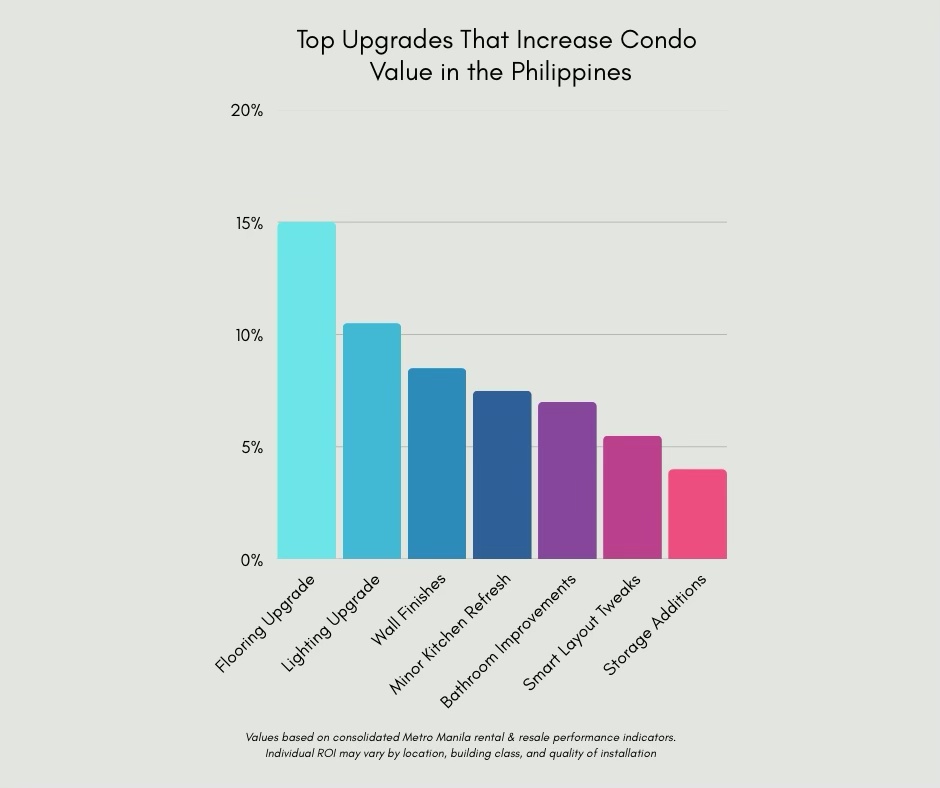
Flooring and finishes influence buyer psychology more than any other visual element in a condo. People don’t consciously analyze surfaces—they feel them. The moment a buyer steps inside, their brain begins judging texture, harmony, cleanliness, and visual flow. Fresh, modern finishes signal confidence. Outdated tiles and peeling paint raise red flags before they even check the layout.
The Value Impact
Buyers equate polished surfaces with good maintenance. Clean lines, neutral tones, and cohesive materials project “newness”—a powerful mental shortcut that makes a unit feel more trustworthy and better cared for.
According to global real estate surveys, over 70% of buyers say a property’s flooring and finishes strongly influence their perception of value—and this effect is even stronger among Metro Manila condo seekers who rely heavily on photos when shortlisting units.
Even if the layout is excellent, poor finishes quietly undermine trust—a pattern consistently observed among PH property seekers comparing units across Makati, BGC, Ortigas, and QC.
Flooring also plays an outsized role in how spacious and bright a unit appears.
- Light-toned planks brighten dim studios.
- Matte porcelain tiles bounce light and expand visual width.
- Dark, glossy tiles shrink floor area—especially in 22–30 sqm units common in Metro Manila.
Filipino buyers, especially those purchasing for long-term use or as rental investments, favor finishes that feel universal and “future-proof”—soft whites, warm neutrals, modern matte textures. These photograph exceptionally well, boosting your online listing performance and dwell time.
Investment Perspective
If you’re renting out your unit, especially in competitive districts like Makati, BGC, Ortigas, Mandaluyong, and QC, updated flooring and finishes give you an unfair advantage.
Renters want convenience. They want something that looks clean, modern, and immediately livable. Units with upgraded flooring and walls:
- Attract better-quality tenants
- Command 10%–20% higher rent
- Experience shorter vacancy periods
- Photograph dramatically better online
In the resale market, the math is just as compelling. Units with modern finishes:
- Sell 30%–50% faster
- Face fewer lowball offers
- Give sellers stronger leverage during negotiations
Upgraded flooring and finishes aren’t cosmetic—they’re strategic. They elevate your unit’s financial performance and position it strongly among competing condo renovation Philippines listings.
Choosing the Best Flooring for Philippine Condo Living
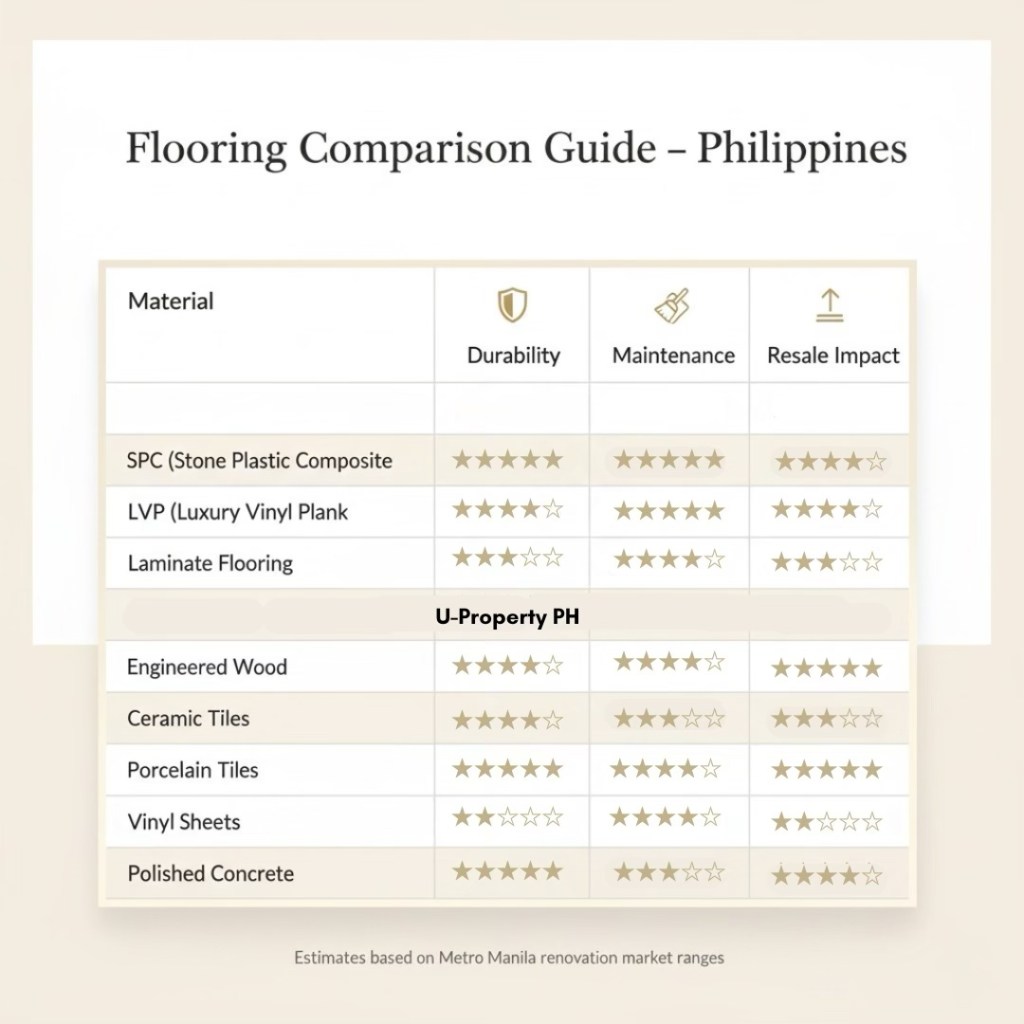
Flooring is the foundation of your condo’s entire design language. It influences brightness, perceived space, tenant satisfaction, and long-term durability in a tropical, humid country. Picking the right material isn’t just aesthetic—it’s financial strategy. Below is your complete, comparison-ready breakdown of the most effective flooring options Philippines condo owners rely on today.
Engineered Wood Flooring
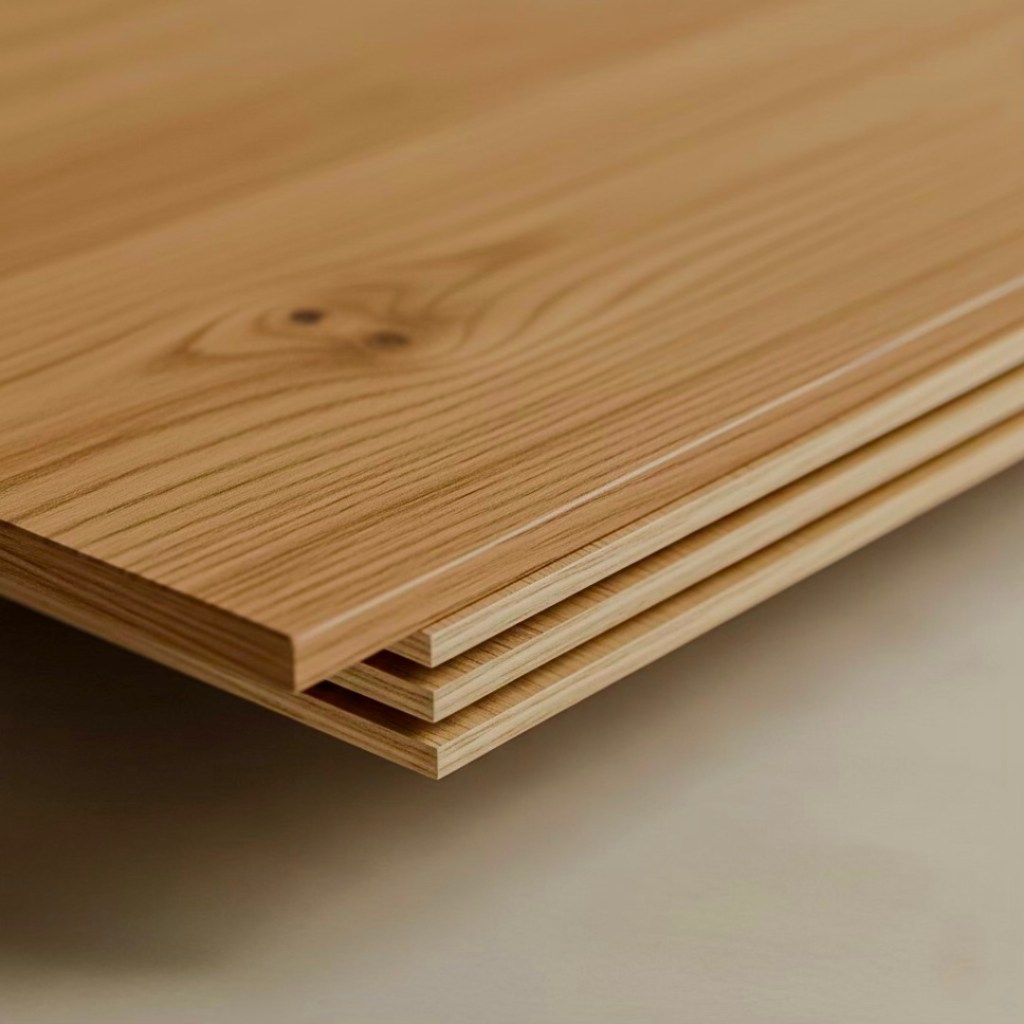
Engineered Wood
Engineered wood offers the luxury look of hardwood without the high-maintenance vulnerabilities of solid timber—crucial in the Philippines where humidity fluctuates aggressively.
Pros
- Real-wood appearance that feels premium
- More stable than solid wood; less prone to warping
- Excellent for condo upgrades for resale targeting mid- to high-end buyers
Cons
- Higher cost compared to laminate or LVP
- Sensitive to prolonged moisture exposure
- Not ideal for wet-prone areas
Moisture Considerations
Humidity in Metro Manila, Cebu, and Davao can fluctuate significantly. While more stable than solid hardwood, engineered wood still performs best in well-ventilated, climate-controlled spaces. Avoid using it in kitchens or areas near water sources.
Best For:
Mid- to high-end units in developments like Rockwell, Shangri-La, Alveo, or premium towers in BGC and Makati, where buyers expect elevated finishes. Ideal for bedrooms and living areas where comfort and visual warmth matter. Engineered wood is best if you want a premium, hotel-like look without committing to the maintenance and expansion issues of solid hardwood.
Common Mistake to Avoid:
Skipping acclimation. Engineered wood must rest 48 hours in the condo before installation to avoid expansion gaps later.
Choose engineered wood if you want a warm, luxury feel and your unit caters to higher-value renters or upscale resale buyers.
Laminate and Luxury Vinyl Plank (LVP)
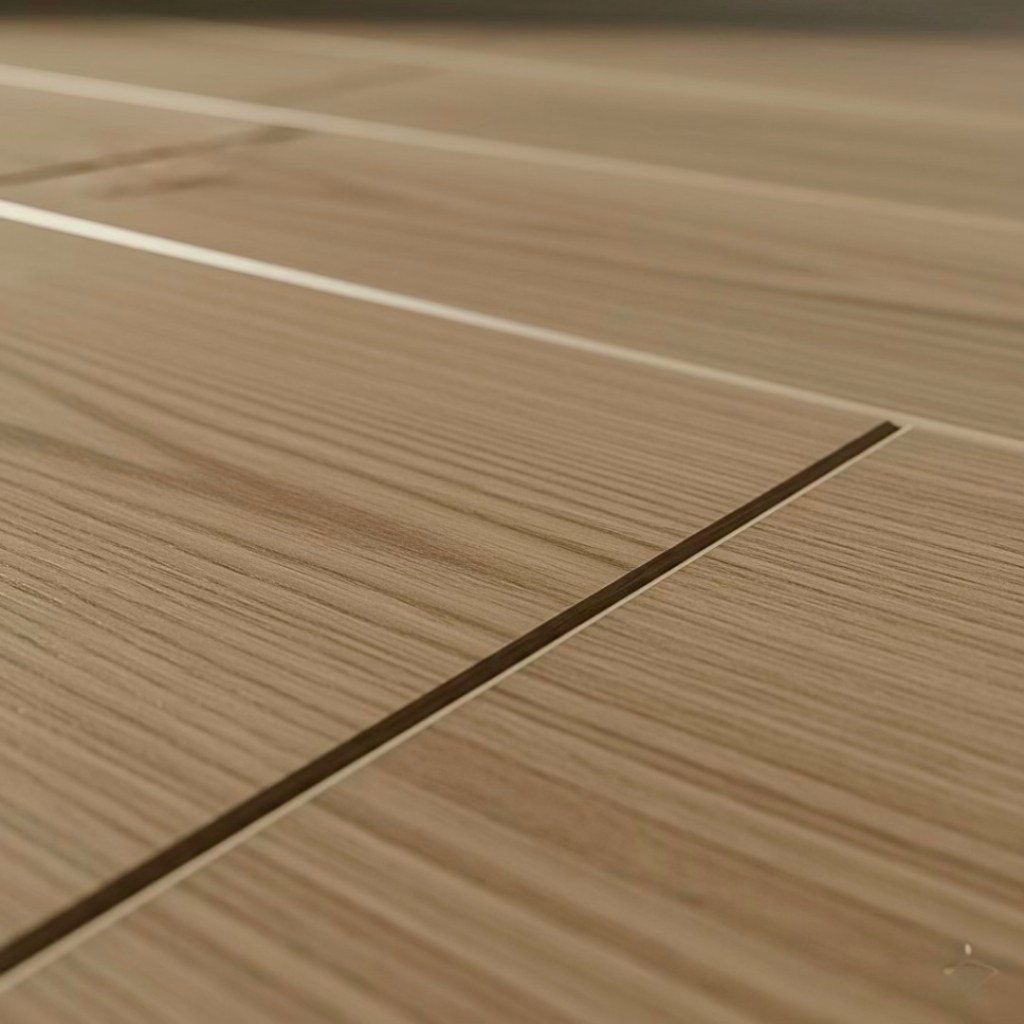
Laminate Flooring
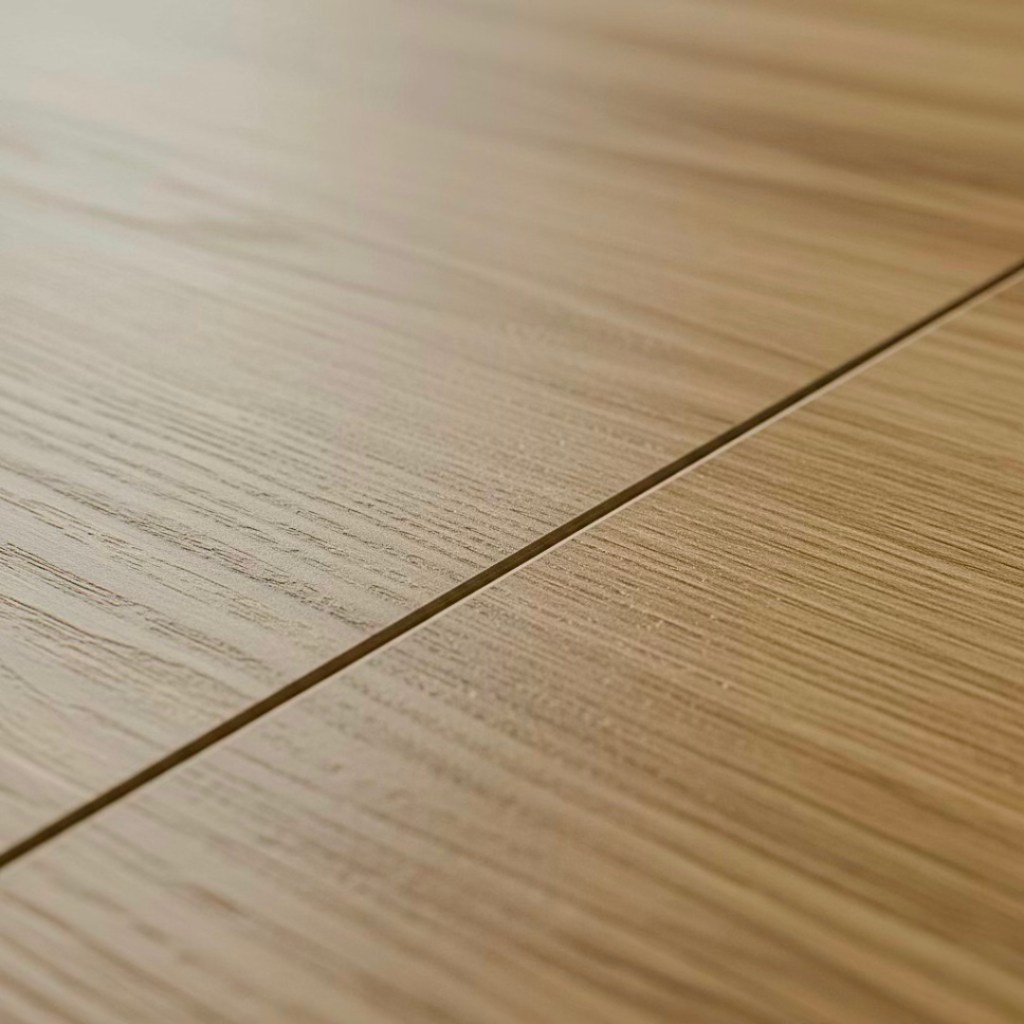
Luxury Vinyl Plank (LVPP)
Laminate and LVP remain the most popular flooring options Philippines owners choose for value, durability, and aesthetics.
Laminate Flooring is known for its durability and wide variety of finishes, but it’s less forgiving when exposed to water.
Luxury Vinyl Plank (LVP), on the other hand, is water-resistant—even waterproof in many brands—which makes it a powerhouse choice for condo owners who want long-lasting flooring that can survive Filipino weather patterns.
Advantages
- Budget-friendly yet visually appealing
- Highly durable against scratches—perfect for renters or pets
- Water-resistant options (especially LVP) thrive in humid climates
- Easy to install and replace
Humidity Suitability
LVP performs exceptionally well in indoor environments exposed to fluctuating humidity. Laminate works too, but requires better moisture control.
Best For:
Units aimed at long-term rentals, OFW investors, and young professionals. A practical choice for studios and one-bedroom condos across Mandaluyong, Quezon City, Manila, or Pasig.
Common Mistake to Avoid:
Choosing the thinnest LVP.
Go for 4.5–6.0mm for durability and better sound absorption.
Choose laminate if you prioritize cost and style; choose LVP if you want maximum durability and moisture resistance for Philippine humidity.
Tiles (Ceramic, Porcelain, Stone)
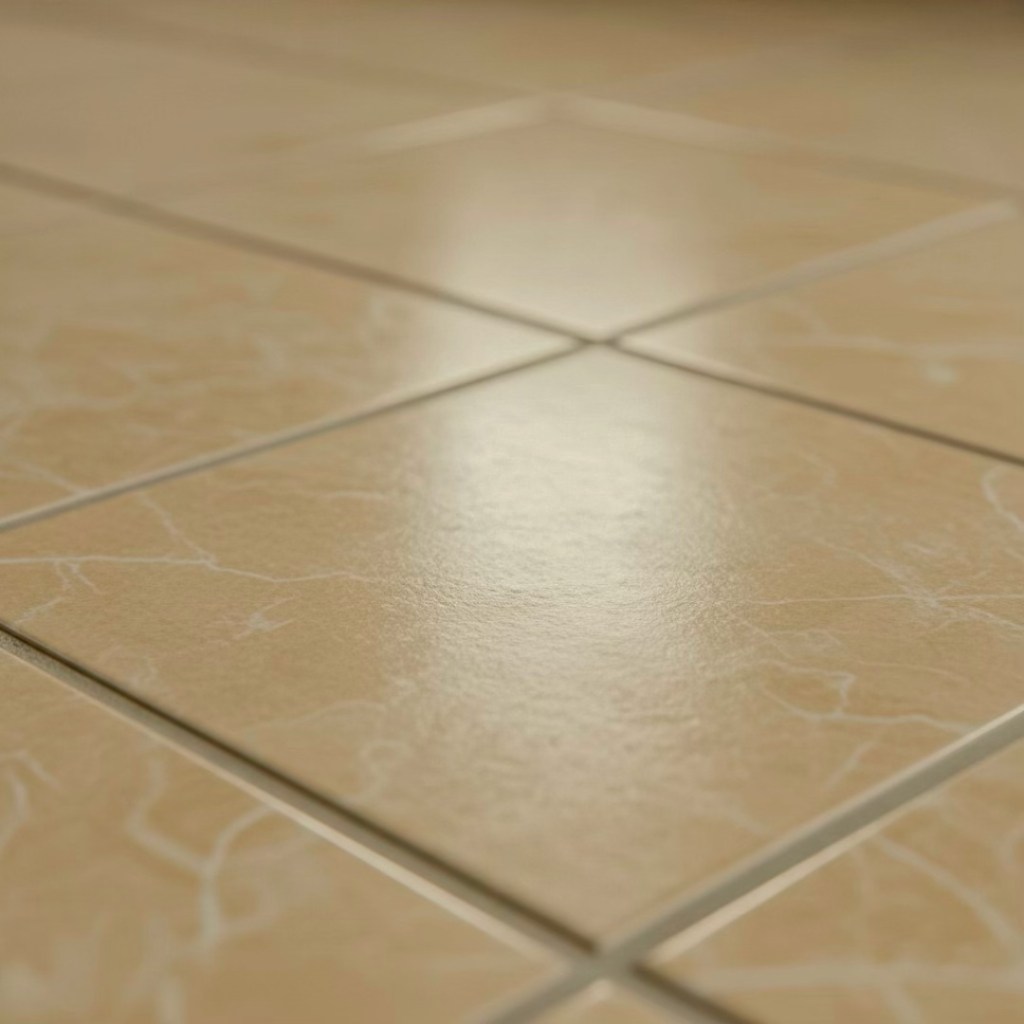
Ceramic Tile
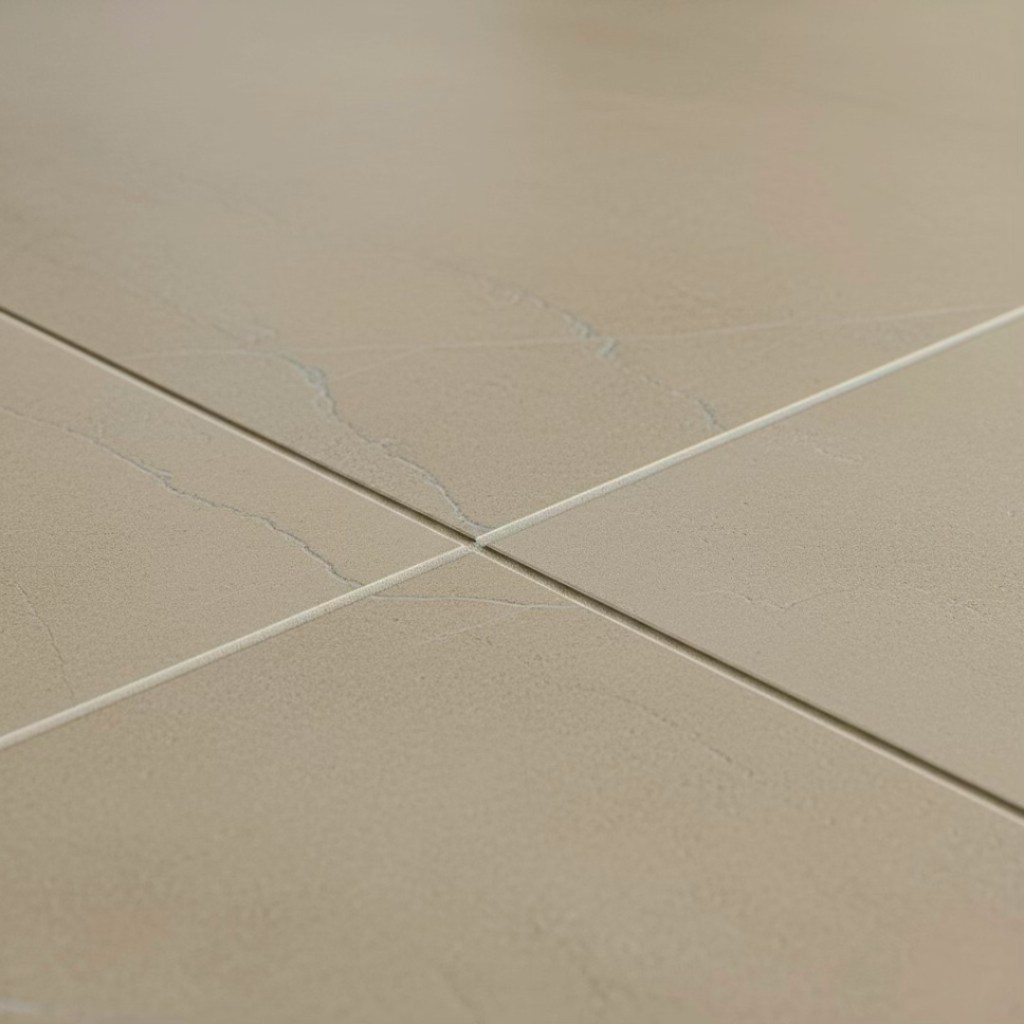
Porcelain Tile
Tiles remain one of the strongest options for Philippine condo living because they’re built for our climate—and for decades-long durability.
Why Tiles Excel in the Philippines
- Highly resistant to heat, humidity, and moisture
- Easy to clean (ideal for high-traffic units)
- Excellent for small spaces that need a reflective flooring to look bigger
Slip-Resistance & Noise Factors
- Choose matte-finish tiles for better slip resistance, especially for families or older occupants.
- Tiles can amplify noise, so consider adding area rugs or acoustic buffers in bedrooms or if your building has strict noise rules.
Advantages
- Budget-friendly yet visually appealing
- Highly durable against scratches—perfect for renters or pets
- Water-resistant options (especially LVP) thrive in humid climates
- Easy to install and replace
Porcelain vs Ceramic vs Stone
- Porcelain: Most durable; premium look; ideal for living areas.
- Ceramic: More affordable; great for kitchens and bathrooms.
- Stone (travertine, marble, granite): High-end luxury, but requires sealing and higher maintenance.
Best For:
High-traffic areas, tropical climates, minimal-maintenance units, and condos with a sleek, contemporary design aesthetic.
Common Mistake to Avoid:
Using glossy tiles in living areas.
They’re slippery and reflect harsh light, making small units feel disjointed.
Tiles are the best choice if you want long-term durability and low maintenance, especially for units with heavy foot traffic.
Budget-Friendly Flooring Alternatives
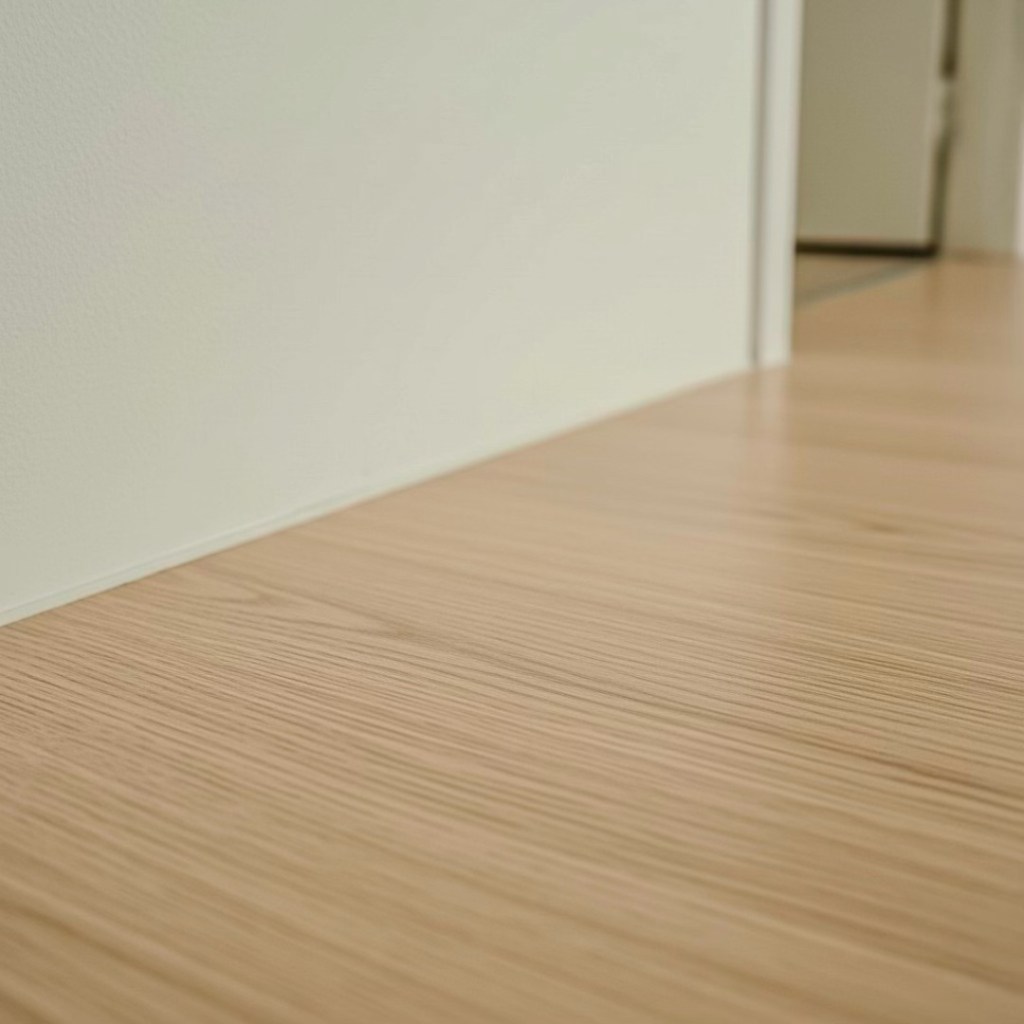
Vinyl Sheets
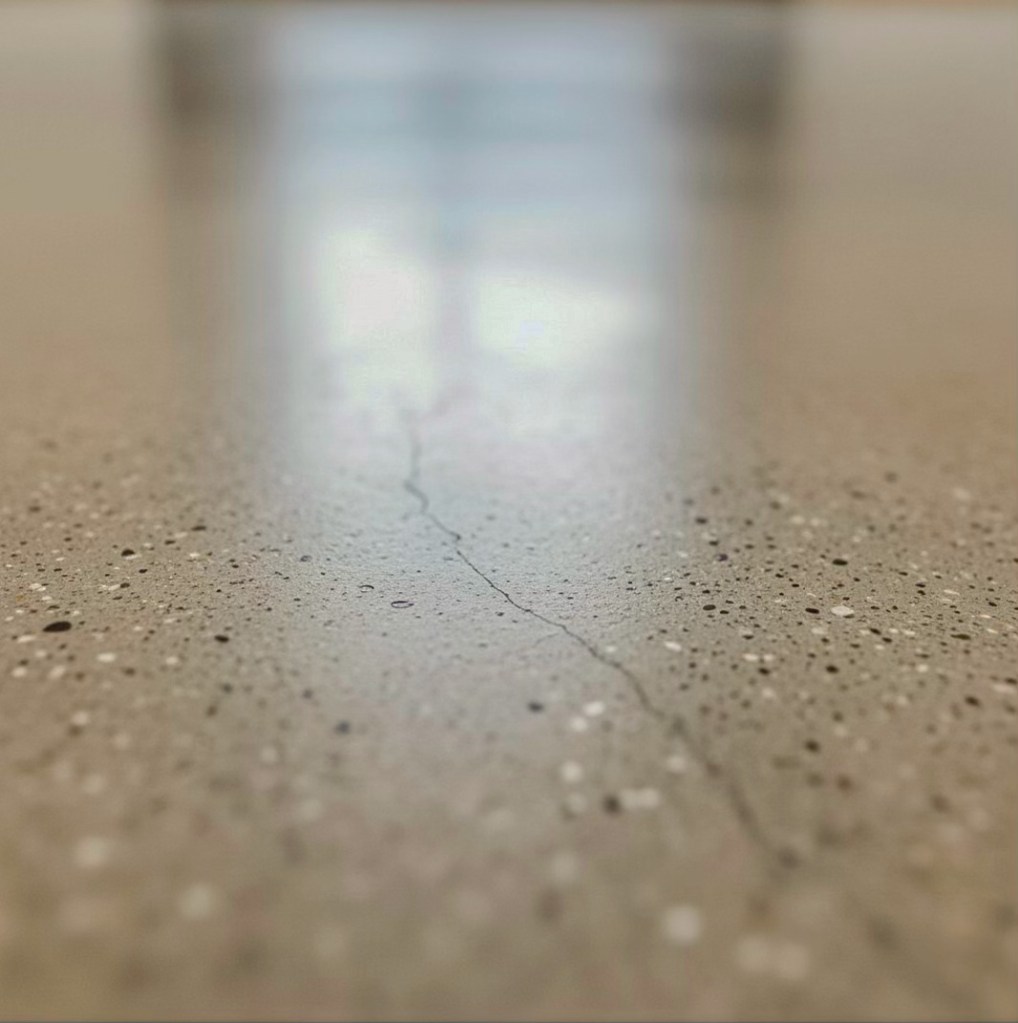
Polished Concrete
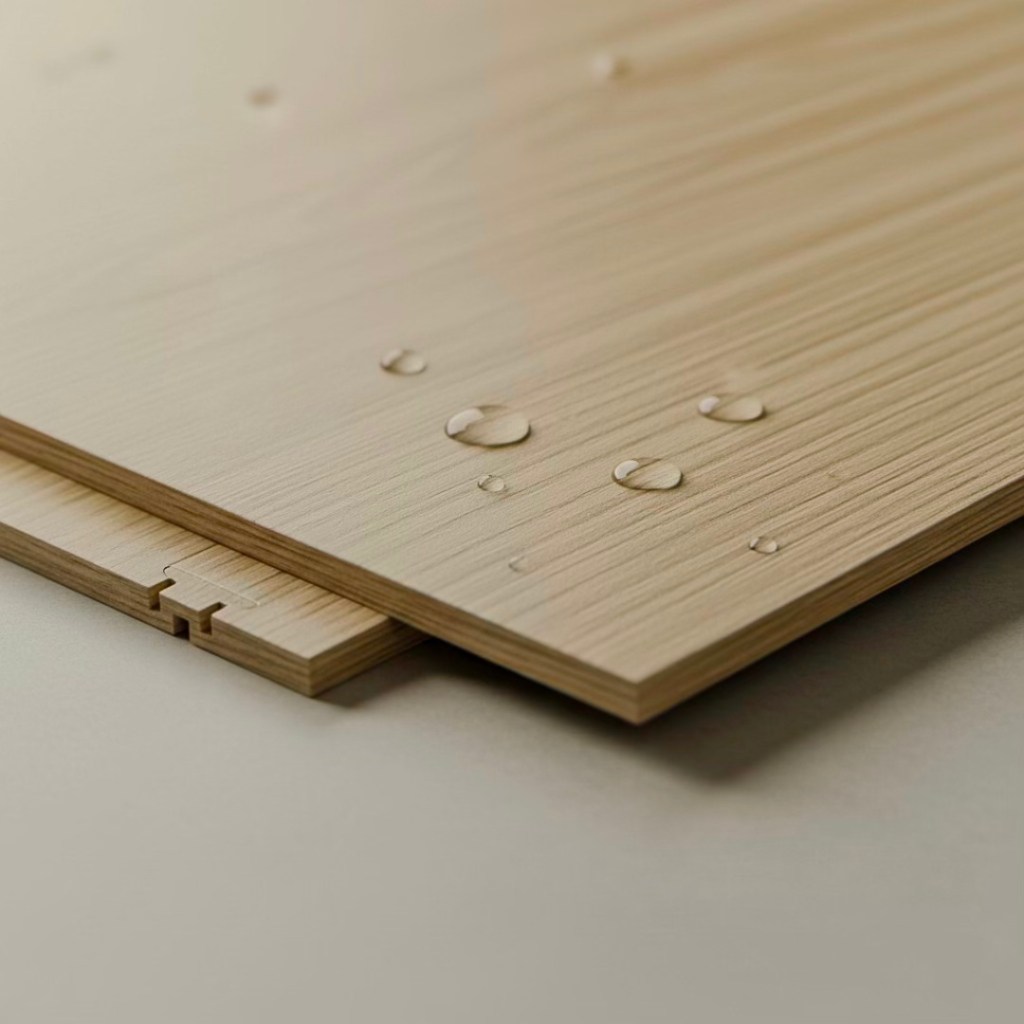
SPC (Stone Platic Composite)
Upgrading on a budget doesn’t mean sacrificing style. Several alternatives deliver strong ROI without stretching your renovation costs.
Vinyl Sheets
- Cheapest flooring upgrade
- Water-resistant and available in modern patterns
- Works well for rentals but must be installed perfectly to avoid curling edges
Polished Concrete
- Industrial-modern look
- Extremely durable
- Ideal for loft-style units or condos targeting a younger market
SPC (Stone Plastic Composite)
- Waterproof, scratch-resistant, and more rigid than standard LVP
- Very stable in humidity
- A rising favorite in PH renovations due to longevity and value
Which Options Maximize ROI?
- LVP and SPC offer the strongest balance of cost, durability, and premium aesthetic.
- Vinyl sheets provide unbeatable affordability for rental-focused units.
- Concrete finishes excel in stylish, minimalist-themed spaces that appeal to creative professionals or BGC/Makati renters.
Common Mistake to Avoid:
Choosing thin SPC without a quality underlay.
Cheap SPC sounds hollow and feels plasticky underfoot.
Vinyl sheets deliver the lowest upfront cost, SPC delivers the best long-term durability, and polished concrete delivers the strongest designer aesthetic.
Choosing your flooring isn’t just a design decision—it’s a financial strategy. The right material enhances your condo’s durability, boosts buyer appeal, and positions your unit competitively in the Philippine property market.
Upgrading Wall Finishes for a Modern, Cohesive Look
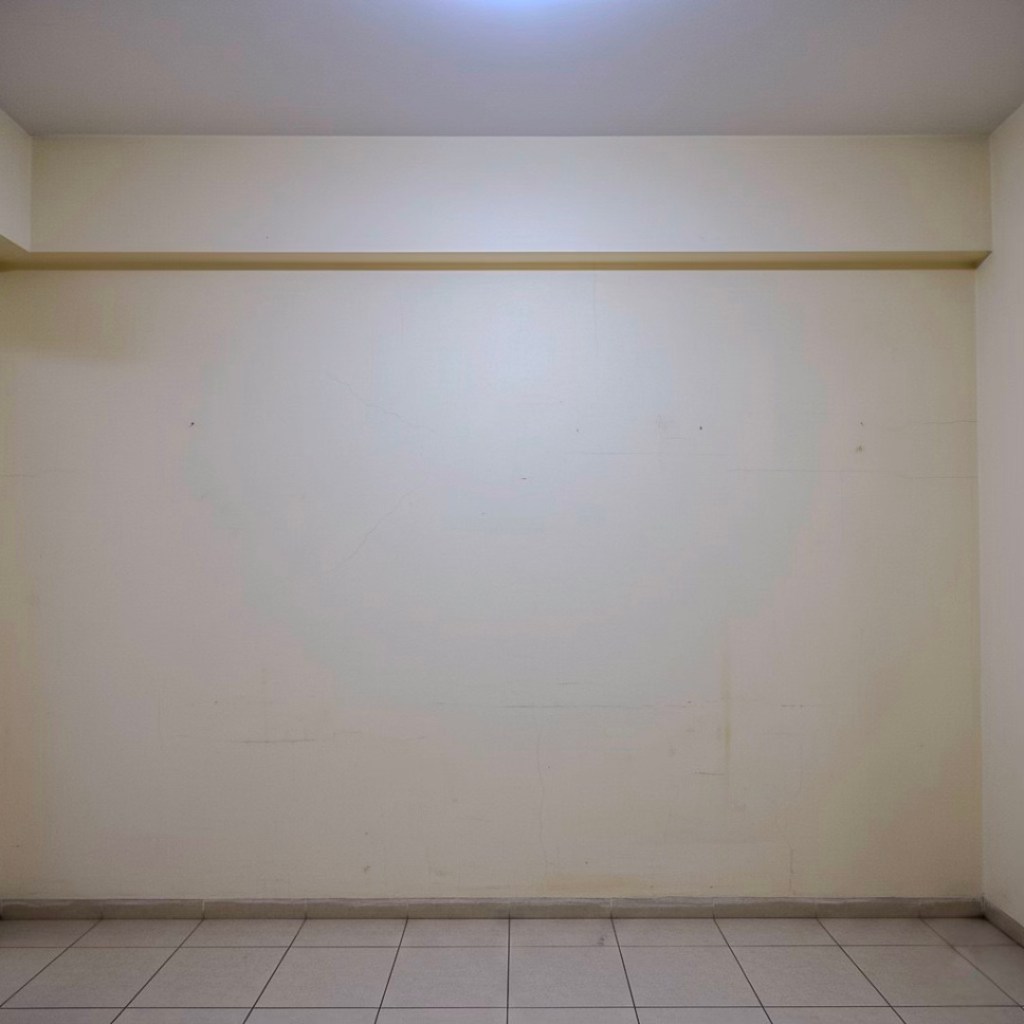
Wall Before Upgrade
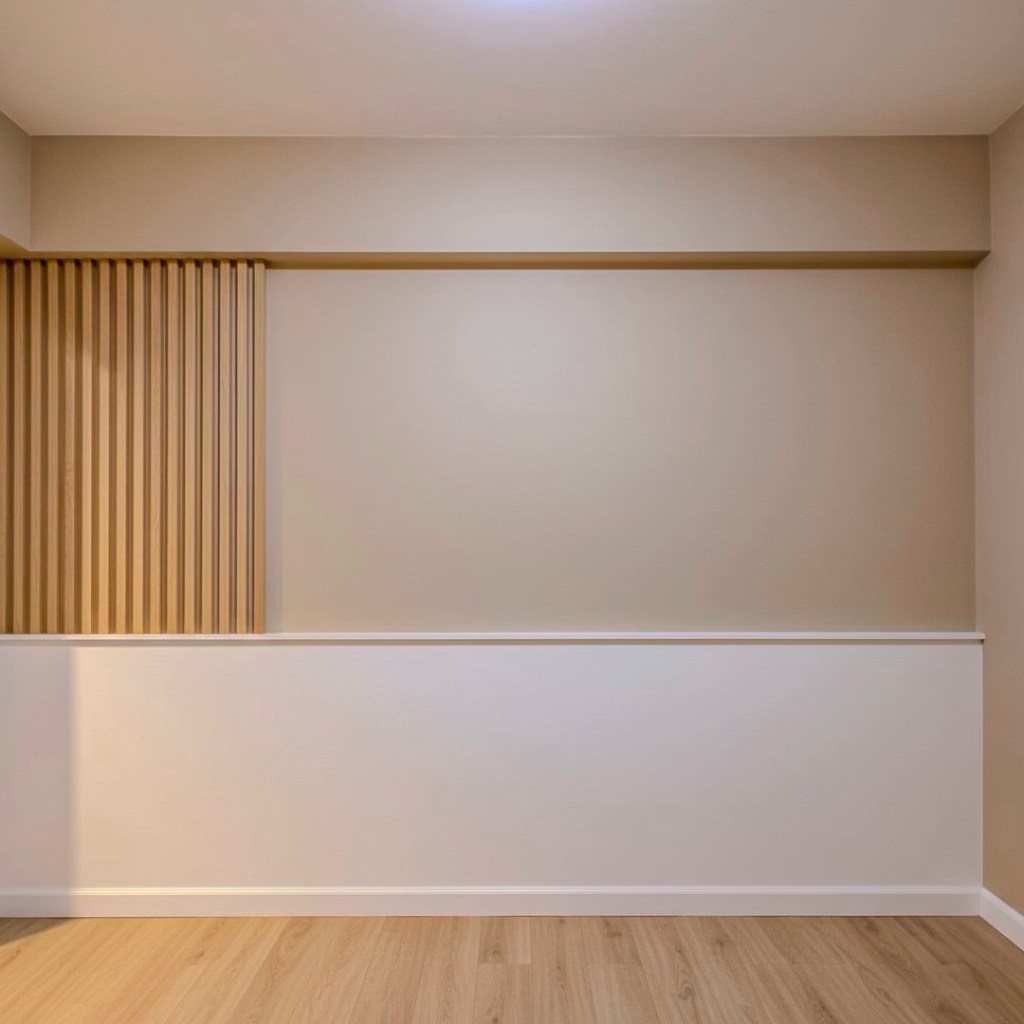
Wall After Upgrade
Walls cover more visual real estate than any furniture piece or décor item you’ll ever buy. That’s why upgrading them is one of the fastest, highest-impact ways to make a condo feel modern, spacious, and premium. Whether your goal is resale, rental yield, or personal refinement, wall finishes anchor the entire design narrative of your home.
Premium Paint Options
Paint remains the most affordable, most transformative upgrade—and a core element in many condo renovation Philippines projects.
Neutral vs. Accent Walls
Neutral tones (warm whites, beiges, taupes, light greys) dominate buyer preferences in the Philippines because
- they make small condos feel bigger,
- they photograph well for online listings, and
- they create a “blank slate” that appeals to more buyers.
Accent walls, on the other hand, deliver character without overwhelming the space. A single wall in deep navy, emerald, or charcoal can create a focal point that elevates the entire room. The key is restraint—one bold wall paired with neutrals keeps the unit feeling spacious and refined.
Paint Sheen Levels
Most condo owners misunderstand sheen levels. Here’s the quick rule:
- Matte → Best for living areas; hides imperfections; gives a soft, upscale finish
- Eggshell → Subtle sheen; durable; great for rentals
- Satin → Slight shine; easy to clean; good for kitchens
- Semi-Gloss/Gloss → Avoid on large walls; highlights flaws harshly
Adding the right sheen is a powerful condo interior design tips PH technique that elevates perceived quality instantly.
Humidity-Resistant Paints for the PH Climate
With our tropical weather, humidity-resistant and anti-mold paints aren’t optional—they’re essential. Quality brands offer moisture-proof and antibacterial variants designed specifically for condos in areas with poor ventilation. These paints protect against peeling, mildew spots, and discoloration—issues that instantly turn off buyers and long-term renters.
Wallpaper & Wall Coverings
Wallpaper has made a strong comeback in urban condominium design, thanks to new materials that are stylish, durable, and easier to maintain.
When to Use Wallpaper
Use wallpaper to create a high-impact feature wall in:
- bedrooms (textured linens or soft neutrals),
- living rooms (subtle geometric patterns),
- dining nooks (light wood or stone textures).
It’s perfect when you want depth and personality without committing to bold paint colors.
Cost & Maintenance
Prices range widely—from PHP 300 to 2,000 per meter depending on brand, thickness, and texture. Premium options have better humidity resistance, making them suitable even for Philippine condos where air circulation isn’t always ideal.
Maintenance is minimal: occasional dusting and gentle wiping. Avoid placing wallpaper in kitchens or bathrooms where heat and moisture are constant.
In Philippine humidity, high-quality vinyl wallpapers typically last 5–8 years, while cheaper paper-based options may start peeling within 1–3 years if airflow is poor.
Paneling, Mouldings, and Textured Walls
For owners who want a designer look without a complete renovation, paneling and mouldings deliver a dramatic visual upgrade that instantly raises perceived value.
Modern, Condo-Friendly Designs
Slim vertical slats, half-wall wainscoting, minimalist box mouldings, and fluted panels are dominating condo makeovers in Metro Manila. These finishes add depth and sophistication without consuming valuable floor space. They pair beautifully with warm woods, matte neutrals, and contemporary lighting fixtures.
Space-Enhancing Techniques
- Vertical slats make low ceilings appear higher.
- Horizontal panels create the illusion of a wider room.
- Light-colored textured walls soften harsh lighting and reduce glare in compact spaces.
- Mirrored or glossy panels can amplify natural light, perfect for units with small windows.
Paneling also hides imperfections—uneven walls, hairline cracks, or sloppy old paint—saving you time and money on repairs.
Walls are more than just backdrops. The right finish turns them into strategic design assets—highlighting your condo’s best features, correcting its limitations, and creating a polished look that resonates with today’s discerning Philippine buyers and renters.
Philippine-Specific Considerations
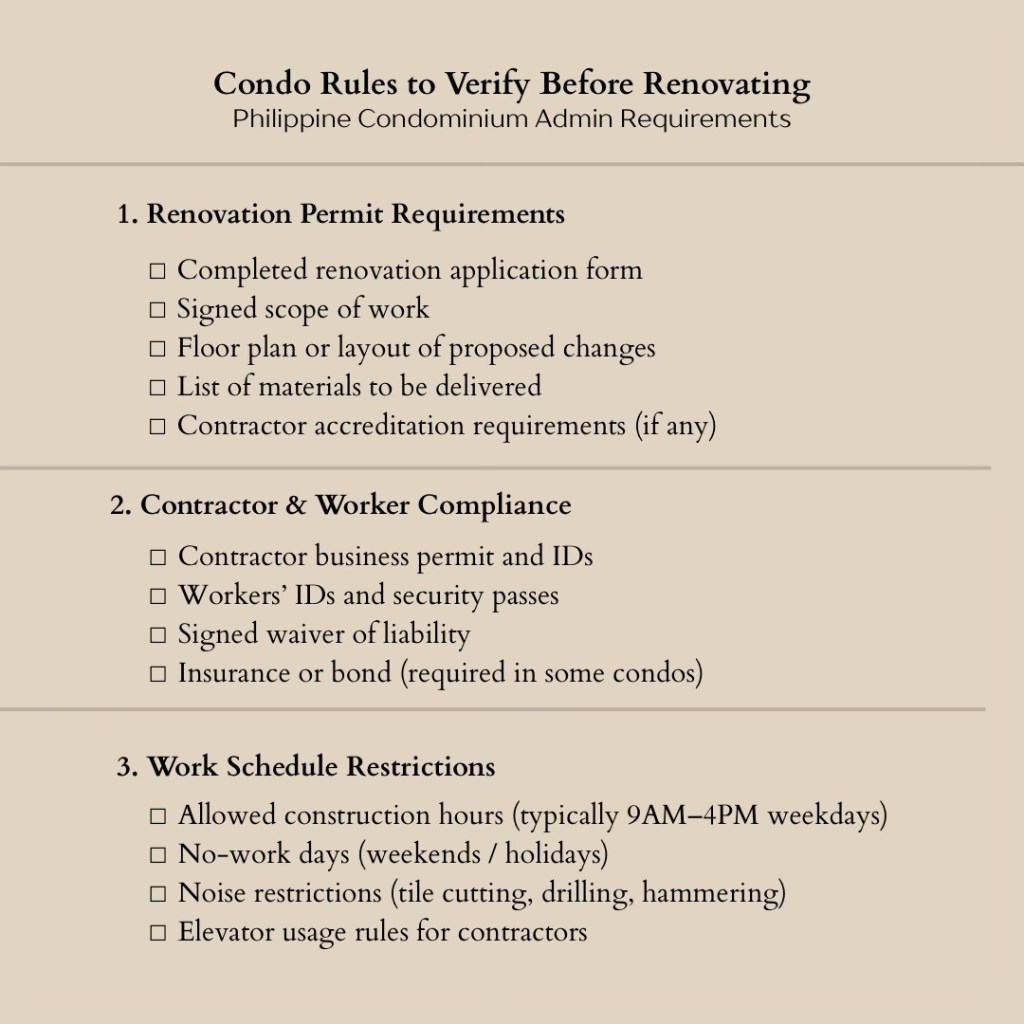
First Page Checklist
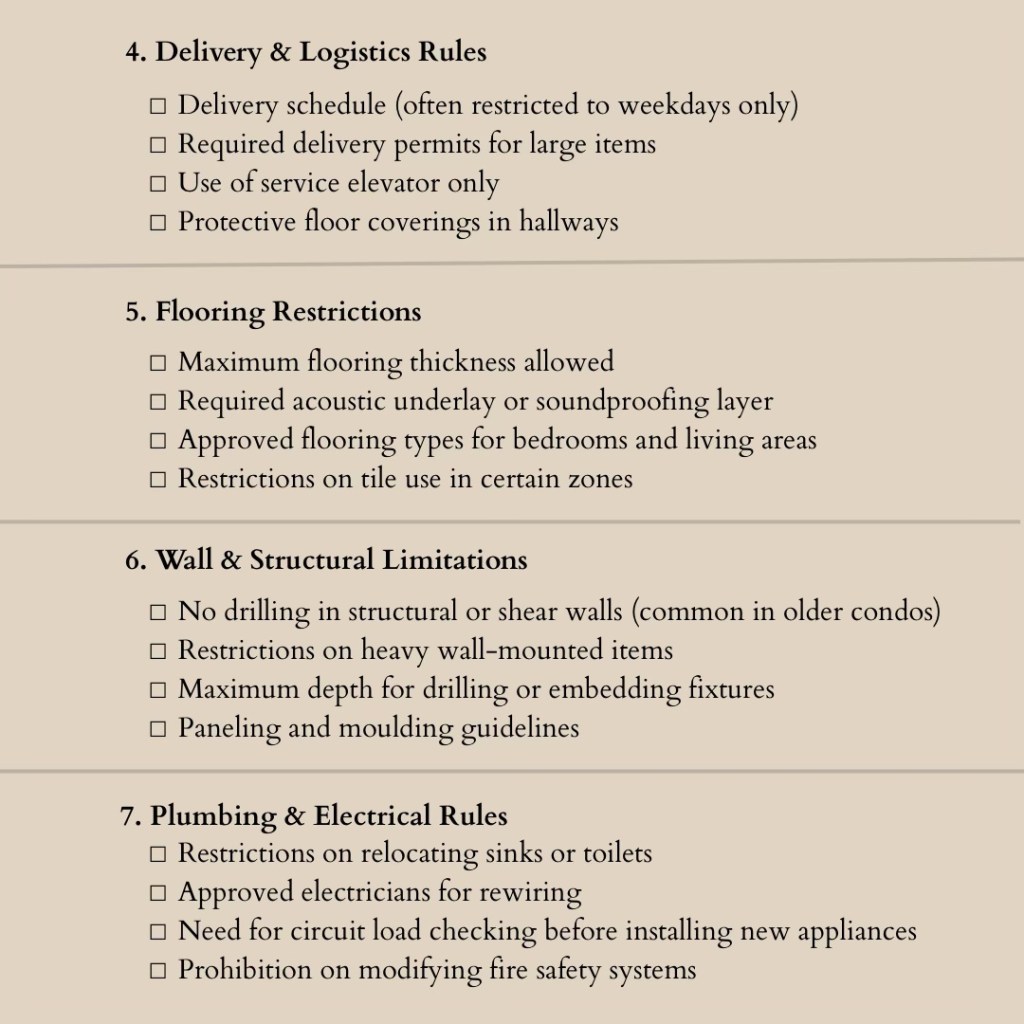
Second Page Checklist
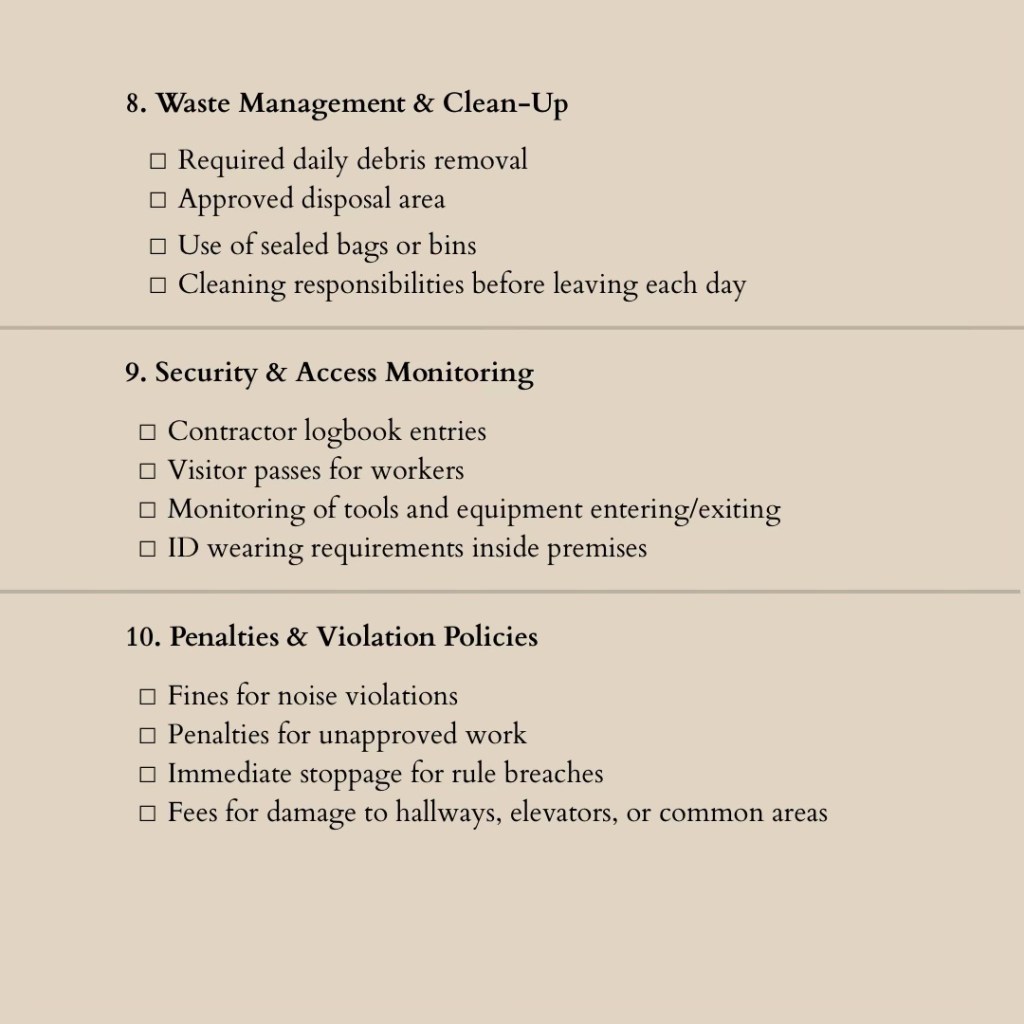
Last Page Checklist
Upgrading a condo in the Philippines requires more than great design intuition. Our climate, building policies, labor dynamics, and seismic environment introduce variables that owners must understand before choosing materials or hiring contractors. These considerations protect your investment—ensuring your upgrades last, comply with rules, and appeal to buyers who closely evaluate long-term durability.
Humidity, Moisture, and Flood Risk
The Philippines is humid year-round, with temperatures and moisture levels swinging dramatically between dry and rainy seasons. This climate is unforgiving to low-quality finishes.
Materials That Warp or Fail in PH Weather
- Solid hardwood swells and cups with moisture.
- Cheap laminates bubble when exposed to humidity or minor spills.
- Low-grade wallpaper peels within months of installation.
- Unsealed grout stains easily, especially during rainy months.
These issues aren’t cosmetic—they hint at deeper maintenance problems that scare away buyers and long-term renters.
Mold-Resistant Selections That Perform Better
- LVP and SPC flooring (near-zero water absorption)
- Humidity-resistant paints with anti-fungal properties
- Porcelain tiles (denser and less porous than ceramic)
- Vinyl wallpapers designed for tropical climates
Earthquake-Safe Installation
Because the Philippines sits in a seismic zone, ensure paneling and large-format tiles comply with your building’s earthquake guidelines—many condos require flexible adhesives or additional mounting support to prevent detachment during tremors.
Investing in these materials protects your unit from the musty odors and discoloration that develop in poorly ventilated condos—common in buildings with no cross-breeze or units facing enclosed courtyards.
Condo Association Rules
Every condominium in the Philippines has its own playbook—and violating those rules can halt your renovation instantly. Before choosing materials or hiring a contractor, you must understand your building’s renovation guidelines.
Noise Restrictions
Condo admin offices typically limit noisy work (tile cutting, drilling, panel installation) to specific hours—usually between 9 AM and 4 PM on weekdays. Failure to follow this schedule can result in fines or work stoppage.
Flooring Thickness Requirements
Many condos—especially mid-rise developments and older buildings—enforce strict rules on flooring thickness to maintain acoustic separation between units.
Common restrictions include:
- Maximum flooring thickness (to prevent uneven slab loads)
- Mandatory use of acoustic underlay for vinyl or laminate
- Ban on certain tile types in bedrooms due to sound transfer
Ignoring these requirements can lead to forced reinstallation at your expense.
Structural Drilling Restrictions
Older condos sometimes prohibit drilling into structural walls or columns entirely.
Always confirm which walls are load-bearing before planning paneling, shelving, or large mounted installations.
Contractor Schedules & Permits
Condo associations often require:
- Contractor accreditation
- Submission of IDs, business permits, and liability waivers
- Daily work logs
- Delivery schedules for materials (no weekend deliveries in many buildings)
Skipping these steps leads to delays—and delays mean extended labor costs.
Maintenance & Local Labor
Your upgrade’s success depends heavily on the skills of the people who install your materials. In the Philippines, labor quality varies between cities, and so do prices.
Cost Differences Across Metro Manila
- Makati & BGC: Highest labor costs due to skilled professionals and stricter building standards. Expect to pay premium rates for tile installation, paneling, or carpentry.
- Quezon City & Manila: Moderate pricing with plenty of seasoned contractors familiar with older condos and budget-friendly renovations.
- Mandaluyong & Pasig: Competitive rates with good availability of flooring installers and painters, especially near Ortigas and Shaw.
How to Hire Reliable PH Contractors
- Ask your condo’s admin for accredited contractors—they’re vetted for compliance.
- Check recent work portfolios, not just photos from years ago.
- Request detailed quotes with line-item pricing for materials, labor, and cleanup.
- Avoid “per-day” rates; choose per-square-meter pricing for flooring and wall finishes.
- Read reviews from local Facebook groups (Home Buddies, Metro Manila Renovation Groups).
- Require a written timeline and penalty clauses for delays.
Upgrading for the Philippine market means thinking beyond style. You’re designing for climate, liveability, and long-term durability—while navigating building rules and local labor dynamics. When you choose the right materials and partner with reliable contractors, you create a unit that stands out, performs better, and holds its value longer.
Designing for Cohesion
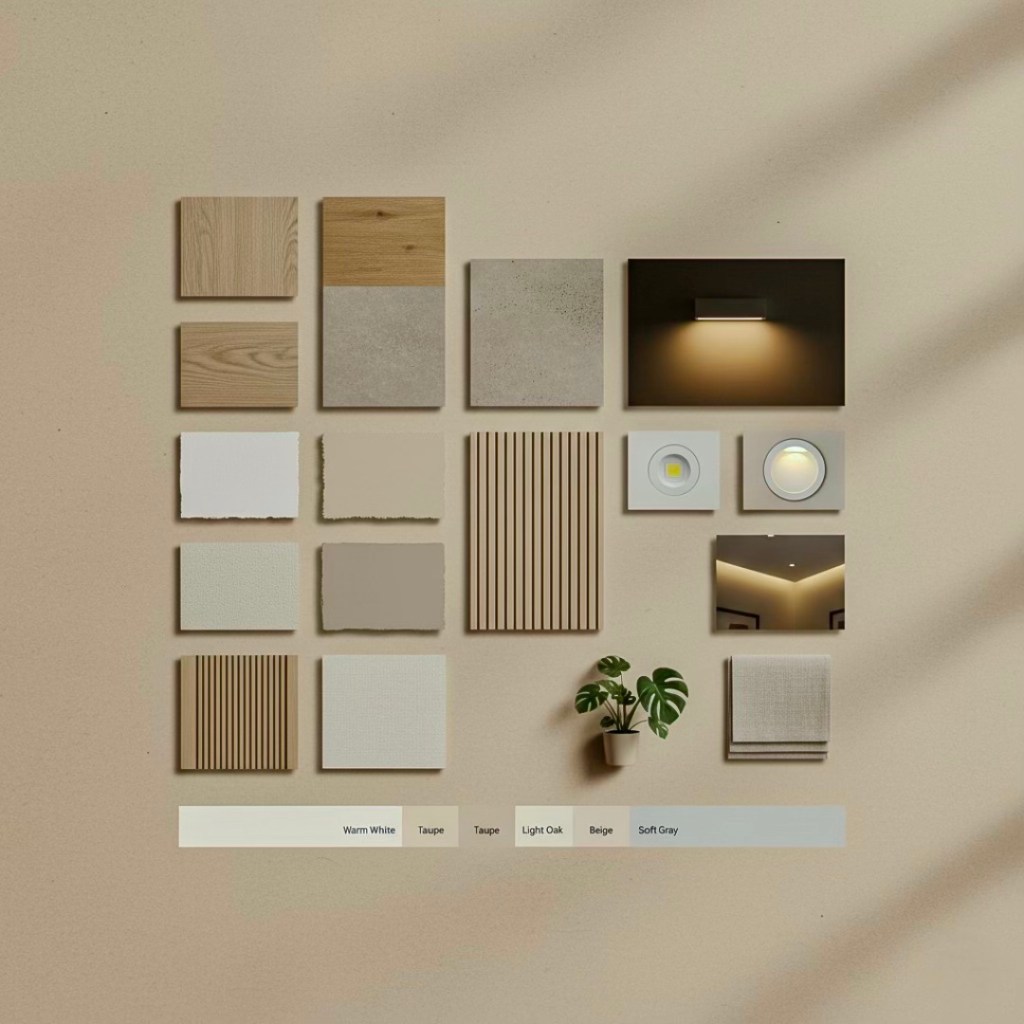
Mood Board
Cohesion is the invisible force that makes a condo feel expensive, spacious, and thoughtfully designed. Even without luxury materials, a unified look dramatically elevates your unit’s perceived value. When flooring, walls, lighting, and layout harmonize, the space feels intentional—a hallmark of premium, move-in ready condo units.
Matching Flooring + Wall Finishes
The relationship between your floors and walls dictates the overall character of your condo. Get this pairing right, and your unit feels professionally designed. When flooring and wall colors flow effortlessly, the space feels calmer, cleaner, and visually uninterrupted—almost as if the room ‘breathes’ better. Get it wrong, and even high-quality materials can clash visually.
Contrast vs. Monochrome
Contrast is powerful when used with purpose. Light flooring paired with deeper, moody walls creates drama. Dark flooring with crisp white walls feels modern and architectural. The key is balance—contrast works best when one element is dominant and the other plays supporting role.
Monochrome schemes, on the other hand, create a seamless, calming flow perfect for small condos. Matching warm neutrals on both floors and walls makes the unit feel larger because your eye moves through the space without interruption.
Warm vs. Cool Elements
Warm wood-look planks pair effortlessly with taupe, beige, and creamy white walls—tones commonly preferred by Filipino buyers.
Cool-toned tiles work best with gray, icy white, or stone-textured paint for a sleek, contemporary aesthetic.
Mixing warm flooring with cool walls (or vice versa) can be done, but requires thoughtful lighting to maintain harmony.
Choose flooring and finishes that create clean sightlines, diffused light, and soft transitionsbetween areas—these effects make even 22–30 sqm condos feel airier and more luxurious.
Lighting Compatibility
Lighting is the invisible hand that ties your finishes together. A well-lit condo makes upgraded materials shine; poor lighting washes out color, texture, and depth. Good lighting should create clean sightlines and diffused light that softens shadows, making upgraded finishes feel more intentional and upscale.
Warm Light with Wood Tones
If your flooring leans warm—oak, walnut, honey, or chestnut—use warm lighting (2700K–3000K). It highlights natural textures, softens shadows, and enhances the inviting feel that buyers love in living rooms and bedrooms.
Cool Light with Modern Tiles
For minimalist interiors using porcelain or stone-look tiles, cool or neutral white light (4000K–5000K) amplifies the sleekness of the finish. It works beautifully in kitchens, dining areas, and modern one-bedroom units targeting young professionals.
Lighting also becomes your tool to correct imperfections:
- Downlights can elongate a short hallway.
- Cove lighting can soften hard surfaces.
- Wall washers highlight textured panels or accent walls.
Smart lighting choices elevate even budget finishes.
Condo Size Optimization
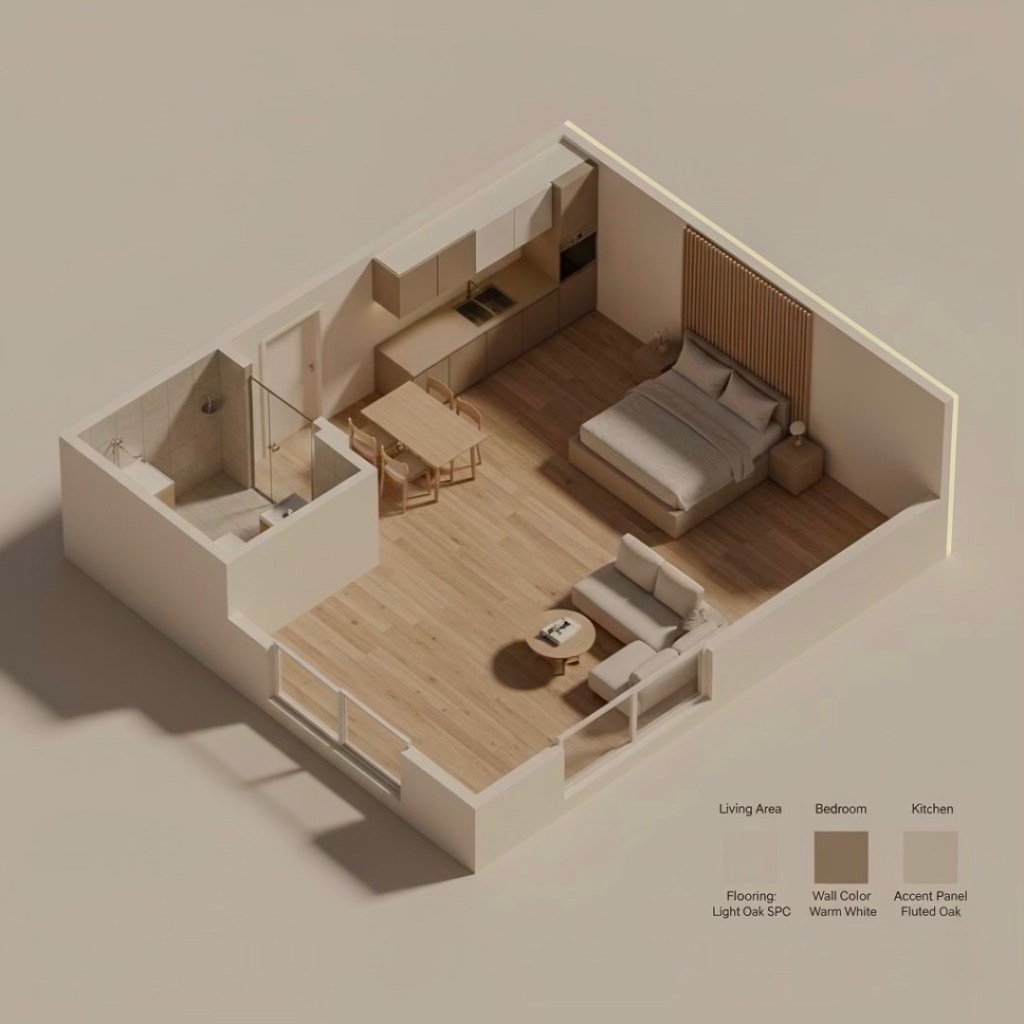
3D layout mockup: Cohesive color plan
In Metro Manila, many condos sit between 22 and 40 sqm—but with the right design tricks, they don’t have to feel that small. For example, a 28 sqm studio in QC can feel significantly larger by using light oak SPC flooring, warm-white paint, and floor-to-ceiling curtains that stretch the room vertically.Strategic cohesion can visually stretch a compact unit.
Visual Tricks to Enlarge Small Studios
- Light-toned flooring instantly opens up tight spaces and reflects natural light.
- Floor-to-ceiling curtains create vertical height, especially in units with low ceilings.
- Large-format tiles reduce grout lines and make the floor look wider.
- Accent walls on the shorter side of a rectangular room correct narrow layouts.
- Mirrored panels placed opposite windows double the feeling of space and brightness.
- Continuous flooring throughout creates a seamless flow—no visual “breaks” that shrink the room.
Example Layout: 28 sqm QC Studio
Imagine a 28 sqm studio in Quezon City with limited natural light:
- Install warm beige SPC flooring for bright, unified sightlines.
- Paint walls in soft warm white for maximum diffusion.
- Add a subtle fluted panel in the living area to create texture without crowding.
- Use warm LED strip lighting along ceiling edges to soften shadows.
- Keep furniture low-profile to avoid breaking vertical flow.
The result?
A small space that feels bigger, calmer, and more premium—a layout that buyers perceive as thoughtfully designed and renters view as “hotel-like.”
When flooring, finishes, and lighting work together, your condo becomes more than just a renovated unit—it becomes an experience. The best finishes for condos PH combine durability, humidity resistance, and cohesive color palettes that look great in listing photos.
Budget Planning & ROI for Condo Upgrades
Upgrading a condo is not just a design decision—it’s a financial strategy. The right materials, installed at the right cost, can dramatically increase your unit’s rental yield and resale value. Overspend, and you lose margins. Under-invest, and your condo blends in with the dozens of uninspired listings renters scroll past every day. Budgeting wisely is what separates cosmetic upgrades from income-boosting renovations.
Cost Ranges (Local Estimates)
Every flooring material comes with its own price bracket, and knowing these ranges helps you plan a renovation that matches your goals. These figures are among the most frequently searched condo renovation cost Philippines per sqm benchmarks, helping owners set realistic expectations before requesting quotations.
Flooring Options (Estimated Philippine Market Rates)
- Vinyl Plank / LVP: ₱450–₱1,200 per sqm
- SPC Flooring: ₱800–₱1,500 per sqm
- Laminate Flooring: ₱600–₱1,400 per sqm
- Engineered Wood: ₱2,000–₱5,000 per sqm
- Ceramic Tiles: ₱350–₱900 per sqm
- Porcelain Tiles: ₱900–₱2,500 per sqm
- Natural Stone: ₱2,500–₱6,000+ per sqm
Labor Cost Per Square Meter
Labor pricing varies widely across Metro Manila and depends on building rules, contractor accreditation, and schedule flexibility:
- Flooring Installation (Vinyl/Laminate): ₱150–₱300 per sqm
- Tile Installation: ₱500–₱900 per sqm (higher for large-format tiles)
- Painting: ₱60–₱150 per sqm (add cost if scaffolding or repairs are needed)
- Paneling/Wainscoting: ₱400–₱1,200 per sqm
Understanding the average flooring cost per sqm Philippines helps you plan a more accurate renovation budget before requesting contractor quotes.
ROI Expected
Strategic upgrades aren’t expenses—they’re investment accelerators. In the Philippine condo market, modern finishes consistently translate to better performance across both rentals and resales.
Rental Premiums (Metro Manila)
Units with upgraded flooring and finishes frequently command:
- 10%–20% higher rental rates, especially in competitive districts like Makati, BGC, Ortigas, and Mandaluyong.
A condo that rents for ₱25,000 can jump to ₱28,000–₱32,000 simply because it looks newer and more premium.
Lower Vacancy = Higher Annual Yield
A move-in-ready unit often gets leased:
- 2–4 weeks faster than an outdated one
That reduction in vacancy alone can pay for a portion of your renovation costs.
Faster Sales Cycles
Buyers overwhelmingly prefer units that don’t require repairs or “makeovers.” A refreshed space can:
- Sell 30%–50% faster than an unrenovated comparable unit
- Reduce buyer negotiation
- Strengthen your ability to maintain asking price
Upgrading LVP flooring often yields a higher ROI than upgrading appliances because flooring affects every photo, every viewing, and the overall perception of space—while appliances are viewed as replaceable.
These are the condo upgrades for resale that consistently deliver stronger offers and faster sales cycles.
How to Set a Realistic Budget
Avoid overspending—and under-upgrading—by aligning your materials with your building profile and market segment.
Anchor on Market Positioning
Base your budget on:
- Your condo’s current market value
- Your building’s tenant or buyer profile
- The competition in your area
Upgrading a mid-market studio with luxury stone tiles makes no sense if nearby units use vinyl planks. You won’t recoup the cost because the market isn’t willing to pay for it.
Avoid Overspending Based on Building Profile
If your building is mid-value but located in a premium area, match the benchmark—not the aspiration.
- Premium towers (Rockwell, Shangri-La, Proscenium): Engineered wood, porcelain tiles, paneling
- Mid-market buildings (SMDC, Vista, Avida): LVP, SPC, modern paint, minimal paneling
- Older buildings: Improvements should focus on fresh paint, durable flooring, and updated lighting
When your upgrades align with buyer expectations and building standards, you maximize return and minimize unnecessary costs.
Budgeting for condo improvements is about smart allocation. Every peso should work toward increasing your unit’s desirability, rentability, and resale potential. With the right strategy, your upgrade doesn’t just refresh your space—it grows your investment.
Cost vs. Value Uplift (Philippine Condo Renovations)
| Upgrade Type | Estimated Cost (₱) | Difficulty Level | Value Uplift (Rental or Resale) | Best Use Scenario |
|---|---|---|---|---|
| SPC / LVP Flooring Replacement | ₱18,000–₱45,000 (for 20–30 sqm) | Moderate | 10%–20% higher rent; major resale appeal | Rentals, small studios, mid-market units |
| Neutral Repainting (Whole Unit) | ₱12,000–₱25,000 | Easy | 5%–12% uplift; faster inquiries | All condos; fastest ROI |
| Porcelain Tile Upgrade (Kitchen/Living) | ₱20,000–₱60,000+ | Moderate | 8%–15% uplift; premium buyer appeal | High-end or resale-focused units |
| Accent Wall / Fluted Panel Installation | ₱8,000–₱20,000 | Easy | 4%–8% uplift; stronger emotional impact | Small condos that need a “wow factor” |
| Lighting Upgrade (Warm LEDs, Cove Lights) | ₱7,000–₱25,000 | Easy | 6%–15% uplift; better perceived size | Units needing brightness + photo appeal |
| Bathroom Refresh (Fixtures, Mirror, Paint) | ₱10,000–₱30,000 | Easy–Moderate | 4%–10% uplift; modern look | Older condos with outdated bathrooms |
| Kitchen Refresh (Hardware, Backsplash) | ₱8,000–₱25,000 | Easy | 5%–10% uplift | Great for mid-market rentals |
| Storage Additions (Shelves, Built-ins) | ₱6,000–₱20,000 | Easy | 2%–6% uplift | Small spaces, studio units |
Step-by-Step Guide to Renovating Your Condo
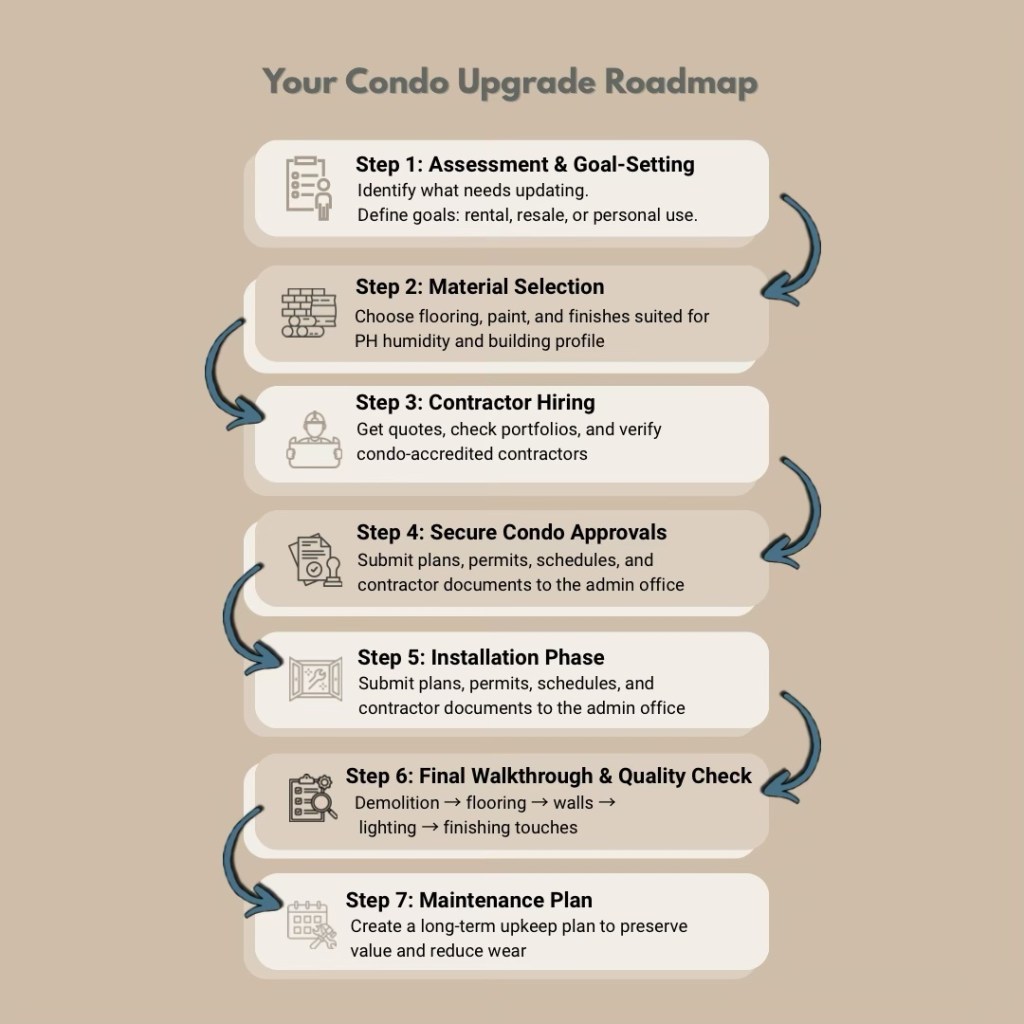
Flowchart: “Your Condo Upgrade Roadmap”
If you’re planning a condo renovation in the Philippines, smart choices can dramatically increase rental demand.
A smooth renovation isn’t luck—it’s structure. Condo projects demand precision because you’re working with tight spaces, strict building rules, and time-sensitive contractor schedules. This step-by-step guide shows you how to upgrade a condo efficiently, strategically, and with total clarity.
Assessment & Goal-Setting
Every successful renovation begins with clarity.
Walk through your condo with a critical eye and identify what needs updating: flooring, walls, lighting, trims, or all of the above. Determine whether your goal is resale, long-term rental, or personal use—each purpose requires a different level of investment.
Ask yourself:
- What impression do I want buyers or renters to feel?
- Which areas deliver the strongest value impact?
- How soon do I need the project completed?
A well-defined goal prevents emotional overspending and keeps your upgrade aligned with future ROI.
Timeline: ½ day to 1 day
Material Selection
Once your objectives are set, choose materials that match both your vision and your building’s profile. Prioritize materials that can withstand Philippine humidity and high-traffic use.
Key considerations:
- Durability: LVP, SPC, porcelain tiles
- Aesthetics: Neutral colors, warm tones, cohesive textures
- Maintenance: Mold-resistant paint, low-porosity tiles
- Cost-efficiency: Vinyl planks for rentals, engineered wood for premium resale
Always request actual physical samples. Colors look different in store lighting compared to condo lighting.
Timeline: 1–2 days
Contractor Hiring
Your contractor can make or break the final results. Cheap labor often results in expensive corrections.
How to hire wisely:
- Get at least three quotes and compare line-by-line.
- Ask for photos or videos of recent work, not decades-old portfolios.
- Choose contractors with experience in condos, where precision matters.
- Check your building for accredited contractors—they’re already vetted.
- Require a clear timeline and penalty clause for avoidable delays.
A high-quality installer can make budget flooring look premium.
A poor installer can make premium tiles look cheap.
Timeline: 2–5 days (quotations + screening)
Securing Approvals
Every condominium in the Philippines has a renovation rulebook—ignore it, and your project stops before it even starts.
Most buildings require:
- Renovation permit forms
- Contractor IDs and business permits
- Material list and design plan
- Work schedule and logistics plan
- Delivery approvals for large items
Secure approvals early. Delays here ripple through the entire project.
Timeline: 1–3 days (varies by building)
Installation Timeline
Once materials arrive and permits are cleared, it’s time to build. A typical condo renovation follows this sequence:
- Demolition and clearing: 1 day
- Surface preparation (leveling, patching, waterproofing): 1-2 days
- Flooring installation: 1-3 days depending on material
- Wall finishing (paint, wallpaper, paneling): 2-4 days
- Lighting upgrades and final fixtures: 1 day
- Detailing (baseboards, trims, caulking): 1 day
- Deep cleaning: 1 day
Total Estimated Duration: 7–14 days for light upgrades; 14–21 days for more extensive finishes.
Final Walkthrough & Quality Check
Before signing off, inspect every detail—this is your last chance to catch errors before contractors leave.
Check for:
- Gaps between planks or tiles
- Uneven paint or missed patches
- Loose trims and baseboards
- Misaligned seams on wallpaper
- Proper lighting color temperature
- Clean silicone or grout lines
- Smooth transitions between rooms
Bring a checklist, take photos, and don’t hesitate to request corrections.
Maintenance Plan
A beautifully upgraded condo stays premium only if maintained.
Create a simple plan:
- Schedule repainting every 3–4 years.
- Clean grout and reseal tiles annually.
- Use floor protectors for furniture.
- Encourage tenants to report issues early.
- Keep extra tiles, planks, and paint for future repairs.
Proper maintenance protects your investment, keeps the unit looking new longer, and helps you sustain rental and resale value.
Buyers & Sellers Should Watch Out For:
- Uneven flooring transitions between rooms — indicates rushed labor and becomes a negotiation point for buyers.
- Patchy or inconsistent paint application — lowers perceived value instantly in resale.
- Poorly sealed grout or silicone — can lead to moisture issues that turn off long-term renters.
- Messy electrical work or mismatched lighting temperatures — often signals cheap upgrades.
- Non-compliance with condo rules — can delay move-ins, inspections, or turnover dates.
Tip: If you’re selling, a clean final walkthrough transforms buyer confidence and shortens negotiation.
If you’re buying or investing, use these red flags to evaluate whether the unit is truly “move-in ready.”
A strategic renovation doesn’t just upgrade your condo—it upgrades your leverage in the Philippine real estate market. With the right process, you turn a simple makeover into long-term value.
Common Pitfalls and Red Flags
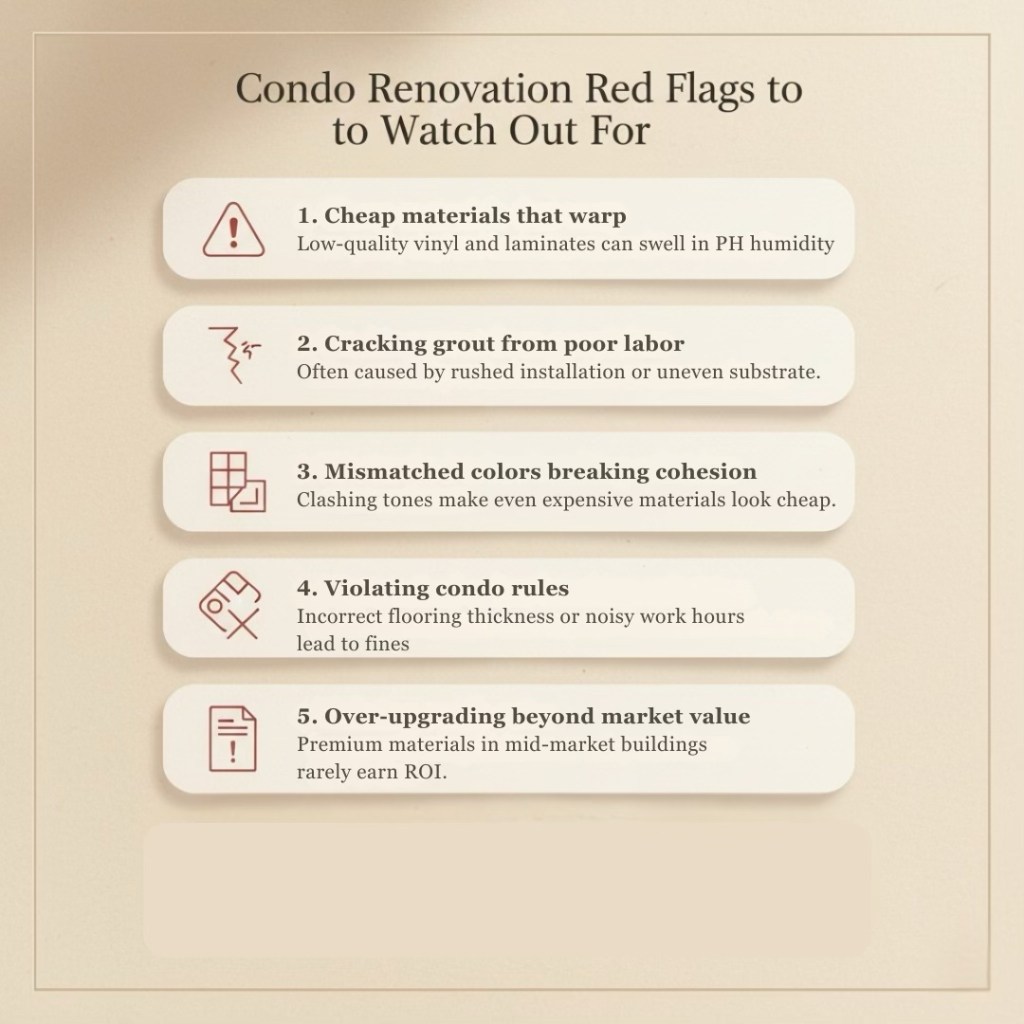
Red Flags Checklist
Even the best design plans can crumble if you overlook the small details—and in condo renovations, the small details are everything. These red flags often turn a promising makeover into a costly headache. Spot them early, and you save yourself from unnecessary repairs, admin disputes, and wasted budget.
Cheap materials that warp
Bargain-bin vinyl, low-quality laminates, and thin tiles may look good on Day 1 but buckle, bubble, or discolor under Philippine humidity. What seems like savings upfront becomes expensive replacements later on.
Cracking grout from poor labor
Grout lines that crack within months are a telltale sign of rushed or unskilled workmanship. This doesn’t just ruin aesthetics—it opens your floors to moisture damage, stains, and mold.
Mismatched colors breaking cohesion
Great materials can still look cheap when tones clash. Warm flooring paired with icy walls, or busy tiles clashing with patterned wallpaper, instantly breaks visual harmony and shrinks perceived space.
Violating condo rules
Installing floors thicker than allowed, working beyond permitted hours, or hiring unaccredited contractors can lead to fines, halted work, and even forced reinstallation. Always align your plan with building guidelines before starting.
Over-upgrading beyond market value
Premium marble tiles in a mid-market condo won’t deliver ROI. The building, location, and tenant demographic should dictate your upgrade level. Overspending traps your capital and narrows your buyer pool.
Avoiding these pitfalls isn’t just about protecting your renovation—it’s about protecting your investment. A smart, compliant, cohesive upgrade puts your condo ahead of the pack and ensures it performs well in both rental and resale markets.
Quick Rule of Thumb:
Choose durable materials, hire qualified installers, follow condo rules, and keep your color palette cohesive. If an upgrade strengthens durability, compliance, and visual harmony at the same time, it’s almost always the right decision.
Case Study: A Metro Manila Condo Makeover
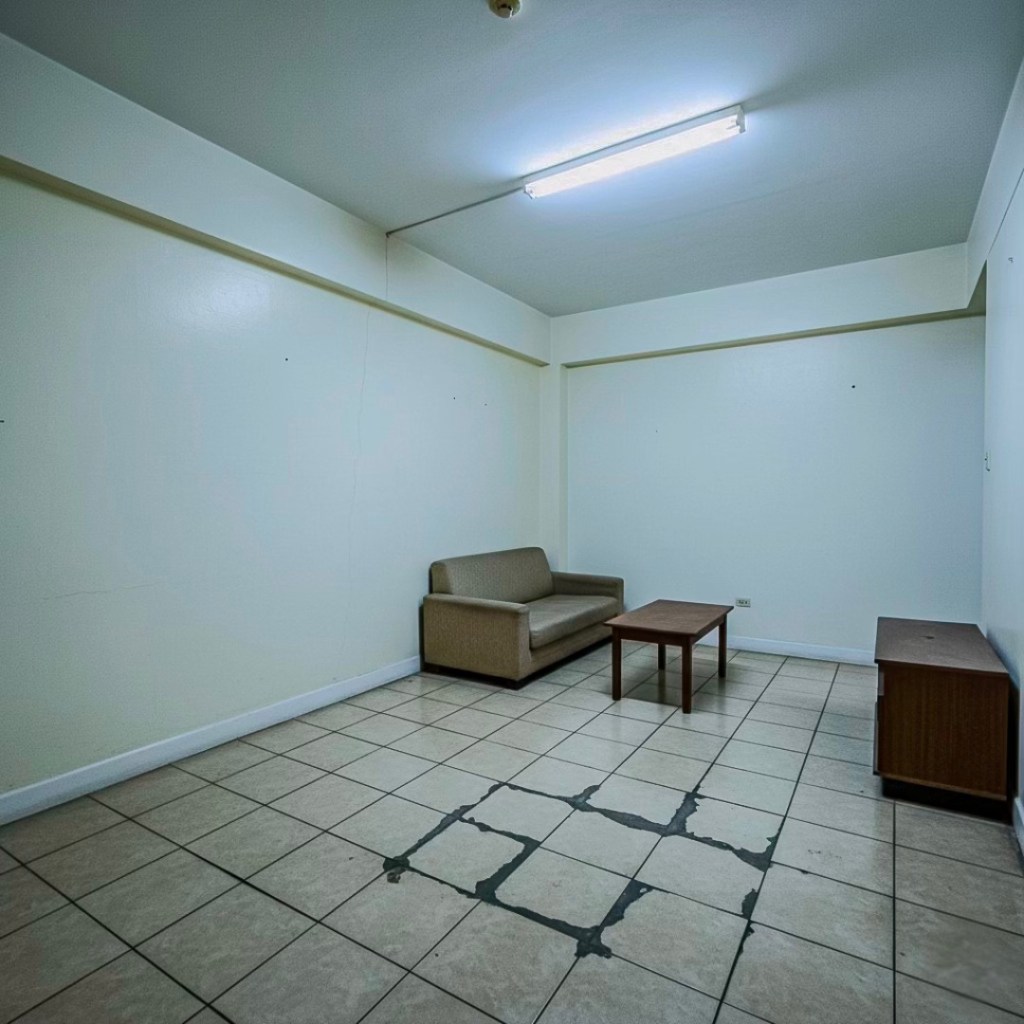
Studip Before Upgrade
Studio After Upgrade
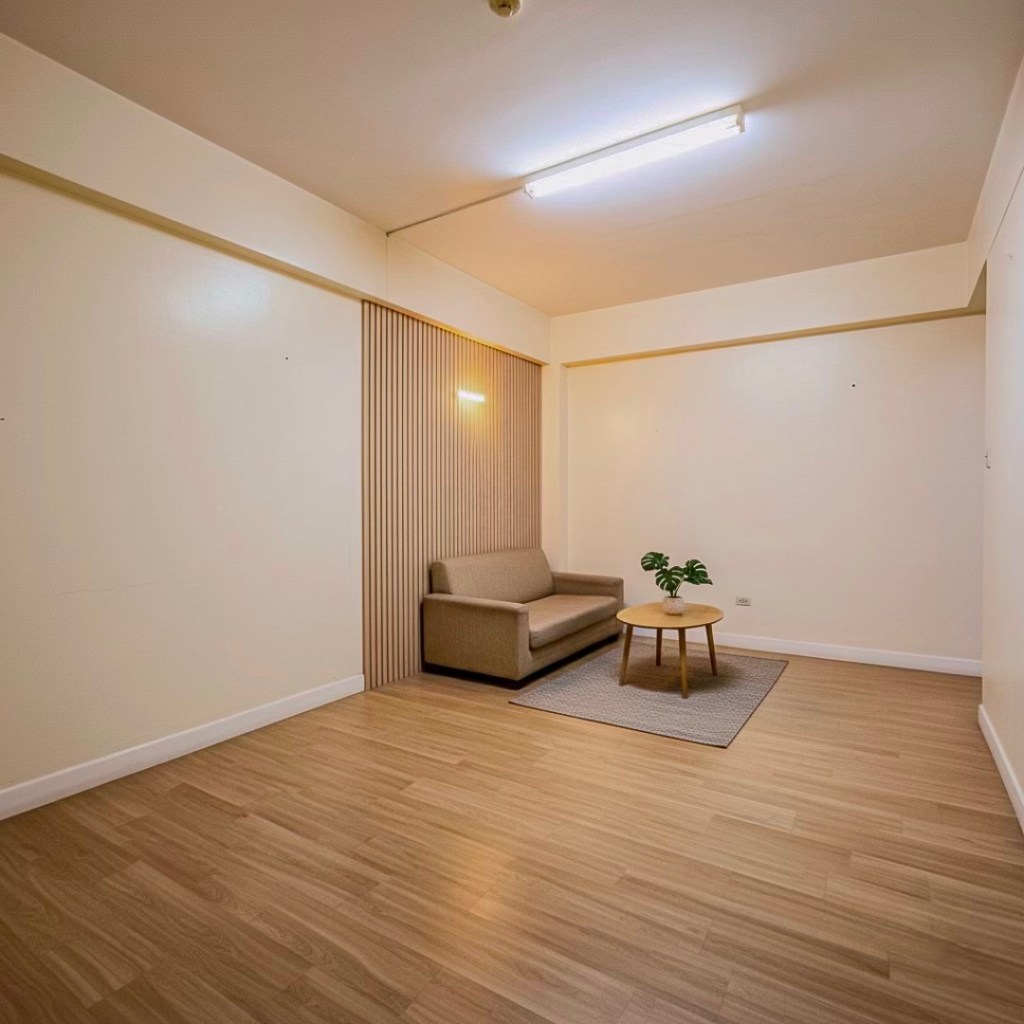
A 28-sqm studio in Mandaluyong sat on the market for three months with barely any inquiries. The owner described it as “livable but dated”—yellowing walls, aging ceramic tiles, and mismatched trims told the same story. Renters who viewed the unit liked the location but kept saying the same thing: “It feels small… and a bit old.” The unit wasn’t failing because of size; it was failing because of presentation.
Before → After: The Transformation
Instead of a full renovation, the owner focused on targeted upgrades:
- Old ceramic tiles were replaced with warm-toned SPC planks that instantly made the unit feel bigger.
- Walls were repainted in soft warm white with a subtle accent wall behind the bed.
- Outdated baseboards were replaced with clean, modern trims.
- A small fluted panel installed near the entry added a boutique-hotel feel.
- Lighting was updated to warm LED strips and downlights to balance the new finishes.
In just two weeks, the studio went from “renter bargain” to “Instagram-ready.”
Cost Summary
Total Investment: ₱58,000
- SPC flooring + underlay: ₱22,000
- Painting + patching: ₱12,000
- Accent panel installation: ₱9,000
- Lighting upgrades: ₱8,000
- Labor, cleanup, misc.: ₱7,000
A modest budget, but strategically allocated.
Value Uplift Achieved
Before the upgrade, the unit struggled to rent at ₱16,000/month.
After the makeover, it leased out within a week at ₱19,500/month—a 22% increase in rental income.
For context, comparable units in the same building were renting for an average of ₱17,000/month during the same period, making the upgraded unit’s ₱19,500 rent significantly above neighborhood norms.
More importantly:
- Vacancy dropped to zero; the next tenant booked the viewing immediately.
- Two potential tenants even asked if the unit was for sale because it “looked brand new.”
- Estimated resale value jumped by ₱180,000–₱250,000, based on nearby comps.
The owner recouped the renovation cost in just over three months through increased rental income alone.
Renter/Buyer Reaction
Viewers repeatedly mentioned how “warm,” “modern,” and “bigger than expected” the unit felt. The cohesive finishes, upgraded lighting, and high-quality flooring elevated the overall perception far beyond its actual size. Several renters even compared it favorably to new developments in Mandaluyong, despite being an older building.
This case proves a powerful point: strategic upgrades don’t just beautify a unit—they transform its financial performance. A small, targeted investment can dramatically increase rent, resale value, and buyer appeal in the Metro Manila condo market.
📥 Download the Ultimate Condo Upgrade Checklist (FREE PDF)
Transform your renovation from stressful to seamless. Get a complete, easy-to-use checklist covering measurements, materials, condo rules, and everything you must prepare before upgrading your flooring and finishes.
Save hours of planning and avoid the most common renovation mistakes Filipino condo owners run into.
Updated for 2025 standards—download while this limited-time guide is available.
What’s inside the PDF:
✔ Step-by-step renovation roadmap
✔ Complete materials checklist
✔ Measurement guide
✔ Condo admin requirements
✔ PH-specific reminders for flooring & finishes
This is the same checklist I use when advising clients on how to upgrade a condo quickly and correctly.
➡️ Enter your email below to download your PDF and get more expert renovation guides.
Transform Your Condo with Expert Guidance
Your condo has incredible potential—sometimes it only takes the right upgrades to unlock it. Whether you’re preparing your unit for resale, maximizing rental income, or simply wanting a home that feels elevated and intentional, expert guidance makes the entire process faster, easier, and far more rewarding.
After helping hundreds of condo owners upgrade, stage, and position their units more effectively, I’ve seen firsthand how the right improvements can dramatically shift market perception and performance.
If you want a space that:
- Stands out in Metro Manila listings
- Captures attention within seconds
- Commands higher rent
- Sells faster with stronger offers
- Looks stunning in every photo
Then it’s time to transform your condo with a strategy built around value, cohesion, and data-backed design.
📩 Book Your Personalized Consultation
During your session, I’ll guide you through:
- The best finishes for your market segment
- Flooring and lighting combinations that increase perceived size
- Renovation decisions that deliver high-ROI condo improvements
- Layout optimization for rentals and resale
- A custom plan aligned with your condo’s target demographic
Whether you’re a homeowner, investor, or seller, I’ll help you make smart, profitable decisions—not guesswork.
Small upgrades create outsized returns—especially in the Philippine condo market, where first impressions drive both rental demand and resale value.
Your dream space isn’t far away. With the right plan, your condo can look and perform like a premium unit—one that inspires confidence, attracts serious buyers or tenants, and elevates your long-term returns.





Leave a reply to Upgrading Your Condominium: Ideas for Renovations and Enhancements – U-Property PH Cancel reply