

Pre-selling has become a popular trend in the real estate market, offering buyers the opportunity to invest in properties before their completion. This comprehensive analysis aims to provide a clear understanding of pre-selling, its advantages, challenges, risks, and the considerations buyers should take into account before making a pre-selling purchase.
Advantages of Pre-Selling
Pre-selling is the process of buying a property that is still under construction. There are several advantages to pre-selling, including:
- Lower prices: Pre-selling properties are typically offered at lower prices than completed properties. This is because the developer is still recouping the costs of construction, and they are offering buyers a discount in exchange for their early investment.
- Potential for capital appreciation: As the property’s construction progresses, its value may increase. This is due to several factors, such as the rising cost of land and materials, and the increasing demand for property in the area. This means that buyers who purchase a pre-selling property may be able to sell it for a profit once it is completed.
- Choice of units and locations: Pre-selling allows buyers to have a wider range of options than they would have if they were buying a completed property. This is because the developer has not yet started construction, so they can offer buyers a variety of unit sizes and floor plans. Additionally, buyers who purchase a pre-selling property may be able to choose their preferred location within the development.
- Payment Flexibility: Developers often offer flexible payment terms during the pre-selling phase. This means that buyers can make smaller down payments and spread out the balance of the purchase price over a longer period. This can make pre-selling a more affordable option for buyers who are on a tight budget.
Challenges and Risks
Pre-selling is the process of buying a property that is still under construction. There are several challenges and risks associated with pre-selling, including:
- Construction delays: Construction delays are a common occurrence, and they can lead to extended waiting periods for the property’s turnover. This can be frustrating for buyers, and it can also impact their finances if they have made down payments or are making monthly payments.
- Uncertainty in project completion: Buyers may face uncertainties regarding the exact completion date and final project outcome. This is because the developer may not have finalized all of the plans or secured all of the necessary permits. This can be a source of anxiety for buyers, and it can also make it difficult to sell the property in the future if the project is not completed on time or to the promised specifications.
- Market fluctuations: Economic or market changes during the construction period may impact the property’s value and future marketability. For example, if the market takes a downturn, the property may be worth less when it is completed than it was when it was first purchased. This can be a significant financial risk for buyers.
- Developer reliability: It is essential to assess the track record and reputation of the developer before purchasing a pre-selling property. This will help to ensure that the developer is reliable and that they will deliver on their promises. If the developer is not reliable, there is a risk that the project will not be completed, or that it will be completed late or to a lower standard.
Considerations for Buyers
Buying a pre-selling property is a big decision, and there are several factors that buyers should consider before making a purchase. These include:
- Research and due diligence: Conduct thorough research on the developer, the project’s location, and potential market trends before making a pre-selling investment. This will help you to assess the risks involved and make sure that the project is a good fit for your needs.
- Financial preparedness: Assess your financial capabilities and consider the long waiting period before taking ownership. Pre-selling properties typically require buyers to make down payments and monthly installments over the years. It is important to make sure that you can afford these payments before you make a purchase.
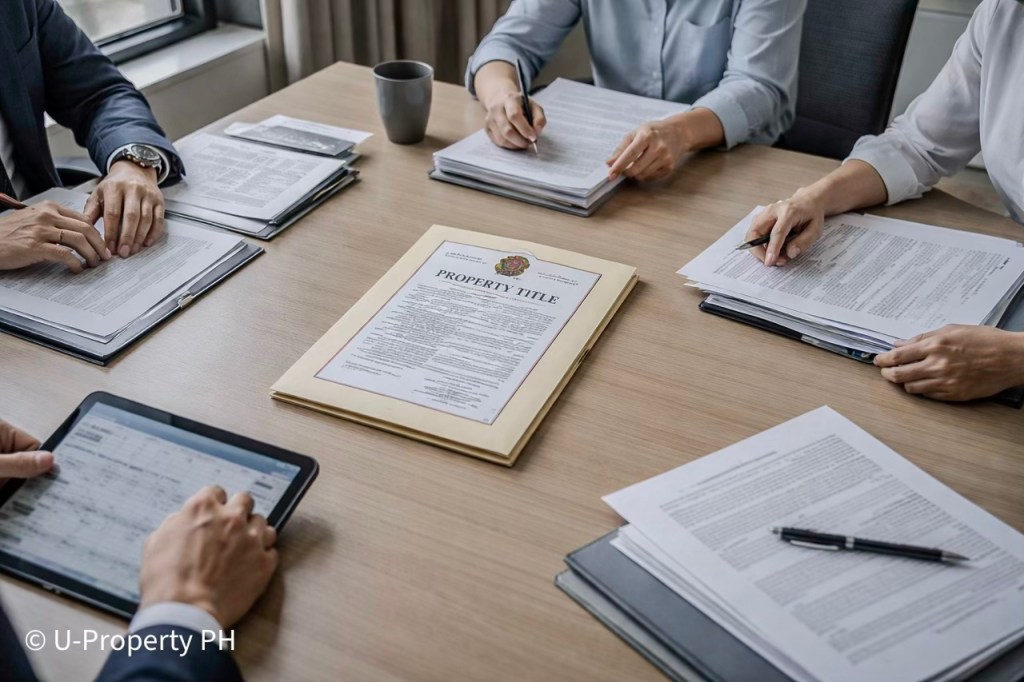
- Contract review: Review the pre-selling contract carefully, understanding the terms, conditions, and any potential penalties for cancellation or delays. This will help you to protect your interests and avoid any surprises down the road.
- Communication with the developer: Maintain open communication with the developer to stay informed about project updates and progress. This will help you to feel confident that the project is on track and that you will be able to take ownership of your property when it is completed.
By carefully considering these factors, buyers can help to ensure that they make a wise investment in a pre-selling property.
Here are some additional tips for buyers of pre-selling properties:
- Get everything in writing: Make sure that all of the terms and conditions of the sale are clearly outlined in the contract. This will help to avoid any misunderstandings or disputes down the road.
- Ask questions: Don’t be afraid to ask the developer questions about the project. The more you know, the better equipped you will be to make a decision.
- Trust your gut: If something doesn’t feel right, it probably isn’t. Don’t be afraid to walk away from a deal if you have any concerns.
Mitigating Risks
There are several risks associated with pre-selling, but there are also steps that buyers can take to mitigate these risks. These include:
- Choose reputable developers: Opt for well-established developers with a track record of successful projects and positive customer feedback. This will help to ensure that the developer is reliable and that they will deliver on their promises.
- Understand the payment schedule: Clarify the payment schedule and ensure it aligns with your financial capacity. This will help to avoid any surprises down the road and ensure that you can afford the property.
- Have a contingency plan: Be prepared for potential delays and have contingency plans in case of unforeseen circumstances. This could include having a backup savings account or being able to defer payments for some time.
- Seek legal advice: Consult with legal professionals to review the contract and address any concerns before making a pre-selling purchase. This will help to protect your interests and ensure that you understand all of the terms and conditions of the sale.
By following these steps, buyers can help to mitigate the risks associated with pre-selling and make a wise investment.
Here are some additional tips for mitigating risks in pre-selling:
- Do your research: Conduct thorough research on the developer, the project’s location, and potential market trends before making a pre-selling investment. This will help you to assess the risks involved and make sure that the project is a good fit for your needs.
- Stay informed: Maintain open communication with the developer to stay informed about project updates and progress. This will help you to feel confident that the project is on track and that you will be able to take ownership of your property when it is completed.
- Be prepared to walk away: If you have any concerns about the project or the developer, don’t be afraid to walk away from the deal. There are plenty of other pre-selling properties on the market, so you don’t need to settle for something that you’re not comfortable with.
Pre-selling in real estate offers unique opportunities for buyers to acquire properties at lower prices and potentially benefit from capital appreciation. However, it comes with challenges and risks, including construction delays and uncertainties. To make an informed decision, buyers should conduct thorough research, assess their financial preparedness, and carefully review the pre-selling contract. By choosing reputable developers and seeking legal advice, buyers can mitigate risks and maximize the benefits of investing in pre-selling properties.






Leave a comment