
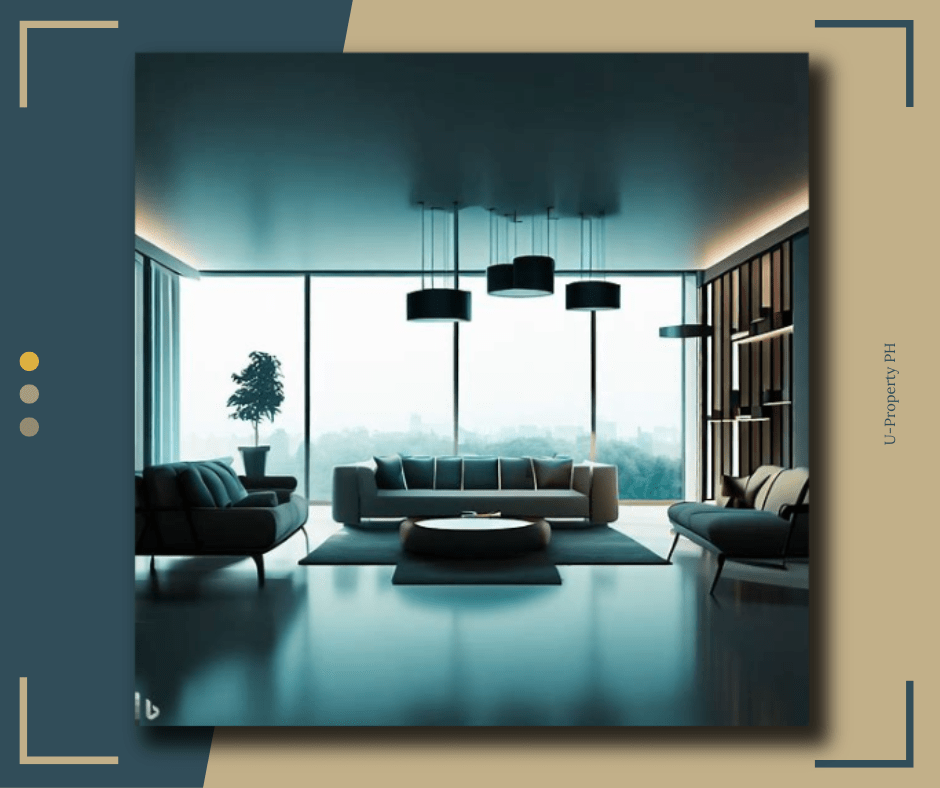
The play of light and shadows has a profound effect on the ambiance of any room, especially the living room, where we spend a significant amount of time. Embracing natural light can transform your living room into an inviting and spacious haven. This article focuses on how to make the most of natural light and employ artificial lighting effectively in spaces where sunlight is limited.
Harnessing the Power of Large Windows
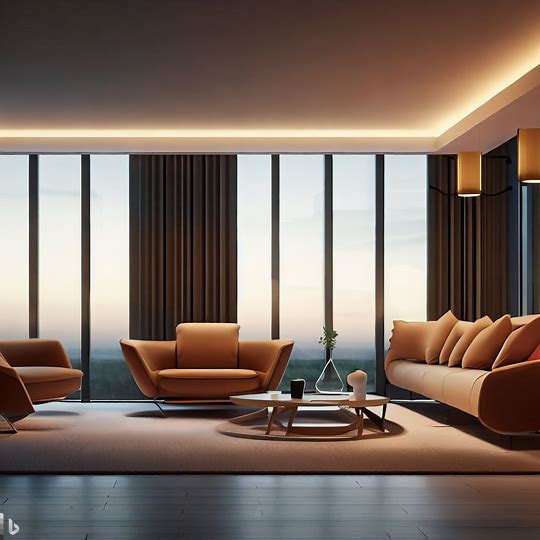
Large windows are a beautiful and valuable asset to any home. They let in natural light, which can make a room feel brighter, airier, and more inviting. But how can you make the most of your large windows?
One way is to choose the right window treatments. Sheer, light-colored curtains or blinds will allow sunlight to filter through, while still providing some privacy. If you don’t need privacy, you could leave the windows bare or use window film to let the natural light in unhindered.
Another way to maximize the light from large windows is to use mirrors strategically. Placing mirrors opposite or adjacent to windows can reflect light into the room, enhancing the brightness and creating a sense of spaciousness.
Here are some additional tips for making the most of your large windows:
- Decorate with light-colored furniture and accessories. This will help reflect the natural light and make the room feel brighter.
- Plants can also help to brighten a room. Choose plants that thrive in bright light, such as ferns, succulents, and cacti.
- Keep your windows clean. This will help to ensure that the natural light can shine through unobstructed.
Layered Lighting for Rooms with Limited Natural Light
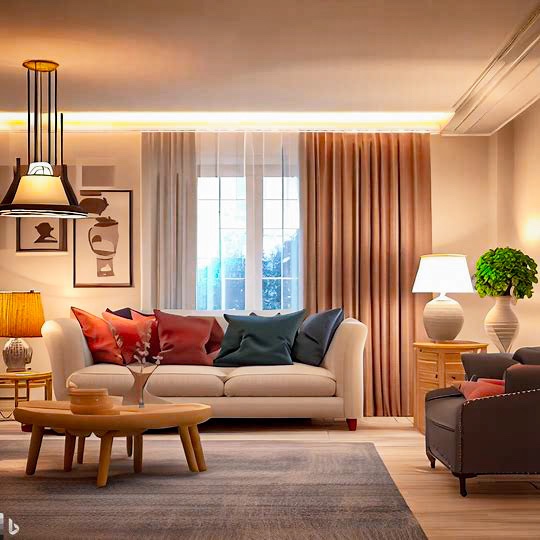
Not all living rooms are blessed with an abundance of natural light. But that doesn’t mean you have to settle for a dark and dreary space. Layered lighting is a practical and aesthetic solution that can help you create a well-lit, warm, and engaging atmosphere in any room, even those with limited natural light.
Layered lighting refers to the use of various types of lights, each serving a specific purpose, to create a cohesive and inviting glow. The three main types of lighting are ambient, task, and accent lighting.
- Ambient lighting provides overall illumination and sets the mood for the space. It’s typically the main source of light in a room and can be achieved through ceiling lights, chandeliers, or recessed lighting.
- Task lighting is designed to help you perform specific tasks that require more illumination. In a living room, this could include reading, working on a computer, or crafting. Task lighting can be provided by table lamps, floor lamps, or pendant lights situated near seating or work areas.
- Accent lighting is used to highlight specific features or areas within your living room. This could be a beautiful painting, a textured wall, or a unique piece of furniture. Accent lighting can add depth and interest to a space, and it can also be used to create a focal point.
Balancing Natural and Artificial Light
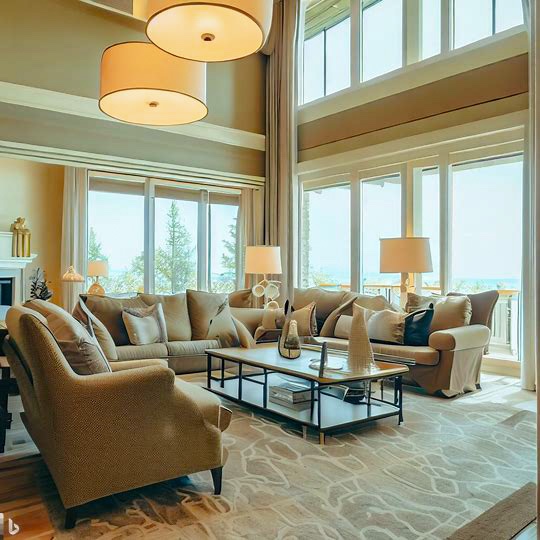
Balancing natural and artificial light is essential for creating a comfortable and inviting space. During the day, natural light should be maximized to brighten the room and provide a sense of openness. As evening arrives, artificial lighting should be gradually introduced to create a more intimate and relaxing atmosphere.
Dimmer switches are a great way to achieve this balance. They allow you to adjust the light intensity to mimic the changing daylight, so you can always have the perfect amount of light for the time of day.
Here are some additional tips for balancing natural and artificial light:
- Use sheer curtains or blinds to filter natural light. This will allow the light to shine through while still providing some privacy.
- Place lamps and fixtures strategically to create a well-rounded lighting scheme. This will help to ensure that all areas of the room are well-lit, regardless of the time of day.
- Use warm-colored light bulbs to create a cozy and inviting atmosphere. Cool-colored light bulbs can be used to create a more stimulating and energetic atmosphere.
Color and Light
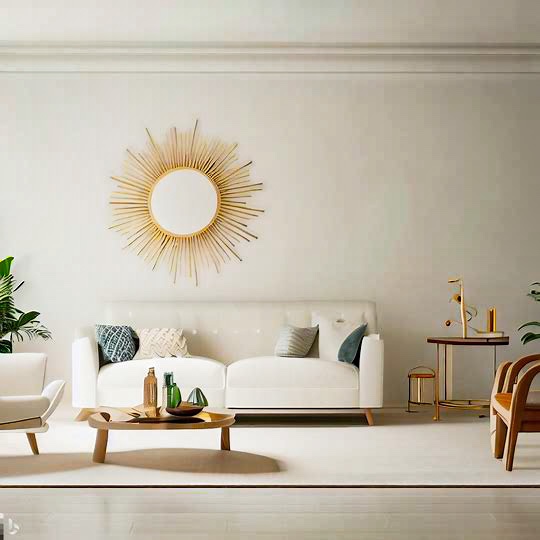
The way light interacts with color can dramatically change the look and feel of a room. Lighter colors reflect more light, making a room appear brighter and larger. This is why white is often used in small spaces, as it can help to make them feel more open and airy.
Darker colors, on the other hand, absorb light, creating a more intimate, cozy atmosphere. This is why darker colors are often used in bedrooms and living rooms, as they can help to create a sense of relaxation and comfort.
The type of light also affects the way color is perceived. Natural light is typically more diffused than artificial light, which means that it reflects off of surfaces more evenly. This can make colors appear softer and more natural.
Artificial light, on the other hand, is often more direct, which means that it can cast shadows and highlights. This can make colors appear more intense and dramatic.
In conclusion, light, both natural and artificial, is a fundamental aspect of interior design. By embracing natural light and thoughtfully incorporating artificial light, you can create an inviting, comfortable, and beautifully lit living room that feels spacious and warm.


Leave a reply to 10 Innovative Ways to Transform Your Living Room into a Beautiful Oasis – U-Property PH Cancel reply