


The Bahay Kubo, or Nipa Hut, has long been an icon of Philippine culture. Historically built from renewable materials like bamboo and nipa palm, these structures were a testament to the resourcefulness and adaptability of the Filipinos. Today, as the tiny homes trend sweeps the nation, a modern interpretation of the Bahay Kubo is gaining popularity, seamlessly fusing tradition, sustainability, and modern comforts.
Modern Bahay Kubo: A Fusion of Tradition and Innovation
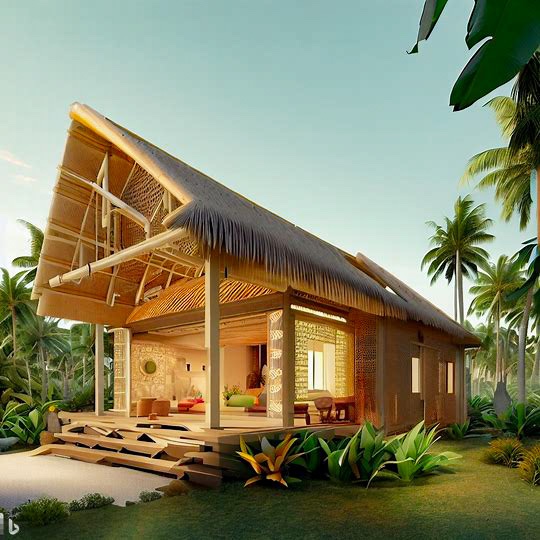
The Bahay Kubo is a traditional Filipino house that is known for its simple, sustainable design. In recent years, there has been a growing trend of modernizing the Bahay Kubo, while still preserving its core principles.
These modern Bahay Kubos incorporate contemporary materials and aesthetics, but they still retain the ventilation, community, and respect for nature that are essential to traditional design. As a result, they offer a unique blend of tradition and innovation that is both functional and aesthetically pleasing.
In addition to being stylish and sustainable, modern Bahay Kubos also serves as a tangible link to Filipino heritage. They remind us of our ancestors’ ingenuity and their deep connection to nature. By living in a modern Bahay Kubo, we can honor our past while also looking to the future.

The Eco-Friendly Bahay Kubo

The Bahay Kubo is a traditional Filipino house that is known for its use of natural materials. This makes it an inherently sustainable building, with a low carbon footprint and a minimal impact on the environment.
Modern Bahay Kubos continue this tradition by using locally sourced materials like bamboo, rattan, and other renewable resources. This ecological construction not only helps to protect the environment, but also supports local economies by relying on regional materials and craftspeople.
In addition to being sustainable, modern Bahay Kubos are also stylish and affordable. They offer a unique blend of traditional Filipino design and modern convenience, making them a great option for homeowners who are looking for a sustainable and stylish home.
Modern Bahay Kubos: The Perfect Blend of Tradition and Comfort

The Bahay Kubo is a traditional Filipino house that is known for its simple, sustainable design. However, modern Bahay Kubos are not lacking in contemporary amenities. These homes are often equipped with modern plumbing, insulation, and electrical systems. They may also feature energy-efficient appliances, solar panels, and other sustainable technologies.
The careful integration of these modern amenities into the traditional Bahay Kubo design is what makes these homes so special. They offer the best of both worlds: the comfort and convenience of modern living with the charm and character of a traditional Filipino home.
Modern Bahay Kubos: The Affordable and Sustainable Tiny Home

Modern Bahay Kubos are the perfect solution for those looking for an affordable and sustainable tiny home. Their small size reduces construction costs, making them a more accessible option for many Filipinos. Furthermore, their design often incorporates ingenious solutions for space optimization, creating a sense of openness and comfort despite the reduced square footage.
In addition to being affordable and space-efficient, modern Bahay Kubos are also sustainable. They are often built using natural materials, such as bamboo and rattan, and they can be equipped with solar panels and other renewable energy technologies. As a result, modern Bahay Kubos can help homeowners reduce their carbon footprint and live a more eco-friendly lifestyle.
Modern Bahay Kubos: A Culturally Relevant Way to Live

The modern Bahay Kubo is a uniquely Filipino way to live in the 21st century. These homes offer a return to roots, a chance to connect with the past while looking towards the future. They exemplify a commitment to sustainability, cultural preservation, and innovative design.
In a rapidly urbanizing country, modern Bahay Kubos offer a sense of community and connection to nature. Their small size and use of natural materials make them a sustainable choice, and their design reflects the Filipino values of bayanihan (communal unity) and kapitbahay (neighborliness).
Modern Bahay Kubos are also a great way to express Filipino creativity and ingenuity. These homes are often designed with ingenious solutions for space optimization, and they can be customized to reflect the unique personality of the homeowner.
As the world becomes increasingly globalized, it is important to find ways to stay connected to our roots. Modern Bahay Kubos offer a way to do just that, while also embracing the future. They are a culturally relevant and sustainable way to live, and they are sure to become increasingly popular in the years to come.
In conclusion, the modern Bahay Kubo is more than just a housing option. It is a symbol of a nation’s ability to adapt and innovate while staying true to its heritage. Compact, cost-effective, and culturally resonant, these homes represent the perfect embodiment of the tiny home ethos in the Philippine context. As the tiny home trend continues to evolve, the modern Bahay Kubo stands as a testament to the potential of blending tradition with modernity in sustainable housing.




Leave a comment