
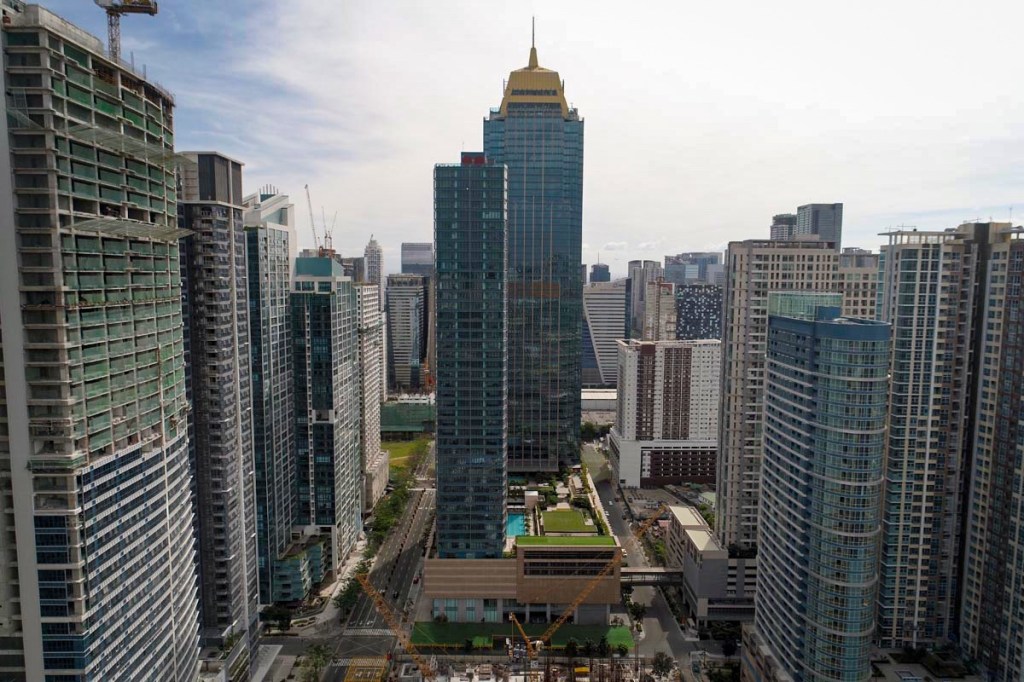
When we think of skylines in the Philippines, iconic structures in cities like Makati, Bonifacio Global City, and Cebu stand out. While these cities attract locals and tourists alike, wanting to marvel at high-rise condominiums and corporate buildings, it is important to examine the underlying factors that shape these skylines. Does it simply reflect an ongoing race to have the tallest building, or does it indicate a more sustainable and inclusive approach to urban development?
How a city’s skyline can impact sustainable development in the Philippines
The height and density of a city’s skyline can tell us a lot about its sustainability. In the Philippines, high-rise buildings suggest a vertical growth pattern, which can lead to reduced carbon dioxide emissions and decreased levels of dangerous particulate matter (PM2.5). This is because vertical growth can lead to reduced dependency on cars and more efficient public transportation systems. This is beneficial for a country that grapples with traffic congestion and air pollution. Compact cities also help in preserving fertile agricultural lands, which are critical for food security in an archipelago that heavily relies on local produce.
The architecture of a city’s skyline can also hint at inclusiveness. While luxurious condos may portray affluence, a multitude of mid-rise residential buildings indicate housing options for the middle class. Moreover, an impressive skyline can boost local tourism, providing job opportunities and spurring economic growth.
Here are some specific examples of how the skylines of Philippine cities are impacting sustainability:
- In Metro Manila, the construction of high-rise buildings has helped to reduce traffic congestion and air pollution. For example, the Makati CBD has seen a significant decrease in traffic since the construction of the Ayala Tower On in the 1990s.
- In Cebu City, the development of mid-rise residential buildings has helped to make housing more affordable for the middle class. This has helped to reduce poverty and inequality in the city.
- In Boracay, the construction of hotels and resorts has boosted tourism, which has created jobs and boosted the local economy.
The Skyline Index: A Look at the Philippines’ Unique Skyline
The skyline of a city is a reflection of its economic dynamism and population density. In the Philippines, these two factors have come together to create a skyline that is both functional and aesthetically pleasing.
The country’s skylines are typically a mix of commercial hubs and residential areas. This reflects the Philippines’ growing economy, which has created a demand for both office space and housing. The skylines also reflect the country’s diverse population, with a mix of high-rise buildings and mid-rise structures catering to both the elite and middle class.
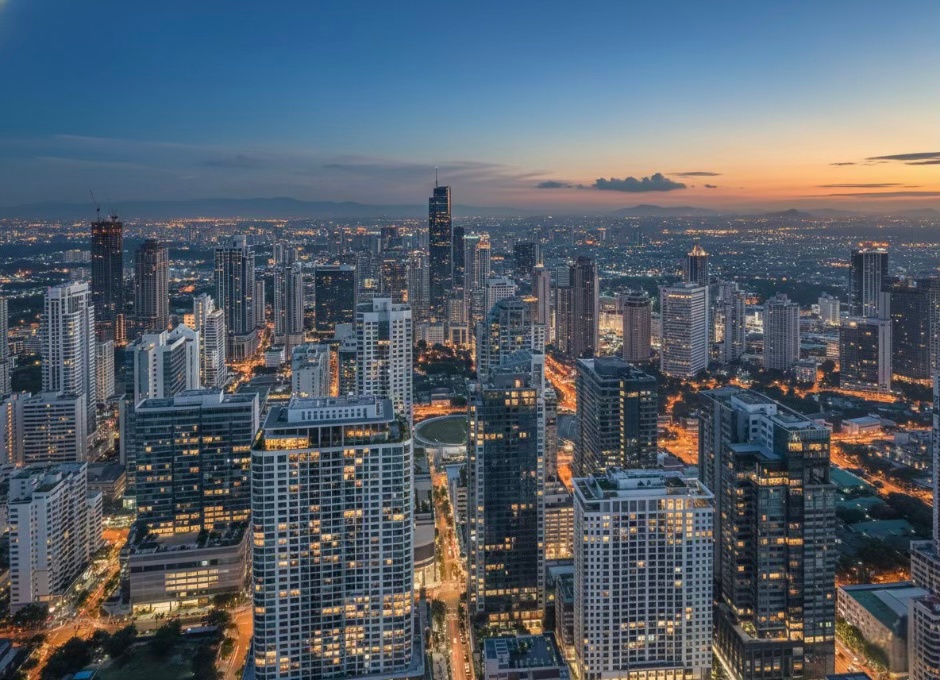
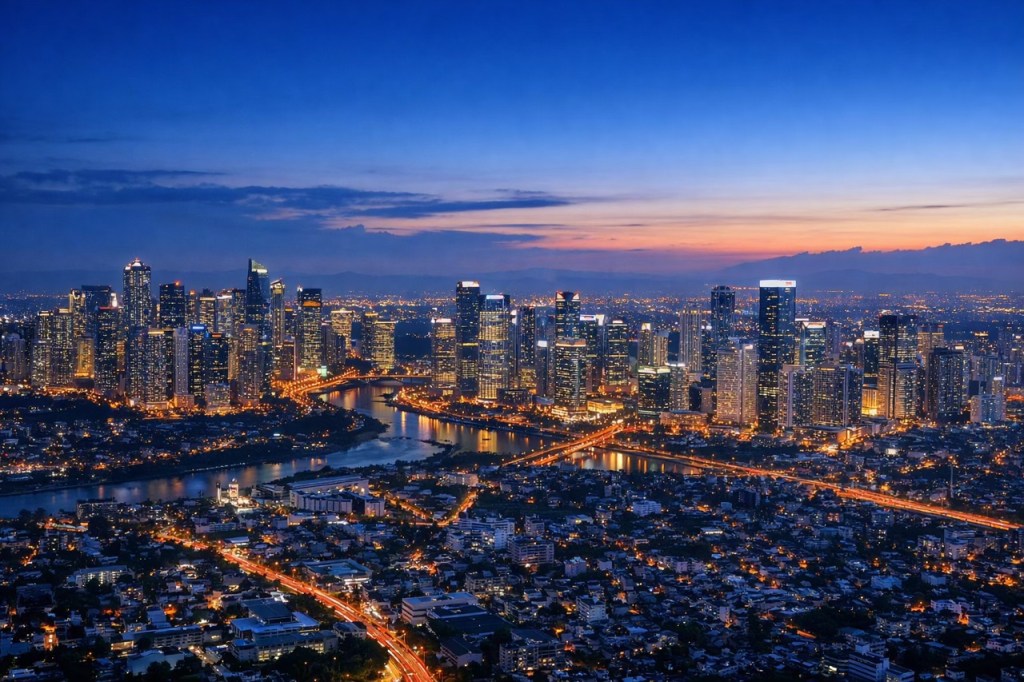
One of the most iconic skylines in the Philippines is that of Metro Manila. The capital city is home to a number of skyscrapers, including the GT Tower and The Gramarcy, the country’s tallest buildings. Other major cities with impressive skylines include Cebu City, Pasig City, and Taguig City.
The Skyline Index in the Philippines
The skyline of a city is a reflection of its economic and population dynamics. In the Philippines, skylines can be categorized into four types:
- Business-centric central districts: These areas are home to towering skyscrapers that mainly house corporate offices or luxury condos. Makati is a prime example of this type of skyline.
- Business-centric peripheral districts: These areas have office buildings outside of the central business districts. One example is Eastwood City in Quezon City.
- Population-centric peripheral districts: These areas have high-rise residential buildings in more suburban neighborhoods. Quezon City is a good example of this type of skyline.
- Population-centric central districts: These areas have a mix of residential and commercial structures. Manila is a good example of this type of skyline.
The skyline index is a metric that is used to measure the height and frequency of skyscrapers in a city. The Philippines has a relatively low skyline index compared to other countries, such as the United States and China. This is due to a number of factors, including the country’s economic development and its high population density.
Despite its low skyline index, the Philippines has a number of impressive skylines, such as those of Metro Manila, Cebu City, and Davao City. These skylines are a testament to the country’s growing economy and its diverse population.
What Shapes the Skylines of Philippine Cities?
The skylines of Philippine cities are shaped by a variety of factors, including:
- Regulations: Building height restrictions can vary from city to city, depending on factors such as safety, heritage preservation, and urban planning.
- Property rights: The ability of developers to acquire land can also affect the height of buildings, as developers are more likely to build taller buildings on larger plots of land.
- Social norms: In some cities, living in high-rise condominiums may be seen as a status symbol, while in others, families may prioritize landed houses.
- Economic factors: The economic development of a city can also affect its skyline, as developers are more likely to build taller buildings in cities with strong economies.
The skylines of Philippine cities are constantly evolving, as new regulations, property rights laws, social norms, and economic factors emerge. This evolution is a reflection of the changing needs and priorities of the Philippine people.
Cultural preferences, regulations, and economic dynamics combine to shape the skylines of Philippine cities. So, the next time you gaze at the towering buildings in Metro Manila or Cebu, recognize that these skylines reflect more than just architectural prowess – they tell a story of sustainability, inclusivity, and cultural evolution.




 U-Property PH
Leave a comment