

Foundations form the bedrock of any building or structure. Their primary role is to transfer the load of the structure to the ground below. Among the several types of foundations available, shallow foundations, commonly referred to as spread footings, are one of the most frequently utilized. In this article, we will explore the nuances of shallow foundations, understanding their design, benefits, and potential limitations.
Shallow Foundations: A Simple and Cost-Effective Option for Many Buildings
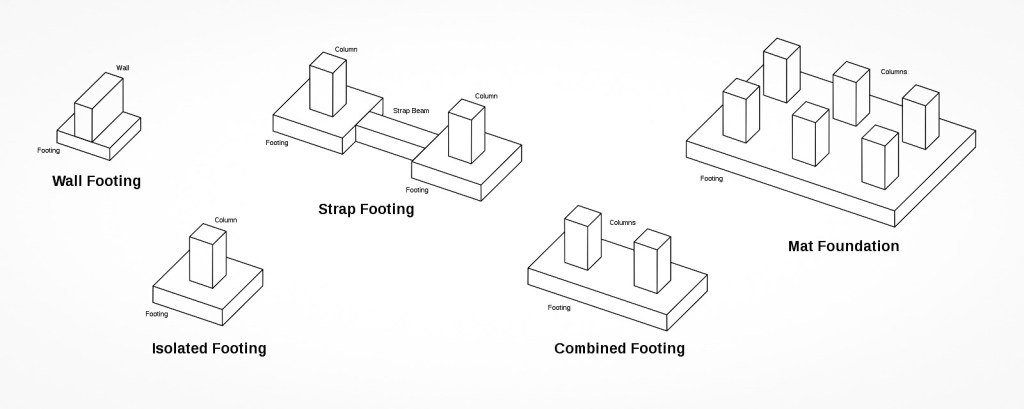
Shallow foundations are a type of foundation that transfers the load of a building directly to the earth adjacent to the surface. They are typically less expensive and easier to construct than deep foundations, making them a good option for many buildings.
There are several different types of shallow foundations, including:
- Spread footings: These are the most common type of shallow foundation. They are essentially large, flat slabs of concrete that are placed under the columns or walls of a building.
- Combined footings: These are used when two or more columns are close together. They are made up of two or more spread footings that are connected.
- Mat foundations: These are large, solid slabs of concrete that are placed under the entire footprint of a building. They are often used in areas with weak soils or where there is a risk of flooding.
Key Features of Shallow Foundations
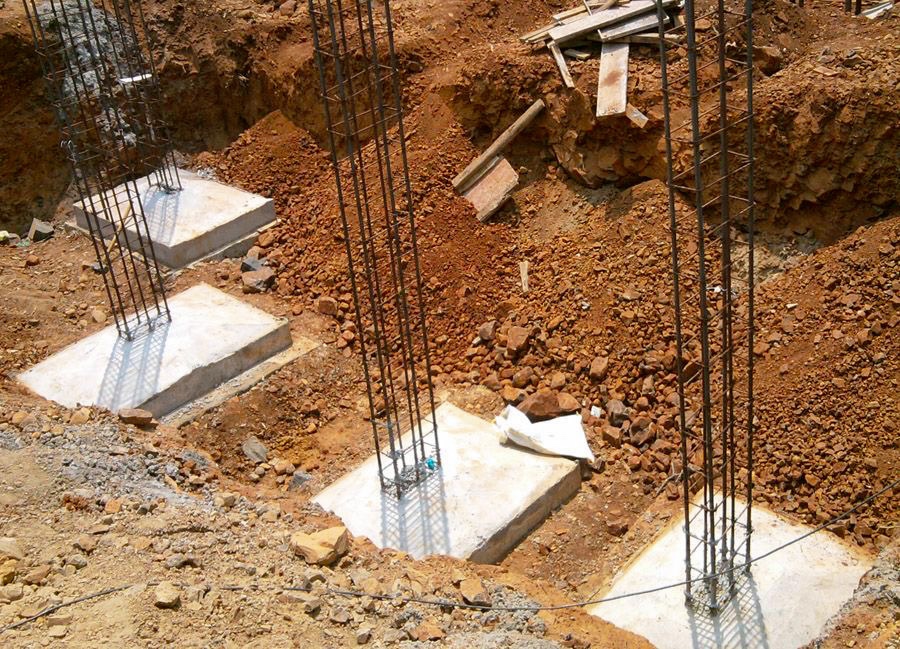
Shallow foundations are a type of foundation that transfers the load of a structure directly to the soil beneath. They are typically less expensive and easier to construct than deep foundations, making them a good option for many buildings.
Key features of shallow foundations include:
- Shallow depth: Shallow foundations are typically less than 20 feet deep. This makes them a good option for buildings that are not very tall or that are located on relatively stable soils.
- Uniform load distribution: Shallow foundations are designed to distribute the load of a structure uniformly over a broad area. This helps to prevent uneven settlement and damage to the foundation or structure.
- Variety of components: Shallow foundations can be made up of a variety of components, including slab-on-grade foundations, mat foundations, and strip footings. The type of shallow foundation that is best suited for a particular project will depend on the size and weight of the structure, the soil conditions, and other factor
Benefits of Shallow Foundations
Shallow foundations are a cost-effective, quick, and versatile option for many buildings. They are typically less expensive to construct than deep foundations, as they require less excavation and fewer materials. They can also be constructed relatively quickly, which can help to reduce project timelines. Shallow foundations are suitable for most soil types, except for very weak or highly compressible soils.
Here are some specific examples of the benefits of shallow foundations:
- Economical: Shallow foundations can save money on construction costs by requiring less excavation and fewer materials. This is because they do not need to extend as deep into the ground as deep foundations.
- Quick: Shallow foundations can be constructed relatively quickly, which can help to reduce project timelines. This is because they do not require as much excavation or as much time to set concrete.
- Versatile: Shallow foundations can be used in a variety of soil conditions, except for very weak or highly compressible soils. This makes them a versatile option for many buildings.
Potential Limitations of Shallow Foundations

Shallow foundations are a cost-effective and versatile option for many buildings, but they also have some potential limitations.
Here are some of the potential limitations of shallow foundations:
- Load restrictions: Shallow foundations are not suitable for buildings with very heavy loads or multi-story structures without adequate soil strength. This is because shallow foundations are designed to distribute the load of a structure over a large area. If the load is too great, the foundation may not be able to support it and could crack or collapse.
- Environmental impact: Shallow foundations can be vulnerable to soil shifts, especially in areas prone to flooding or with significant soil moisture variations. This is because shallow foundations are not as deep as deep foundations, and they are therefore more susceptible to the effects of water and weather.
- Weather concerns: In colder climates, shallow foundations can be susceptible to frost heaving. Frost heaving occurs when water in the soil freezes and expands, causing the soil to heave upwards. This can damage shallow foundations, especially if they are not properly designed or constructed.
Incorporating Shallow Foundations in Construction
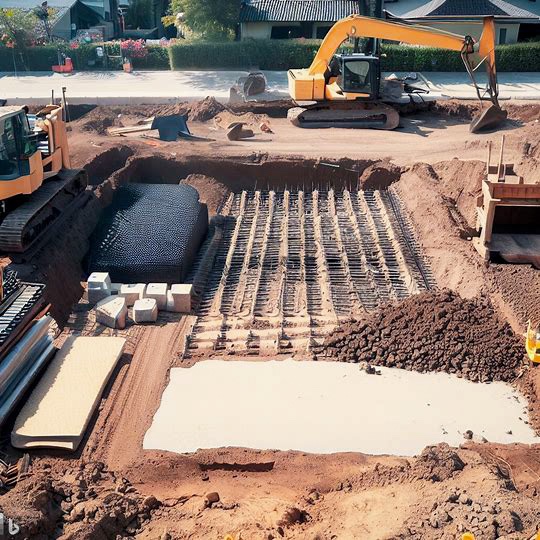
The decision to use shallow foundations in construction depends on a number of factors, including:
- Soil conditions: A preliminary soil test can determine the type and depth of foundation suitable for the intended structure. Soils with high bearing capacity can support shallow foundations, while soils with low bearing capacity may require deeper foundations.
- Loads: A detailed load calculation will offer insights into the weight the foundation is expected to bear. This will help to determine the size and strength of the foundation required.
- Environmental factors: The location’s environmental conditions, such as water table levels and frost lines, play a pivotal role in the decision-making process. For example, shallow foundations may not be suitable in areas with high water tables or where there is a risk of frost heave.
Consulting with a structural engineer is essential to ensure that shallow foundations are the best option for your specific project. The engineer will consider all of the relevant factors and make a recommendation based on their expertise.
Here are some additional tips for incorporating shallow foundations in construction:
- Use high-quality materials: Shallow foundations are subjected to a lot of stress, so it is important to use high-quality materials.
- Properly compact the soil: The soil beneath the foundation must be properly compacted to ensure that it is able to support the weight of the structure.
- Install drainage: Shallow foundations are susceptible to water damage, so it is important to install drainage around the foundation to prevent water from pooling.
Shallow foundations, with their simplicity, cost-effectiveness, and speed of construction, remain a popular choice in many construction projects. However, it’s imperative to conduct thorough preliminary studies and engage with experts to ensure that a shallow foundation is the right fit for your project. A well-laid foundation, after all, ensures the stability and longevity of any structure.








Leave a comment