
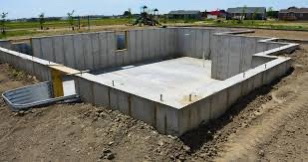
When considering the foundation of a building, the choice can directly influence not only the structure’s stability but also its functional space. Among the various foundation types, the basement foundation stands out, offering both a robust foundation and additional living or utility space. In this article, we shall unravel the facets of a basement foundation, examining its construction, advantages, and inherent challenges.
What is a Basement Foundation?
A basement foundation is a type of deep foundation that extends below the ground level to create an underground room or space. Basement foundations serve two main purposes: they provide a solid base for the structure above, and they can be used for additional living, recreational, storage, or utility space.
Basement foundations are typically made of concrete or masonry, and they are supported by footings that are embedded in the soil. The depth of a basement foundation depends on the bearing capacity of the soil and the weight of the structure above.
Basement foundations can be a valuable asset to a home, as they can provide additional space, reduce energy costs, and improve the overall value of the property. However, they can also be more expensive to build and maintain than other types of foundations.
Key Features of Basement Foundations
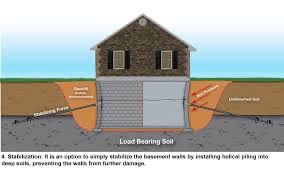
Basement foundations are deep foundations that extend below the ground surface to create an underground room or space. They have four key features:
- Depth: Basement foundations typically extend several feet below the ground surface. The depth of the basement foundation depends on the bearing capacity of the soil and the weight of the structure above.
- Walls: Basement walls are load-bearing and integral to the structure’s stability. They are often made of reinforced concrete, which is a strong and durable material.
- Flooring: Basement floors are also typically made of reinforced concrete. This provides a solid and level surface for the basement space.
- Access: Basements have stairways or ramps for access from the main building. This allows people to easily enter and exit the basement.
In addition to these key features, basement foundations may also have other features, such as windows, insulation, and drainage systems. The specific features of a basement foundation will depend on the needs of the home and the climate in which it is located.
Benefits of Basement Foundations
Basement foundations offer a number of benefits, including:
- Added space: Basements can provide additional square footage that can be used for a variety of purposes, such as living quarters, storage, or recreational areas. This can be a valuable asset, especially in small homes or apartments.
- Temperature regulation: Basements are naturally cooler in the summer and warmer in the winter, which can help to save energy costs. This is because the ground acts as a thermal mass, absorbing heat in the summer and releasing it in the winter.
- Protection: Basements can provide protection from extreme weather events, such as tornadoes, hurricanes, and floods. This is because they are below ground level, which makes them less vulnerable to damage.
- Increased property value: A well-designed and maintained basement can increase the overall value of a property. This is because it provides additional space and can also be used as a selling point.
Potential Limitations of Basement Foundations
Basement foundations offer a number of benefits, but they also have some potential limitations, including:
- Moisture issues: Basements are more susceptible to moisture intrusion than other types of foundations. This can lead to mold and mildew growth, which can damage the foundation and the contents of the basement.
- Cost: Basement foundations are more expensive to construct than other types of foundations. This is because they require more materials and labor.
- Maintenance: Basements require regular inspection and maintenance to prevent water damage and ensure structural integrity. This can be a time-consuming and expensive task.
- Limited natural light: Basements are underground, so they often have limited access to natural light. This can make them feel dark and dingy.
Considerations for Optimal Basement Construction
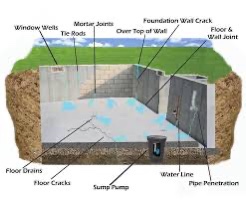
There are a few key considerations for optimal basement construction, including:
- Waterproofing: Adequate waterproofing is essential to protect the basement from groundwater intrusion and potential flooding. This can be achieved through a variety of methods, such as installing a sump pump, drainage system, or waterproofing membrane.
- Ventilation: Proper ventilation is important to prevent moisture buildup and ensure a healthy living environment. This can be achieved by installing vents in the walls and/or floor of the basement.
- Emergency exits: Building codes often mandate the inclusion of egress windows or emergency exits in basements for safety. This will allow people to escape in the event of a fire or other emergency.
- Insulation: Proper insulation can enhance the basement’s energy efficiency and comfort. This can be achieved by insulating the walls, floor, and ceiling of the basement.
A basement foundation, with its dual benefits of providing a robust base and additional space, remains a popular choice for many homeowners and builders. However, the key to a successful basement lies in its design, construction, and maintenance. By addressing potential challenges head-on and leveraging its advantages, a basement can become an integral and valued part of any structure.








Leave a comment