
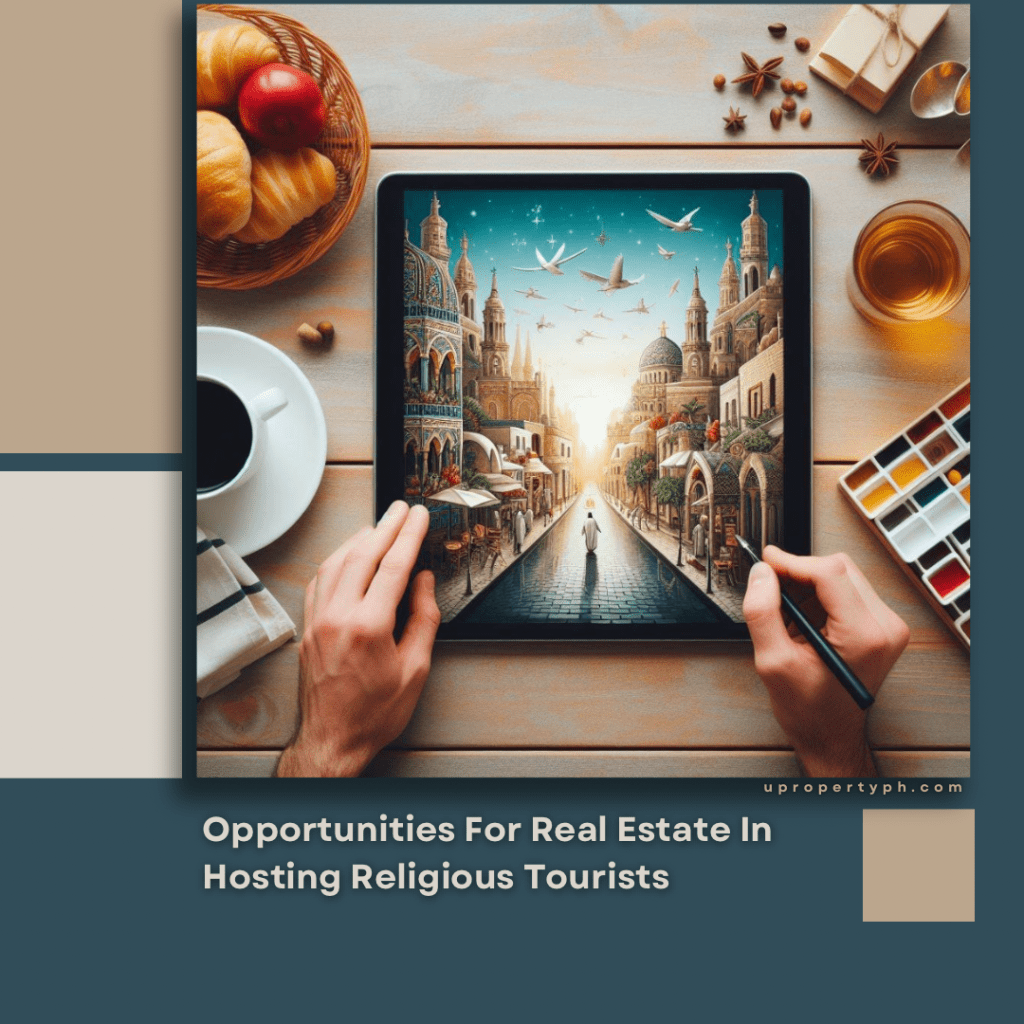
As the solemnity of Holy Week approaches, the world’s Christian communities prepare to commemorate the Passion, Death, and Resurrection of Jesus Christ. This period of deep reflection and renewal draws millions of pilgrims and tourists to various sacred sites worldwide, creating a unique intersection between spirituality and tourism.
The Significance of Holy Week
Holy Week stands as the pinnacle of the Christian liturgical year, marked by a series of events that hold profound religious significance. From Palm Sunday’s celebration of Jesus’ triumphant entry into Jerusalem to Easter Sunday’s joyous recognition of His Resurrection, each day offers a moment for believers to deepen their faith.
Each day of Holy Week offers a unique opportunity for believers to engage with their faith through reflection, prayer, and community. It’s a time to remember the events that are central to Christianity and to meditate on the deeper meanings of sacrifice, redemption, and resurrection.
Strategic Location and Increased Demand
During Holy Week, properties located along pilgrimage routes or near religious landmarks and historic churches are in high demand. The strategic placement of these properties provides easy access to religious ceremonies and events, which is particularly appealing to those who travel from afar to participate in Holy Week observances.
This demand translates into economic benefits for property owners and investors. Rental rates for accommodations in these areas can surge due to the high volume of visitors, leading to increased revenue. Occupancy rates also spike, as rooms and homes are filled with tourists and pilgrims, ensuring that properties are utilized to their full potential during this peak season.
For real estate investors, the consistent annual demand during Holy Week can make these properties particularly attractive. They represent not just a seasonal investment but also a stable source of income that can be anticipated and planned for each year. Moreover, properties that cater to religious tourists often enjoy a reputation for being part of the Holy Week tradition, which can enhance their value and appeal.
Diversification of Real Estate Offerings
The real estate sector has a unique opportunity to serve the varied preferences of religious tourists by offering a spectrum of accommodations. On one end of the spectrum, budget-friendly guesthouses provide basic amenities at an affordable price, making them accessible to a wider audience. These accommodations are often favored by travelers who prioritize the spiritual experience over luxury and are content with simple lodging.
On the other end, there are tourists who seek more than just basic amenities and are willing to pay for luxury. For them, high-end hotels that offer a blend of comfort, convenience, and premium services are desirable. These establishments often provide additional facilities such as guided tours, transportation services, and gourmet dining options, enhancing the overall pilgrimage experience.
Modern comforts such as Wi-Fi, online booking systems, and contemporary room amenities are now expected by many travelers. Real estate offerings can integrate these features in a way that does not detract from the reflective and respectful atmosphere of Holy Week. For example, silent zones could be established where technology use is limited, or tech amenities could be offered in a way that encourages sharing the pilgrimage experience with loved ones back home.
Cultural and Economic Synergy
The arrival of pilgrims and religious tourists provides an opportunity for local communities to display their rich traditions and customs. Economically, the presence of religious tourists has a multiplier effect on the local economy. Accommodations like hotels and guesthouses are just the starting point. The benefits extend to local eateries, which often experience a surge in patronage as visitors seek to experience local cuisine. Transportation services, including taxis, buses, and rental cars, also see increased demand as tourists move between various religious sites.
Tourism-related businesses such as souvenir shops, tour operators, and cultural event organizers also benefit from the influx of visitors. These businesses often experience their peak season during Holy Week, which can significantly contribute to their annual revenue.
The economic impact of religious tourism is not limited to the Holy Week alone. The infrastructure improvements and service enhancements made to accommodate the Holy Week crowds can have lasting benefits, contributing to sustainable economic growth in the region. This includes better maintenance of historical sites, improved public facilities, and enhanced service standards in the hospitality sector.
Sustainable Tourism and Long-term Benefits
Real estate stakeholders have the opportunity to promote sustainable tourism by ensuring that their developments respect the cultural and historical significance of the pilgrimage sites. By doing so, they can attract religious tourists not only during Holy Week but throughout the year, ensuring long-term benefits and growth for the sector.
The convergence of Holy Week and hospitality opens up a realm of possibilities for the real estate sector. By understanding the unique needs of religious tourists and providing suitable accommodations, real estate can play a pivotal role in enhancing the pilgrimage experience while reaping significant economic rewards.




 U-Property PH
Leave a comment