
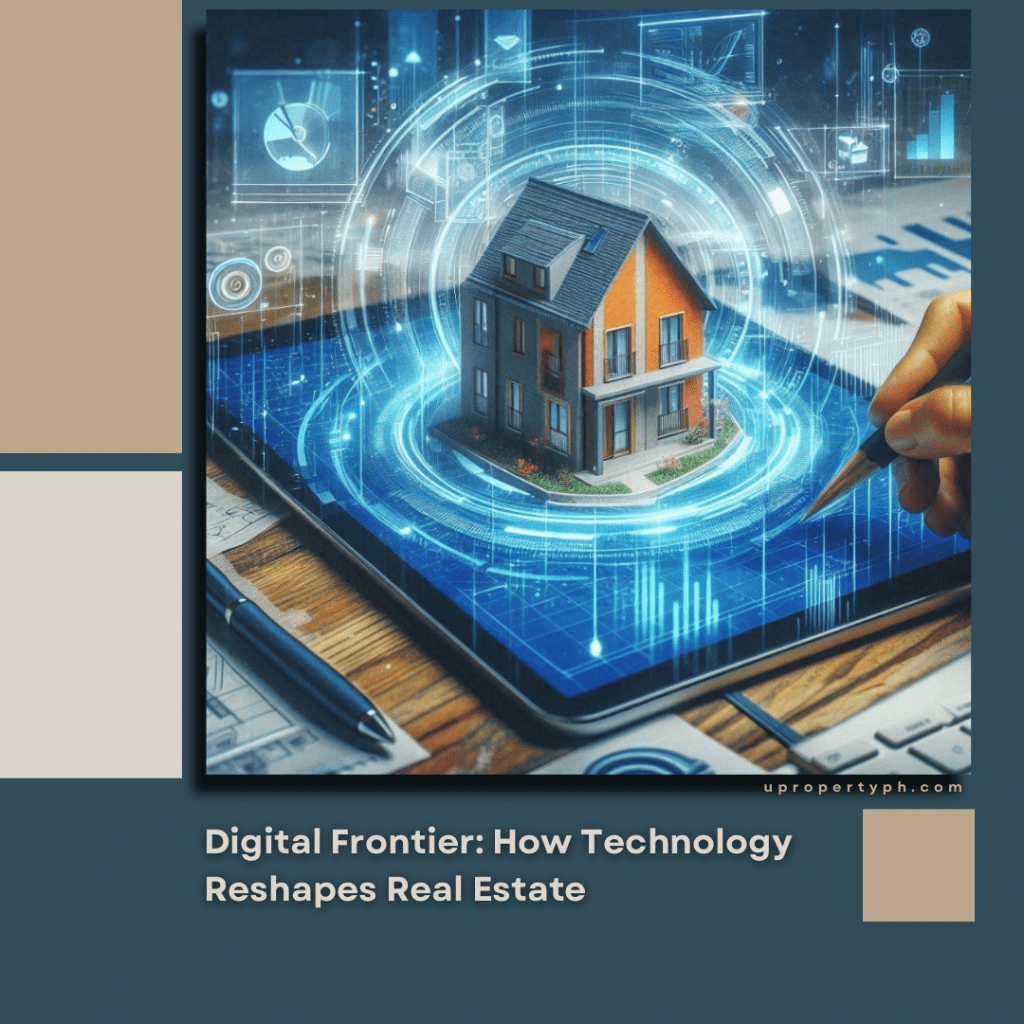
The real estate industry has experienced a revolution in recent years, as technology has become more advanced and accessible. Let’s explore how these technological advancements are shaping the sector in 2024.
Virtual Tours and Automated Listings
Virtual Tours:
- Transformation of Property Exploration: Virtual reality (VR) and augmented reality (AR) have revolutionized how potential buyers explore properties. Instead of physically visiting each home, buyers can now take immersive 3D tours. These tours provide a realistic experience, allowing users to virtually walk through rooms, inspect architectural details, and even gauge the flow of spaces—all from the comfort of their own homes.
- Enhanced Visualization: Virtual tours offer a level of visualization that static images or floor plans cannot match. Buyers can understand the layout, spatial relationships, and overall ambiance of a property. Whether it’s a cozy apartment or a sprawling mansion, VR tours provide a comprehensive view.
- Time and Convenience: Buyers save time and effort by narrowing down their choices through virtual tours. They can explore multiple properties in a single session, eliminating the need for physical travel. Additionally, these tours are available 24/7, accommodating different schedules and time zones.
Automated Listings:
- Streamlined Listing Process: Traditionally, listing a property involved manual data entry, paperwork, and coordination with real estate agents. Automated listing platforms simplify this process. Sellers can upload property details, high-quality photos, and videos directly onto listing websites. The automation ensures accuracy and consistency across platforms.
- Wider Audience Reach: Automated listings instantly reach a broader audience. Once uploaded, properties become accessible to potential buyers worldwide. This global exposure increases the chances of finding the right buyer quickly.
- AI-Driven Insights: AI algorithms play a crucial role. They analyze market trends, historical data, and comparable properties to suggest optimal listing prices. Sellers receive data-driven recommendations, helping them make informed decisions. Additionally, AI can identify potential buyers based on preferences and behavior patterns.
Data-Driven Decision Making
Predictive Analytics:
- Identifying Market Trends: Predictive analytics leverages historical data to identify patterns and trends in the real estate market. By analyzing factors such as property prices, demand, and supply, professionals can anticipate shifts and adjust their strategies accordingly.
- Forecasting Property Values: Predictive models estimate future property values based on existing data. These models consider variables like location, economic indicators, and neighborhood development. Investors and homeowners can make informed decisions about buying, selling, or holding properties.
- Assessing Investment Opportunities: Real estate professionals use predictive analytics to evaluate investment opportunities. Whether it’s a residential property, commercial space, or land, data-driven insights guide decisions. For instance, predictive models can assess the potential return on investment (ROI) for a specific property type.
Machine Learning:
- Personalized Recommendations: Machine learning algorithms analyze vast datasets, including buyer preferences, historical transactions, and property features. Based on this information, they recommend personalized listings to potential buyers. These recommendations consider factors like location, amenities, and budget.
- Pricing Strategies: Machine learning helps optimize property pricing. Algorithms analyze market dynamics, competitor prices, and historical sales data. Whether it’s setting an initial listing price or adjusting it during negotiations, machine learning enhances accuracy.
- Property Management Efficiency: Real estate companies use machine learning for efficient property management. From maintenance schedules to tenant screening, automation streamlines processes. Predictive maintenance models even identify potential issues before they escalate.
Blockchain and Smart Contracts
Blockchain:
- Transparency and Security: Blockchain, as a decentralized ledger, ensures transparency and security in real estate transactions. Each property transaction is recorded as a block, forming an immutable chain. This transparency reduces the risk of fraud and provides a trustworthy record of ownership.
- Title Verification: Blockchain verifies property ownership by linking titles to unique digital tokens. These tokens represent specific properties and are stored on the blockchain. Buyers can easily verify ownership history, preventing disputes and ensuring clear title transfers.
- Fraud Prevention: Immutable records prevent unauthorized changes. Unlike traditional paper-based systems, where forged documents can lead to property disputes, blockchain’s tamper-proof nature enhances security.
Smart Contracts:
- Automated Processes: Smart contracts are self-executing agreements written in code. In real estate, they automate various processes, such as property sales, lease agreements, and rent payments. When predefined conditions are met (e.g., payment received), the contract executes automatically.
- Eliminating Intermediaries: Smart contracts reduce reliance on intermediaries (e.g., real estate agents, escrow services). Buyers and sellers interact directly, streamlining transactions. This efficiency saves time and reduces costs.
- Paperwork Reduction: Traditional real estate transactions involve extensive paperwork. Smart contracts digitize and automate these processes, minimizing paperwork and administrative overhead.
Remote Work and Space Redefinition
Remote Work Impact:
- Acceleration of Remote Work: The COVID-19 pandemic accelerated the adoption of remote work. Companies realized that productivity isn’t solely dependent on physical office spaces. As employees increasingly work from home or flexible locations, the demand for traditional office spaces has shifted.
- Challenges for Commercial Real Estate: Commercial real estate faces significant challenges. Office spaces may shrink as companies reevaluate their spatial needs. Some businesses opt for flexible arrangements, such as hot-desking or shared workspaces, reducing the overall footprint.
- Suburban Appeal: With remote work becoming more prevalent, suburban properties gain appeal. Employees seek homes with dedicated home offices, outdoor spaces, and proximity to amenities. Suburbs offer a balance between work and lifestyle.
Mixed-Use Developments:
- Multifunctional Spaces: Developers now focus on mixed-use developments—spaces where people can live, work, and play seamlessly. These integrated environments combine residential, commercial, and recreational areas. For instance, a building might have apartments, offices, shops, and green spaces all in one location.
- Catering to Lifestyle Preferences: Mixed-use developments cater to changing lifestyle preferences. Residents can walk to work, access amenities, and enjoy leisure activities—all within the same community. This trend aligns with the desire for convenience and work-life balance.
In this digital age, embracing technological innovations is essential for real estate professionals. Efficiency, transparency, and improved customer experiences are the keys to success. As the industry evolves, staying adaptable and tech-savvy will be crucial.






 U-Property PH
Leave a comment