
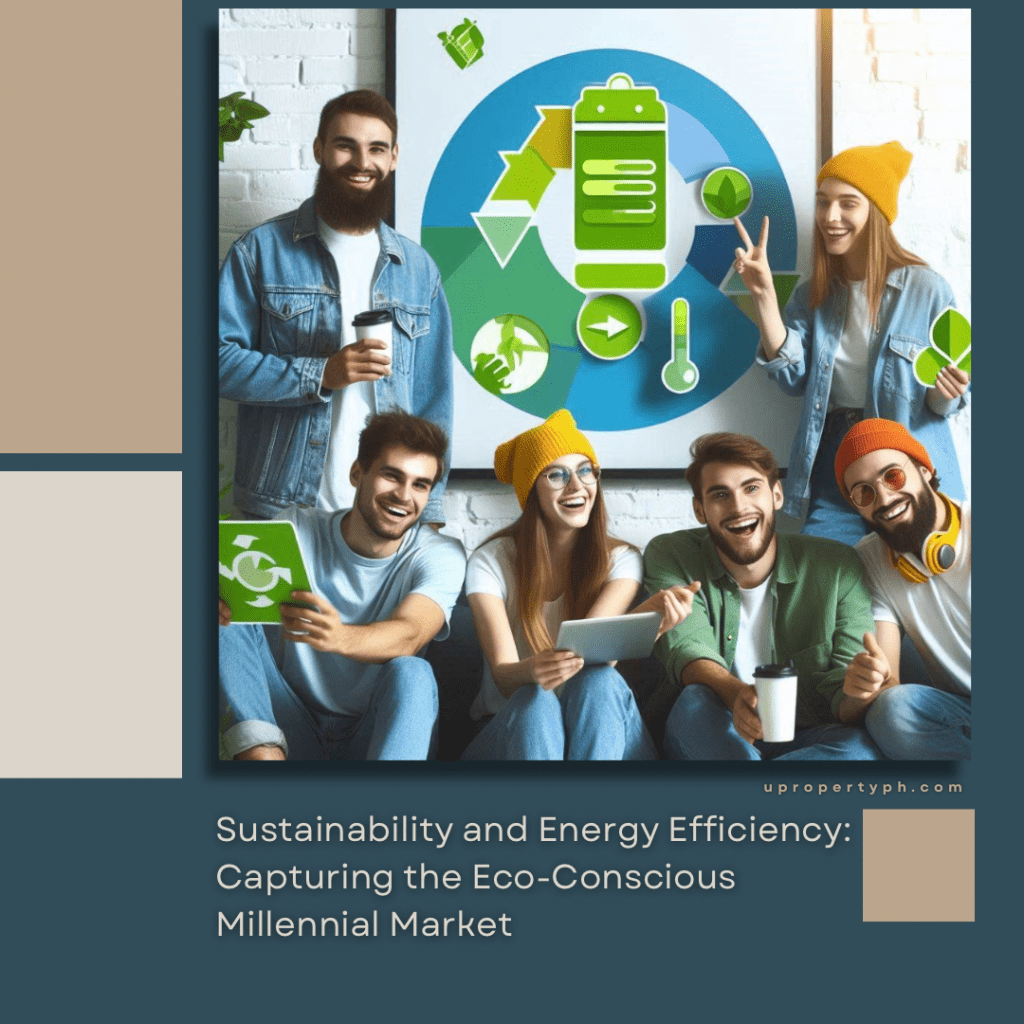
Millennials, often referred to as the “green generation,” place a high value on sustainability and energy efficiency. This demographic is more environmentally conscious than previous generations, and their purchasing decisions often reflect a desire to minimize their carbon footprint and contribute to a more sustainable future. Understanding this mindset is essential for real estate professionals who want to connect with millennial buyers. Here’s how sustainability and energy efficiency can become key selling points in your marketing strategy:
Energy-Efficient Appliances and Systems
Energy efficiency is a top priority for millennial homebuyers. They are drawn to homes equipped with energy-efficient appliances such as Energy Star-rated refrigerators, dishwashers, and washing machines. Additionally, energy-efficient HVAC systems, LED lighting, and low-flow plumbing fixtures not only reduce utility bills but also contribute to a home’s overall sustainability. When marketing properties, it’s important to highlight these features, emphasizing the long-term savings and environmental benefits they offer.
Sustainable Building Materials
The use of sustainable building materials is another significant factor for millennial buyers. Homes constructed with eco-friendly materials, such as bamboo flooring, reclaimed wood, recycled steel, or low-VOC (volatile organic compounds) paints, appeal to this generation’s desire to reduce their environmental impact. These materials are not only better for the environment but also for the health of the home’s occupants, as they often contain fewer harmful chemicals.
Renewable Energy Sources
Solar panels, wind turbines, and geothermal energy systems are attractive features for millennial homebuyers who are interested in renewable energy sources. Homes that generate their own energy or supplement their energy needs with renewables can significantly reduce utility costs and contribute to a more sustainable lifestyle. Marketing these features can set a property apart in a competitive market, especially for buyers who prioritize energy independence and environmental stewardship.
Smart Home Technology for Energy Management
Millennials are tech-savvy and appreciate smart home technology that allows them to monitor and control energy usage. Smart thermostats, energy-efficient lighting systems that can be controlled via smartphone, and advanced home energy management systems that optimize electricity usage are highly desirable. These technologies not only enhance convenience but also contribute to energy savings and sustainability, making them strong selling points.
Eco-Friendly Landscaping
Sustainable landscaping practices, such as xeriscaping (which reduces the need for irrigation), planting native species, or installing rainwater harvesting systems, resonate with millennial buyers. These practices reduce water usage and maintenance while supporting local ecosystems. Highlighting a property’s eco-friendly landscaping can attract buyers who are mindful of water conservation and environmental impact.
Green Certifications and Ratings
Homes with green certifications, such as LEED (Leadership in Energy and Environmental Design), ENERGY STAR, or the National Green Building Standard (NGBS), have an added layer of appeal for millennial buyers. These certifications provide third-party validation of a property’s environmental performance, giving buyers confidence that the home meets high standards for sustainability and energy efficiency. Including these certifications in your marketing materials can enhance a property’s attractiveness to eco-conscious clients.
Health and Wellness Benefits
Sustainability and energy efficiency are not just about environmental impact; they also tie into health and wellness. Millennials are increasingly aware of the impact of indoor air quality, natural light, and non-toxic materials on their health. Homes that prioritize these elements, such as those with ample natural light, good ventilation, and non-toxic building materials, can be marketed as promoting both physical and mental well-being, further appealing to this health-conscious generation.
Community and Lifestyle Impact
Beyond the individual home, millennials are also interested in the broader environmental impact of their communities. Properties located in eco-friendly neighborhoods, near green spaces, or in communities with a focus on sustainability initiatives, such as bike-sharing programs or community gardens, are particularly appealing. Emphasizing these aspects in your marketing can help millennial buyers see how their home choice aligns with their values.
Incorporating Sustainability into Your Marketing Strategy
When marketing to millennial homebuyers, it’s essential to showcase a property’s sustainable and energy-efficient features clearly and prominently. Use eco-friendly language in your listings, provide detailed information on the benefits of these features, and, where possible, quantify the cost savings and environmental impact. Visual aids, such as infographics that explain energy savings or videos that highlight sustainable features, can also be highly effective in capturing attention.
Additionally, consider hosting open houses or virtual tours that specifically highlight a home’s green features. Partnering with local eco-friendly businesses or organizations for these events can further strengthen your appeal to millennial buyers.
By aligning your marketing efforts with the sustainability values of millennial buyers, you can not only attract this influential demographic but also contribute to a growing movement toward more environmentally responsible living. This approach not only helps you connect with millennials on a deeper level but also positions you as a forward-thinking real estate professional in a rapidly evolving market.






Leave a reply to The Millennial Homebuyer: What They Want and How to Reach Them – U-Property PH Cancel reply