
In a dynamic property market filled with condominiums and ready-built homes, the residential lot stands out as a timeless and strategic asset. If you’re dreaming of a custom-built home, planning a meaningful legacy for future generations, or looking for a strategic long-term investment, understanding the distinct advantages of owning land ownership is essential.
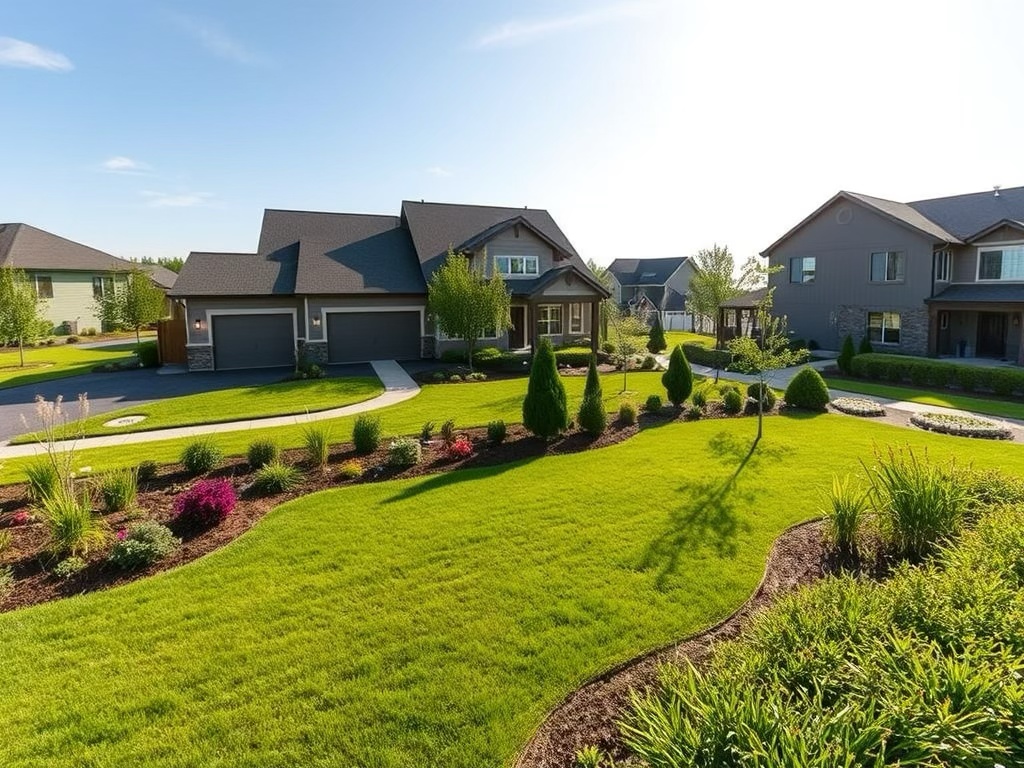
This comprehensive guide will walk you through everything you need to know about residential lots in the Philippines. We’ll cover what they are, why they remain a smart choice, who will benefit the most from them, and crucial steps to take before making a purchase. Let this serve as your roadmap to making a confident, well-informed decision in your property journey.
I. Understanding Residential Lots
Before we dive into the “why,” let’s first define the “what.” A residential lot isn’t just a parcel of land—it’s a blank canvas where your vision, lifestyle, and future can take root.
Defining Residential Lots
At its core, a residential lot is a parcel of land specifically zoned and designated for housing purposes. In simple terms, it’s legally approved as a space where residential structures—like single-family homes or townhouses—can be built.
Types of Residential Lots
- Planned Subdivisions: These are popular for their organized layout, good road access, and nearby amenities like clubhouses, parks, and 24/7 security. Developed by trusted real estate firms, they provide a structured community living environment.
- Raw Land in Developing Areas: These are usually larger and more affordable pieces of land in rural or emerging urban areas. They may need some work to connect to utilities, but they offer good long-term potential as infrastructure and nearby communities grow.
- Individual Lots in Established Urban Neighborhoods: Older homes are often demolished, and the land is sold for new development. These lots are beneficial because they are in mature areas with existing city infrastructure, established communities, and essential services.
The Significance of Land Titles
- Transfer Certificate of Title (TCT): A TCT proves that a lot is legally owned by someone. It is your main proof of ownership and the title you will transfer to your name after buying the property.
- Mother Title (Subdivided Lots): In new developments, many lots are included under one “mother title” owned by the developer. Once buyers finish payments and provide necessary documents, individual titles are created and given to them. Knowing this process is important when buying from a developer, as it impacts ownership timing and legal clarity.
The “Blank Slate” Advantage
This is arguably the most exciting benefit of owning a residential lot. Unlike a pre-built home, a lot gives you the unique freedom to design and build a home that fully reflects your vision, lifestyle, and timeline. You have complete control over the layout, materials, and pace of construction, ensuring the final result is exactly what you’ve envisioned.
II. Why Choose a Residential Lot?
Investing in a residential lot is more than just a transaction—it’s a strategic decision that brings a unique set of advantages. If you’re focused on building long-term wealth and crafting a lifestyle tailored to your needs, here’s why a residential lot should be at the top of your list.
A. Ultimate Freedom and Customization:
- Tailor-Made Design: Create your own garden, a home office with great views, a space for multi-generational living, or a kitchen ideal for family feasts. A residential lot allows you to design and build these unique features without the constraints of standard plans.
- Choice of Materials and Finishes: With a residential lot, you control the quality and selection of materials, from foundation to finishing touches. This ensures your home meets durability standards and reflects your personal style.
- Phased Construction Flexibility: Build at your own pace according to your budget and timeline. Start with a basic structure and expand or upgrade later as your resources allow, helping you avoid large loans for unnecessary features.
- Future-Proofing Your Home: Design your home for future needs—like a growing family or aging parents. This adaptability is a luxury that pre-built homes often lack, allowing your space to evolve with you.
B. Strategic Financial Prudence:
- Lower Initial Cash Outlay: Buying only the land usually needs less money upfront than a house-and-lot package. This makes it easier for first-time buyers or those managing their budgets to own property.
- Deferred Construction Costs: Securing the land at current prices lets you delay construction costs until you’re ready. This gives you time to plan and build at your own pace.
- Control Over Construction Budget: By managing the construction yourself or working closely with your contractor, you can better control spending. This helps you focus your budget on what matters most, avoiding unnecessary expenses.
- Potential for Value Engineering: You can make smart choices during design and construction to save costs while maintaining quality—something not possible when buying a finished home. This flexibility helps you maximize value within your budget.
C. Strong Long-Term Appreciation:
- Land Values Historically Trend Upward: Land is a limited resource that generally increases in value, particularly in developing areas. Unlike buildings, which can lose value, land usually retains or gains value, making it a solid long-term investment.
- Leveraging Growth Corridors: Investing in residential lots near economic growth areas—like new highways, airports, or business parks—can lead to higher returns as demand and property values increase with development.
- Creating Generational Wealth: A well-chosen residential lot can be a lasting legacy for your family—an asset passed down to children or grandchildren, providing them financial security and a foundation for their future.
- Tangible and Secure Asset: Land is a physical asset that you can see and touch. During economic uncertainty, real estate, particularly land, is seen as a stable and reliable investment.
D. Lower Initial Maintenance and Holding Costs
- Minimal Upkeep Before Development: A vacant lot requires little maintenance compared to houses or condos. With only occasional clearing or perimeter security needed, ongoing costs are low, making it an easy asset to manage while planning for development.
- No Immediate Repair or Renovation Concerns: Buying a residential lot avoids hidden issues or costly repairs, offering you peace of mind and financial flexibility until you’re ready to build.
- Lower Utility Bills (Pre-Construction): Until construction starts, you won’t pay for utilities like electricity, water, or internet—keeping your holding costs low while you prepare for development.
- Focus on Planning, Not Fixing: Owning a residential lot early allows you to dedicate your time and resources to planning your future home or investment, without the distractions or expenses of maintaining an existing building.
III. Why Invest in Philippine Land?
Beyond the personal advantages of owning a residential lot, the broader Philippine landscape makes land an especially compelling investment. Think of it this way—you’re not just acquiring a piece of earth; you’re securing a stake in the country’s ongoing growth and development.
1. The Enduring Value of Land as a Finite Resource
Mark Twain once said, “Buy land, they’re not making it anymore”—a truth that resonates deeply in an archipelago like the Philippines. As the population grows and the economy advances, demand for strategically located land for housing, business, and infrastructure steadily rises—naturally increasing its long-term value and investment appeal.
2. Thriving Growth Corridors and Emerging Provincial Hubs
The Philippines is undergoing robust development beyond the bounds of Metro Manila. Regions such as CALABARZON (Cavite, Laguna, Batangas, Rizal, Quezon), Central Luzon, and key provincial capitals in the Visayas and Mindanao are experiencing rapid urbanization and major infrastructure upgrades. Investing in residential lots within these high-potential areas can deliver substantial returns. Locations positioned near new expressways, railway systems, airports, or industrial parks often enjoy accelerated land value appreciation, making them strategic choices for forward-thinking investors.
3. Government Infrastructure Push as a Value Multiplier
Ongoing government initiatives like “Build, Better, More” are key drivers in boosting land values. As road networks, bridges, airports, and public transportation systems improve, previously underserved areas become more accessible and desirable, sparking a ripple effect that elevates surrounding property prices. Savvy investors target locations set to benefit from these upcoming infrastructure projects, knowing they can yield significant returns as development unfolds.
4. Land as a Reliable Hedge Against Inflation
Over the long term, real estate—especially land—has proven to be a strong hedge against inflation. While the purchasing power of cash may diminish over time, the value of strategically located land often keeps pace with or even outpaces inflation, effectively preserving and growing your capital.
5. A Tangible Asset for Building Generational Wealth and Security
Land ownership offers both a sense of security and a solid foundation for long-term wealth building. As a tangible asset, it can be passed down through generations, creating a lasting legacy of stability and opportunity for your family. For many Filipinos, owning land is a cornerstone of financial independence and a source of immense pride, ensuring future generations are equipped for success.
IV. Who Should Consider Investing in a Residential Lot? Is This Path for You?
While land ownership holds broad appeal, it’s especially a strategic move for certain individuals and families. Let’s explore who stands to benefit the most from this investment:
- Aspiring Homeowners with Unique Needs: If you’ve looked at many pre-built homes but none fit your family’s lifestyle or preferences, a residential lot is a great option. It allows you to design and build a home tailored to your vision, from scratch.
- Overseas Filipino Workers (OFWs) Planning a Future Homecoming: Many OFWs dream of returning to a home they’ve designed and built. Buying a residential lot while abroad allows you to secure land at current prices. This gives you time to save and plan your dream home for your return, making that homecoming dream more achievable.
- Astute Investors Focused on Strategic Land Banking: For investors looking at growth areas, land banking can be very profitable. This means buying lots in promising locations and holding them as their value rises, allowing for a future sale at a profit—without needing immediate development.
- Parents and Guardians Building a Legacy for Their Children: A residential lot is a valuable investment for future generations. Many parents buy land to give their children an asset they can build on, sell, or use as collateral. This is a practical way to ensure their financial future and create a lasting legacy.
- Builders, Small-Scale Developers, and Construction Professionals: For those in the construction industry, buying residential lots is a business opportunity. You can build spec homes (homes built for sale) or provide design-and-build services, using your expertise to create sought-after properties and earn significant profits.
V. Key Considerations: Your Due Diligence Checklist Before Buying
Purchasing land is a major commitment, and conducting thorough due diligence is essential for a smooth and secure transaction. Here’s what you need to know and carefully investigate before moving forward:
Verify Land Title and Legal Status – The Absolute Priority:
- Clean Title (TCT): Always ask for a recent “Certified True Copy” of the Transfer Certificate of Title from the Registry of Deeds. Check that the title is in the seller’s name and has no liens, debts, or legal issues.
- Tax Declaration: Verify the TCT details with the latest Tax Declaration from the local Assessor’s Office for accuracy.
- Seller’s Identity: Verify the seller’s identity and ensure they can legally sell the property, possibly using a Special Power of Attorney if representing someone else.
- Developer Legitimacy (if applicable): Verify the developer’s License to Sell and Certificate of Registration with the Department of Human Settlements and Urban Development (DHSUD) to ensure they are authorized to operate.
Location, Accessibility, and Future Development Plans:
- Proximity to Essentials: Check how easily you can access important places like roads, public transport, schools, hospitals, markets, and workplaces.
- Neighborhood Character: Visit at different times to see the community, check noise levels, and assess the area’s safety.
- Local Government Plans: Check the area’s Comprehensive Land Use Plan (CLUP) and ask about any upcoming infrastructure projects or zoning changes that may impact the property’s value or use.
Availability of Utilities and Essential Infrastructure:
- Water Source: Check if the property has a reliable water supply from the local district or if a deep well is needed.
- Electricity: Check for power lines and ask how to connect to the local electric provider.
- Telecommunications: Check for reliable internet (preferably fiber optic), cable TV, and landline services in the area.
- Drainage and Sewerage: Check the drainage system and see if the property is connected to a sewer or needs a septic tank.
Understanding Zoning Ordinances and Building Restrictions:
- Zoning Classification: Check with the local Planning Office to ensure the lot is zoned for residential use.
- Deed of Restrictions (for Subdivisions): If the lot is in a subdivision, get a copy of the Deed of Restrictions. This document includes rules for building designs, setbacks, fence heights, allowed structures, and sometimes color schemes.
- Building Code Compliance: Familiarize yourself with the National Building Code of the Philippines, which outlines important construction standards for safety and design. Following these guidelines is vital for any future development on the lot.
Assessing Terrain, Flood Risk, and Potential Geohazards:
- Topography: Evaluate the lot’s terrain—flat, sloping, or hilly—as it impacts construction costs and design options. A sloped lot may need extra foundation work, while a flat lot is easier and cheaper to develop.
- Flood History: Investigate the area’s flood history by talking to locals and checking government hazard maps, like those from Project NOAH or DENR-MGB, to understand the flood risk and make informed choices.
- Soil Stability and Fault Lines: For major investments, consider a soil test or consult a geodetic engineer to check soil stability and proximity to earthquake fault lines for a safe foundation.
Understanding Tax Obligations and Other Fees:
- Real Property Tax (RPT): Make sure the Real Property Tax is current and paid on time. Remember, even empty lots have annual tax requirements that must be fulfilled to prevent penalties.
- Capital Gains Tax (CGT): This tax is usually the seller’s responsibility, but buyers should ensure it is settled correctly to prevent any delays or future issues.
- Documentary Stamp Tax (DST), Transfer Tax, and Registration Fees: These are common closing costs usually paid by the buyer. It’s smart to ask for a breakdown and estimate ahead of time to budget for the total acquisition cost.
VI. Navigating Financing Options for Your Lot Purchase
Securing the right financing is crucial to turning your dream of land ownership into reality. The good news? Buyers in the Philippines have multiple financing options to choose from, each tailored to different needs and financial situations.
Bank Financing (Lot-Only Loans):
- What to Expect: Many banks in the Philippines offer loans for buying residential lots. You can usually borrow 60% to 80% of the lot’s appraised value, based on the bank’s rules and your financial situation.
- Interest Rates and Terms: Lot-only loans usually have higher interest rates and shorter terms—typically 5 to 15 years—than house-and-lot loans. This is due to the higher risk associated with undeveloped land.
- Requirements: To apply, submit valid IDs, proof of income (like payslips or financial statements), and property documents for appraisal. A good credit standing improves your chances of approval and better terms.
Pag-IBIG Fund Loans (Lot Purchase):
- A Government-Backed Option: Active Pag-IBIG Fund members can use government-supported financing to buy residential lots. Although the maximum loan amount for lots is typically lower than that for house-and-lot packages, Pag-IBIG usually provides competitive interest rates and longer terms, making it a budget-friendly choice.
- Membership and Contribution Requirements: Borrowers must meet minimum membership criteria, including at least 24 monthly contributions. Consistency and active status are essential for eligibility.
- Purpose: The loan is for buying a residential lot, in a subdivision, developed area, or for future building.
In-House Financing from Developers:
- Advantages: In-house financing usually has easier approval criteria and lower initial payments than standard bank loans, making it a quick and convenient choice for buying lots, especially for those with limited credit or unusual income.
- Drawbacks: Higher interest rates and shorter repayment terms, usually 2 to 5 years, with some up to 10 years. Without proper planning, the total cost may exceed that of bank financing.
- Best For: Buyers who can manage higher monthly payments in a shorter time or plan to refinance after gaining enough equity in the property.
Cash Purchases and Leveraging Pre-Selling Advantages:
- Cash Purchase: Paying in full upfront helps you negotiate discounts and avoids loan approvals, interest payments, and financing delays—making the process quicker and simpler.
- Pre-Selling Lots: Buying during the pre-selling phase lets you secure lower prices and flexible payment options. It’s a smart choice for long-term investors and future homeowners. However, be sure to thoroughly check the developer’s background and licenses to reduce risk.
Pro Tip: Before committing to a loan, compare offers from different lenders. Look beyond the interest rate; check for processing fees, hidden costs, prepayment penalties, and payment flexibility. For expert advice and better negotiation, consider talking to a mortgage broker or a trusted real estate advisor. Their help can prevent costly mistakes and help you get the best terms.
VII. Weighing the Pros and Cons: A Balanced Perspective
Every investment comes with its own set of pros and cons. Understanding both sides clearly empowers you to make a well-informed decision—one that aligns with your financial goals, risk tolerance, and long-term plans.
Requires Diligence and Effort: Acquiring the right lot and managing development requires significant time and research for success.
| The Upsides (Pros): | The Considerations (Cons): |
|---|---|
| Unmatched Design Freedom: You have full control over the design of your future home, letting you customize every detail to fit your needs and preferences. | No Immediate Shelter: A vacant lot doesn’t offer shelter or living space like a house does, so you’ll need to wait for development plans to begin. |
| Significant Appreciation Potential: Land in good or developing locations usually increases in value over time, making it a strong choice for long-term wealth growth. | Substantial Capital for Construction: Building a home on your lot requires a large financial investment, both for the land and the construction. |
| Lower Initial Investment: Buying land typically needs a smaller upfront payment than buying a house, making it easier for many buyers. | Potentially Slower Liquidity: Selling undeveloped land can take more time than selling a built house, especially in slow markets or less popular areas. |
| Legacy Building: Land is a valuable resource that can be passed down through generations, providing lasting security for your family. | No Rental Income (Initially): Without a rental structure, the lot doesn’t provide immediate passive income, reducing its cash flow potential until development happens. |
| Control Over Timeline: You can build your dream home at your own pace, without worries about market changes or tight construction deadlines. | Ongoing Property Taxes: Even if the lot isn’t developed, you still have to pay annual Real Property Taxes, increasing your holding costs. |
| Lower Holding Costs (Pre-Development): Owning vacant land has low ongoing costs, letting you plan and save for future development without large expenses. | Requires Diligence and Effort: Acquiring the right lot and managing development requires significant time and research for success. |
The Takeaway: While the “cons” can be intimidating, they are usually manageable with good planning and patience. For many, the benefits of owning land—like increasing value, creative control, and building a legacy—often outweigh these issues.
VIII. Voices from the Community: Real Stories, Real Insights
Hearing from those who have already walked this path can offer invaluable insights and guidance.
“We bought our lot in Silang, Cavite, five years before we planned to build. It was much more affordable then. Now, the access roads have improved, and its value has almost tripled. Next year, we’ll begin construction on our dream retirement home, exactly as we envisioned.” – Mr. and Mrs. Dela Cruz, Future Retirees
“As an architect, I always tell my clients: if you have a clear vision for your home, start with the land. The creative freedom it gives you is priceless. I bought my own lot in Rizal, and designing my family’s space from scratch has been the most rewarding project of my career.” – Arch. Isabelle Gomez, Design Professional
“My parents bought a small lot for me in Laguna when I was just starting my career. I didn’t think much of it then, but now, 10 years later, it’s a prime piece of land. It gave me the option to build or use its value to invest further. It was an incredible gift of foresight.” – John B., Marketing Manager & Future Homebuilder
IX. Frequently Asked Questions (FAQs)
| Can foreigners own residential lots in the Philippines? |
| In general, no. The Philippine Constitution limits land ownership to Filipino citizens and corporations that are at least 60% Filipino-owned. However, foreigners can lease land for up to 50 years, with a possible 25-year renewal. They can own a house on leased land and may also acquire land through inheritance from a Filipino spouse. |
| Is a loan for a residential lot different from a regular home loan? |
| Yes, it is. Lot-only loans usually have different terms. Banks view undeveloped land as riskier than developed properties, which can lead to higher interest rates, lower loan-to-value ratios (meaning a bigger down payment), and shorter repayment periods compared to regular home loans for house-and-lot packages. |
| How can I definitively verify if a land title is clean? |
| The best way to ensure the title is legitimate is to get a “Certified True Copy” of the Title (TCT for land or CCT for condominiums) from the Registry of Deeds (RD) for the property’s area. You’ll need the title number and the owner’s name. Check the document for any liens, mortgages, or legal claims. For extra security, you can ask for a “Certificate of No Property Holdings” from the RD to see if the seller has any other properties with issues or perform a “traceback” to look into the title’s history. |
| Do I need to pay Real Property Tax (RPT) on an undeveloped lot? |
| Yes—without exception. Real Property Tax (often called amilyar) is charged by the local government on all real estate, including empty or undeveloped lots. The tax is based on the land’s assessed value. Ignoring RPT obligations can lead to extra charges, interest fees, and in severe cases, the LGU may sell the property to recover unpaid taxes. Keeping track of your RPT ensures that your ownership is secure and undisputed. |
| What are the common closing costs when buying a lot? |
| Beyond the lot’s selling price, buyers should prepare for several closing costs—most of which are typically shouldered by the buyer unless otherwise negotiated. Here’s a breakdown: Documentary Stamp Tax (DST): 1.5% of the highest among the selling price, zonal value, or fair market value. Transfer Tax: Rates vary by local government unit (LGU), typically ranging from 0.5% to 0.75% of the same valuation basis as the DST. Registration Fee: A graduated fee paid to the Registry of Deeds based on the selling price or property value. Notarial Fees: Charges for notarizing the Deed of Absolute Sale and other legal documents, usually around 1% of the selling price or a fixed amount. Miscellaneous Fees: May include relocation survey fees, documentation processing, and facilitation charges. |
X. Your Next Step: Building Your Future on Solid Ground
If you value independence, vision, and the enduring potential of long-term growth, investing in a residential lot in the Philippines isn’t just a smart financial decision—it’s a powerful step toward turning your deepest aspirations into reality. Whether you envision crafting a bespoke home, securing a high-growth investment, or leaving behind a meaningful legacy for your family, land remains one of the most stable, appreciating, and empowering assets available to you.
The journey to land ownership demands thoughtful planning and well-informed choices, but the rewards are profound: the power to shape your surroundings, the security of a solid investment, and the opportunity to create something truly lasting for generations to come.
Ready to explore the possibilities?
- Browse Available Residential Lots in Key Growth Areas
- Schedule a No-Obligation Consultation with Our Land Specialists
Let’s bring your vision to life by finding the ideal piece of land where your future can take root. We’re here to guide you through every step of the process—making your path to land ownership secure, informed, and deeply rewarding.





Leave a reply to Investing in the Philippines: Your Guide to the Best Property Types – U-Property PH Cancel reply