
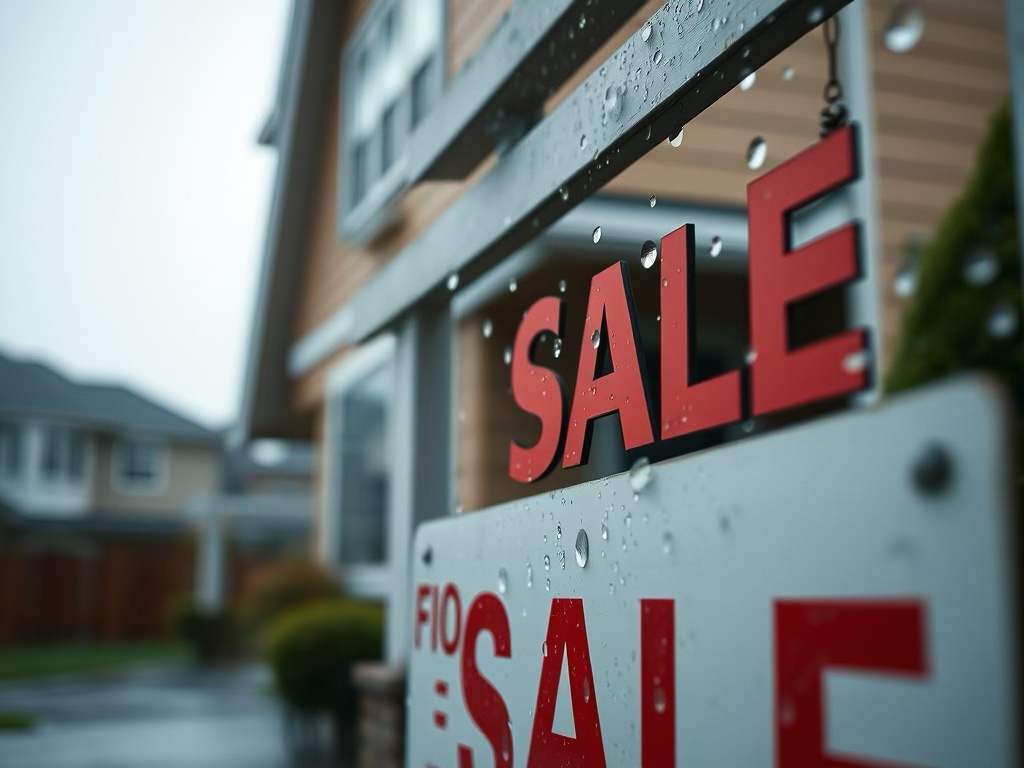
Most Filipinos think the rainy season is the worst time to hunt for a new home. Wet streets, gloomy skies, and the constant threat of flooding? Who wants to deal with that? But here’s the truth no one tells you: waiting for clear skies could cost you your dream property — and money.
Rainy season house hunting isn’t a setback; it’s a secret weapon. When the rains pour, fewer buyers are out there, sellers get motivated, and you get a real, no-filter look at the property’s true condition. From spotting hidden leaks to negotiating better deals, this season gives savvy buyers a massive advantage.
In this article, you’ll discover exactly why the habagat (South West Monsoon) season is the smartest time to buy, how to inspect properties like a pro on rainy days, and how to turn what seems like a disadvantage into your biggest bargaining chip. Ready to change your perspective—and maybe save big? Let’s dive in.
Why House-Hunting During Rainy Season Gives Buyers an Edge
Most buyers hit pause when the rainy season rolls in. But if you’re bold enough to keep searching, you’ll find yourself in a quieter, less competitive market—exactly where smart buyers thrive.
Here’s the edge: Fewer house hunters mean less pressure, less chance of bidding wars, and more power to negotiate. With fewer offers on the table, you gain the luxury of time to assess, compare, and push for better terms. Sellers listing during the habagat months often have urgent timelines—whether due to relocation, financial needs, or a desire to offload before the dry season demand picks up. That urgency works in your favor. Expect discounts, incentives, and more flexibility on the negotiation table.
But the biggest advantage? The rain doesn’t lie.
When skies open up, homes reveal their truths. A dry-season viewing might mask problems that only emerge when it pours—like flooded garages, poor drainage, leaking roofs, or damp, moldy walls. Touring a property during or right after a downpour lets you spot hidden defects that photos and sunny-day showings will never capture.
And those flaws? They’re leverage. You can negotiate lower prices or request seller-funded repairs before sealing the deal. That’s not just buying a home—it’s buying smart, with eyes wide open.
So while others wait for blue skies, you’ll be out there making sharper choices and better deals. Rainy season house-hunting isn’t just possible—it’s powerful
How Rain Reveals Hidden Property Problems and Saves You Money
A sunny site visit might show a picture-perfect home, but it’s the rainy-day inspection that tells the real story. Visiting a property during the rainy season isn’t just brave—it’s essential. Rain exposes flaws that stay hidden under blue skies, helping you avoid costly surprises after you move in.
Here’s what you need to watch for when the skies open up:
- Water pooling and flooding risks. Check the yard, driveway, and streets nearby. Is water collecting and refusing to drain? Persistent puddles signal poor grading or drainage problems that could mean future flooding headaches.
- Roof leaks and damaged gutters. Listen for drips inside, look for water stains on ceilings or walls, and examine gutters for blockages or sagging. A leaky roof can spiral into expensive repairs if ignored.
- Basement or ground floor dampness. Damp floors, mold spots, or a musty smell mean water is sneaking in where it shouldn’t. This damages structure and affects indoor air quality.
- Drainage system efficiency. Watch how quickly rainwater clears from around the house. Slow drainage or overflowing drains suggest your property might be vulnerable when the next heavy habagat strikes.
Want to go beyond the basics? Hire experts who use specialized tools—like moisture meters or even drones equipped with infrared cameras—to uncover hidden damage and assess the property’s resilience during the rain. These inspections are an investment that could save you tens of thousands in repairs later.
In short, a rainy season site visit isn’t just a cautious move—it’s a smart financial strategy. You see problems upfront and gain real leverage to negotiate repairs or lower prices, turning a wet day into a winning advantage.
Strategic Negotiation Tips to Maximize Rainy-Season Advantage
The rainy season might seem like a slow time in real estate—but that’s exactly what gives buyers the upper hand. With fewer competitors in the market and sellers eager to close before the dry-season surge, you have rare leverage that can lead to significant savings. If you play your cards right, this quieter season can be your loudest win.
1. Use the market slowdown as your bargaining chip
During the habagat season, buyer traffic drops and listings linger longer. Sellers know this. Many are under pressure to offload before the high-demand months return, which means they’re more open to negotiations. Use this lull to your advantage. Don’t just ask for discounts—expect them. Push for closing cost coverage, furniture inclusions, or flexible payment terms. You’re not competing with a crowd, so take your time and negotiate with confidence.
2. Turn rainy-day flaws into powerful leverage
This is where rainy-season buyers truly shine. You’ve seen what others haven’t—roof leaks, clogged gutters, water intrusion, or poor site drainage. Bring these issues to the negotiation table. Present documented proof (photos, inspection notes, repair estimates), and position them as non-negotiables. Whether you ask for a price reduction or require the seller to fix them before closing, you’re protecting your investment while gaining ground in the deal.
3. Time your offer strategically
Many sellers listing during the wet season are on a tight timeline. Maybe they’re relocating, freeing up capital, or avoiding months of carrying costs. Use that urgency to create momentum. Present a clean, well-timed offer—especially if it’s backed by pre-approval and a quick closing window. A serious buyer ready to move in this off-peak season is hard to ignore.
The rain may slow down the city, but for real estate deals, it’s your chance to move fast and strike smart. These negotiation strategies can turn a gloomy forecast into your biggest property advantage yet.
Understanding Market Trends: Why Prices Dip During Habagat Season
Historical data indicates that the Philippine real estate market experiences a natural slowdown during the rainy season, leading to reduced buyer activity and, consequently, lower property prices. For instance, the rainy season often sees a dip in demand and, consequently, lower rental prices.
Several factors contribute to this trend:
- Decreased buyer activity: The onset of the rainy season leads to a decrease in overall market activity, characterized by fewer property viewings, reduced buyer interest, and extended negotiation periods.
- Seller adjustments: Sellers may adjust their pricing strategies during the rainy season to attract buyers, recognizing the potential decrease in market activity.
- Market fluctuations: The influence of the rainy season can significantly affect property prices and market activity, with prices declining due to associated risks and maintenance costs in flood-prone areas or regions with inadequate drainage.
For the discerning buyer, this seasonal dip presents a unique opportunity to negotiate better deals and secure properties at more favorable prices. By understanding these market dynamics, you can make informed decisions and capitalize on the advantages the rainy season offers.
Challenges to Watch Out for When House-Hunting in the Rainy Season
Let’s be real—rainy season house hunting isn’t all sunshine and bargains. While it offers huge advantages, it also comes with a few wet and muddy challenges. The key is to anticipate them, prepare smartly, and stay flexible so you don’t miss out on a golden opportunity just because of a few downpours.
1. Site visit inconveniences and how to overcome them
Navigating flooded streets, scheduling around thunderstorms, or trudging through muddy access roads can make physical inspections frustrating. Bring proper gear (think waterproof shoes, umbrellas, and a flashlight), and always check the weather forecast before heading out. If possible, schedule viewings during light rain to still see the property’s weather behavior without risking a full-blown storm adventure.
2. Safety in flood-prone zones
Flood risk is a serious concern in many areas across Metro Manila and nearby provinces. Always research a property’s flood history—ask neighbors, check the local government’s hazard maps, and verify with the seller or broker. Sites like NOAH or Project DINA can help you assess whether the property is in a vulnerable zone. Don’t let charm blind you—long-term safety should be a non-negotiable part of your decision-making.
3. Have backup plans: Use virtual tours and schedule second inspections
Can’t visit due to severe weather? Many listings now offer 360-degree virtual tours or video walkthroughs. Use these as your first pass, especially if you’re short on time or buying from abroad. Once the weather clears, follow up with an in-person inspection to confirm what you saw online. If a property looks good in both rain and shine, that’s a strong sign it’s worth considering.
House hunting during the rainy season takes extra planning, but the payoff can be huge. Don’t let a little water wash away a great opportunity—just pack your patience, do your research, and keep those backup options ready.
Tips for Homebuyers to Prepare for Rainy Season Site Visits
Don’t let the rain catch you off guard. If you’re house-hunting during the habagat season, preparation is your strongest ally. With the right tools, sharp observation, and smart documentation, you can make the most of every wet-weather visit—and even uncover deal-making details others miss.
1. Essential gear and smart questions to bring
Dress for the weather, but think like a detective. Bring these items on every rainy-day property viewing:
- Waterproof boots or non-slip shoes
- A durable umbrella or raincoat
- Flashlight (for inspecting darker corners and basements)
- Power bank (for your phone or camera)
- A notebook or note-taking app
And don’t just look—ask. Use these key questions to gather insights:
- Has the property ever experienced flooding?
- How old is the roofing and gutter system?
- Are there any recent waterproofing improvements or repairs?
- What’s the drainage system like in the neighborhood during heavy rains?
2. How to document inspections like a pro
Use your phone or camera to take clear, time-stamped photos and videos of trouble spots:
- Water pooling in the yard, garage, or road outside
- Drips or stains on ceilings and walls
- Damp patches near windows, floors, or basement areas
- Rainwater flow from downspouts and gutters
- The condition of nearby streets and accessibility during heavy rain
Pro tip: narrate your videos with voice notes so you remember what you’re seeing. Later, this footage will help you negotiate better—or decide to walk away.
3. Rainy-season property viewing checklist
Make your visit count by inspecting these key areas:
| ✅ Yard and exterior drainage – Is water flowing away from the house properly? |
| ✅ Roof and gutters – Any visible overflow, sagging, or damage? |
| ✅ Ceilings and walls – Look for leaks, stains, or fresh paint hiding problems |
| ✅ Doors and windows – Are there drafts or signs of water seeping in? |
| ✅ Basement/ground floor – Dampness, puddles, or mold smells are red flags |
| ✅ Street access – Is the route passable even during heavy rain? |
Being fully prepared for rainy season site visits turns what seems like a hassle into a strategic advantage. You’ll not only uncover what others miss but walk away confident that your dream home can weather any storm.
Conclusion: Turn Rainy Days Into Your Buying Advantage
Rainy season doesn’t have to mean waiting it out. In fact, it’s one of the most underestimated opportunities in real estate. While others delay their search, you can move in quietly, spot red flags early, and negotiate confidently—often with less competition and more leverage.
Shift the mindset: don’t see the habagat as a hurdle, but as your filter for finding stronger, safer, smarter investments. The rain reveals what sunshine hides. If a home performs well during the worst weather, imagine how it will shine the rest of the year.
Need guidance navigating the property market this season? Whether you’re a first-time buyer or upgrading to your next home, I offer expert advice and personalized consultationstailored for rainy-season buyers. Let’s help you secure the right property—rain or shine.
👉 Browse our current listings here
📥 Or download your free Rainy-Season House-Hunting Checklist
Download Your Free Rainy-Season House-Hunting Checklist
Want to outsmart the market this habagat season?
Get our expert-designed checklist to inspect homes like a pro—even in the rain.
✅ Spot hidden flaws (leaks, drainage issues, dampness)
✅ Ask the right questions during site visits
✅ Save money by negotiating based on real findings
👉 Enter your best email below and we’ll send it to you instantly:
You’re all set! ✅
Don’t wait for clear skies to make a smart move. Sometimes, the best deals are made under grey clouds.






 U-Property PH
Leave a comment