

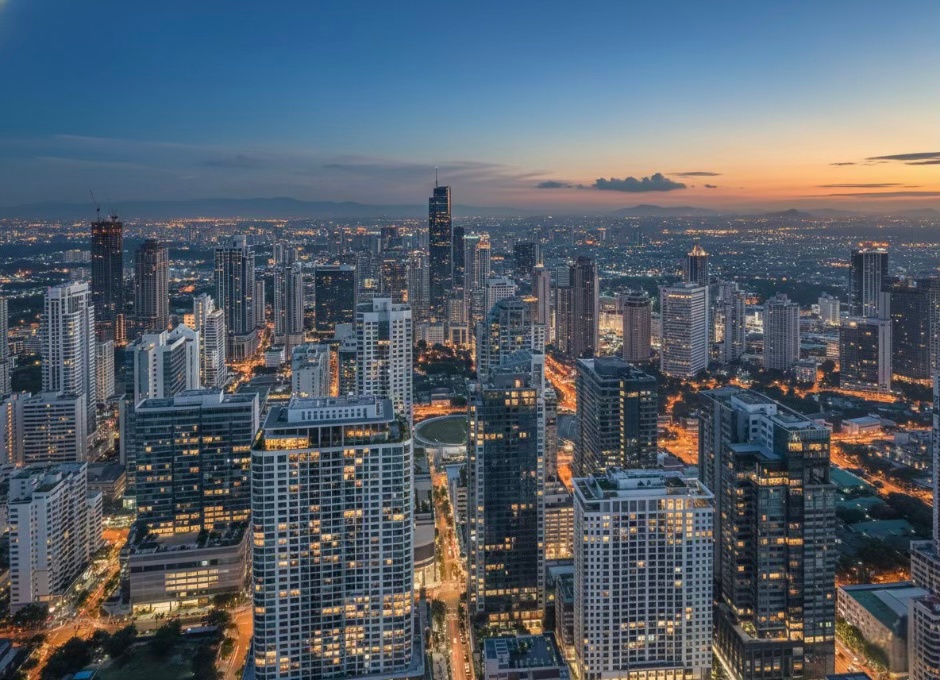
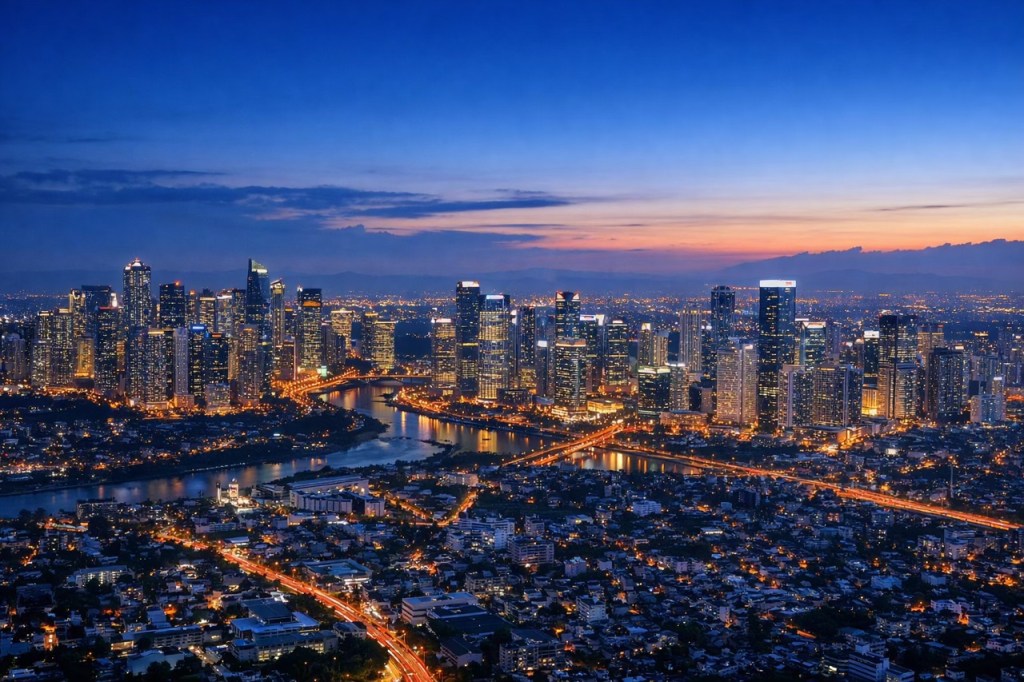
In Bonifacio Global City, a single parking slot can cost anywhere from ₱1.5 million to ₱3 million—a price tag that rivals small studio units in fringe Metro Manila locations. In Makati, some prime developments even charge more for a slot than what you’d pay for a modest lot in the provinces. It sounds outrageous at first—paying millions for a rectangle of concrete—but in a city where land is scarce and cars are plentiful, the market says otherwise.
Metro Manila’s urban density is only getting worse. Over 4 million registered vehicles fight for limited space daily, yet most residential and commercial buildings allocate far fewer parking slots than units. The mismatch creates a quiet bidding war: owners scramble to secure their space, while renters are willing to pay premium rates just to avoid circling the block every night.
This is where the concept of “micro-properties” comes in—investments that don’t involve entire homes or condos but smaller, more specialized assets like parking slots and storage units. They may not come with marble countertops or skyline views, but they can deliver steady income and capital appreciation, often at a fraction of the entry cost of a full condo.
What looks like a simple slab of concrete could actually be a low-maintenance, high-demand asset hiding in plain sight.
Understanding the Parking Slot Market
Definition & Scope
Parking slots fall under the category of micro-properties—real estate assets that are smaller and more specialized than traditional residential or commercial units. Think of storage spaces, kiosk spaces, or even bed-spaces in co-living buildings. Unlike a condo unit, a parking slot doesn’t offer living space, but it provides utility value that is in constant demand in congested cities. Because the capital requirement is much lower than purchasing a full unit, these micro-properties appeal to investors seeking lower entry points with targeted returns.
Legal Ownership
In the Philippines, ownership rules for parking slots vary depending on the developer and project:
Some developers allow parking slots to be sold with their own Condominium Certificate of Title (CCT), meaning you can buy, sell, or rent it independently—much like a condo unit.
Others require slots to be tied to a unit purchase, restricting investors from buying them separately. In some cases, developers only sell slots to existing condo owners, which limits resale opportunities.
Globally, practices also differ: in Hong Kong, parking slots often have their own titles and fetch sky-high resale values, while in Singapore, they’re usually leased as part of a condo purchase, not independently sold.
For investors, clarifying this legal aspect is critical. A titled slot offers more flexibility—you can sell or lease it freely—while a tied slot is more of a lifestyle add-on than a stand-alone investment.
Current Prices in the Market
Prices for parking slots in Metro Manila’s central business districts have climbed sharply over the past decade. As of 2025:
Bonifacio Global City (BGC)
₱1.5 million – ₱3 million per slot, with prime developments commanding even higher.
Makati CBD
₱1.2 million – ₱2.5 million, depending on proximity to Ayala Avenue and high-demand towers.
Ortigas Center
₱800,000 – ₱1.5 million, often more affordable than BGC and Makati but with steady rental demand.
Quezon City (major condo clusters like Eastwood, Vertis North)
₱600,000 – ₱1.2 million, typically more accessible but with localized demand.
These price points highlight how a single slot can cost nearly as much as a studio unit in fringe areas of Metro Manila, yet without the overhead of interior build-out, maintenance, or turnover. The scarcity factor—developers often build fewer slots than units—keeps values firm and competition high.
Property Investment Comparison in Metro Manila
| Property Type | Typical Price Range (₱) | Size (sqm) | Rental Income Potential (₱/month) | Ownership Flexibility |
|---|---|---|---|---|
| 🚗 Parking Slot (BGC) | 1.5M – 3M | 12 – 15 | 5K – 10K | Titled in some projects; can be rented/sold separately |
| 🏢 Studio Unit (Quezon City) | 2M – 3.5M | 20 – 25 | 12K – 18K | Always titled; full resale/rental rights |
| 📦 Storage Unit (Metro Manila) | 300K – 800K | 4 – 8 | 2K – 5K | Rarely titled; often leased within developments |
Why People Buy Parking Slots
Convenience for Condo Owners
For many condo residents, owning a parking slot is less about returns and more about quality of life. In dense CBDs like Makati and BGC, parking on the street is either impossible or unsafe, and monthly rents for slots in the same building can be steep. Having a dedicated space means direct elevator access, 24/7 security, and peace of mind that your car isn’t exposed to theft or damage. For families who use their cars daily, this is an indispensable lifestyle upgrade.
Scarcity & Demand
Developers intentionally build fewer parking slots than condo units to save on construction costs and maximize sellable living space. A 30-storey tower may have 400 units but only 150 slots. This imbalance creates a permanent shortage, especially in prime towers where units are bought by professionals or families who almost always own vehicles. The result: slots become a coveted, hard-to-get asset, sometimes passed on within families like heirlooms.
Rental Income Potential
Not everyone who owns a condo unit secures a parking slot. Some tenants—especially in Makati, Ortigas, and BGC—prioritize location over parking when buying or renting a unit. But as soon as they bring in a car, they’re forced to pay premium rates for a slot. In BGC, monthly rentals can range from ₱5,000 to ₱10,000 per slot, often higher in luxury towers. For investors, this represents a straightforward passive income stream with minimal upkeep compared to a condo unit that needs repairs, tenant turnover management, and interior maintenance.
Resale Value
Because slots are scarce and tied to the lifestyle of car-dependent urban dwellers, they often appreciate in step with condo property values. In high-demand projects, resale values can climb significantly when new unit owners scramble to secure limited slots. Anecdotal cases in Makati show slots originally sold for ₱600,000 in the early 2000s now fetching ₱2 million or more. This makes them not just lifestyle purchases but long-term capital preservation tools—especially in developments where future supply is fixed.
Financial Analysis: Investment Potential
Cost vs. Rental Yield
A typical parking slot in BGC sells for around ₱2 million. If rented at ₱8,000 per month, that generates ₱96,000 annually, translating to a gross rental yield of 4.8%. While this is lower than the 6–8% yield that some studio units can provide, the key advantage is simplicity: no interior upkeep, tenant improvements, or repairs—just a bare concrete slot with minimal maintenance.
Appreciation
Scarcity is the hidden engine of capital growth. In Makati, parking slots that sold for ₱600,000 to ₱800,000 in the early 2000s now fetch ₱2 million or more. This mirrors condo appreciation trends but with fewer ownership costs. Investors betting on long-term CBD demand often view slots as “mini blue-chip assets” that quietly gain value as the city densifies.
Comparison with Condo Units
Entry Price: A parking slot costs ₱1.5M–₱3M versus ₱2M–₱3.5M for a studio in Quezon City, or ₱5M+ in prime CBDs. Lower capital makes it more accessible.
Liquidity: Condos are easier to resell or refinance because they’re seen as full living assets. Parking slots, while cheaper, often have a narrower buyer pool.
Management: Condos require active management (repairs, leasing, tenant coordination). Parking slots are almost set-and-forget investments.
Car Ownership Trends
Metro Manila registers hundreds of thousands of new vehicles annually. Despite government pushes for mass transit, car dependency remains high, especially among middle- and upper-income households. This structural trend sustains demand for private parking, especially in areas where buildings undersupply slots. In fact, the mismatch between rising car ownership and stagnant parking space supply virtually guarantees rental demand in dense districts like BGC, Makati, and Ortigas.
Risks and Downsides
Liquidity Issues
Unlike condo units, which attract both end-users and investors, parking slots appeal to a much narrower buyer pool. Not every condo owner needs or can afford a slot, and standalone investors are fewer compared to the broader real estate market. This means it can take longer to sell a slot, and resale prices are heavily dependent on finding the right buyer within the same building community.
Regulatory Limitations
Some developers impose restrictions: slots may only be sold to unit owners, or they may require the slot to be bundled with a condo during resale. Others prohibit renting slots to outsiders for security reasons. These rules can limit both income potential and exit options, reducing the flexibility that makes parking investments attractive in the first place.
Market Saturation & Shifting Mobility Trends
While today’s demand is strong, the long-term picture is less certain. If ride-sharing, improved public transit, or car-lite urban policies take hold, demand for private parking could soften. For instance, future government transport expansions like MRT-7 or the Metro Manila Subway may reduce the number of households needing a car in the first place. In such scenarios, the premium on parking slots might stagnate.
Maintenance & Fees
Parking slots may not require repairs, but they aren’t completely cost-free. Condo associations usually charge monthly dues for upkeep, security, and access, even for bare slots. These fees eat into rental yield, especially if rental income is at the lower end of the market. Some developments also impose strict rental rules, which can limit how consistently you can generate income.
Parking Slot Investment: Risks vs. Mitigation
| Risk | Impact | Mitigation Strategy |
|---|---|---|
| 🔄 Liquidity Issues | Harder to resell compared to condo units; fewer buyers available | Buy only in prime CBDs (BGC, Makati, Ortigas) where scarcity keeps demand high |
| 📜 Regulatory Limitations | Some developers restrict resale or rental of slots | Confirm CCT (Condominium Certificate of Title) status and condo rules before purchase |
| 🚇 Market Saturation & Transport Shifts | Improved transit or ride-sharing may reduce long-term demand | Focus on towers with chronic undersupply of slots relative to units |
| 💸 Maintenance & Fees | Monthly dues lower rental yield | Factor condo fees into ROI calculations before buying |
Case Studies and Real-World Examples
Example 1
BGC vs. Ortigas — ROI Contrast
In Bonifacio Global City, prime parking slots are selling between ₱2 million and ₱3 million, with monthly rental rates around ₱8,000 to ₱10,000. That translates to a gross rental yield of roughly 4–5%. Meanwhile, in Ortigas Center, slots are more affordable at ₱800,000 to ₱1.5 million, but average rents fall to ₱4,000 to ₱6,000 per month—still yielding 4–6% in some cases. The takeaway? ROI percentages can be similar across districts, but the entry capital required is drastically lower in Ortigas, making it more accessible to small investors.
Example 2
OFW Investor Using Parking Slots for Passive Income
Consider the case of an overseas Filipino worker who bought two parking slots in Makati for about ₱1.2 million each back in 2014. Today, those slots are being rented out at ₱7,000 per month each, generating ₱14,000 monthly passive income. For an OFW who doesn’t want to manage tenants or worry about interiors deteriorating, parking slots provide a “set-and-forget” income stream—consistent cash flow without the operational headaches of condo leasing.
Example 3
International Trend — Hong Kong and Tokyo
Globally, parking slot investments have proven to be lucrative in ultra-dense cities. In Hong Kong, a single slot was famously sold for over HK$6 million (₱40 million+), breaking records as one of the most expensive parking spaces in the world. In Tokyo, where car ownership is heavily regulated, secure parking near central districts can command sky-high premiums. These examples highlight a universal truth: in cities where space is limited, parking becomes a form of real estate gold, often appreciating faster than the residential units themselves.
Who Should Consider This Investment?
Condo Owners Who Want Guaranteed Parking
If you already own or plan to buy a condo in Makati, BGC, Ortigas, or other busy CBDs, purchasing a parking slot is often less of an “extra” and more of a necessity. It guarantees convenience, safety, and long-term savings compared to renting a slot monthly. For frequent drivers, it’s not just an investment—it’s a lifestyle upgrade that also protects you from rising rental rates.
Small-Scale Investors Seeking a Lower Entry Point
Not everyone can jump into a ₱10-million condo investment, but a ₱1.5–₱2 million parking slot is a more approachable entry into real estate. For new investors, it’s a way to get exposure to property without the heavy capital outlay, ongoing maintenance, and tenant management that condo units require. It’s a stepping stone asset—a simple, low-barrier way to start building a property portfolio.
OFWs Looking for Hassle-Free Passive Income
Many overseas Filipino workers prefer investments that don’t require day-to-day oversight. Parking slots are ideal because they need almost zero upkeep and have steady demand from car owners in CBD condos. An OFW can rent out one or two slots to generate consistent monthly income without worrying about repairs, tenant complaints, or furnishing units. It’s the definition of a low-stress, hands-off investment.
People Betting on Scarcity in Prime CBD Locations
In developments where slots are permanently limited—sometimes as low as 1 slot for every 3 or 4 units—the economics are on your side. Buyers who see the value of scarcity can lock in early and benefit from both appreciation and rental premiums. These investors view parking slots as “micro blue-chip properties”: small in size, but resilient in value because of the persistent supply-demand imbalance.
Tips Before Buying a Parking Slot
Verify if the Slot Has Its Own Title (TCT or CCT)
The first step is to confirm ownership rights. A slot with its own Condominium Certificate of Title (CCT) or Transfer Certificate of Title (TCT) can be sold, mortgaged, or rented independently. If the slot is only tied to a condo unit, your flexibility is limited—you can’t resell or lease it freely. Always request a copy of the title during due diligence.
Even if a slot has its own title, condo associations and developers often enforce restrictions. Some buildings allow rentals only to fellow residents, while others ban “outsider rentals” altogether for security reasons. Resale rules may also require that slots be sold only to unit owners in the same project. Ignoring these rules could turn your investment into a liability, so read the fine print and consult with the property management office before buying.
Check Developer and Condo Rules on Rental or Resale
Evaluate Location and Demand (CBD vs. Suburban)
Not all parking slots are created equal. In dense areas like Makati, BGC, and Ortigas, demand is constant, and rental yields are easier to sustain. In suburban locations where public transport and street parking are available, slots may remain vacant longer. Think of it like real estate: location dictates demand, and demand drives returns.
Parking slots may look maintenance-free, but they’re not exempt from monthly condo dues. These charges cover security, lighting, and upkeep of the common parking areas. While not as high as condo unit dues, they eat into your rental income. Before purchase, ask the property management office for a breakdown of fees so you can include them in your financial projections.
Factor in Association Dues and Maintenance
Run ROI Calculations Before Purchase
Treat a parking slot the way you would a full real estate investment: by running the numbers. Compare purchase price, expected rental income, and association dues to calculate the net rental yield. For example, a ₱2 million slot earning ₱8,000 monthly (₱96,000 annually) with ₱1,500 in monthly dues nets about 4% yield. These calculations prevent you from overpaying for a slot that won’t generate competitive returns.
Future Outlook: Is It a Smart Play?
Urbanization and the Car Ownership Boom
Metro Manila’s urban footprint continues to expand, with more families and professionals moving into vertical communities. Despite government efforts to promote public transport, car ownership has steadily risen—over 4 million registered vehicles in the NCR alone, with hundreds of thousands added annually. For middle- and upper-class households, a car remains both a necessity and a status symbol. This ensures that in prime CBDs, the appetite for secure, convenient parking will not disappear anytime soon.
Government Transport Projects on the Horizon
The landscape, however, is not static. Major infrastructure projects like the Metro Manila Subway, MRT-7, and the North-South Commuter Railway aim to provide alternatives to private car use. If these projects deliver on their promise, some pressure on parking demand may ease in certain corridors. For example, a condo development near a future subway station may see less demand for parking slots as residents opt for rail commutes. On the flip side, in areas where public transport access remains limited, parking slots could become even more valuable as car dependency persists.
Where Parking Slot Investments Will Thrive
CBD Hotspots
With limited land supply and high vehicle ownership among residents, scarcity will keep prices resilient. Slots here act as “micro-blue chip” investments.
Luxury Developments
Upscale condos often attract buyers with multiple cars but limited slots. In these towers, demand consistently outstrips supply, driving both rental and resale premiums.
Transit-Lagging Areas
Districts that remain underserved by reliable public transport will sustain strong parking demand for years to come.
Where They May Decline
Transit-Oriented Developments
Condos built directly above or beside new MRT/subway stations may see softer demand for slots, especially if their buyer profiles skew younger and car-lite.
Peripheral Suburbs with Street Parking
In areas where on-street or open-lot parking is abundant and cheap, the investment case weakens. Slots in these locations may stagnate in value compared to CBD assets.
Parking Slot Investment Outlook 2025–2035
The next decade won’t treat all parking slots equally. Some will thrive as scarce, high-demand micro-assets, while others may lose value as transit alternatives expand. Here’s where the market is likely headed between 2025 and 2035.
| Category | High-Growth Potential | Risk-Prone / Slower Growth |
|---|---|---|
| Central Business Districts (CBDs) | BGC, Makati, Ortigas – limited land, persistent vehicle ownership, premium pricing power | Older CBD-adjacent areas with aging condos and alternative open-lot parking |
| Luxury Developments | Rockwell, Forbes Park–fringe, premium towers in BGC and Makati – multiple car owners, limited slots | Mid-market condos near transport corridors with bundled free parking options |
| Transit-Lagging Areas | Portions of Pasig, Mandaluyong, and QC far from MRT/LRT lines – car dependency remains strong | Future transit-oriented hubs like Vertis North or Arca South (once stations fully operational) |
| Emerging Growth Zones | Bay Area (Pasay/Parañaque), Alabang CBD – high-density developments with mixed transport access | Peripheral suburban projects with ample street parking and low slot premiums |
Projection: From 2025 to 2035, CBD and luxury tower slots are forecast to maintain annual appreciation of 5–7%, while transit-heavy and suburban zones may slow to 1–3%, with rental yields flattening as alternatives expand.
In short, parking slots in prime CBD towers will remain golden tickets, while those in oversupplied or transit-rich areas risk turning into dead weight. The winners will be investors who buy where cars are a necessity—not just a convenience.
Final Takeaway: Should You Park Your Money Here?
Parking slots are no longer just a convenience for unit owners—they’ve become a strategic investment play in a market where space is scarce and demand keeps rising. The right slot in the right tower can outperform traditional rentals in both stability and ROI. But the wrong one? It can sink capital and lock you into a low-demand market.
This isn’t a decision to take lightly. The numbers need to add up. The location needs to be future-proof. And the rules of the development need to support your exit plan.
That’s where expert guidance makes the difference. With the right data and market insights, you can secure a slot that appreciates in value and generates consistent rental income.
👉 If you’re considering buying a parking slot, let’s run a personalized ROI analysis together. I’ll help you identify prime developments, calculate potential returns, and ensure you make a decision that strengthens—not weakens—your investment portfolio.
📩 Book a consultation today and find out if a parking slot deserves a place in your portfolio.



 U-Property PH
Leave a comment