
In real estate, easements play a crucial role in defining property rights and usage. Among the various types of easements, the right of way (ROW) stands out as one of the most common and impactful. In this article, we’ll explore what ROW entails, its significance, legal considerations, and practical implications for property owners.
Defining the Right of Way
- The right of way is an easement that grants someone the legal right to pass through another person’s property. Essentially, it ensures access to a specific location, such as a public road or a neighboring parcel of land.
- Imagine owning a piece of land that is surrounded by other properties, leaving no direct access to a public road. In this scenario, your land is landlocked—a situation that can severely limit its practical use and value.
- The ROW provides a solution by allowing you to negotiate with the neighboring property owner. Through this easement, you gain the right to cross their land to reach the road, ensuring connectivity.
Purpose and Importance of ROW
- Preventing Isolation:
- ROWs are essential for landlocked properties. Without them, a parcel of land could become isolated, rendering it practically inaccessible.
- Whether due to natural barriers (such as rivers or mountains) or surrounding developments, ROWs ensure that properties remain connected to essential infrastructure.
- Public vs. Private ROWs:
- Public ROWs: These grant access to public roads, benefiting not only individual property owners but also the community at large.
- Private ROWs: These allow passage through neighboring private properties. For instance, if your land is landlocked, you might negotiate a private ROW with your neighbor.
Legal Considerations and Negotiation
- Documenting ROWs:
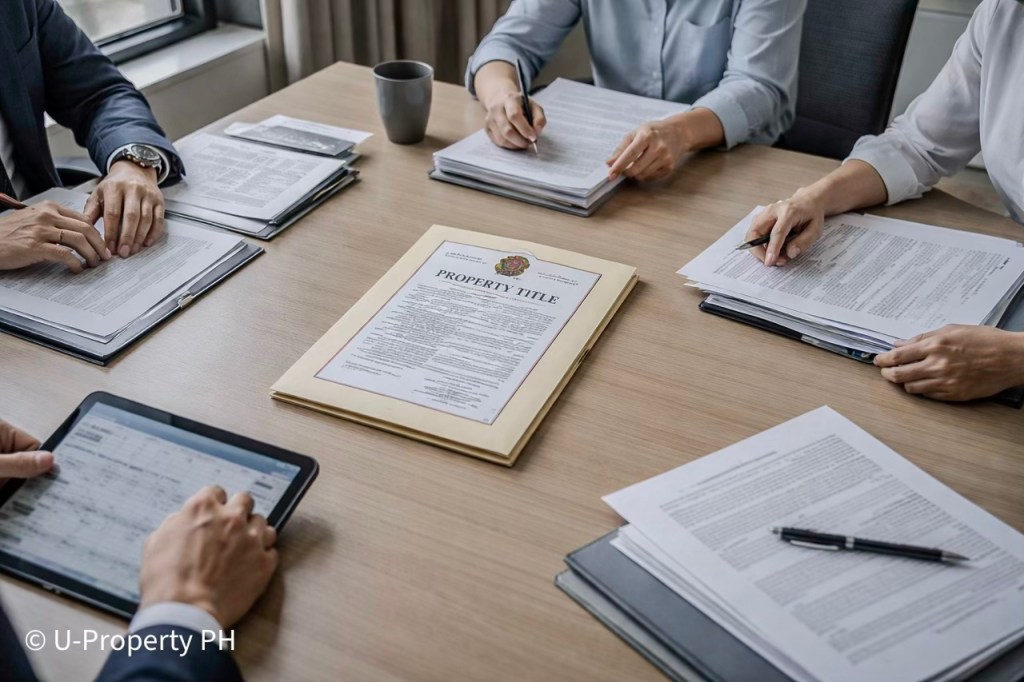
- ROWs are typically documented in property titles or deeds. It’s essential to verify existing ROWs during due diligence when buying property.
- The terms of the ROW—such as its width, location, and purpose—should be clearly defined to avoid future disputes.
- Negotiation and Compensation:
- Negotiating a ROW involves several considerations:
- Width: Determine how wide the pathway should be to accommodate passage.
- Location: Agree on where the ROW will be situated on the servient estate.
- Maintenance: Clarify responsibilities for maintaining the pathway.
- Compensation may come into play, especially if the ROW affects the servient estate owner’s property value or use.
- Negotiating a ROW involves several considerations:
- Legal Documentation:
- Consult a lawyer to draft a formal agreement or add the ROW to the property title.
- Proper documentation ensures clarity and protects the rights of both parties involved.
Understanding ROWs is essential for informed real estate decisions. Whether you’re a property owner seeking access or a potential buyer evaluating existing ROWs, consider the legal aspects, negotiate wisely, and ensure proper documentation. By doing so, you’ll navigate the intricate pathways of real estate with confidence.





 U-Property PH
Leave a comment