
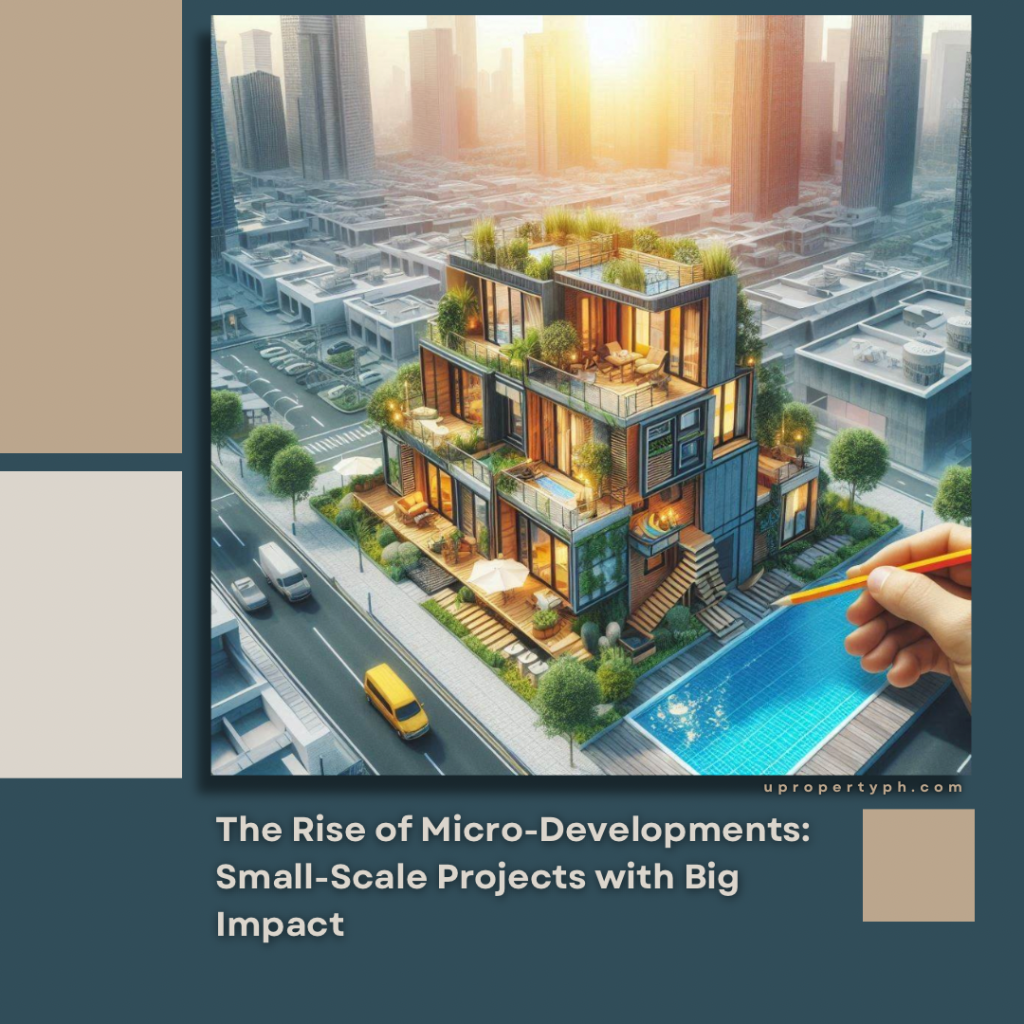
In the ever-evolving landscape of urban living, a fascinating trend has emerged: the rise of micro-developments. These small-scale projects are making a big impact by redefining how we think about housing, community, and sustainability. Let’s delve into the world of boutique developments and explore their unique selling points.
What Are Micro-Developments?
Micro-developments are compact, thoughtfully designed residential spaces that cater to the changing needs of urban dwellers. Unlike sprawling mega-projects, which often prioritize sheer scale and profit margins, micro-developments take a different approach. Here’s what sets them apart:
- Quality Over Quantity: Micro-developments emphasize quality over sheer quantity. Rather than building massive complexes, they focus on creating well-designed, efficient spaces that enhance residents’ lives. This shift in mindset recognizes that a smaller, well-executed project can have a significant impact.
- Functionality: These developments optimize every square meter. Architects and designers carefully plan layouts, ensuring that space is used efficiently. Expect multifunctional furniture, clever storage solutions, and layouts that maximize usability.
- Convenience: Micro-developments often choose strategic locations. Proximity to public transportation, essential amenities, and cultural hubs ensures convenience for residents. The goal is to create a lifestyle where daily necessities are within easy reach.
- Community Integration: Unlike impersonal high-rises, micro-developments foster a sense of community. Shared amenities, communal spaces, and neighborhood events encourage interaction among neighbors. Residents become part of a close-knit, supportive network.
- Sustainability: Many micro-developments incorporate green features. From rooftop gardens to energy-efficient designs, these projects align with environmental consciousness. Living sustainably becomes an integral part of the lifestyle.
- Adaptive Reuse: Some micro-developments repurpose existing structures. Old warehouses, factories, or heritage buildings find new life as micro-apartments or co-living spaces. This adaptive reuse not only preserves architectural heritage but also adds character to neighborhoods.
In summary, micro-developments represent a shift toward thoughtful, community-oriented living. They offer an alternative to the cookie-cutter approach, emphasizing quality, functionality, and a sense of belonging. As cities evolve, these small-scale projects play a vital role in shaping urban living experiences
The Urgency for Affordable Housing
As urban populations grow and housing costs soar, the need for affordable housing becomes increasingly urgent. Micro-housing developments offer innovative solutions to address this pressing issue. Here’s why they matter:
- Space Efficiency: Micro-developments optimize space utilization, proving that living large doesn’t always require a large footprint. These compact dwellings—whether micro-apartments or tiny houses—prioritize smart layouts. Every square foot counts, and multifunctional design elements ensure residents have what they need without excess space.
- Environmental Impact: By occupying less space, micro-housing reduces energy consumption and minimizes the carbon footprint. These environmentally friendly homes align with sustainability goals. Additionally, their smaller size often means reduced material usage during construction, further contributing to eco-conscious living.
Unique Selling Points of Boutique Developments
Community-Centric Design:
- Shared Amenities: Micro-developments prioritize shared spaces. Rooftop gardens, communal lounges, and fitness areas encourage interaction among residents. These amenities foster a sense of belonging and community.
- Neighborhood Commerce: Boutique developments often integrate small businesses within their premises. Imagine a ground-floor café, a local art gallery, or a co-working space. These commercial elements enhance the neighborhood’s vibrancy and provide convenience for residents.
Adaptive Reuse:
- Preserving Architectural Heritage: Boutique developments repurpose existing structures, breathing new life into old factories, warehouses, or historic buildings. By doing so, they honor the architectural legacy of the area. Residents get to live in spaces with character and history.
- Environmental Impact: Adaptive reuse reduces the need for new construction materials. It’s a sustainable approach that minimizes waste and energy consumption.
Innovative Architecture:
- Smart Space Solutions: Architects and designers working on micro-developments get creative with limited square footage. Expect foldable furniture, hidden storage compartments, and modular layouts. These innovations maximize functionality without sacrificing aesthetics.
- Stylish Interiors: Despite the compact size, micro-developments prioritize aesthetics. You’ll find sleek finishes, clever color palettes, and attention to detail. The goal is to create a visually appealing living environment.
Location Matters:
- Urban Convenience: Boutique developments often choose prime locations. They’re close to public transportation hubs, making commuting easier. Additionally, cultural centers, restaurants, and parks are within reach.
- Balancing City Living and Green Spaces: Residents enjoy the best of both worlds. They can immerse themselves in city life while still having access to green areas for relaxation and recreation.
Case Studies: Micro-Developments Around the World
Amsterdam’s Towerhouse:
- Location: Situated in Amsterdam, the Towerhouse by Bureau LADA stands as a testament to efficient urban living.
- Modular Design: The Towerhouse’s modular design allows for flexibility. Residents can adapt their living spaces to suit their unique needs, whether they’re single professionals, couples, or families.
- Community Integration: Shared spaces within the Towerhouse encourage interaction among residents. Rooftop gardens, communal lounges, and collaborative workspaces foster a sense of community.
Auckland’s Lightly Weighted:
- Location: In Auckland, New Zealand, Oli Booth Architecture’s Lightly Weighted project redefines micro-apartments.
- Sustainable Focus: These micro-units prioritize sustainability. Large windows maximize natural light, reducing the need for artificial lighting. Greenery is thoughtfully integrated, creating a refreshing environment.
- Community-Centric Approach: Lightly Weighted encourages community interaction. Residents share common areas, participate in neighborhood events, and build connections.
Micro-developments are more than just small-scale projects; they represent a shift toward thoughtful, community-oriented living. As cities continue to evolve, boutique developments offer a compelling alternative—one that combines functionality, sustainability, and a sense of belonging.





 U-Property PH
Leave a comment