

Renting your first home? It’s exciting—finally carving out your own space, choosing your neighborhood, picturing where the couch goes. But it can also be overwhelming. Hidden fees, confusing lease terms, sketchy listings, and vague “fully furnished” claims can turn your dream setup into a headache fast.
Whether you’re a student moving closer to campus, a young professional avoiding hellish commutes, or newly independent and navigating your first lease, this guide was written for you.
We’ve put together a practical, no-fluff checklist that walks you through every step—from budgeting and unit-hunting to signing the lease and moving in. No jargon. No guesswork. Just real advice for real renters in the Philippines.
Let’s make sure your first rental experience starts smart—and stays stress-free.
🔍 Determine Your Rental Budget
Before browsing listings or scheduling viewings, know how much rent you can realistically afford. Setting a clear rental budget protects you from overspending and helps narrow your search to units that match both your lifestyle and financial capacity.
💸 Start with Your Monthly Income
As a general rule, allocate only 30% to 40% of your monthly income to housing costs.
If you’re earning ₱30,000 a month, your rent ceiling should be around ₱9,000 to ₱12,000. This gives you enough room for other essentials like food, transport, and savings—without living paycheck to paycheck.
Pro tip: If you’re freelancing or on variable income, base your budget on your average lowest monthly earnings.
🧾 Account for Hidden Monthly Costs
Rent isn’t just the amount listed in the ad. Many units—especially condos—have additional monthly charges that can sneak up on you:
| Electricity and water bills (check if utilities are sub-metered) |
| Wi-Fi or cable subscription |
| Parking fees (especially in high-density areas) |
| Association dues (can range from ₱1,500 to ₱5,000+ per month) |
| Garbage collection or building maintenance fees |
These add-ons can push a “₱15K/month” unit closer to ₱20K in real spending. Always ask what’s included and what’s not in the rent.
💰 Plan for One-Time Move-In Expenses
Aside from monthly payments, you’ll need cash up front before move-in day:
| 1 month advance + 2 months deposit (standard in Metro Manila) |
| Appliance or furniture purchases (if semi-furnished or unfurnished) |
| Initial grocery and cleaning supply stock-up |
| Move-in or elevator reservation fees (in condos, these are often ₱500–₱1,000) |
🔎 Quick tip: Some landlords offer discounts if you pay multiple months in advance—great if you have the extra budget and want to negotiate.
💸 Where Your ₱30,000 Monthly Income Goes
🏠 Rent
30–40%
₱9,000–₱12,000
💡 Utilities + Internet
~10%
₱2,000–₱4,000
🚗 Transportation
~10%
₱2,000–₱3,000
🍲 Food & Groceries
~15–20%
₱5,000–₱6,000
💰 Savings
~10–15%
₱3,000–₱5,000
🎉 Lifestyle
~15–20%
₱4,000–₱6,000
Renting smart starts with knowing your numbers. Budgeting not only keeps your finances in check—it gives you confidence when negotiating, deciding, and committing to the right space.
📍 Choose the Right Location
Location isn’t just a convenience—it’s the backbone of your day-to-day life. Choosing the right place to rent in the Philippines means more than picking a nice condo or apartment. It’s about living smart, saving time, staying safe, and setting yourself up for comfort and productivity.
🚆
Proximity to Essentials
| ☑️ Close to work, school, or commute |
| ☑️ Near MRT/LRT stations or terminals |
| ☑️ In or near key districts like Makati, BGC, or Ortigas |
🛡️
Safety & Peace of Mind
| ☑️ Well-lit streets and low crime reports |
| ☑️ Not in flood-prone areas (Project NOAH) |
| ☑️ Quiet neighborhood = better sleep |
🚶♂️
Walkability Wins
| ☑️ 5-minute walk to groceries, banks, food stops |
| ☑️ Clinics and laundromats nearby |
| ☑️ Sidewalks, foot traffic, and lighting checked |
🌿
Lifestyle Fit
| ☑️ Gyms, co-working spots, or chill cafés nearby |
| ☑️ Parks or open spaces for downtime |
| ☑️ Clean, well-kept surroundings |
The right location makes renting feel like home, not a hassle. Think long-term—not just what’s Instagrammable, but what’s sustainable for your routine, your safety, and your lifestyle.
🏢 Understand Types of Rental Properties
Before you fall in love with a listing, know what you’re actually getting. Not all rentals are created equal—and the type of property you choose will directly affect your lifestyle, costs, and comfort.

Condominium Unit
High-rise living with 24/7 security and top-tier amenities like pools, gyms, and function rooms. Ideal for busy professionals and couples who prioritize convenience—though expect a premium price.
| ✔️ 24/7 security and CCTV |
| ✔️ Concierge and maintenance team |
| ✔️ Swimming pool, gym, and co-working spaces |
Is this for you?
✅ Choose this if you value location, convenience, and full amenities—even at a higher cost.
Apartment
More affordable than condos, usually in low-rise buildings or residential streets. Fewer amenities, but also fewer rules.
| ✔️ Budget-friendly |
| ✔️ More flexible visitor rules |
| ✔️ May lack security or elevators |
Is this for you?
✅ Choose this if you’re cost-conscious, want a simple home, and can compromise on amenities.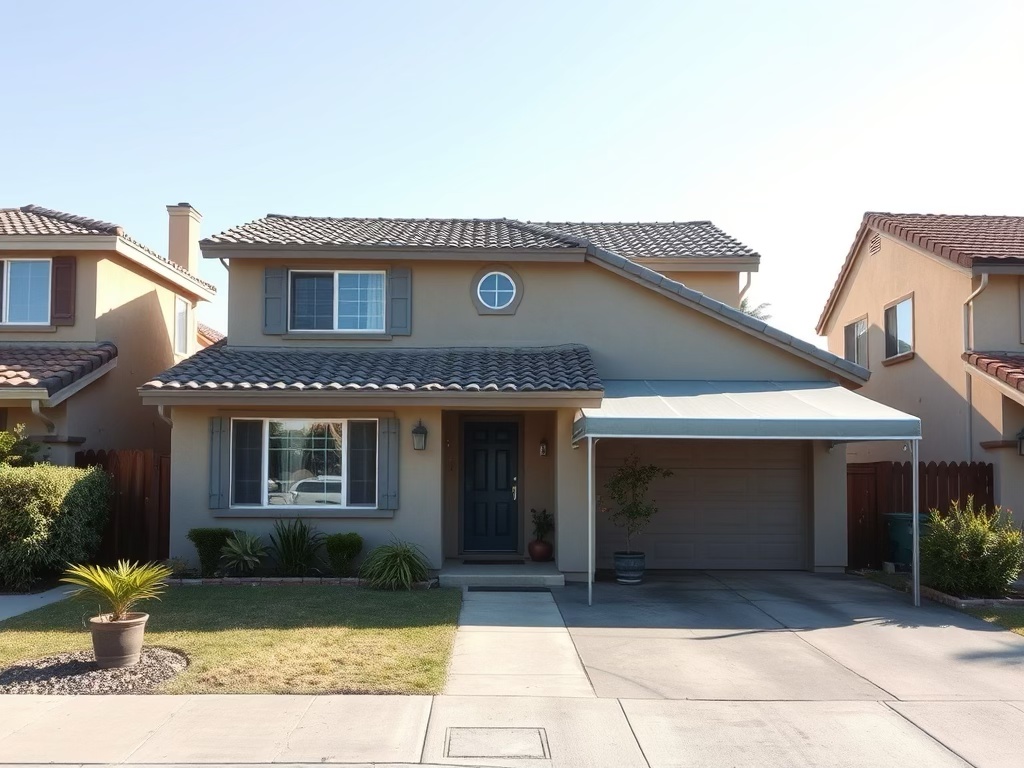
Townhouse
Multi-level rentals with larger living spaces. Best for families or group renters. Often include a carport and more privacy.
| ✔️ Bigger floor area |
| ✔️ Better for sharers or families |
| ✔️ May not include condo-like amenities |
Is this for you?
✅ Choose this if you need space and privacy—and don’t mind managing your own maintenance.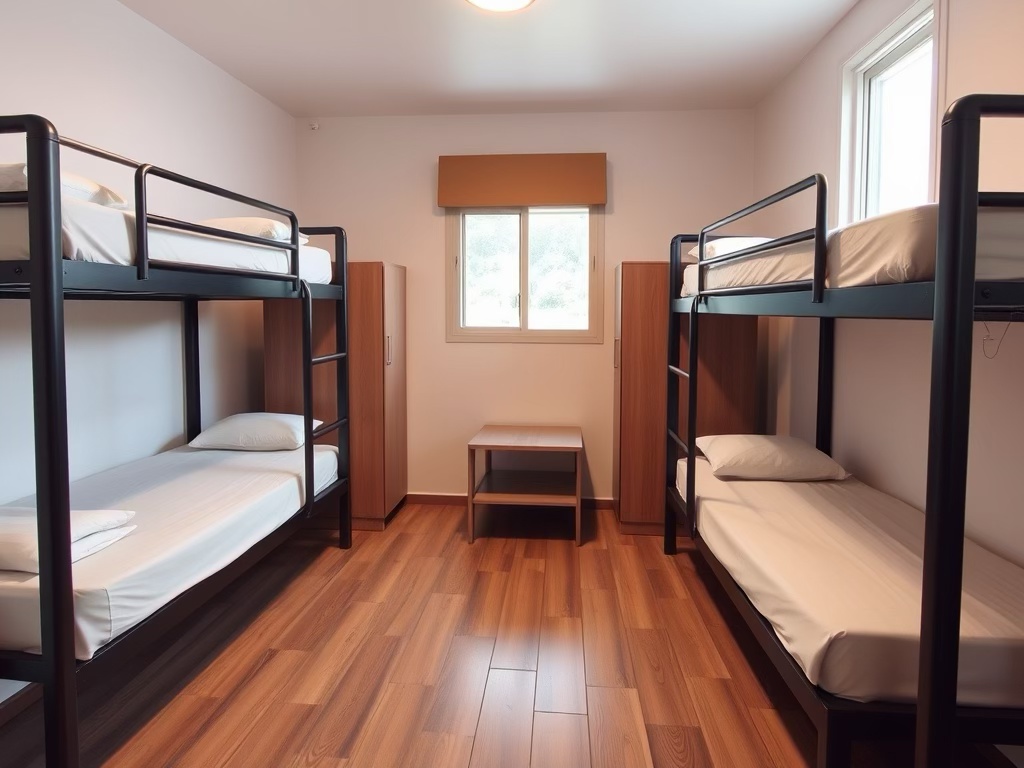
Bedspace / Room Rentals
Lowest-cost rental option. You rent a bed or small room in a shared house. Perfect for students or entry-level professionals.
| ✔️ Extremely affordable |
| ✔️ Shared bathroom and kitchen |
| ✔️ Minimal privacy |
Is this for you?
✅ Choose this if you’re on a tight budget and just need a safe place to sleep.🏷️ Decision tip: Consider how much space, privacy, and convenience you really need—and how much you’re willing to pay for it.
🪑
Furnished
- Full appliances (fridge, stove, AC)
- Basic furniture (bed, sofa, dining table)
- Sometimes includes cookware and curtains
💸 Higher rent, but move-in ready
🧺
Semi-Furnished
- Includes essential appliances
- May have one or two major furniture pieces
⚖️ Balanced cost, but may need small additions
🏚️
Unfurnished
- Bare unit, no appliances or furniture
- Best for long-term renters with their own items
💰 Cheapest upfront rent, highest setup cost
🧾 Checklist tip: Always ask for an updated inventory list and clarify who handles repairs for appliances or furniture provided.
Understanding your options now means fewer surprises later. Don’t just look at pretty pictures—look at the lifestyle, logistics, and long-term fit.
📞 Start Your Property Search
With your budget set and ideal location in mind, it’s time to dive into the hunt. But beware—the Philippine rental market is a mixed bag of real gems, half-baked listings, and flat-out scams. Knowing where (and how) to search can save you a ton of time, money, and stress.
🖥️
Reliable Sites for Safer Rentals
- Lamudi Philippines – Large inventory of verified condo and apartment listings.
- DotProperty – Easy-to-navigate interface with search filters by city or region.
- RentPad – Great for condo rentals in Metro Manila, with flexible terms.
- Facebook Marketplace & Groups – Only use moderated, local-specific groups like:
🧑💼
How to Spot a Good Rental Agent
- Proven Track Record – Look for client reviews or ask for referrals.
- Knows the Property – Agents who’ve worked long-term with the landlord/building.
- Transparent and Responsive – Provides clear details and timely replies.
- No Pressure Tactics – A good agent gives you space to decide.
🚨
Don’t Get Scammed
- Blurry or overly filtered photos
- No clear address or vague location
- Too-good-to-be-true rental price
- Missing info on move-in fees or furnishings
- Sketchy responses or delays in answering basic questions
Your first home starts with a smart search. Use the right tools, ask the right questions, and trust your instincts. You’re not just renting a space—you’re choosing your next safe, stable, and livable home.
🕵️ Inspect the Property Carefully
Seeing is believing—and when it comes to renting, never settle for photos alone. A thorough inspection, whether in-person or virtual, can save you from costly surprises and headaches down the road.
📅 Schedule a Detailed Tour—Virtual or In-Person
Always book a walkthrough before signing any contract. If you can’t visit physically, insist on a live virtual tour. This is your chance to ask questions, test utilities, and get a feel for the space.
🔎 What to Check During the Inspection
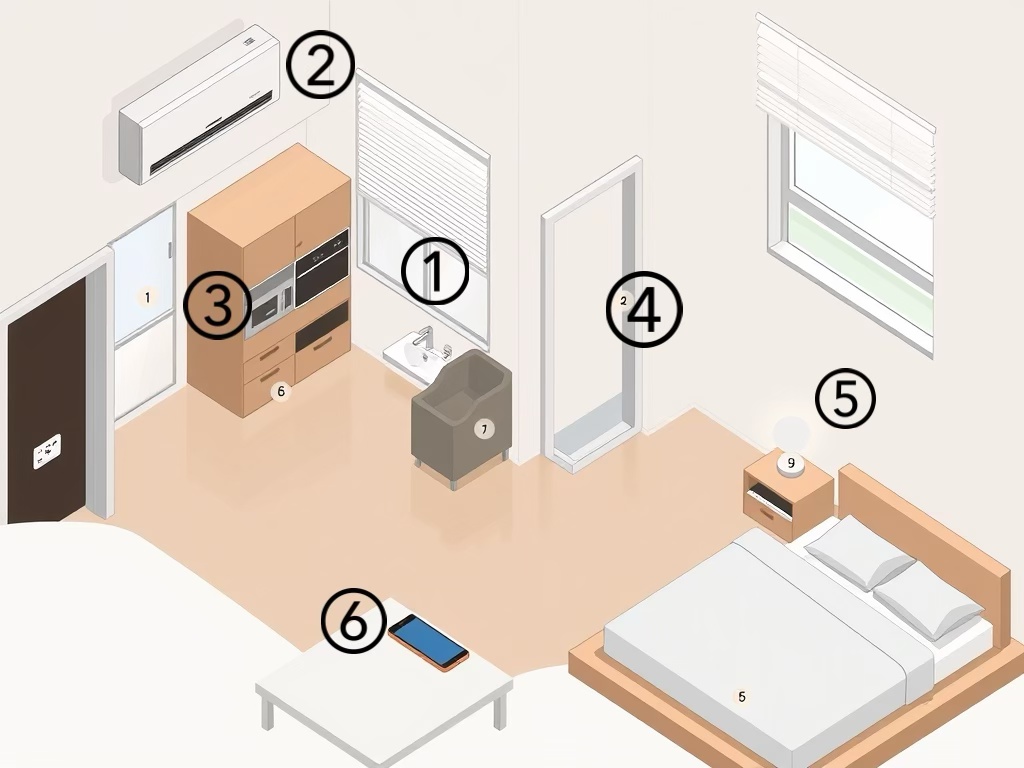
- Water Pressure – Test all faucets, the toilet, and the shower
- Air Conditioning & Ventilation – Check cooling power and airflow.
- Cabinets & Storage – Open everything; look for mold or pests.
- Locks & Security – Ensure all doors/windows lock properly.
- Electrical Outlets & Lighting – Test with a charger.
- Phone & Internet Signal – Try browsing or calling inside the unit.
📝 Document Existing Issues and Request Repairs
If you spot dents, cracks, leaks, or faulty appliances, take photos and make a list. Present this to the landlord or agent and get written confirmation that repairs will be completed before you move in—or negotiate a rent adjustment if repairs can’t be done immediately.
Inspecting your rental thoroughly isn’t just smart—it’s your strongest defense against future headaches. Don’t rush. Take your time and ensure the place feels like home before committing.
🧾 Review the Lease Agreement Thoroughly
Your lease agreement is more than just a formality—it’s a legal contract that defines your rights, responsibilities, and the landlord’s obligations. Don’t sign on the dotted line without fully understanding every detail.
📌 Confirm Rental Rate, Payment Terms, and Due Dates
Start by double-checking the monthly rent amount, payment method, and exact due dates. Know when and how to pay—whether it’s via bank transfer, cash, or digital wallets. Missing payments or misunderstandings here can cost you dearly.
📋 Clarify Important Rules and Restrictions
Lease contracts often include fine print that can affect your daily life. Make sure you clearly understand the policies on:
| Guests: Are overnight visitors allowed? Any limits on the number or duration? |
| Pets: Are pets permitted? If yes, what kinds and any size restrictions or additional fees? |
| Renovations or Alterations: Can you paint walls, hang shelves, or install fixtures? |
| Subletting: Are you allowed to rent out the unit to others temporarily? |
| Termination Notice: How much advance notice is required if you want to move out early? |
Knowing these rules upfront prevents costly misunderstandings and protects your security deposit.
🧾 Request Receipts and Keep Formal Documentation
Every payment—rent, deposits, fees—should be accompanied by a written receipt or official acknowledgment. This is your proof of payment and key protection if disputes arise.
Also, keep copies of:
- The signed lease agreement
- Any correspondence with your landlord or agent
- The move-in condition report documenting the unit’s state at handover
🛡️ Rule of thumb: If it’s not documented, it didn’t happen.
Taking the time to read, question, and understand your lease agreement empowers you to rent confidently and avoid future headaches. Remember, it’s your home—know your rights and stand your ground.
💵 Prepare Your Payments and Documents
Securing your rental home means more than just finding the right unit—you need to come prepared with the right payments and paperwork to seal the deal smoothly.
🧾 Rental Payment Readiness

1️⃣ Prepare Upfront Payments
One month advance and two months deposit. Most landlords require this before move-in.
2️⃣ Gather Required Documents
Valid ID (passport, SSS, UMID), Certificate of Employment, or recent payslips.

3️⃣ Verify and Document Payments
Request official receipts and confirm who is authorized to collect payments.
📑 Know the Typical Payment Requirements
In the Philippines, landlords commonly require:
- One month advance rent
- Two months security deposit
These upfront costs protect the owner and confirm your commitment. Beyond cash, landlords usually ask for:
- Valid government-issued ID (e.g., passport, driver’s license, SSS or UMID card)
- Proof of income or employment, such as payslips or a Certificate of Employment
Having these ready shows you’re a serious, reliable tenant.
🧾 Always Request Official Acknowledgment Receipts
Every peso you hand over deserves a formal receipt or acknowledgment slip. This is your strongest proof of payment and safeguards you against any payment disputes or misunderstandings.
Never settle for verbal confirmations or handwritten notes without official documentation.
👀 Verify Payment Recipients Before Handing Over Money
Make sure you pay only the property owner, building administrator, or an authorized representative. If you’re paying an agent or broker, verify their authorization to avoid falling into rental scams.
🔍 Pro tip: Ask for a written statement or official authorization letter confirming who is allowed to collect payments for the property.
Being financially prepared and organized not only speeds up the rental process but also puts you in control—turning what can be a stressful step into a smooth, confident move-in.
🚚 Coordinate Move-In Logistics
Moving into your new rental should be exciting, not chaotic. Proper planning and coordination can turn a potentially stressful move into a smooth, well-orchestrated transition.
🛗 Reserve Elevators
Coordinate with the building admin to reserve the elevator and avoid conflicts with other move-ins.
Confirm your move-in schedule in writing to avoid delays.
🚛 Hire Movers
Book reliable movers at least a week in advance—especially near the end of the month or during holidays.
Get quotes and confirm what’s included in the service.
📸 Document the Unit
Before unloading, take photos/videos of the unit to record any existing wear and tear.
Share these with your landlord to avoid disputes later.
✅ You’re all set! A well-coordinated move-in means you’re starting your rental journey strong.
Mastering these move-in logistics isn’t just practical—it’s your first step toward making your rental feel like home from day one.
🧰 Set Up Your Utilities and Essentials
Moving in is just the beginning. To truly settle in, you need your home fully functional—and that starts with setting up the essentials.
💧
Activate Essentials
Confirm water, electricity, and internet before unpacking. Apply early if needed.
🧹
Tools & Supplies Card
Don’t forget a basic toolkit, cleaning items, and home must-haves.
🤝
Meet the Staff
Build rapport with building staff—they’re your go-to allies during your stay.
🧘 Know Your Rights and Responsibilities
Renting isn’t just about signing contracts and paying rent—it’s a two-way street where understanding your legal rights and respecting your community makes all the difference.
📜 Familiarize Yourself with RA 9653 — The Rent Control Act
If your lease falls under the Rent Control Act (RA 9653), know what protections it offers.This law caps annual rent increases for certain residential units, shielding tenants from sudden, unreasonable hikes. Study its provisions to safeguard your wallet and avoid disputes.
⚖️ Understand Eviction Rules, Rent Increases, and Deposits
Eviction isn’t just “you’re out”—it’s a legal process with strict guidelines. Learn how much notice landlords must give and under what conditions they can terminate your lease.
Know the limits on how often and how much rent can increase, plus clear rules on deposit refunds—these protect you from unfair practices.
🤝 Be a Good Neighbor: Respect Noise, Waste, and Shared Spaces
Community living means mutual respect. Keep noise at reasonable levels, especially during quiet hours. Dispose of waste properly and follow building guidelines to maintain cleanliness and hygiene.
Treat common areas with care—your neighbors will notice and appreciate the respect, creating a positive living environment for all.
Mastering your rights and responsibilities isn’t optional—it’s essential. It protects your peace of mind, your security deposit, and fosters a harmonious rental experience.
🧩 Final Tip: Keep All Records Organized
Your rental journey doesn’t end when you move in—it evolves. Keeping your documents in order helps you stay protected, prepared, and stress-free throughout your lease.
📂 Create a Digital Folder for All Rental Documents
Save everything in one easy-to-access folder—preferably in cloud storage (like Google Drive or Dropbox)—to avoid missing important paperwork. Include:
- Signed lease agreement
- Official payment receipts
- Unit turnover or handover documents
- Screenshots or emails of maintenance requests
Having these files ready can make renewals, disputes, or move-outs much easier to handle.
📸 Backup Photos Before and After Your Stay
Take timestamped photos or videos of the unit before move-in and after move-out. Focus on walls, floors, fixtures, and appliances. These serve as solid proof of the unit’s condition—and are your best defense if ever questioned about damage or deductions from your deposit.
Being organized isn’t just neat—it’s powerful. It protects your rights, saves you from headaches, and gives you full control of your renting experience.
🪄 BONUS: Grab Your First-Time Renter Survival Kit!
Set yourself up for renting success with our FREE First-Time Renter Survival Kit—a must-have bundle packed with practical tools to help you stay prepared and in control:
| ✅ Printable documents checklist (IDs, proof of billing, COE) |
| ✅ Move-in checklist so you don’t forget a single essential |
| ✅ Downloadable mini expense tracker to keep your budget on point |
🎯 Whether you’re renting a studio in Makati or a condo in Quezon City, this kit keeps you steps ahead.
Fill out the form below to download the kit.





 U-Property PH
Leave a comment