

The rainy season is the ultimate lie detector for real estate. A house that looks perfect under the summer sun can unravel once the monsoon arrives. Ceilings begin to stain, walls start to seep, and roads that seemed quiet and safe suddenly disappear under knee-deep water.
In the Philippines, these aren’t rare inconveniences—they’re recurring realities. When Typhoon Ondoy (2009) submerged 80% of Metro Manila, thousands of homes sustained damage. More recently, Quezon City recorded 121 mm of rain in just one hour in August 2025—surpassing Ondoy’s peak intensity and flooding 36 barangays. Events like this are becoming more common, as PAGASA warns of more extreme rainfall under climate change scenarios.
The financial cost is equally sobering. A study in North Cotabato found that average flood damage reached ₱5,923 per household—and that figure covers only repairs and lost contents, not the long-term structural weakening or health risks from mold. In urban centers like Metro Manila, repair bills can climb into the hundreds of thousands, especially when foundations or roofing systems are compromised.
This is why the rainy season is not just a challenge for buyers—it’s an opportunity. It reveals flaws that sellers can’t paint over and gives you leverage to negotiate or walk away. In this guide, we’ll break down the critical red flags to look for when buying property during the rainy season in the Philippines—so you can protect your investment and your peace of mind.
Structural Red Flags
When the rains come, a property’s true condition emerges. What looks like harmless wear in the dry season may actually be a sign of deeper, more expensive structural issues. These are the first things buyers should scrutinize.
Roof Leaks and Ceiling Stains

Watermarks, brown patches, or sagging paint on ceilings are classic indicators of roof leaks. In the Philippines, where intense monsoon rains batter homes, these flaws escalate quickly. A tiny leak can short-circuit electrical wiring, weaken wooden rafters, or even lead to partial ceiling collapse. Roof repairs can range from ₱30,000 for minor fixes to over ₱200,000 for full replacements, depending on materials. Always inspect ceilings and attics during or immediately after a storm, not just on clear days.
Wall Cracks and Water Seepage
Not every crack is dangerous, but cracks that expand or darken when wet are red flags. Bubbling paint, flaking plaster, or damp stains signal water infiltration. Over time, seepage corrodes steel reinforcements (rebars) and weakens the structure from within. In flood-prone cities like Metro Manila, wall waterproofing can cost ₱80,000 to ₱150,000 depending on property size—an expense best avoided by spotting the signs early.
Flood-Prone Basements and Ground Floors
Basements and low-lying areas are the first to suffer when heavy rains overwhelm drainage. Warning signs include musty odors, mold growth, and salt-like deposits (efflorescence) on walls. Even if the area looks dry at the time of viewing, these traces tell a history of flooding. Beyond repair costs, flood-prone basements drag down resale value and limit livability. Dehumidifiers, sump pumps, and waterproofing membranes can help, but prevention is always cheaper than remediation.
Weak or Compromised Foundations
Foundations bear the brunt of excess water. Soil erosion, poor grading, or long-term saturation can cause foundations to shift, crack, or sink. The symptoms are often subtle: uneven floors, doors or windows that stick, or gaps appearing between walls and ceilings. Once compromised, foundation repairs are among the most expensive fixes in real estate, often costing hundreds of thousands to over a million pesos. For buyers, hiring a structural engineer for inspection in flood-prone zones is not an expense—it’s insurance against future disaster.
👉 Pro Tip for Buyers: Always schedule property visits during or right after heavy rainfall. What you see in those conditions will reveal far more than any sunny-day viewing.
Drainage & Flooding Concerns
Pretty homes can drown in flood chaos if you ignore one thing: water doesn’t lie. Drainage flaws and flood risks don’t just disrupt—they slash property value, tank resale potential, and drain your budget with every rainy season.
Street-Level Flooding & Barangay Risk
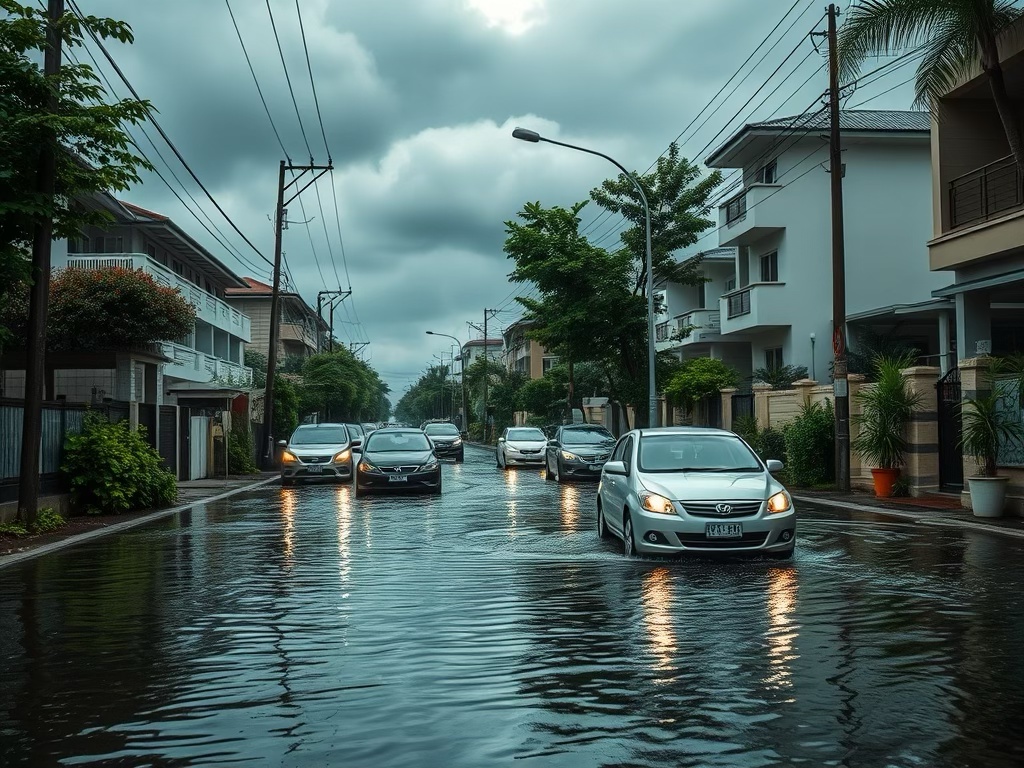
Flooding isn’t a possibility—it’s a statistical reality. In July 2025, MGB flagged 664 barangays across Luzon at risk of monsoon-induced flash floods—412 of them in Metro Manila alone, including 114 in Quezon City and 92 in Caloocan City . More alarming: DENR data identifies 1,403 barangays in Metro Manila as having high flood and landslide susceptibility.
If your prospective property sits in one of these zones, think access challenges, rising insurance, and resale restrictions—not to mention daily lifestyle headaches. Always check PAGASA or LGU hazard maps and quiz barangay officials or long-time residents about flooding patterns.
Flawed Drainage Systems and Gutter Breakdown
Flooding often starts where common sense ends—with clogged gutters, undersized downspouts, or bad lot grading that sends water directly into foundations. These aren’t “cosmetics”—they lead to cracks, settlement, and long-term structural decay. If community or HOA-run drainage systems look neglected, that’s a collective red flag: everyone’s home is at risk.
Risk of Nearby Rivers, Canals, and Waterways
Scenic waterfronts are deceptive. In Capital Region cities like Malabon, Navotas, and Manila, low-lying terrain and narrow esteros translate to regular flooding—even during high tides or heavy monsoon rains . Proximity to waterways raises flood risk exponentially—and it hikes insurance and rehabilitation costs.
Persistent Ponding in Outdoor Areas
Standing water after a rain isn’t just annoying—it’s symptomatic of poor drainage and potentially compromised soil or grading. It invites mosquito breeding, damages landscaping, and hints that foundations may be taking on water too. Grave ponding issues in yards or driveways should raise one red-hot question for the seller: If this can’t drain basic runoff, what’s happening under the slab?
Data You Can’t Ignore: Metro Manila Flood Reality
412 Metro Manila barangays are at heightened risk of flash floods.
1,403 barangays across the region face high flood/landslide susceptibility.
Neighborhood & Location Red Flags
Even the sturdiest house becomes unlivable if the neighborhood itself is unprepared for the rainy season. Smart buyers don’t just inspect the property—they evaluate the entire community. These red flags often determine whether a home remains safe, accessible, and valuable during storms.
Accessibility During Storms
A home loses half its value if you can’t reach it when it rains. Roads that become impassable, prone to knee-deep water, or cut off by landslides pose serious lifestyle risks. In Metro Manila, low-lying streets in cities like Malabon, Navotas, and Marikina are notorious for flooding even during short downpours. Always ask neighbors about travel conditions during peak storms, and verify with MMDA traffic advisories and LGU flood maps.
Power & Utility Reliability
Frequent blackouts or poor internet service during storms are more than inconveniences—they’re deal-breakers for families and remote professionals alike. In provinces and flood-prone districts, heavy rains often down power lines or disrupt water supply. Ask the barangay or utility provider about outage frequency and restoration times. Reliable backup options—like generators, solar panels, or water tanks—should factor into your evaluation.
Barangay Flood History
The past is the best predictor of the future. Even if a seller insists a property has “never flooded,” always cross-check with PAGASA/DOST hazard maps, DENR’s GeoRiskPH platform, and LGU disaster risk reduction offices. Barangay records reveal flood-prone zones, historical water levels, and evacuation sites. In Metro Manila alone, over 1,400 barangays are officially classified as high-risk for floods and landslides, according to DENR reports.
Community Response & Safety
When storms hit, your safety depends on more than your home’s walls—it depends on your neighbors and barangay systems. Does the barangay have clear evacuation plans? Are there nearby shelters, emergency hotlines, and disaster-preparedness drills? Communities with organized response systems bounce back faster, maintain higher property values, and provide residents with peace of mind.
| ✅ Safe Neighborhood | ⚠️ Risky Neighborhood |
|---|---|
| Roads remain passable during storms, with proper drainage and elevated streets. | Streets regularly flood, cutting off access for cars and emergency vehicles. |
| Barangay has an active disaster risk reduction plan with visible evacuation centers. | Barangay lacks clear flood maps, evacuation routes, or preparedness drills. |
| Power, water, and internet services are restored quickly after outages. | Long blackouts and disrupted water supply are common during heavy rains. |
| Community drainage systems and waterways are regularly cleaned and maintained. | Clogged canals, overflowing esteros, and unmaintained drains surround the area. |
| Locals report minimal or no flooding history even during past typhoons. | Neighbors recount frequent flooding, knee-deep water, or past evacuations. |
👉 Buyer’s Tip: Don’t just tour the house—walk around the barangay hall, talk to tricycle drivers, and ask shop owners how the last typhoon affected the area. Locals will often tell you more than sellers or glossy listings.
Hidden Moisture Issues Inside the Property
Moisture doesn’t just damage walls and floors—it silently undermines health, comfort, and long-term property value. During the rainy season, even well-maintained homes can reveal hidden dampness that wasn’t obvious before. These are the key red flags to watch for indoors.
Mold & Mildew Growth
Mold thrives in damp, poorly ventilated spaces—think bathrooms, closets, and behind cabinets. A musty odor is often the first giveaway, even if the walls look clean. Beyond damaging paint and finishes, mold poses health risks, triggering asthma and allergies. Professional mold remediation in the Philippines can run ₱25,000 to ₱100,000, depending on severity.
Condensation on Windows & Walls
Persistent fogging on windows or moisture streaks along walls signals poor insulation or ventilation. Over time, condensation damages paint, encourages mold, and even leads to wood rot around window frames. In condos, this often reveals weak ventilation systems; in houses, it may mean the lot’s airflow is blocked. Either way, it’s a comfort and maintenance cost issue.
Termite Activity in Damp Wood
Excess moisture is an open invitation to termites—the “silent destroyers.” Damp wood near bathrooms, kitchens, or basements is especially vulnerable. Watch for hollow-sounding walls, discarded wings, or mud tubes along baseboards. Termite treatment packages in Metro Manila typically cost ₱30,000–₱80,000 for full-property protection, and untreated infestations can compromise structural safety.
Air Quality and Excess Humidity
If a room feels stuffy, smells musty, or seems harder to breathe in during rainy days, it may signal excess humidity or poor HVAC/ventilation. Prolonged dampness worsens respiratory issues and accelerates furniture deterioration. Installing dehumidifiers or upgrading ventilation may cost less than repairs later, but identifying the problem before purchase helps buyers negotiate repairs or discounts.
What to Look Out For During Rainy Season Property Visits
👃 Smell
Musty odor in closets, bathrooms, or basements = possible mold growth.
✋ Touch
Damp or cold-to-the-touch walls = hidden seepage or condensation.
👀 Sight
Water stains, bubbling paint, foggy windows, or flaking plaster.
🪵 Wood
Termite trails, hollow-sounding panels, or damp wooden door frames.
🌬️ Air
Stuffy, humid rooms that feel harder to breathe in during rainy days.
👉 Buyer’s Tip: Don’t just rely on what you see—use your senses. Smell for mustiness, touch walls to check for dampness, and note how the air feels in different rooms. Rainy season property visits expose what sellers often try to mask.
Due Diligence & Documentation Red Flags
Even if a property looks solid and the neighborhood feels safe, the paperwork may tell a different story. Skipping due diligence can trap buyers in long-term costs, insurance headaches, or even legal disputes. These are the critical documentation red flags that should never be overlooked.
Insurance Limitations and Hidden Costs
Flood-prone properties often come with steep insurance premiums—or in some cases, no coverage at all. In Metro Manila, insurance companies classify homes in high-risk flood zonesas liabilities, pushing annual premiums up by 20–50% compared to low-risk areas. Some providers may even exclude flood protection entirely. Always request an insurance quote before finalizing a purchase so you know the true cost of ownership.
Property Disclosure Gaps
Philippine law requires sellers to disclose “material defects,” but not every seller is upfront about past flooding or water damage. A freshly repainted wall may be hiding years of seepage. Ask directly about flood history, request maintenance records, and, if possible, talk to neighbors. Red flags include vague answers, missing documents, or reluctance to share past insurance claims.
Title & Zoning Risks
Not all land is safe to build—or live—on. Properties located on reclaimed land, easement zones, or high-risk floodplains may face stricter zoning rules or outright restrictions. In extreme cases, titles can even be questioned if the land sits within no-build zones (such as near rivers or coastal easements). Always verify the property’s zoning classification with the LGU’s Zoning Office and check land titles against DENR’s GeoRiskPH database for hazard exposure.
Future Development Plans in the Area
That nearby construction project may look harmless now, but new subdivisions, malls, or roadworks can alter natural drainage and worsen flooding. For instance, poorly planned reclamation or road elevation projects have historically increased flood risk in adjacent communities. Before buying, check the city’s comprehensive land use plan (CLUP) and ask if new developments are expected to impact water flow or traffic.
| 🛡️ Insurance Coverage | Get a flood insurance quote early. Check if the property is in a high-risk zone with elevated premiums or coverage exclusions. |
| 🏠 Seller Disclosures | Ask about past flooding, leaks, or water damage. Request maintenance logs, and don’t settle for vague answers. |
| 📜 Land Title Verification | Confirm clean title status with the Registry of Deeds. Cross-check with DENR GeoRiskPHto identify hazard-prone areas. |
| 🗺️ Zoning & Easements | Visit the LGU Zoning Office to ensure the property isn’t on reclaimed land, easement zones, or restricted floodplains. |
| 🏗️ Future Developments | Review the Comprehensive Land Use Plan (CLUP) to identify nearby projects that could worsen flooding or accessibility. |
👉 Buyer’s Tip: Due diligence isn’t just about securing clean titles—it’s about uncovering risks that can drain your finances for years. Always pair document checks with on-the-ground inspections.
Buyer’s Checklist: What to Do Before Closing the Deal
A rainy-season property purchase demands sharper due diligence than a sunny-day showing. Before signing anything, buyers should run through this checklist to avoid costly regrets.
Visit During or Right After Heavy Rain
Dry season visits hide the truth. Touring a property during or immediately after a storm reveals the real story—whether gutters overflow, streets flood, or water seeps into basements. What seems like a minor puddle on a sunny day might turn into knee-deep flooding when the clouds open. Schedule at least one viewing during wet weather to see the property at its worst, not just its best.
Talk to Neighbors for the “Unofficial History”
Sellers highlight strengths, but neighbors remember floods. A quick chat with longtime residents, tricycle drivers, or shop owners can uncover what brochures don’t mention: past evacuations, how high water has risen, or how long floods typically last. This “unofficial history” is often more reliable than any sales pitch.
Hire an Inspector Familiar with Tropical Weather Risks
Not all inspectors are created equal. In the Philippines, where typhoons and monsoons are part of life, you need an inspector who knows what to look for: compromised roofing, faulty drainage, weakened foundations, or termite-prone damp spots. A professional assessment may cost ₱10,000 to ₱20,000, but it can save you hundreds of thousands in hidden repairs.
Check Flood Risk Maps and Hazard Data
Never rely on the seller’s word alone. Cross-check the property against PAGASA flood hazard maps, DENR GeoRiskPH, and the LGU’s official flood and landslide risk assessments. If the home sits in a floodplain or high-risk barangay, insurance will be pricier, resale tougher, and daily living riskier. Knowing this data arms you with negotiating power—or the wisdom to walk away.
👉 Pro Tip: Print your checklist and bring it with you to each viewing. Treat it like a scorecard: if the property fails even one major rainy-season test, think twice before buying.
Practical Tips for Buyers
Spotting red flags isn’t just about walking away—it’s about using what you’ve learned to make smarter, more strategic buying decisions. Here’s how to turn rainy season insights into buyer power.
Use Red Flags as Negotiation Leverage
Every issue you uncover is potential leverage. A leaking roof, poor drainage, or past flooding history can justify either a lower purchase price or a seller-funded repair before closing. Document everything—photos of stains, barangay flood data, even insurance quotes. These give you hard evidence when negotiating. A seller who wants to move quickly will often agree to repairs or price reductions rather than risk losing a serious buyer.
Don’t Dismiss “Small Leaks”
A tiny stain on the ceiling or a slow drip in the corner may look minor, but in the Philippines’ climate, small leaks quickly spiral into structural crises. Left unchecked, they rot wooden beams, corrode steel rebars, and invite termites. Repair costs can balloon from ₱5,000 for minor fixes to over ₱200,000 if the damage spreads. Treat every leak as a red flag, not a cosmetic flaw.
Budget for Flood-Proofing and Waterproofing Upgrades
Even if you find your dream property, you should set aside 2–5% of the purchase price for rainy season upgrades. Practical investments include roof waterproofing, backflow valves, raised flooring, and sump pumps. For ground-floor units and houses in low-lying areas, budget extra for perimeter drainage or flood barriers. These upgrades don’t just protect your home—they protect your resale value.
Factor in Climate Change Risks
Flooding in Metro Manila and nearby provinces isn’t just seasonal—it’s worsening. Studies project that by 2050, large parts of the region could see sea-level rise and more intense rainfall events, putting thousands of barangays at permanent flood risk. Buying a property today means thinking long-term: is the location resilient to climate shifts? Will drainage infrastructure and insurance still make it livable 10, 20, or 30 years from now? A property’s climate resilience will increasingly determine its market value.
Buyer Strategy Box: Rainy Season Property Tactics
| 💸 Negotiation Power | Use every red flag (leaks, flood history, drainage issues) as leverage for price reductions or seller-funded repairs. |
| 🚰 Don’t Ignore Leaks | Even small stains or drips can snowball into six-figure repair bills if neglected. Treat them seriously. |
| 🏗️ Budget for Upgrades | Set aside 2–5% of the property price for waterproofing, flood barriers, and drainage improvements. |
| 🌍 Think Long-Term | Factor in climate change and sea-level rise. Properties in resilient zones will hold value far better than those in floodplains. |
👉 Buyer’s Tip: Think like an investor, not just a homeowner. Every rainy-season red flag you spot is either a deal-breaker—or a bargaining chip that strengthens your hand at the table.
Conclusion: Let the Rain Reveal the Truth
Sunshine flatters every property—but rain exposes the reality. Ceiling stains, flooding streets, hidden mold, or compromised foundations only show themselves when the weather turns harsh. That’s why the rainy season is not a hurdle to property buying—it’s your greatest advantage.
Use this time to spot what sellers might prefer to hide. Turn leaks into negotiation leverage, drainage flaws into bargaining chips, and hazard data into informed decisions. By approaching property viewings with rainy-season vigilance, you protect your finances, your family’s safety, and your long-term investment.
👉 Ready to take the next step? Don’t navigate the property market blindly. Book a consultation or schedule a guided property viewing with our team—we’ll help you spot the red flags before they turn into costly regrets.




 U-Property PH
Leave a comment