

Here are some considerations regarding information dissemination:
Transparency and Trust

Here are some specific ways that property managers can promote transparency and trust:
- Create a communication plan. This plan should outline how and when residents are informed about important matters.
- Use a variety of communication channels. It could include email, social media, newsletters, and community meetings.
- Be responsive to resident questions and concerns. It shows that you are listening and that you value their input.
- Be transparent about your decision-making process. Explain why you are making certain decisions and how they will impact residents.
Resident Engagement

Here are some specific ways to promote resident engagement
- Create a resident portal or website. It is a great way to share information with residents and get feedback.
- Host regular community events. It is a great way to get residents to know each other and build a community.
- Form resident committees. It is a great way to get residents involved in decision-making and problem-solving.
- Encourage residents to provide feedback. It is a great way to get residents’ input on how to improve the community.
Effective Communication Channels

Here are some tips for using each channel effectively:
- Newsletters: Newsletters are a great way to share general information with residents, such as upcoming events, maintenance updates, and community news. Keep your newsletters informative and engaging, and use clear and concise language.
- Emails: Emails are a more direct way to communicate and can be used to send announcements, reminders, and other important information. When sending emails, personalize the subject line and body and use a clear and concise writing style.
- Community bulletin boards: Community bulletin boards are a great way to share information with residents in a public forum. It can be a place to post flyers for upcoming events, lost and found items, and other announcements.
- Social media groups: Social media groups can be a great way to connect with residents and foster a sense of community. Use social media groups to share news, updates, and events, and encourage residents to participate in discussions and ask questions.
- Resident portals: Resident portals are a secure online platform where residents can access important information, such as rent payments, maintenance requests, and upcoming events. Resident portals provide interactive communication tools, such as message boards and forums.
Emergency Preparedness
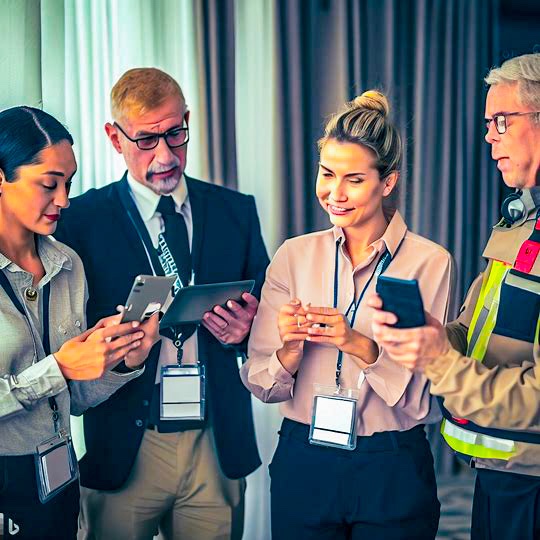
Here are some specific tips for creating an effective emergency communication plan:
- Identify your target audience. Who do you need to communicate with in the event of an emergency? It could include residents, staff, guests, and vendors.
- Determine your communication channels. How will you communicate with your target audience? It could include email, phone, text messaging, social media, or a combination of channels.
- Create a communication plan. This plan should include a timeline for communicating with your target audience, as well as the specific messages you will deliver.
- Test your plan. Make sure your emergency plan is working by conducting regular tests. It will help you identify gaps or weaknesses to make necessary adjustments.
Policy and Rule Awareness

Here are some specific ways to disseminate information to residents:
- Create a community newsletter or website that includes all relevant policies and rules.
- Send out regular emails or text messages with updates on community policies.
- Hold regular meetings to discuss community policies and answer questions from residents.
- Create a system for residents to report violations of community policies.
Maintenance and Service Updates

Here are some tips for providing effective maintenance and service updates:
- Be clear and concise. Residents should understand the information you are providing.
- Use clear and consistent terminology. It will help residents understand the types of maintenance and service activities.
- Provide a timeline for any planned maintenance activities or service disruptions. It will help residents to plan accordingly.
- Provide contact information for residents to get more information or ask questions.
Community Events and Initiatives

Here are some specific examples of how property managers can disseminate information about community events:
- Email: Property managers can send out monthly or quarterly newsletters to residents that highlight upcoming events.
- Social media: Property managers can create a social media page for their community to promote events.
- Flyers: Property managers can post flyers in common areas of their community to advertise upcoming events.
In conclusion, information dissemination is a vital part of effective condominium management. It enhances communication within the condominium community by prioritizing transparency, resident engagement, effective communication channels, emergency preparedness, policy awareness, maintenance updates, and community event promotion. By keeping residents informed, property managers can build trust and cooperation, leading to a more harmonious and well-managed community.






Leave a comment