
Is it time to give your Filipino home a fresh new look underfoot? Floating tile flooring is rapidly becoming a favorite among homeowners in the Philippines for its appealing combination of modern style, budget-friendliness, and simple installation. Whether you’re in a bustling condo in Makati or a cozy house in Quezon City, this versatile flooring option could be the perfect solution for your next home improvement project.
What Exactly is Floating Tile Flooring?
Imagine having the elegance of tile without the fuss of messy adhesives and time-consuming grout! Floating tile flooringachieves this by using specially designed tiles that interlock seamlessly. These tiles “float” above your existing floor, meaning they aren’t directly glued or fixed to the subfloor. This innovative system not only simplifies the installation process but also significantly reduces overall costs.

Why are Filipino Homeowners Choosing Floating Tile Flooring?
Here’s a look at the compelling advantages that make floating tile flooring a smart choice for your home in the Philippines:
- Effortless DIY Installation: Forget about hiring expensive professionals! With basic tools and a little patience, you can easily install floating tile flooring yourself. This DIY-friendly nature is perfect for Filipino homeowners looking to save on labor costs.
- Pocket-Friendly Upgrade: Say goodbye to the added expenses of tile adhesives, grout, and professional installation fees. Floating tiles offer a cost-effective way to achieve the sophisticated look of tile without breaking the bank.
- Design Versatility to Suit Every Filipino Home: Whether your style is modern minimalist, classic Filipino, or anything in between, you’ll find floating tiles in a wide array of colors, patterns, and textures. This allows you to perfectly match your interior design vision for any room.
- Ideal for Philippine Climate: Water-Resistant Properties: Living in the Philippines means dealing with humidity and occasional moisture. Many floating tile options are water-resistant, making them an excellent choice for areas like kitchens, bathrooms, and even entryways where spills are more likely.
- Comfort and Noise Reduction: When paired with the right underlayment, floating tile flooring can provide added cushioning underfoot and help to absorb sound, creating a more comfortable and quieter living space – a great benefit for apartment living or busy households.
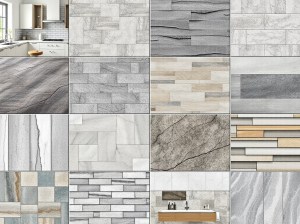
Simple Steps to Your New Floor: Installing Floating Tiles
Transforming your space with floating tile flooring is easier than you think! Here’s a general guide:
- Prepare Your Foundation (Subfloor): Ensure the existing floor is clean, level, dry, and free of any debris. This provides a stable base for your new tiles.
- Lay Down the Comfort Layer (Underlayment): Install an underlayment. This layer provides cushioning, helps with sound absorption, and can also act as a moisture barrier.
- Interlock Your Style (Install Tiles): Starting from one corner of the room, begin laying your tiles. The interlocking edges will snap together, creating a secure and seamless surface. Continue this process across the entire room, cutting tiles as needed for edges and obstacles.
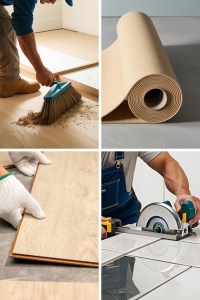
Keeping Your Floating Tiles Looking Their Best: Maintenance Tips for the Philippines
Maintaining your floating tile floor is simple and helps ensure its longevity:
| Regular Sweep or Vacuum | Regularly remove dust, dirt, and debris with a soft broom or vacuum cleaner (using a soft brush attachment to avoid scratches). |
| Gentle Damp Mopping | For deeper cleaning, use a slightly damp mop with a mild, pH-neutral cleaner specifically designed for tile floors. Avoid using excessive water, which could seep into the seams. |
| Protect Against Scratches | Place mats at doorways to trap dirt and use furniture pads under the legs of tables, chairs, and other heavy items to prevent scratches. |
Important Considerations for Filipino Homes
While floating tile flooring offers many benefits, here are a few points to keep in mind:
- Durability in High-Traffic Zones: While generally durable, floating tiles in extremely high-traffic areas might show wear and tear faster than traditional, thicker tiles over the long term. Consider the foot traffic in each room when making your decision.
- Managing Moisture: While many are water-resistant, prolonged exposure to standing water can potentially damage the core of some floating tiles. Ensure proper sealing around sinks, showers, and toilets.
- Not Ideal for Outdoors: Floating tile flooring is primarily designed for indoor use and is not recommended for outdoor settings due to potential damage from weather elements like heavy rain and direct sunlight.
Cost Comparison in the Philippines: Floating Tile vs. Traditional Tile
To give you a clearer picture, here’s an approximate cost comparison:
| Flooring Type | Average Cost per sq. ft. (PHP) | Installation Complexity |
|---|---|---|
| Floating Tile | ₱200 – ₱400 | Easy (DIY-friendly) |
| Traditional Tile | ₱300 – ₱600+ | Moderate to High |
Note: Prices are approximate and can vary depending on the specific materials chosen, brand, and location within the Philippines.
The Verdict: Is Floating Tile Flooring Right for Your Filipino Home?
Floating tile flooring offers a compelling blend of style, affordability, and ease of installation, making it a fantastic option for many homeowners in the Philippines. Its versatility in design and water-resistant properties make it suitable for various rooms in your house or condo. If you’re looking for a cost-effective and DIY-friendly way to upgrade your floors, floating tile flooring is definitely worth considering for your next home improvement endeavor!
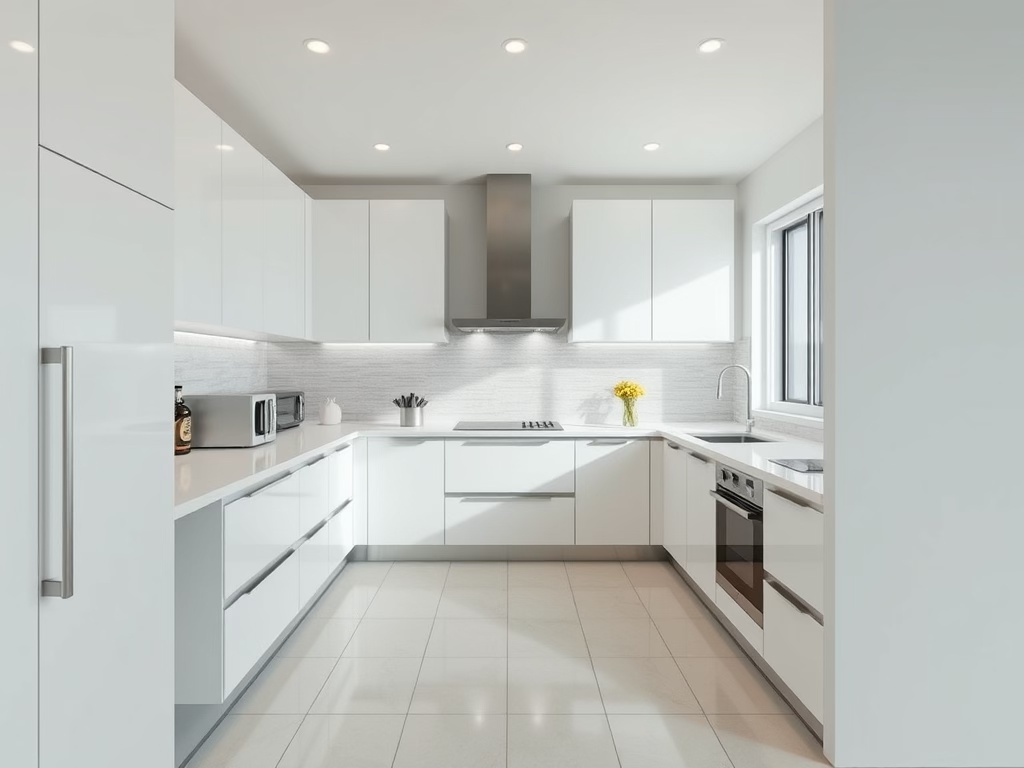
Consider exploring the different types and styles available at your local home improvement stores in the Philippines to find the perfect floating tile flooring to elevate your living space.


 U-Property PH
Leave a comment