

The Philippines, an archipelago brimming with vibrant culture and deep history, presents a fascinating tapestry of real estate landmarks. These structures, ranging from centuries-old colonial fortifications to cutting-edge urban developments, tell the story of the nation’s journey. Join us as we explore some of the most significant sites that showcase the Philippines’ rich heritage and dynamic present.
Manila’s Historical Heart: Where Heritage Comes Alive
Metro Manila, the nation’s capital, is home to several landmarks deeply rooted in Philippine history and culture.
Intramuros: The Enduring Walled City of Manila
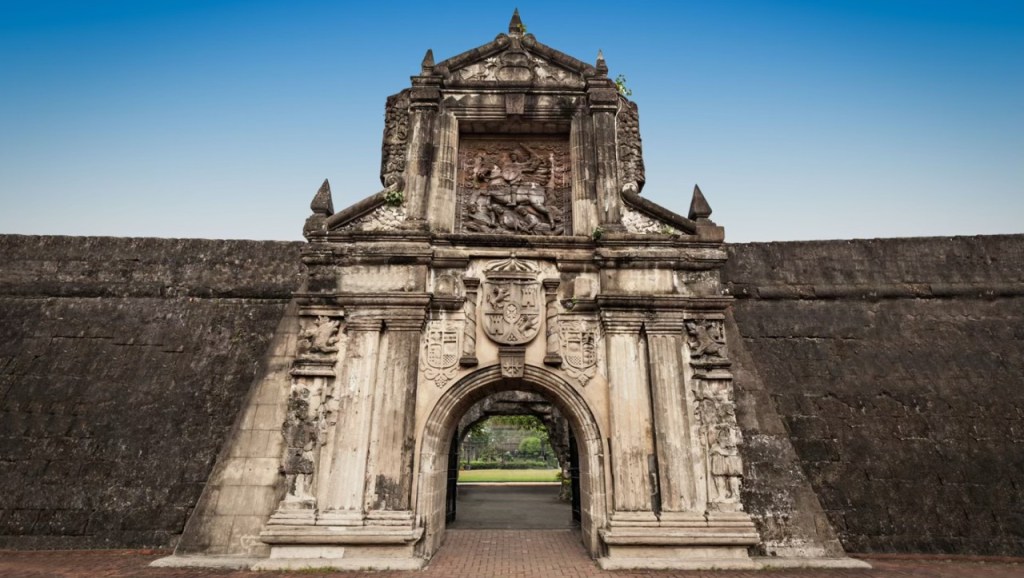
Step back in time within Intramuros, Manila’s oldest district. Meaning “within the walls,” this historic area preserves the essence of the Spanish colonial era. Its cobblestone streets lead to significant sites like:
- Fort Santiago: A formidable citadel that played a crucial role in Philippine history, serving as a defense fortress and detention center for national hero Dr. José Rizal before his execution.
- San Agustin Church: A UNESCO World Heritage site and the oldest stone church in the Philippines, showcasing stunning Baroque architecture and surviving centuries of turmoil.
Exploring Intramuros offers a unique glimpse into the past, best experienced on foot, by bamboo bicycle, or via a traditional kalesa (horse-drawn carriage).
Intramuros: More Than Just Walls – A Living Museum

While Fort Santiago and San Agustin Church are highlights, Intramuros offers a much deeper dive into Philippine history and culture. Founded by the Spanish in 1571, it served as the seat of government, religion, and education for centuries.
- Rich History: Intramuros witnessed pivotal events, from the Manila Galleon trade era to battles during World War II, which devastated much of the original structures. Post-war reconstruction efforts focused on preserving its historical character.
- Key Attractions Beyond the Obvious:
- Casa Manila: A meticulously reconstructed colonial-era mansion offering a peek into the opulent lifestyle of the ilustrados (educated elite).
- Baluarte de San Diego: A bastion offering panoramic views, showcasing well-preserved fortifications.
- Rizal Shrine: Located within Fort Santiago, this museum details the final days of Dr. José Rizal.
- Various Museums: Several smaller museums focusing on specific aspects of history, art, and religion are scattered throughout the Walled City.
- Experiencing Intramuros Today: It’s not just a historical site but a living community with universities, government offices, restaurants, and cafes nestled within its walls. Visitors can enjoy guided tours, cultural performances, and simply soak in the atmosphere. For a unique perspective, consider walking along the top of the walls themselves. Allow at least half a day to truly appreciate its scale and significance. Its blend of preservation and daily life makes it a compelling real estate landmark, representing resilience and the enduring value of heritage.
The Manila Cathedral: A Symbol of Faith and Resilience

Officially the Minor Basilica and Metropolitan Cathedral of the Immaculate Conception, the Manila Cathedral stands proudly within Intramuros. Rebuilt multiple times after earthquakes and war, its current Romanesque Revival structure symbolizes the unwavering faith of the Filipino people. Its majestic facade, intricate stained-glass windows, and grand interiors inspire awe in visitors and devotees.
Rizal Park: An Urban Oasis Honoring a National Hero

Spanning 58 hectares in the heart of Manila, Rizal Park (formerly Luneta) is a cherished urban green space dedicated to Dr. José Rizal. Key features include:
- The Rizal Monument: Guarded ceremonial soldiers, this iconic monument contains Rizal’s remains and marks the approximate site of his execution, a pivotal moment in the Philippine Revolution.
- Gardens and Open Spaces: Beautifully landscaped areas like the Japanese and Chinese Gardens, open lawns, and the Central Lagoon offer spaces for recreation, cultural events, and quiet contemplation.
Rizal Park remains a vital gathering place, reflecting the nation’s reverence for its hero and the importance of public spaces.
National Museum of the Philippines: Guardian of Filipino Heritage

This sprawling complex is dedicated to preserving and showcasing the nation’s rich natural, cultural, and artistic heritage. It comprises several museums:
- National Museum of Fine Arts: Home to masterpieces like Juan Luna’s powerful Spoliarium.
- National Museum of Anthropology: Features artifacts tracing Filipino ancestry, including ethnographic and archaeological finds.
- National Museum of Natural History: Exhibits the country’s diverse biodiversity within a stunningly repurposed building featuring the “Tree of Life.”
It’s an essential stop for anyone seeking to understand the depth and breadth of Filipino history and identity.
Cultural Center of the Philippines (CCP): Nurturing the Nation’s Soul

Perched along Manila Bay, the CCP Complex is the Philippines’ premier institution for arts and culture. Designed in the Brutalist style, its main building hosts a wide array of performances:
- World-class ballet, theater, and orchestral music.
- Film screenings and visual art exhibitions.
- Workshops and festivals celebrating Filipino creativity.
The CCP is instrumental in promoting Filipino artists and providing access to high-quality cultural experiences.
Modern Philippines: Skylines and Lifestyle Hubs
Beyond the historical sites, the Philippines boasts dynamic modern developments reflecting its economic growth and contemporary lifestyle.
Ayala Triangle Gardens: Makati’s Green Lung

Located within the bustling Makati Central Business District, the Ayala Triangle Gardens offers a refreshing escape. This urban park features:
- Lush lawns, mature trees, and walking paths.
- Striking public art installations.
- A variety of restaurants flanking its sides.
- A popular annual Festival of Lights during the holiday season.
It serves as a vital green space for professionals and residents in Makati.
Bonifacio Global City (BGC): The Rise of a Cosmopolitan Center

Transformed from a former military base, BGC in Taguig City is a prime example of modern Philippine urban planning. It’s characterized by:
- Sleek contemporary architecture and skyscrapers.
- Wide, pedestrian-friendly streets.
- An abundance of public art and green spaces.
- A vibrant mix of international corporations, residential condominiums, high-end retail, diverse dining options, and international schools.
BGC represents the country’s ambition and its growing status as a cosmopolitan hub.
SM Mall of Asia (MOA): A Mega-Destination for Retail and Entertainment

Facing Manila Bay, the SM Mall of Asia is more than just a shopping center; it’s a vast lifestyle complex. As one of Asia’s largest malls, it offers:
- Hundreds of retail shops and dining outlets.
- Entertainment options like an IMAX theater, an Olympic-sized ice rink, and the MOA Eye Ferris wheel.
- The SMX Convention Center and the MOA Arena, hosting major events.
Its scale and seaside location make it a landmark destination for locals and tourists alike.
Gateways to the Archipelago: Modern Airport Infrastructure
Efficient transportation hubs are crucial real estate landmarks connecting the Philippines to the world.
Ninoy Aquino International Airport (NAIA) Terminal 3: Manila’s Main Gateway
As the largest terminal serving Metro Manila, NAIA Terminal 3 handles a significant portion of international and domestic flights. It features modern passenger amenities, expansive duty-free shopping, and facilities designed to accommodate millions of travelers annually, serving as a primary entry point to the nation.

Clark International Airport (CRK): Expanding Northern Access

Located in the Clark Freeport Zone, Pampanga, Clark International Airport has emerged as a vital alternative gateway, particularly for Northern and Central Luzon. With its modern passenger terminal and state-of-the-art facilities, CRK aims to decongest Manila’s air traffic and stimulate regional economic growth.
Conclusion: A Nation’s Story Told Through Its Landmarks
The real estate landmarks of the Philippines paint a vivid picture of a nation proud of its past and optimistic about its future. From the resilient walls of Intramuros to the gleaming towers of BGC, these structures are more than just buildings and spaces; they are repositories of memory, centers of culture, engines of commerce, and symbols of Filipino identity. They collectively narrate a compelling story of heritage, resilience, and progress.
For more insights into the Philippines’ real estate landscape and cultural heritage, visit U-Property PH.


 U-Property PH
Leave a comment