
As a real estate professional here in the Philippines, I consistently see the magnetic pull of our Central Business Districts (CBDs). Makati, Bonifacio Global City (BGC), and Ortigas have long been the titans of the Philippine real estate scene, buzzing with economic activity and promising growth. It’s natural to look at a sleek condo unit in one of these hubs and think, “Could this be my next smart investment?”

The simple answer is: Absolutely, there’s immense potential. But like any significant investment decision, it requires a clear understanding of both the dazzling opportunities and the practical challenges. We need to look beyond the glossy brochures and delve into the why and the how.
In this article, we’re going to peel back the layers. We’ll break down the compelling advantages, tackle the potential hurdles head-on, and take a closer look at the unique dynamics of Makati, BGC, and Ortigas. My aim is to equip you with the knowledge you need to make a truly confident decision.
Let’s get started.
Why Consider a CBD Condo Investment in the Philippines? The Enduring Appeal
Think of Philippine CBDs as the engine rooms of our economy. They are magnets for businesses, both local and international, drawing in a vibrant workforce and creating a concentrated demand for housing that is simply hard to find elsewhere. Investing in a condo here isn’t just buying property; you’re buying into the energy, the convenience, and the future growth story of the Philippines.
Here’s what makes CBD condos consistently attractive:
- Economic Hubs: CBDs are where the jobs are, where the major transactions happen, and where significant infrastructure investments are often prioritized.
- Lifestyle & Convenience: Everything you need – from work and shopping to dining and entertainment – is often just a short walk or commute away.
- Prestigious Addresses: Owning property in a prime CBD location carries a certain prestige and can be a strong selling point for both buyers and renters.
- High Demand Pool: The concentration of professionals, expatriates, and young families creates a deep pool of potential tenants and future buyers.
Now, let’s explore the more tangible benefits from an investment perspective.
The Upside: Compelling Advantages of Investing in Philippine CBD Condos
When you evaluate a real estate investment, you’re looking for growth, stability, and returns. CBD condos in the Philippines often tick these boxes, offering several significant advantages:
1. High Appreciation Potential
Historically, properties in prime Philippine CBDs have shown impressive capital appreciation over the long term. Why is this the case?
- Supply and Demand: Land within established CBDs is inherently limited. As the population and economic activity continue to grow, the demand for space – both commercial and residential – increases, driving property values up. It’s basic economics, but amplified in a high-growth urban core.
- Infrastructure Development: CBDs often benefit from ongoing government and private sector investments in infrastructure, such as transportation networks (LRT/MRT extensions, expressways), utilities, and public spaces. Improved infrastructure makes the area more accessible and desirable, further boosting values.
- Economic Resilience: While real estate markets can fluctuate, prime CBDs tend to be more resilient during economic downturns compared to other areas. The core demand from businesses and professionals provides a level of stability.
- Global Benchmarking: Our major CBDs are increasingly benchmarked against other prime locations in Southeast Asia. As the Philippines continues its economic ascent, property values in these key areas tend to align with regional trends.
2. Unbeatable Location & Lifestyle
Investing in a CBD condo means investing in a lifestyle that’s highly sought after. For many, the convenience factor alone is worth the premium.
- Proximity to Work: The daily commute in Metro Manila can be grueling. Living in a CBD dramatically cuts down travel time, freeing up hours that would otherwise be spent in traffic. This is a huge selling point for tenants and residents alike.
- Access to Amenities: CBDs are planned communities designed for convenience. We’re talking about world-class shopping malls, diverse dining options, entertainment venues, parks, hospitals, and educational institutions, all within easy reach.
- Connectivity: Major CBDs are typically well-connected to other parts of the metro via public transport (LRT/MRT, buses, taxis, ride-sharing) and major road networks.
- Vibrant Environment: There’s a certain energy about living in a CBD. It’s dynamic, fast-paced, and offers a plethora of activities and events, catering to a modern, urban lifestyle.
3. Strong Rental Yields & Tenant Pool
One of the most attractive aspects of owning a condo in a prime CBD is the potential for consistent rental income.
- High Rental Demand: The sheer concentration of professionals, expatriates, students, and transient workers creates a constant demand for rental units.
- Premium Rental Rates: Due to the prime location and convenience, rental rates in CBDs are typically higher than in residential areas outside the core business districts.
- Target Tenant Market: CBDs attract a desirable tenant profile – often corporate executives, foreign assignees, or successful local professionals who value convenience and are willing to pay a premium for it.
- Potential for Short-Term Rentals: Depending on the building regulations and your strategy, some CBD condos can also be utilized for short-term rentals (like AirBnB), potentially offering higher yields, albeit with more active management required.
The Flip Side: Risks and Challenges to Consider
Now, let’s talk about the realities. No investment is without its risks, and CBD condos in the Philippines present their own set of challenges that you must carefully evaluate.
1. Navigating High Entry Costs
The popularity and prime nature of CBDs mean that properties here come with a premium price tag.
- Higher Acquisition Costs: Per square meter, properties in Makati, BGC, and Ortigas are among the most expensive in the country. This requires a substantial upfront investment, including down payments, closing costs, and other fees.
- Affordability Barrier: The high price point can make it challenging for first-time investors or those with limited capital to enter the market.
- Financing Considerations: While banks are generally willing to finance properties in prime locations, the loan amount needed will be significant, requiring a strong financial standing and careful budgeting for mortgage payments.
- Ongoing Costs: Beyond the mortgage, factor in higher property taxes, association dues, and potential maintenance costs compared to properties in less prime locations.
2. Understanding Market Dynamics
While long-term appreciation is a trend, the market isn’t immune to fluctuations.
- Possibility of Oversupply: Developers, naturally, want to capitalize on demand. This can sometimes lead to a high concentration of new developments launching around the same time. If supply temporarily outpaces demand, it can soften rental rates or slow down appreciation in the short to medium term.
- Economic Sensitivity: Although relatively resilient, the luxury or high-end segment of the CBD market can be sensitive to broader economic conditions and the influx (or outflow) of foreign investments and expatriates.
- Competition: As an investor looking for rental income, you’ll be competing with many other unit owners in your building and neighboring developments. Standing out might require competitive pricing or enhanced unit features.
- Market Research is Crucial: Relying solely on historical data isn’t enough. You need to analyze current market conditions, vacancy rates, rental trends, and future development pipelines to make an informed decision.
3. Infrastructure & Livability Factors
While CBDs offer convenience, their rapid growth also puts a strain on existing infrastructure.
- Traffic Congestion: This is perhaps the most significant pain point. While living within the CBD reduces commute into the area, navigating within or out of the CBD during peak hours can still be a major challenge. This impacts residents’ daily lives and can affect the overall desirability of the location for some.
- Strain on Utilities: High-density living can sometimes put a strain on utilities like water and electricity, although developers and utility providers are constantly working to upgrade infrastructure.
- Construction Activity: CBDs are constantly evolving, which means ongoing construction is common. This can lead to noise, dust, and temporary road closures, impacting livability in the immediate vicinity of development sites.
- Need for Urban Planning Solutions: Continued growth necessitates smart urban planning, including efficient public transport, sufficient green spaces, and effective waste management, to ensure the long-term sustainability and livability of the district.
A Closer Look: Challenges and Opportunities in Key CBDs
Let’s zoom in on the big three and understand their individual nuances:
Makati: The Established Powerhouse
Makati is the Philippines’ original financial district, a mature market with a long history of property appreciation and a solid reputation.

- Maturity & Stability: Makati offers a sense of established stability. It’s a proven market with a deep pool of corporate tenants and a well-developed ecosystem of businesses and amenities.
- High Barrier to Entry: Property values here are among the highest, making it challenging for many new investors to acquire prime assets. Competition for desirable units is fierce.
- Infrastructure Strain: As a long-standing CBD, Makati faces significant traffic and infrastructure challenges due to decades of development. While there are ongoing efforts to improve this, it remains a key consideration.
- Limited Room for Rapid Appreciation: While values continue to appreciate, the pace might be slower compared to newer, rapidly developing districts, simply because it’s already a highly mature market.
Bonifacio Global City (BGC): The Modern Frontier
BGC is the dynamic, modern challenger, known for its master-planned layout, wide streets, and trendy lifestyle.
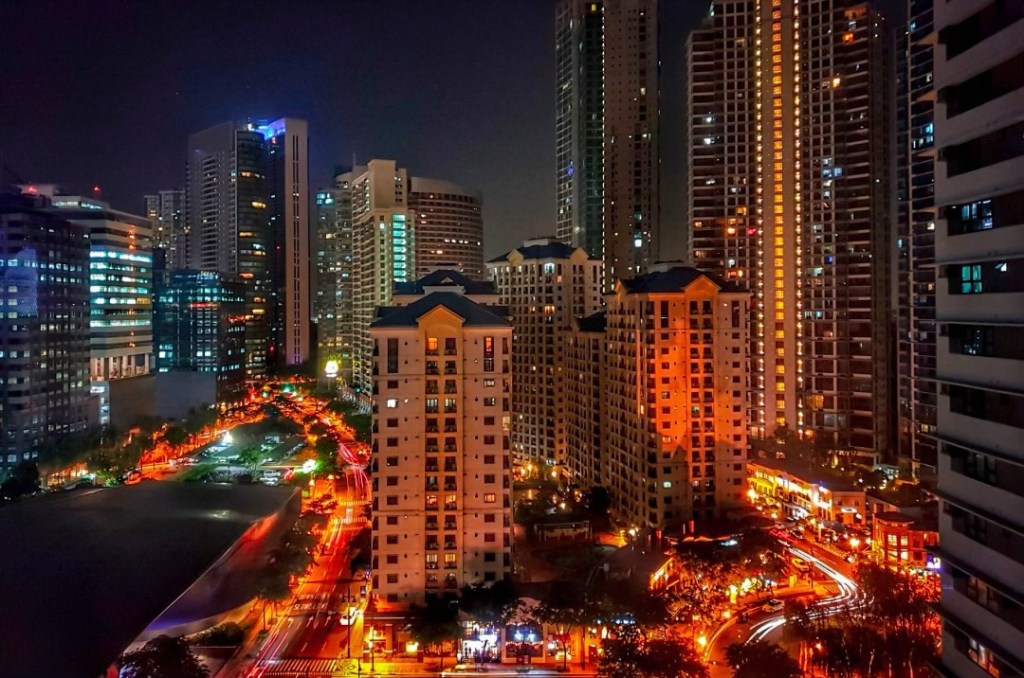
- Rapid Growth & Modern Infrastructure: BGC is relatively young and boasts modern infrastructure, green spaces, and a carefully planned layout that appeals to a contemporary urban dweller.
- Lifestyle Appeal: BGC is synonymous with a vibrant, live-work-play lifestyle, attracting a mix of young professionals, families, and a significant expatriate community.
- Oversupply Concerns (Historically): BGC has experienced periods where the supply of new units was high, particularly in the luxury segment. While the market adjusts, it’s crucial to analyze current vacancy rates and rental trends in specific buildings and segments.
- Premium Pricing: BGC properties command premium prices, often comparable to or even exceeding certain areas in Makati, reflecting its popularity and modern appeal.
- Strong Expatriate Rental Market: BGC is a preferred location for many expatriates, creating a strong demand for rental units, particularly in well-managed buildings with good amenities.
Ortigas: The Evolving Hub
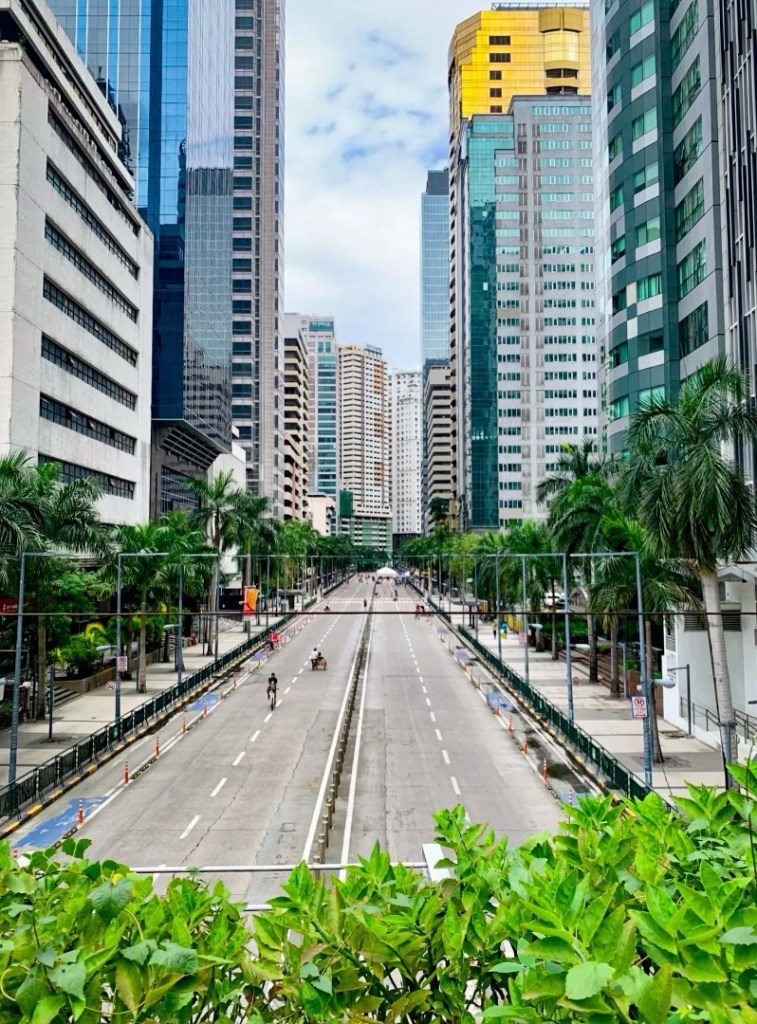
Strategically located at the crossroads of Pasig, Mandaluyong, and Quezon City, Ortigas has transformed into a bustling, diverse CBD offering a blend of commercial and residential developments.
- Relative Affordability: Compared to Makati and BGC, Ortigas often offers more relatively affordable entry points for investors, although prices have been steadily increasing.
- Strategic Location: Its central location provides excellent connectivity to multiple cities, making it convenient for people working in various parts of Metro Manila.
- Diverse Market: Ortigas caters to a wider range of income brackets and lifestyles, with a mix of residential, commercial, and retail developments.
- Infrastructure Needs: While undergoing significant development, Ortigas still faces considerable traffic challenges, and ongoing infrastructure projects are crucial for its continued growth and livability.
- Significant Future Potential: With ongoing and planned infrastructure improvements (like the MRT-4 project), Ortigas has significant potential for future appreciation and increased desirability.
Is a CBD Condo Investment Right for You?
This is the million-dollar question, isn’t it? Investing in a Philippine CBD condo can be a rewarding move, but it’s not a one-size-fits-all solution. Consider these points:
- Your Investment Goals: Are you looking for long-term capital appreciation, steady rental income, or both? CBDs can offer both, but the balance might differ depending on the specific location and property.
- Your Risk Appetite: While generally stable, the market can have short-term fluctuations. Are you comfortable with potential vacancies or slower appreciation during certain periods?
- Your Financial Capacity: Can you comfortably afford the down payment, mortgage payments, taxes, dues, and potential repair costs? Having a buffer is always wise.
- Your Time Horizon: Real estate is typically a long-term investment. Are you prepared to hold the property for several years to maximize your returns?
- Your Management Style: Are you planning to manage the property yourself (finding tenants, handling repairs) or will you hire a property manager? Factor in the costs and effort involved.
If you’re serious about investing in this space, assessing these factors honestly is your crucial first step.
Making an Informed Decision: Your Next Steps
Investing in a Philippine CBD condo offers exciting prospects, but it demands careful consideration. Don’t rush into a decision based solely on hype or historical performance.
- Conduct Thorough Research: Dive deeper into the specific building and location you’re interested in. Look at vacancy rates, rental comparables, developer track record, and future development plans for the area.
- Analyze Your Finances: Get pre-approved for a mortgage if needed and create a detailed budget that includes all potential costs of ownership and investment.
- Visit the Property and the Area: Experience the location firsthand. How is the traffic? What are the amenities like? Does the building feel well-maintained?
- Consult with Experts: This is where a trusted real estate professional comes in. We can provide localized market insights, help you analyze potential returns, and guide you through the complexities of the transaction. We can also connect you with legal and financial advisors.
The takeaway here is clear: With the right approach, thorough research, and expert guidance, investing in a condominium within the Philippines’ Central Business Districts can indeed be a lucrative opportunity in our rapidly evolving economy. Let’s connect and explore how this fits into your personal investment journey.
Ready to discuss your real estate investment options in Makati, BGC, or Ortigas?
Let’s schedule a consultation to discuss your goals, assess potential properties, and build a strategy tailored to your needs. Making a confident decision starts with having the right information and a trusted partner by your side. Contact Us!





Leave a reply to Condominium Living Philippines: The Ultimate Guide for Buyers & Investors – U-Property PH Cancel reply