

There are many ways to foster a sense of belonging in the community in a condominium building. Some methods include:
Resident Engagement

Here are some specific ideas for engaging residents:
- Host regular community events, such as potluck dinners, movie nights, or game nights.
- Create a community bulletin board where residents can post announcements, events, and for sale or trade items.
- Start a community garden or green space where residents can grow food and flowers together.
- Offer resident discounts at local businesses.
- Create a resident-led committee to plan events and activities.
By taking these steps, property managers can help to create a vibrant and welcoming community where residents feel connected to each other and their surroundings.
Open Communication

By encouraging transparent and open communication, a culture of trust, collaboration, and transparency is celebrated. It allows residents to actively participate in decision-making processes and contribute meaningfully to the advancement of the community.
Here are some specific tips for property managers on how to encourage open communication:
- Hold regular community meetings. These meetings should be open to all residents in providing the opportunity to share their thoughts and ideas.
- Create a suggestion box. It is a good way for residents to share their concerns or suggestions anonymously.
- Establish a dedicated online platform. It could be a website, forum, or social media group where residents can communicate with each other and with property management.
By following these tips, property managers can create a culture of open communication that will help to build a resilient community.
Community Amenities and Facilities
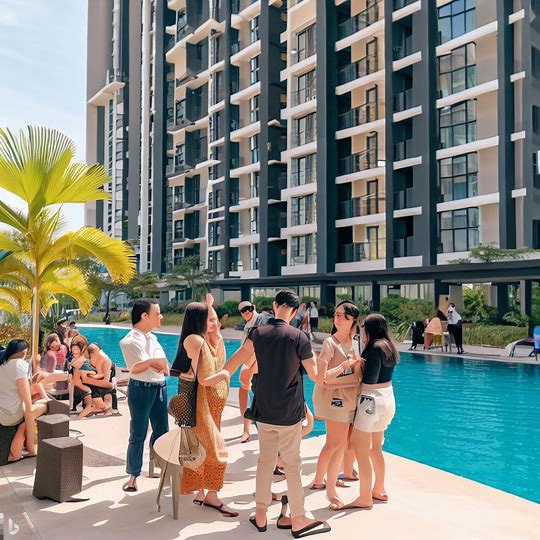
Here are some specific ways that property managers can improve the maintenance and design of community amenities and facilities:
- Regularly inspect and maintain all common areas. It includes repairing any damage, cleaning up debris, and ensuring all equipment is in good working order.
- Provide clear signage and guidelines for usage. It will help to prevent accidents and ensure that everyone is using the facilities safely and respectfully.
- Create a welcoming atmosphere. It can be by planting flowers, adding artwork, and ensuring the facilities are well-lit.
By taking these steps, property managers can create community amenities and facilities that are both functional and inviting. It will help to foster a sense of community among residents and make their homes more enjoyable places to live.
Volunteer Opportunities
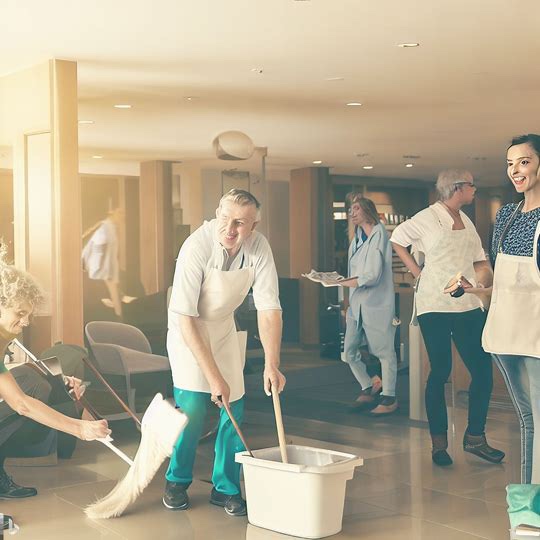
Here are some specific examples of volunteer opportunities that property managers can offer:
- Community service initiatives: Property managers can spearhead community service initiatives such as food drives, clothing drives, or toy drives. These initiatives can help to improve the lives of those in need in the community and make residents feel like they are making a difference.
- Neighborhood clean-up events: Property managers can organize neighborhood clean-up events to help keep the community clean and safe. These events can help to build relationships between neighbors and create a sense of community pride.
- Committees: Property managers can establish committees where residents can actively contribute their time and skills. These committees can focus on different issues, such as beautifying the community, planning events, or fundraising for local charities.
By providing volunteer opportunities, property managers can empower residents, foster a sense of ownership, and build stronger communities.
Cultural and Educational Programs
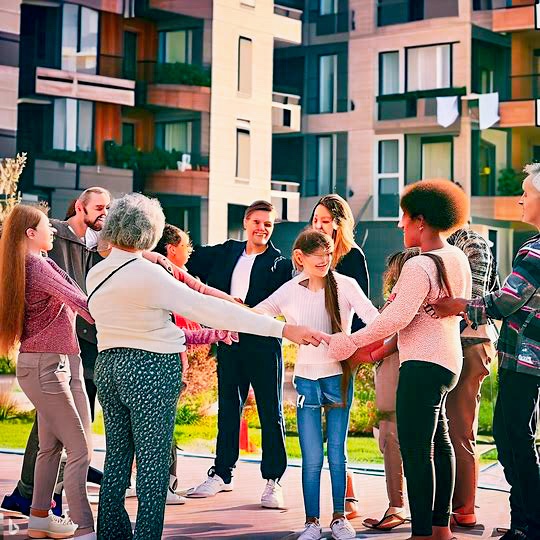
Here are some ideas for cultural and educational programs that property managers can organize:
- Art workshops: Residents can learn new art skills or practice their existing skills in a fun and supportive environment.
- Music classes: Residents can learn to play an instrument, sing, or enjoy listening to music together.
- Dance classes: Residents can learn to dance, whether interested in ballroom dancing, hip-hop, or something else.
- Cooking classes: Residents can learn to cook new dishes from around the world or improve their cooking skills.
- Language classes: Residents can learn a new language, whether they’re interested in learning a language for travel, work, or to expand their horizons.
- Book clubs: Residents can discuss books they’ve read, learn about new books, and make new friends.
- Movie nights: Residents can watch movies together, discuss them afterward, and make new friends.
- Community service projects: Residents can work together to make a difference in their community.
These are just a few ideas for cultural and educational programs that property managers can organize. By providing opportunities for residents to learn, grow, and connect, property managers can help to create a vibrant and welcoming community.
Supportive Environment

Here are some specific ways that property managers can create a supportive environment:
- Encourage residents to get to know each other. It can be by hosting events and gatherings, such as potlucks, block parties, or community clean-ups.
- Create a sense of ownership. Residents are more likely to feel invested in their community if they have a say in its management. Property managers can encourage this by giving opportunities to participate in decision-making processes, such as through resident councils or committees.
- Be responsive to resident concerns. When residents feel their concerns are heard and addressed, they are more likely to feel valued and respected. Property managers should make it easy for residents to communicate their concerns and then they should take steps to address them promptly and effectively.
By creating a supportive environment, property managers can help to foster a sense of community in their properties. It can lead to several benefits, including increased satisfaction, improved safety, and a stronger sense of belonging.
Celebrating Milestones and Achievements
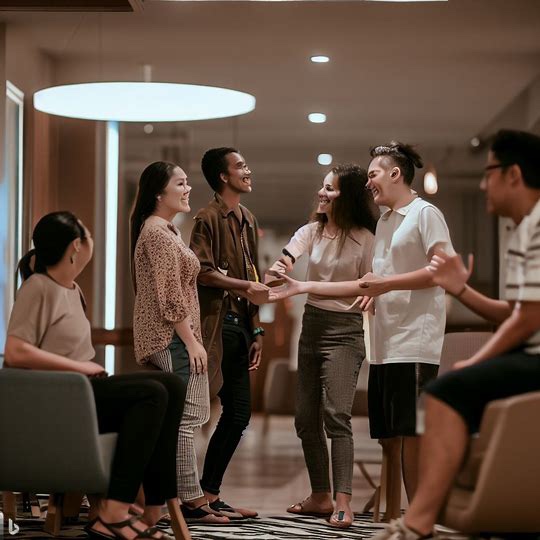
Here are some specific examples of how property managers can celebrate residents’ milestones and achievements:
- Send out a newsletter highlighting residents’ accomplishments. It could include a resident who recently graduated from college, a resident promoted at work, or a resident who has volunteered their time to a local organization.
- Post about residents’ accomplishments on social media. It is a great way to reach a wider audience and celebrate residents’ achievements.
- Host a community event to celebrate residents’ milestones. It could be anything from a potluck dinner to a block party.
By celebrating residents’ milestones and achievements, property managers can create a more positive and vibrant community. It can increase satisfaction, reduced turnover, and improved property values.
In conclusion, effective condominium management requires fostering a profound sense of community. It can be by promoting resident engagement, facilitating open communication, ensuring well-maintained amenities, offering volunteer opportunities, organizing cultural and educational programs, fostering a supportive environment, and celebrating residents’ milestones. By promoting harmonious living, condominiums can create a successful and thriving community.





Leave a reply to Effective Condominium Management: Ensuring Optimal Conditions and Resident Satisfaction – U-Property PH Cancel reply