

Here are some reasons why prioritizing resident satisfaction is crucial:
Effective Communication

Regular communication through newsletters, emails, community meetings, or online platforms helps residents stay informed about property updates, maintenance schedules, upcoming events, and any changes that may impact their living experience. Responsive and timely communication fosters trust, promotes engagement, and enhances resident satisfaction.
Here are some specific tips for improving communication with residents:
- Be proactive. Don’t wait for residents to come to you with problems. Instead, proactively communicate with them about important issues, such as upcoming maintenance work or changes to the property’s rules and regulations.
- Be clear and concise. When communicating with residents, use clear and concise language that is easy to understand. Avoid using jargon or technical terms that residents may not be familiar with.
- Be responsive. When residents contact you with questions or concerns, be sure to respond promptly. This shows that you value their feedback and are committed to resolving any issues as quickly as possible.
- Be respectful. Always treat residents with respect, even when they are upset or angry. Remember that they are your customers, and you want them to have a positive experience living in your property.
Responsive Maintenance and Repair

In addition to responsive maintenance, property managers should also implement regular preventive maintenance schedules. This will help to identify and address potential problems before they become major issues. By demonstrating a commitment to maintaining the property in good condition, property managers can enhance resident satisfaction and create a comfortable living environment.
Here are some additional tips for improving responsive maintenance and repairs:
- Use a centralized system for reporting maintenance requests. This will make it easier for residents to report issues and for staff to track progress.
- Assign a specific staff member or contractor to each maintenance request. This will ensure that someone is responsible for following up and ensuring that the issue is resolved.
- Set realistic expectations for response times. Residents should be aware that some repairs may take longer than others.
- Communicate with residents throughout the repair process.Let them know when you expect the work to be completed and keep them updated on any unexpected delays.
Amenities and Common Areas

Here are some specific tips for property managers to improve amenities and common areas:
- Cleanliness: Regular cleaning is essential for maintaining a healthy and inviting environment. This includes cleaning all surfaces, floors, and fixtures, as well as removing any trash or debris.
- Maintenance: Amenities and common areas should be regularly inspected and maintained to ensure that they are in good working order. This includes repairing any damage, making necessary upgrades, and replacing worn-out equipment.
- Security: Residents should feel safe and secure when using amenities and common areas. This means providing adequate security measures, such as security cameras, lighting, and access control.
- Accessibility: Amenities and common areas should be accessible to all residents, including those with disabilities. This means providing ramps, accessible restrooms, and other accommodations as needed.
Respectful Community Policies

Here are some specific examples of respectful community policies:
- Noise levels: Residents should be respectful of their neighbors by keeping noise levels to a reasonable level, especially during quiet hours.
- Pet policies: Property managers should have clear pet policies in place, which may include restrictions on the size and type of pets allowed, as well as pet fees.
- Parking regulations: Property managers should have clear parking regulations in place, which may include restrictions on where and how long residents can park their cars.
Resident Involvement and Engagement
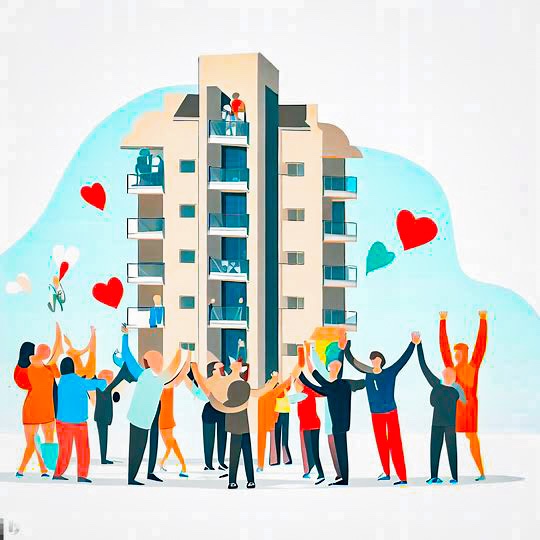
Here are some specific examples of how property managers can encourage resident involvement and engagement:
- Organize community events. Property managers can organize community events, such as potluck dinners, block parties, or movie nights. These events can provide an opportunity for residents to get to know one another and build relationships.
- Host social gatherings. Property managers can host social gatherings, such as coffee hours, book clubs, or game nights. These gatherings can provide a more relaxed and informal setting for residents to connect.
- Offer volunteer opportunities. Property managers can offer volunteer opportunities, such as working in the community garden, cleaning up the neighborhood, or collecting donations for local charities. These opportunities can give residents a sense of purpose and belonging.
- Create resident-led committees. Property managers can create resident-led committees, such as a beautification committee, a safety committee, or a social committee. These committees can give residents a chance to contribute their skills and ideas to the community.
Responsive Customer Service

Here are some tips for providing responsive customer service:
- Be proactive. Don’t wait for residents to come to you with problems. Anticipate their needs and address them before they become issues.
- Be responsive. When residents do reach out to you, be sure to respond promptly and courteously.
- Be helpful. Go the extra mile to help residents resolve their issues.
- Be positive. Even when dealing with difficult situations, maintain a positive attitude and focus on finding a solution.
Continuous Improvement

Here are some specific ways that property managers can seek feedback from residents:
- Surveys. Property managers can conduct surveys to gather feedback from residents on a variety of topics, such as property maintenance, resident services, and overall satisfaction.
- Suggestion boxes. Property managers can place suggestion boxes in common areas where residents can anonymously submit their ideas for improvement.
- Resident meetings. Property managers can hold regular resident meetings to discuss community issues and get feedback from residents.
In conclusion, to effectively manage a condominium, it is vital to prioritize resident satisfaction. This can be achieved by maintaining effective communication, providing responsive maintenance, and offering well-maintained amenities. Additionally, property managers should create respectful community policies, involve residents in decision-making, and provide responsive customer service. By committing to continuous improvement, property managers can create a positive living environment, foster a sense of community, and contribute to the overall success and reputation of the condominium property.


Leave a comment