

Picture yourself standing on a private terrace at sunrise, the sea stretching endlessly before you or the glittering skyline of Manila unfolding beneath your feet. This is the promise of luxury real estate in the Philippines—where natural beauty and modern sophistication converge.
In the Philippine property market, “luxury” goes beyond price—it’s defined by exclusivity, craftsmanship, and access. Typically, luxury real estate here starts at ₱250,000 to ₱400,000 per square meter for prime condominiums in Metro Manila’s top districts like BGC, Makati, and Rockwell. For houses and lots, prestigious addresses such as Forbes Park or Ayala Alabang command prices well into the hundreds of millions. Along the coast, beachfront estates in Boracay, Palawan, and Cebu redefine tropical elegance, offering rare ownership opportunities.
This article takes you inside the four pillars of Philippine luxury living:
- Beachfront Villas that fuse privacy with paradise.
- High-End Condominiums in Manila’s most dynamic cityscapes.
- Exclusive Gated Communities that symbolize prestige and security.
- Integrated Townships that embody the future of sustainable, connected luxury.
Along the way, we’ll explore investment insights, buyer considerations, and what truly sets Philippine luxury properties apart from the rest of Southeast Asia.
The State of Luxury Real Estate in the Philippines
Market Size & Current Trends
Oversupply / Absorption Challenges
Metro Manila faces a glut in condominium supply. According to Colliers, there is now an estimated ₱158 billion‐worth of unsold ready‐for‐occupancy condominium units in the metro as of early 2025, up roughly 77% from the previous year. At the present rate of sales, clearing this inventory would take about 8.2 years.
Much of this unsold inventory lies in the mid-income segments. The high-end, luxury condos are faring better—demand remains relatively stable for those.
Growing Supply of Luxury and Ultra-Luxury Units
Developers are launching more luxury/ultra luxury projects to capture demand from affluent buyers both local (high-net-worth individuals, overseas Filipinos) and foreign. Colliers reports that new launches are skewing toward the higher end.
Strong Price Growth in Prime Markets
Manila’s prime residential real estate has logged some of the fastest growing luxury prices globally. According to Santos Knight Frank, Manila’s prime residences grew ~21.2% over 12 months and ~19% over 6 months, outpacing many global competitors.
Buyer Demographics
High Net Worth Individuals (HNWIs)
Local wealthy elites—business owners, legacy families, corporate executives—remain major players. They often seek prestige, exclusivity, prime addresses (e.g. Makati CBD, BGC, Forbes Park), and high-end finishes. They care less about rental yield, more about prestige, privacy, and lifestyle.
Overseas Filipino Workers (OFWs)
OFWs contribute significantly to luxury real estate demand. Even during periods of oversupply in lower and mid-income segments, OFWs are seen as a “market lifeline” in many prime areas. Their remittances and desire for a “home base” investment drive some stability in luxury segments.
Foreign Investors / Expats
Though foreign ownership is regulated (especially for land), foreigners often invest in luxury condos, branded residences, or joint venture projects. International appeal is rising due to tourism, improved infrastructure, and comparative price attractiveness vs. other premium ASEAN markets. Establishing secure property rights and high-quality amenities makes projects more appealing to this group.
Investment Drivers
Infrastructure Expansion
Improved connectivity (new airports, expressways, ring roads, improvements in traffic infrastructure) raises value in suburbs and areas that were previously under-served. For example, areas farther from the CBD but along transit routes are seeing rising interest.
Urbanization & Lifestyle Shifts
Affluent buyers are increasingly wanting proximity to work, dining, leisure, and lifestyle amenities. The appeal of vertical living (luxury condos) is rising. Also, wellness, sustainability, green design, smart home features are becoming expected rather than optional.
Tourism & Resort Appeal
Beachfront and resort areas (Boracay, Palawan, Cebu coast) still draw strong interest, both for personal use and rental income. International tourism rebounds amplify demand for vacation homes, luxury villas.
Global Real Estate Market Comparisons
Manila’s luxury market has been gaining attention globally (e.g. Knight Frank’s indices). Appreciation rates in prime Manila have exceeded many large global cities over recent periods, which helps attract foreign investor interest and gives local buyers confidence in capital growth.
Price Benchmarks
To sound credible, you need specific, up-to-date price benchmarks. Here are key figures:
| Location / Type | Typical Price Range / Per Square Meter (₱ / sqm) | Notes |
|---|---|---|
| Prime Condominiums in Makati / BGC / Bonifacio | ₱200,000 ‒ ₱270,000+ | Units in very high end developments may go significantly higher. Some specific projects push ₱300,000+ per sqm. |
| Mid-Tier Condos (Ortigas, Pasig, Mandaluyong, parts of Quezon City) | ₱120,000 ‒ ₱200,000 per sqm | Depends heavily on amenities, building age, and proximity to transport / CBD. |
| Value / Emerging Locations (outer Quezon City, Parañaque, Las Piñas, provincial secondary cities) | ₱70,000 ‒ ₱150,000 per sqm | Lower entry cost, but often fewer luxury finishes or less developed infrastructure. |
| Luxury Estates / Gated Communities (Houses, Lots in exclusive enclaves) | Can exceed ₱300,000-₱400,000 per sqm in places like Forbes Park, Rockwell, wealthy gated subdivisions. | These prices reflect prestige, lot size, landscaping, heritage, exclusive amenities. |
Implications
Oversupply in mid-to-upper mid-income condo segments means discounts, promos, longer sales periods—buyers have leverage. Luxury segment less affected.
Locations with strong infrastructure and connectivity are appreciating faster.
For investors, yield potential is still higher outside Metro Manila (Cebu, Davao), but higher risk (market variability, infrastructure) comes with it.
Paradise Reimagined: Luxury Beachfront Villas
Owning a luxury beachfront villa in the Philippines is the closest you can get to living inside a travel magazine. Imagine waking up to panoramic sea views, direct access to powdery white sand, and the kind of privacy that even five-star resorts struggle to match. These properties aren’t just homes—they’re sanctuaries designed for wellness, exclusivity, and tropical indulgence.
Lifestyle Appeal
Beachfront villas deliver the ultimate in secluded living. Whether perched on a cliff in Palawan, tucked into Boracay’s quieter coves, or facing Cebu’s turquoise waters, they allow for yoga decks by the sea, infinity pools blending into the horizon, and uninterrupted family retreats. Privacy and wellness converge in a way that urban luxury can’t replicate.
Key Destinations
Boracay
White Beach remains a crown jewel, with luxury estates commanding sky-high prices due to limited supply.
Palawan (El Nido & Coron)
Untouched, eco-luxury developments here offer exclusivity for global elites.
Cebu (Mactan & Bantayan)
Strong expat demand and proximity to international airports make it an investor’s sweet spot.
Siargao
Once a surfer’s paradise, it’s fast becoming a playground for luxury villa developments targeting high-end digital nomads and investors.
Price Ranges & Rental Yields
High-end beachfront villas typically range from ₱50 million to over ₱300 million, depending on location and lot size. Rental yields can reach 8–12% annually in top tourist destinations like Boracay and Siargao, driven by luxury travelers willing to pay premium nightly rates for exclusivity.

Boracay

El Nido

Cebu
Risks & Considerations
Natural Risks
Typhoons and coastal erosion are realities; properties must have climate-resilient designs.
Zoning & Environmental Laws
The Philippines enforces strict rules on coastal development; buyers must vet compliance.
Ownership Restrictions
Foreigners cannot directly own land but can explore long-term leases, condominium structures, or corporation setups.
A beachfront villa is both a lifestyle statement and an investment play—high-risk in terms of nature and regulation, but unmatched in prestige and potential returns when chosen wisely.
Urban Elegance: High-End Condominiums in Metro Manila
Luxury condominiums in Metro Manila redefine what it means to live at the center of everything. They fuse prime locations with world-class amenities, making them magnets for high-net-worth locals, expats, and corporate leaders who want both convenience and prestige in one address.
Why Luxury Condos Appeal
These residences place you right where business, lifestyle, and leisure intersect. Imagine stepping out of your lobby into a financial district, dining in Michelin-rated restaurants within minutes, or having direct access to premium malls. Amenities—sky lounges, private theaters, wellness spas, and Olympic-size pools—transform condos into vertical private clubs. Add 24/7 security and concierge services, and you get a seamless lifestyle tailored for those who value both privacy and efficiency.
Prime Hotspots in Metro Manila
Bonifacio Global City (BGC)
Modern, walkable, and designed with global standards in mind. Popular with expats, startups, and multinationals.
Makati CBD
Still the country’s financial heart, where The Residences at Greenbelt and Raffles Residences set the bar for integrated luxury living.
Rockwell Center
A master-planned community that blends exclusivity with convenience, anchored by the iconic Proscenium towers.
Ortigas CBD
Emerging as a value play, with luxury projects catering to professionals who want proximity to both Ortigas and Greenhills.
Key Developments

Uptown Ritz (BGC)
Spacious units, high glass façades, and direct access to Uptown Mall.
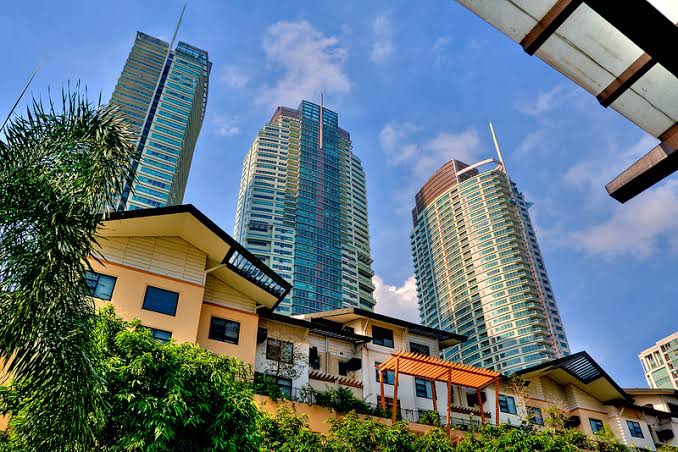
The Residences at Greenbelt
Unmatched views of the Makati skyline, integrated with Greenbelt’s shopping and dining.

Proscenium at Rockwell
Architectural landmark by Carlos Ott, with ultra-exclusive amenities and cultural spaces.
Market Insights
Price per sqm
- BGC & Makati luxury condos average ₱450,000–₱600,000/sqm.
- Rockwell commands premiums at ₱500,000–₱650,000/sqm due to limited supply.
- Ortigas luxury developments range from ₱300,000–₱400,000/sqm, appealing to investors seeking growth.
Rental Yields
Prime condos generate 5–7% annually, with corporate leases and expat rentals driving demand.
Demand Drivers
Proximity to business hubs, international schools, and embassies keeps occupancy rates high, particularly in BGC and Makati.
High-end condos in Metro Manila aren’t just homes—they’re lifestyle assets. They deliver prestige, liquidity in resale, and rental returns that outperform many suburban investments. For investors seeking stability with steady appreciation, this segment remains a cornerstone of Philippine luxury real estate.
Masterpieces of Exclusivity: Gated Communities
If beachfront villas are about solitude and luxury condos about convenience, gated communities in the Philippines are the epitome of prestige and social capital. Owning a home here isn’t just real estate—it’s entry into the country’s most elite circles.
Lifestyle Promise: Privacy, Prestige, and Community
These enclaves are designed to feel like sanctuaries within the city. Wide tree-lined roads, manicured gardens, and discreet security create an atmosphere where residents can live free from the noise of Metro Manila. Prestige comes naturally—neighbors include business tycoons, diplomats, and celebrities. Yet beyond status, there’s also a sense of community, with multi-generational families keeping strong ties within these neighborhoods.
Flagship Enclaves
Forbes Park (Makati)
Known as the “Beverly Hills of the Philippines,” home to billionaires, ambassadors, and top executives. Land values exceed ₱1.8M–₱2.2M per sqm, making it one of the most expensive addresses in Southeast Asia.
Dasmariñas Village (Makati)
Offers large lot cuts, lush greenery, and a quieter alternative to Forbes, but with equally high prestige.
Ayala Alabang (Muntinlupa)
A sprawling community with bigger lots (1,000–2,000 sqm), popular among families who want suburban calm but still near the city.
Corinthian Gardens (Quezon City)
Strategically located near Ortigas and EDSA, favored by political figures and business leaders who want accessibility without compromising exclusivity.
Amenities Beyond the Homes
Living here grants access to a network of ultra-private facilities—country clubs, polo fields, exclusive dining venues, and even international schools and embassies just minutes away. These aren’t just conveniences; they’re extensions of privilege that reinforce the value of the address.

Forbes Park

Dasmariñas Village

Ayala Alabang Village
Entry Barriers: Price and Exclusivity
Price Ranges
Homes range from ₱250M to over ₱1B, depending on lot size, location within the enclave, and heritage value.
Availability
Properties rarely hit the open market. Many transactions happen off-market, passed between families or through closed networks of brokers.
Exclusivity Factors
Strict homeowners’ associations maintain standards—buyers are often vetted, and even renovations need approval to preserve the enclave’s identity.
Gated communities are less about ROI in rental yield and more about legacy wealth, asset preservation, and status signaling. To own a property here is to hold a piece of history, a generational asset that rarely depreciates.
Integrated Townships: The Future of Luxury Living
Luxury in the Philippines is no longer confined to standalone homes or high-rise towers. Increasingly, the most forward-looking developments are integrated townships—master-planned communities that combine residential, commercial, retail, educational, and recreational spaces into one cohesive environment. Think of them as self-contained cities designed with both convenience and sustainability in mind.
The Rise of Mixed-Use Communities
Affluent buyers, particularly younger families and modern investors, are shifting toward spaces where life, work, and leisure can seamlessly coexist. These townships cut down commuting stress, prioritize green design, and foster a healthier balance between productivity and lifestyle. Developers are also integrating smart technologies, renewable energy systems, and large-scale open spaces to meet the expectations of a generation that values both luxury and sustainability.
Notable Examples Across the Country
Nuvali (Laguna, by Ayala Land)
A sprawling eco-city with lakes, bike trails, and nature reserves, paired with schools, retail hubs, and residential enclaves. It represents the future of suburban luxury.
Eastwood City (Quezon City, by Megaworld)
The country’s first true “live-work-play” township, with luxury condos, office towers, and retail at your doorstep. It set the template for integrated urban living.
Filinvest City (Alabang)
A green, pedestrian-friendly CBD in the south, blending high-end residential spaces with corporate headquarters and medical facilities.
The Mactan Newtown (Cebu, by Megaworld)
A seaside township with beachfront residential towers, business parks, and leisure hubs—ideal for investors eyeing both tourism and urban growth.

Eastwood City, QC
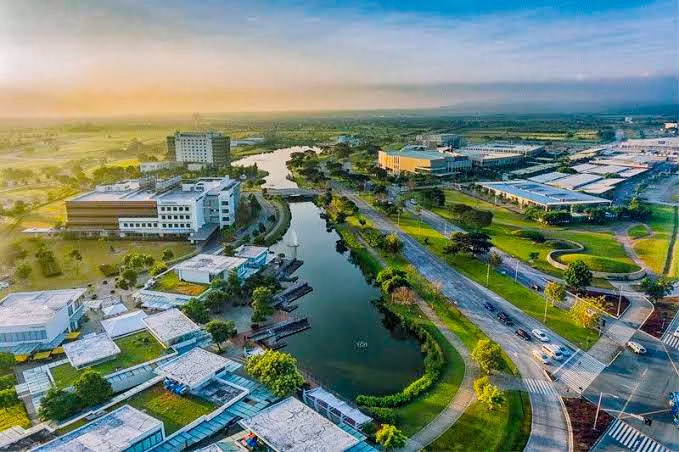
Nuvali, Santa Rosa City

Filinvest City, Alabang

The Mactan New World
Benefits for Modern Buyers and Investors
Sustainability
Master-planning incorporates eco-parks, efficient transport systems, and renewable energy features.
Convenience
With schools, hospitals, malls, and offices integrated, everything you need is within walking or short driving distance.
Accessibility
Located near major expressways, airports, and transport hubs, ensuring mobility while avoiding congestion.
Lifestyle Value
From weekend markets to cultural hubs, these townships offer curated experiences that blend luxury with community living.
Investor Appeal
Properties in townships often appreciate faster because they’re tied to long-term, large-scale developments with expanding infrastructures.
For younger affluent families, integrated townships represent a lifestyle upgrade—less time in traffic, more time for health, family, and experiences. For investors, they are future-proof assets, backed by major developers with decades-long growth visions.
The Pursuit of Perfection: Craftsmanship and Amenities
Luxury real estate in the Philippines thrives on its promise of uncompromising quality and innovative design, a blend that sets the tone for what affluent buyers demand today. Developers are no longer just building homes—they’re creating lifestyle statements that showcase the best in global architecture, interior innovation, and curated amenities.
Materials and Design Trends
High-end projects are increasingly adopting imported finishes—Italian marble, German-engineered fixtures, and Scandinavian hardwood floors—that speak to global tastes. Smart home systems are becoming the new standard, enabling residents to control lighting, temperature, and security with a tap on their smartphones. Meanwhile, biophilic design—integrating greenery, natural light, and ventilation into interiors—is taking center stage, especially in tropical cities where wellness is a lifestyle priority.
The Amenities Arms Race
Luxury no longer stops at four walls. Developers are in an amenities competition, raising the bar year after year. Sky lounges with panoramic views, private cinemas for residents, wellness and meditation centers, and exclusive concierge services have become expected features. Some projects even include wine cellars, rooftop helipads, and pet spas to meet niche but growing demands. These aren’t just add-ons—they’re investments in lifestyle value, making properties more attractive for both end-users and long-term investors.
Architectural Influences
Many premier developments in Manila, Cebu, and beyond are collaborations with international architectural firms and designers. This global influence infuses Philippine luxury real estate with modern aesthetics while incorporating local cultural touches. The result: buildings that are not just functional, but iconic landmarks. Think of residences where Japanese minimalism meets tropical modernism, or glass towers shaped by the design DNA of renowned New York and London studios.
In this relentless pursuit of perfection, craftsmanship and amenities aren’t afterthoughts—they’re the heart of what makes luxury real estate in the Philippines stand out on the world stage.
Investment Insights: Why Luxury Real Estate Matters
Luxury real estate in the Philippines is not just a lifestyle statement—it is an asset class with serious investment weight. For discerning buyers, the market offers two key value levers: rental income potential and long-term capital appreciation. Both are increasingly shaped by global investor appetite, developer strategies, and macro trends in Southeast Asia.
ROI Potential: Rental Yields and Capital Appreciation
Metro Manila’s luxury condominiums, particularly in Makati, BGC, and Rockwell, deliver gross rental yields of 5–7%, outpacing regional hubs like Singapore, where yields hover around 2–3%. Prime beachfront properties in Boracay, Cebu, and Palawan generate strong returns from both short-term rentals (tourism-driven) and long-term tenancies (expat demand). On top of rental income, capital appreciation has averaged 6–10% annually in premier CBD projects, especially those tied to integrated township developments backed by leading developers.
Recent data, however, shows both opportunity and caution. Colliers reported that unsold condo inventory in Metro Manila rose to around ₱158 billion by end-2024, a 77% increase year-on-year—enough to take 8.2 years to absorb at current sales rates. This oversupply weighs more heavily on mid-market projects, but luxury is not immune. At the same time, Knight Frank ranked Manila among the world’s fastest-growing prime markets in 2023–2024, confirming robust appetite for top-tier assets despite broader supply challenges.
Pricing Benchmarks and the Ultra-Luxury Tier
In top CBDs, prime condominium prices commonly range between ₱300,000 and ₱600,000 per sqm, with ultra-luxury projects pushing ₱500,000–₱1M+ per sqm for penthouses and branded residences. These benchmarks position Manila and Cebu competitively against regional peers, offering global buyers an entry point below Hong Kong or Singapore but with stronger upside potential.
Regulation, Risk, and Resilience
Foreign Ownership
Still capped at 40% for condo developments. Land ownership remains restricted, so many offshore investors structure acquisitions via long-term leases or corporate vehicles.
Taxation
Buyers should plan for 12% VAT on high-value properties, plus capital gains and documentary stamp taxes, though exemptions sometimes apply to pre-selling purchases.
Risk Factors
Oversupply in non-luxury segments, climate risks for beachfront assets, and governance hurdles in land titling can affect returns.
Despite these, luxury property has shown resilience in downturns. During the pandemic, while mass housing slowed, cash-rich buyers continued to transact at the top end. Scarcity of prime CBD land and legacy enclaves like Forbes Park and Dasmariñas Village ensures that values remain insulated, even in weaker cycles.
Philippines vs. Regional Peers
Singapore
Ultra-stable but punishing for foreign buyers (foreign ownership tax up to 60%), with yields at just 2–3%.
Bangkok
Strong rental demand but an oversupplied condo market suppresses prices.
Bali
Popular for luxury villas, but restrictive leasehold structures limit long-term control.
Philippines
Offers a rare sweet spot—higher yields, faster prime price growth, expanding township ecosystems, and relatively affordable entry prices compared to mature Asian luxury hubs.
Key Takeaways for Investors
Yield-focused buyers should explore not only Manila’s CBDs but also tourism hubs like Cebu and Boracay, where luxury rentals can deliver gross yields of 5–8%, provided professional management is in place.
Capital appreciation seekers should prioritize scarcity—premium CBD lots, branded residences, and established gated communities with finite supply.
Risk-averse investors should vet developer track records, climate resilience measures, and clear title documentation before acquisition.
Luxury real estate in the Philippines is at a pivotal moment: supply is ballooning, but prime assets remain scarce and in demand. For investors with the right strategy, this duality creates opportunities not just to live in luxury—but to profit from it.
Buyer’s Guide: What to Consider Before Purchasing Luxury Real Estate in the Philippines
Investing in high-end property is more than just choosing the most beautiful home—it’s a decision that blends lifestyle, financial foresight, and long-term security. Here are the pillars every luxury buyer should carefully evaluate before making the leap:
1. Due Diligence and Legal Safeguards
Before falling in love with the property’s design or location, confirm that the legal groundwork is solid. Verify land titles through the Registry of Deeds, ensure there are no liens or encumbrances, and check zoning classifications. If buying a pre-selling condominium, investigate the developer’s track record—delivery timelines, build quality, and financial stability matter. For foreign buyers, remember that ownership rules are stricter (condos are allowed, land is not, except through long-term leases or corporations).
2. Financing Options Tailored to Luxury Buyers
While many high-net-worth individuals purchase in cash, it’s smart to explore financing strategies. Philippine banks offer home loans with competitive interest rates (averaging 6–7% annually as of 2025), and some developers extend flexible payment terms for pre-selling units. Buyers abroad—particularly OFWs—can also access international mortgage products. Structuring payments wisely can improve liquidity while keeping opportunities open for other investments.
3. Balancing Lifestyle and Investment Goals
Ask yourself: Am I buying this property for personal enjoyment, or as a wealth-building vehicle? A beachfront villa in Palawan may serve as a lifestyle retreat but offer limited rental yield, while a condominium in BGC could provide steady rental income from expats and professionals. The most successful buyers align property choices with both personal lifestyle aspirations and financial strategies, ensuring the home fits into a broader wealth portfolio.
4. Professional Guidance for Smart Decisions
Luxury transactions involve more moving parts than standard purchases. Working with a licensed real estate broker ensures access to vetted listings and negotiation expertise. A real estate lawyer protects you from legal pitfalls, while a tax consultant helps optimize costs, including capital gains, documentary stamp tax, and annual real property taxes. In high-value purchases, the fees for professional advice are marginal compared to the risks of going in blind.
Future Outlook: Where Luxury is Headed
The Philippine luxury real estate market is not just thriving—it’s evolving. Buyer preferences, global economic shifts, and lifestyle changes are shaping the next decade of high-end living. Here’s where the market is headed:
1. Sustainability and Green Luxury Developments
High-net-worth buyers are no longer impressed by size alone—they want homes that reflect responsibility. Expect more eco-conscious estates and condominiums integrating solar panels, rainwater harvesting, and green architecture. Developments like Nuvali in Lagunaalready showcase this shift, and future luxury projects will make sustainability a selling point, not an afterthought.
2. The Second-Home Boom Driven by Remote Work
Remote work isn’t just a trend—it’s a lifestyle transformation. Wealthy professionals and entrepreneurs are now seeking second homes in leisure destinations like Batangas, Boracay, and Siargao, blending work-life balance with resort-style living. These properties double as retreats and income-generating rentals when not in use, giving buyers both lifestyle and investment returns.
3. The Rise of Branded Residences
The marriage of real estate and hospitality is accelerating. Branded residences—developments tied to luxury hotel chains such as Shangri-La, Marriott, or Hyatt—are gaining momentum in Metro Manila and Cebu. Buyers get the prestige of a global brand, world-class property management, and higher resale value. This segment is expected to see double-digit growth in the Philippines over the next five years.
4. Global Buyers: Retirees and Digital Nomads
The Philippines’ warm climate, English-speaking population, and relatively affordable cost of luxury living are attracting foreign retirees and digital nomads. With visa-friendly policies such as the Special Resident Retiree’s Visa (SRRV), demand from international buyers is set to expand, particularly in seaside and resort-style communities. Expect luxury enclaves in Palawan, Dumaguete, and Cebu to see increasing foreign ownership.
Conclusion: A Lifestyle and an Investment
Luxury real estate in the Philippines is more than a showcase of wealth—it’s where lifestyle and strategy intersect. From serene beachfront villas to branded residences in Manila’s skyline, every property is both a sanctuary and a vehicle for long-term value creation. Buyers are not just securing a home; they’re building a legacy, diversifying their portfolios, and aligning with global trends in sustainable, future-ready living.
If you’re considering stepping into this exclusive market, the first move is clarity. What matters most to you—privacy, prestige, passive income, or all of the above? Once that’s defined, the right property can unlock not just a refined way of life but also a resilient investment that grows with time.
✨ Your Next Step: Explore our curated collection of luxury listings, or book a private consultation with our team to discover the property that matches your vision.
📩 Want insider updates? Join our Luxury Property Insights newsletter and receive exclusive market reports, investment guides, and early access to prime listings.



 U-Property PH
Leave a comment