
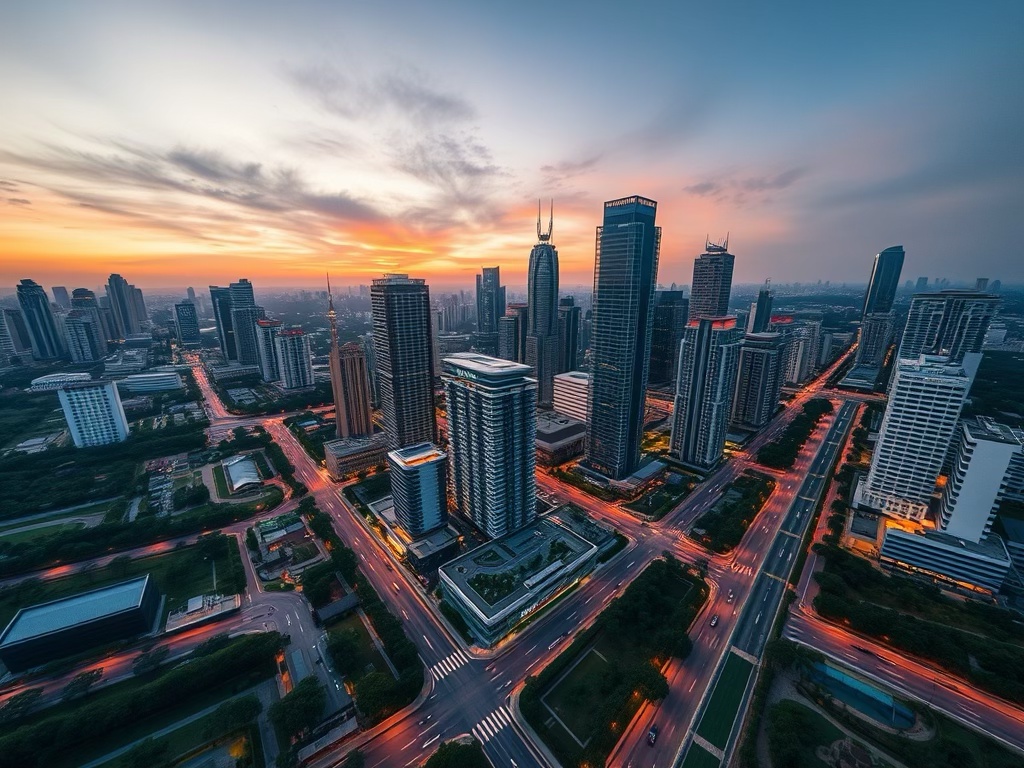
What does luxury real estate in the Philippines really mean today? It’s no longer just about marble floors, imported finishes, or a prestigious address. True luxury now speaks to a broader vision—homes that marry craftsmanship, innovation, sustainability, and lifestyle value. Buyers are no longer satisfied with opulence alone; they expect their homes to reflect both timeless elegance and modern functionality.
This shift in demand is evident in the way developers design properties: integrating smart home technology, using sustainable and natural materials, and creating communities that extend luxury beyond four walls. For many, luxury is also about privacy, security, and exclusivity, whether that means a penthouse in Bonifacio Global City, a serene villa in Batangas, or a branded residence in Makati.
In this article, we’ll explore how luxury living in the Philippines is being redefined. You’ll see how craftsmanship, innovative design, meticulous attention to detail, and sustainability come together to create residences that stand apart. Along the way, we’ll look at real-world examples from the Philippine market and share practical insights to help you understand what to look for in a truly luxurious property.
The Pillars of Philippine Luxury Real Estate
Luxury real estate in the Philippines is evolving beyond prestige addresses and lavish finishes. Today’s most sought-after properties are defined by four core pillars that shape what it means to live in true luxury: craftsmanship, innovation, attention to detail, and sustainability.
Uncompromising Craftsmanship & Design
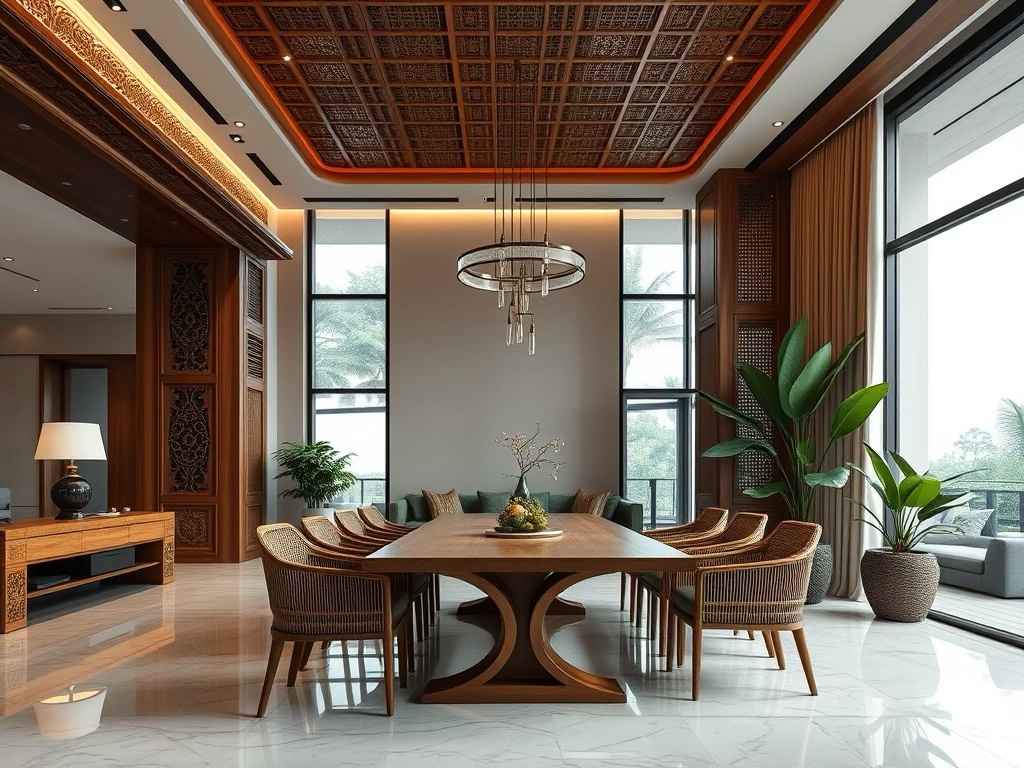
At the heart of Philippine luxury living is a dedication to artisanal quality and timeless design. Filipino craftsmanship—renowned for wood carving, weaving, and fine joinery—often blends seamlessly with global design movements like modern minimalism and contemporary tropical architecture. This fusion creates homes that are both authentically local and globally refined.
Developers such as Ayala Land Premier, Rockwell Land, and Shang Properties exemplify this approach, curating residences where bespoke interiors, imported finishes, and custom-built furnishings create a sense of exclusivity. For instance, Rockwell’s Proscenium residences are celebrated for their sophisticated interiors and high-end material sourcing, setting a benchmark for urban luxury.
Innovation and Smart Living
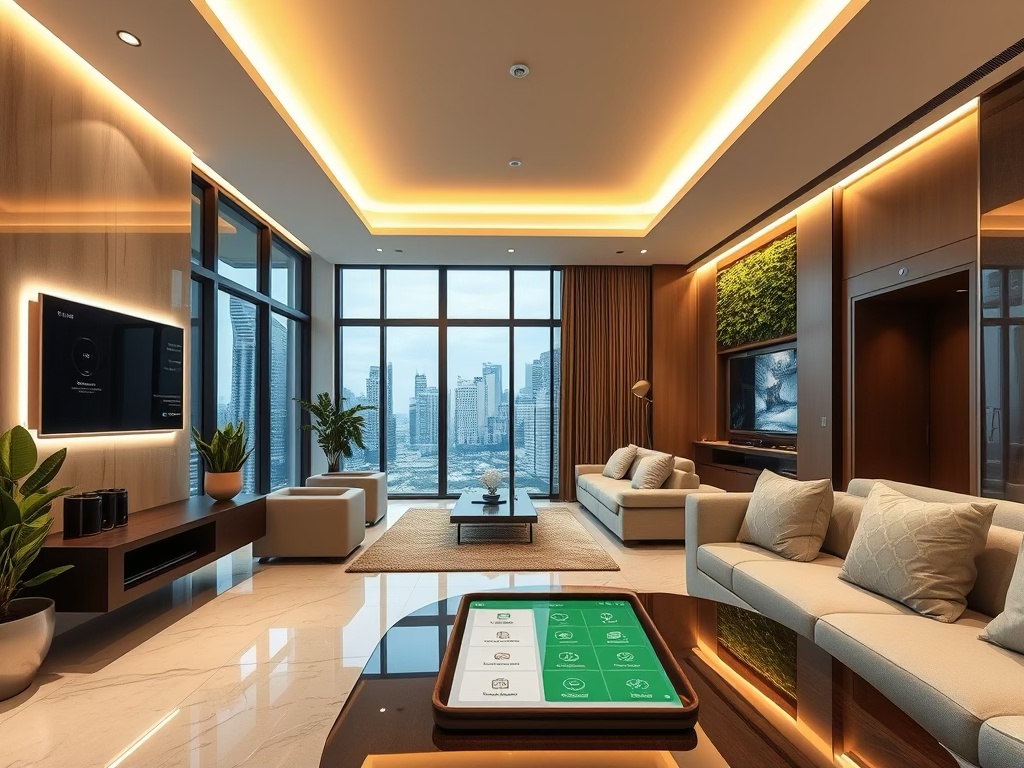
Luxury today is increasingly about effortless living through technology. Smart home systems—once a novelty—are now a standard expectation for high-end buyers. These include voice-activated controls, facial recognition entry systems, touchless elevators, climate automation, and energy-efficient lighting.
Wellness-focused design is also on the rise, with developers incorporating air purification systems, soundproofing, and biophilic architecture to create healthier living environments. Condominiums in Bonifacio Global City (BGC) and Makati are already showcasing these features, catering to buyers who want convenience, security, and wellness in one package.
Example: Some new developments now integrate app-based concierge services that allow homeowners to book amenities, schedule maintenance, or even order groceries with a single tap.
Meticulous Attention to Detail
Beyond the big picture, what separates a luxury property from the rest is its obsession with detail. Every element—acoustics, lighting, ergonomics, and layout—contributes to the experience of living in the space.
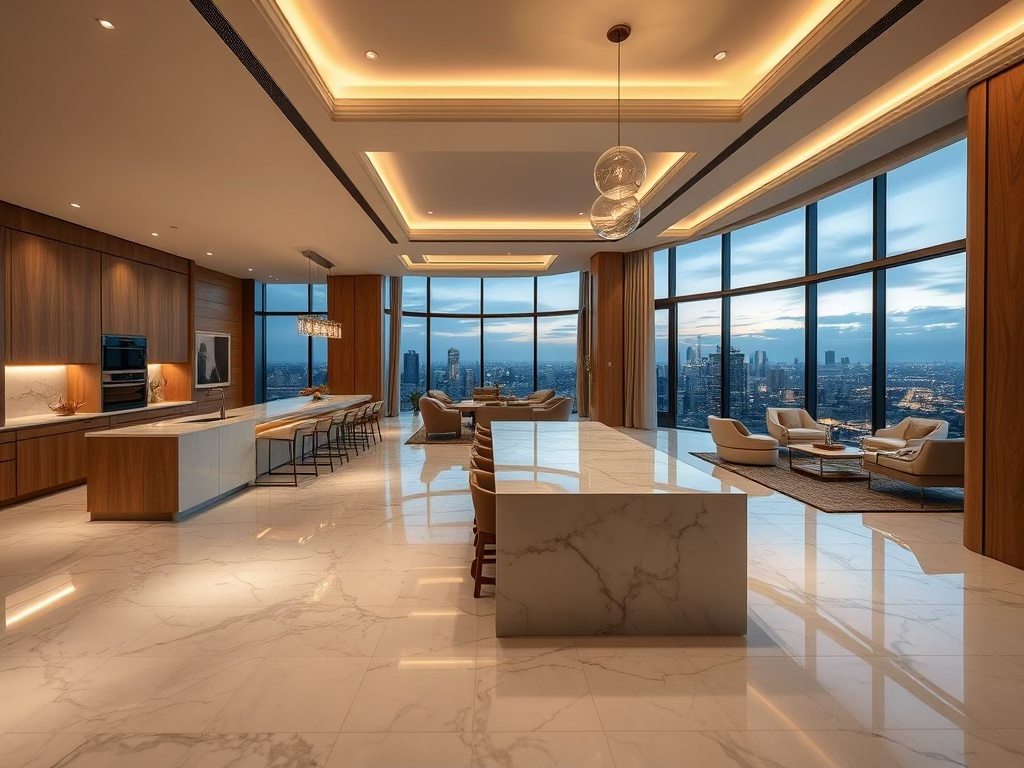
Consider a penthouse in BGC with bespoke interiors: imported Italian marble seamlessly laid across floors, handcrafted moldings that reflect Filipino artistry, and lighting systems designed to highlight architectural lines while creating a warm ambiance. These details not only enhance aesthetics but also add long-term functional and resale value.
Sustainability as the New Luxury
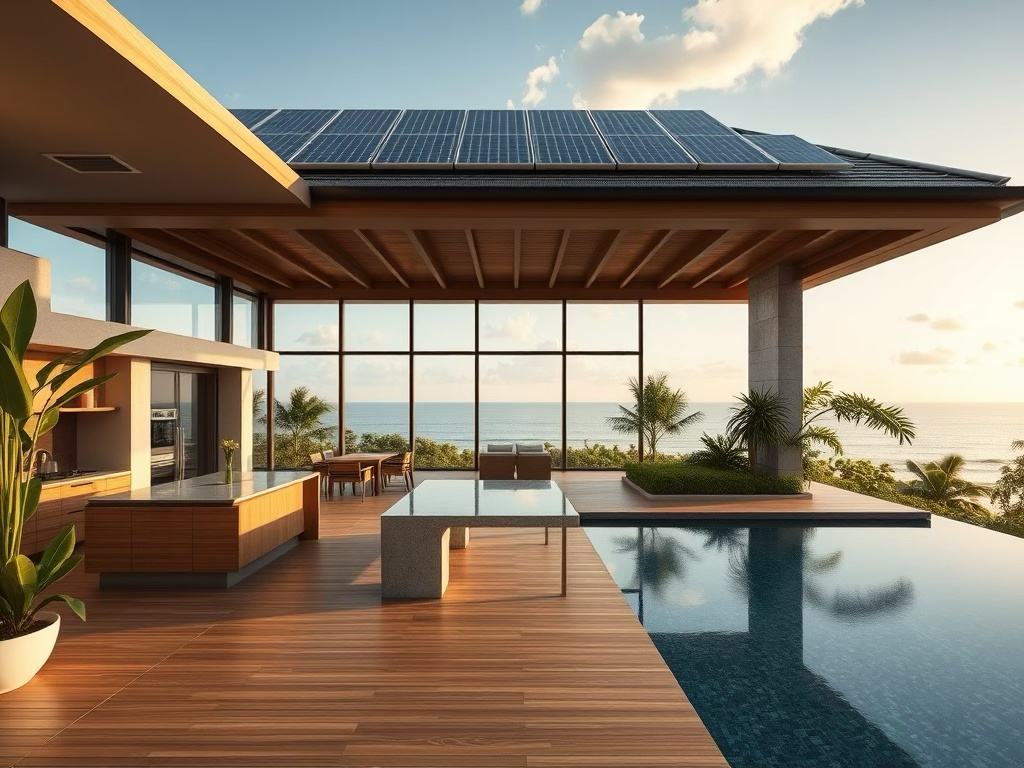
Perhaps the most defining shift is the rise of eco-conscious luxury. Today’s affluent buyers view sustainability not as a compromise but as a mark of sophistication. Green features such as solar panels, rainwater harvesting, bamboo flooring, and energy-efficient appliances are now considered essentials in the high-end market.
Developments with LEED (Leadership in Energy and Environmental Design) certification or those designed around eco-resorts are setting themselves apart by promising both environmental responsibility and elevated living. For example, some luxury estates in Batangas and Cebu integrate sustainable resort-style living, blending beachfront access with eco-friendly architecture.
👉 Together, these four pillars—craftsmanship, innovation, detail, and sustainability—illustrate how Philippine luxury real estate is redefining global standards. They also serve as a checklist for discerning buyers, ensuring that their investment isn’t just about prestige, but about long-term value, well-being, and cultural authenticity.
Luxury Living Beyond the Walls
Luxury real estate is no longer defined solely by what’s inside the home. Increasingly, the surrounding environment, amenities, and neighborhood experience play just as critical a role in shaping a truly elevated lifestyle. Today’s buyers aren’t just purchasing square meters—they’re investing in an ecosystem of comfort, convenience, and exclusivity.
Amenities That Redefine Lifestyle
Wellness-Centered Living
Exclusive gyms, yoga studios, and world-class wellness spas within residential developments cater to a health-conscious market that values balance and longevity.
Resort-Inspired Leisure
Infinity pools, landscaped sky gardens, and rooftop lounges provide residents with spaces that feel like a getaway, even in the heart of the city.
Curated Retail & Dining
Integrated lifestyle hubs bring luxury retail, fine dining, and artisanal cafés just steps from one’s residence, reducing the need to commute and reinforcing exclusivity.
Community Connectivity
Developments in integrated townships emphasize walkability, tree-lined avenues, and green open spaces, blending convenience with sustainability.
Location and Exclusivity
Metro Manila’s Prime CBDs
Makati, BGC, and Ortigas remain hotspots, offering proximity to business, international schools, and cultural landmarks—critical for both lifestyle and investment value.
Emerging Luxury Destinations
Cebu, with its growing international business presence, and leisure enclaves like Batangas, Palawan, and Boracay, deliver a blend of urban sophistication and resort-style living.
Privacy and Security
State-of-the-art biometric access systems, gated entries, and 24/7 concierge services ensure residents enjoy peace of mind alongside comfort. In luxury real estate, discretion is just as valuable as design.
By combining premier amenities with unmatched location and security, today’s luxury developments offer an all-encompassing lifestyle that extends far beyond the walls of the home.
The Market Perspective
The Philippine luxury real estate market is carving out a unique path, standing firm even as other property segments face headwinds. To truly understand its appeal, we need to look at the numbers, trends, and buyer behaviors shaping this high-end segment today.
A Resilient Segment Amid Oversupply
While Metro Manila’s mid-income and upper-mid-income condominium markets struggle with oversupply—₱158 billion worth of unsold units as of 2024, with an absorption time of more than 8 years—the luxury and ultra-luxury segments remain resilient. Properties priced at ₱12 million and above represent only a fraction of the total inventory, insulating them from the glut. Developers are doubling down on this niche, signaling confidence in its long-term demand.
Price Growth Across Prime and Emerging Hubs
In Metro Manila’s premier districts—Makati, Bonifacio Global City (BGC), and Rockwell—luxury units continue to command premium prices. Meanwhile, emerging luxury hubs outside the capital are gaining ground. In cities like Cebu, Pampanga, and Davao, per-square-meter pricing for upscale developments now ranges from ₱185,000 to ₱262,000, reflecting growing regional affluence and the impact of infrastructure investments. For investors, this suggests that the next wave of capital appreciation may come from well-positioned projects beyond Metro Manila.
Rental Yields and Investor Considerations
Rental yields for luxury condominiums generally fall between 4.5% and 6% in Metro Manila. Smaller premium units—such as one-bedroom or studio layouts in central locations—tend to perform better on a yield basis, thanks to lower acquisition costs and steady tenant demand. Larger luxury residences, while commanding prestige, often deliver lower yields relative to their price per square meter. Investors need to weigh whether their focus is on steady rental income or long-term capital appreciation.
Who’s Driving Demand?
Overseas Filipino Workers (OFWs)
Strong remittance inflows continue to power demand, particularly for luxury homes seen as both status symbols and secure retirement assets.
Foreign Buyers
Expatriates and foreign investors are drawn to prime CBDs where fully amenitized, professionally managed properties provide convenience and security.
Local Affluent Families
High-net-worth individuals and second-generation business families see luxury condos as extensions of lifestyle—blending exclusivity, location, and long-term value.
Risks and Realities
Even the luxury segment isn’t immune to broader market dynamics. Rising construction costs, interest rate pressures, and shifts in global economic conditions can influence pricing and demand. Location also remains critical—projects in underserviced or congested districts may find it harder to sustain value, no matter how upscale the branding. Still, compared to the overcrowded mid-segment, luxury properties remain a safer haven for discerning investors.
Key Takeaway
The numbers show that Philippine luxury real estate is not only resilient—it’s evolving. With prime CBDs holding their ground and regional luxury hubs gaining traction, the segment offers both prestige and investment opportunity. For buyers and investors, the challenge is to balance location, unit type, and developer credibility to capture the best of both capital growth and lifestyle value.
Case Studies: Real Stories of Luxury Living
Luxury real estate in the Philippines is not just about square meters and finishes—it’s about how these spaces transform lifestyles while preserving and growing wealth. Below are three stories that illustrate how exclusivity, sustainability, and family-driven design translate into both lifestyle upgrades and investment returns.
1. A Penthouse in BGC: Exclusivity Meets Connectivity
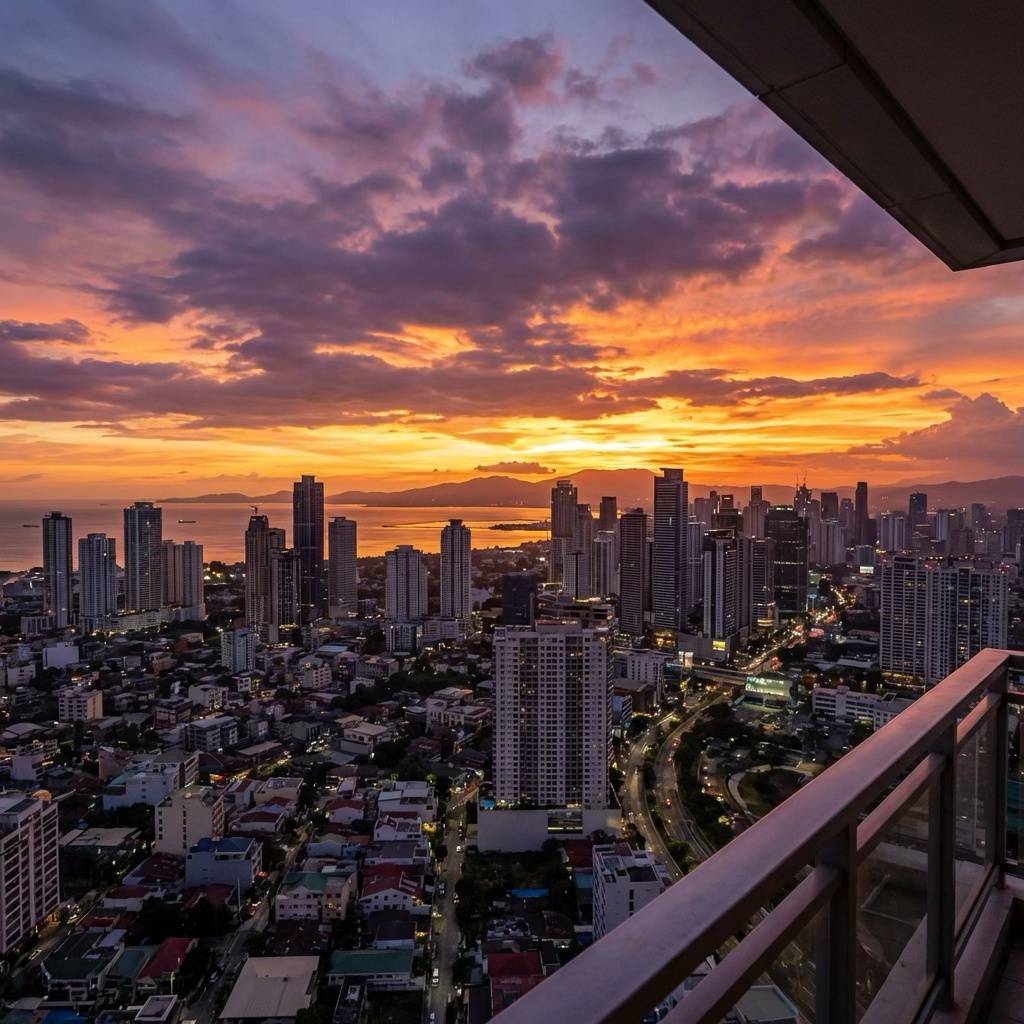
A top executive recently acquired a 450-sqm penthouse in Bonifacio Global City, priced at around ₱300 million (₱666,000 per sqm). Beyond panoramic skyline views, the residence offers direct access to BGC’s corporate hubs and quick connectivity to NAIA via Skyway Stage 3—an advantage for his frequent international travel.
Lifestyle Value
Private rooftop pool, 24/7 concierge services, and bespoke interiors.
Investment Potential
BGC penthouses have historically appreciated at 6–8% annually, outpacing the Metro Manila condo average. Rental demand from expats places yields between 4% and 5%, translating to roughly ₱1 million/month in rental value.
2. A Sustainable Beachfront Villa in Batangas: Eco-Luxury Investment
A Singapore-based investor purchased a 600-sqm beachfront villa in Batangas for approximately ₱120 million. Its eco-friendly features include bamboo finishes, solar panels, and a rainwater harvesting system.
Lifestyle Value
A tranquil holiday home designed for wellness and minimal ecological footprint.
Investment Potential
Used as a luxury vacation rental, the property generates ₱80,000–₱120,000 per night on peak weekends. With Batangas emerging as a top eco-tourism hub, the villa can yield 5–7% annuallythrough short-term rentals, in addition to long-term capital appreciation driven by infrastructure projects like CALAX and the Batangas Port expansion.
3. A Rockwell Condo for Multi-Generational Living
A Filipino-Chinese family acquired a 300-sqm condo in Rockwell Center, Makati, valued at ₱180 million (₱600,000 per sqm). The unit was custom-fitted for multi-generational use with ergonomic kitchens, soundproof bedrooms, and senior-friendly spaces.
Lifestyle Value
Combines tradition and modern comfort by keeping three generations under one roof in a high-security, fully serviced environment.
Investment Potential
Rockwell units consistently achieve rental yields of 4–4.5%, with long-term appreciation averaging 5–6% annually. This makes the property both a lifestyle asset and a hedge against inflation.
Key Insight: These case studies reveal how Philippine luxury properties serve dual roles—status symbols and wealth vehicles. Whether it’s a BGC penthouse with consistent appreciation, a Batangas villa generating strong rental income, or a Rockwell unit offering security and long-term growth, luxury real estate delivers returns that extend far beyond lifestyle.
Quick Comparison of Luxury Case Studies
| Property | Approx. Price | Lifestyle Value | Annual Appreciation | Rental Yield / Income |
|---|---|---|---|---|
| Penthouse in BGC | ₱300M (₱666k/sqm) | Rooftop pool, concierge, skyline views, CBD access | 6–8% | ~₱1M/month (4–5%) |
| Beachfront Villa in Batangas | ₱120M (600 sqm) | Eco-luxury design, private beach, wellness living | 5–7% | ₱80k–₱120k/night via rentals (5–7%) |
| Rockwell Condo in Makati | ₱180M (₱600k/sqm) | Multi-generational living, premium amenities, high security | 5–6% | 4–4.5% (long-term leasing) |
👉 This table reinforces the dual role of luxury real estate: lifestyle enhancement and wealth preservation. It also makes it easy for readers—especially investors—to quickly see ROI potential across different types of luxury properties.
Red Flags in Luxury Real Estate You Shouldn’t Ignore
Not every property marketed as “luxury” truly delivers on its promise. In fact, many high-net-worth buyers and investors in the Philippines fall into the trap of purchasing units that look premium on the surface but lack the substance and long-term value expected of true luxury. Here are some warning signs to watch for:
Overpriced but Poorly Built Units
Some developments use imported finishes and flashy designs to justify inflated prices, but a closer look reveals poor construction standards—thin walls, uneven flooring, or substandard plumbing. True luxury is about enduring quality, not superficial shine.
Developers with Weak Track Records
A developer’s history matters. Be cautious with firms that have delays in turnover, legal disputes, or abandoned projects. Unlike trusted names such as Ayala Land Premier or Rockwell, lesser-known developers may cut corners to reduce costs.
“Luxury” as a Buzzword Without Substance
If a property markets itself as “luxury” but lacks exclusivity, top-tier amenities, or bespoke craftsmanship, it’s a red flag. A genuine luxury property offers rarity—low-density living, curated experiences, and premium service—not just high price per square meter.
Properties with Poor Resale History
Check past performance. Some so-called luxury projects struggle with resale, dropping in value or taking years to sell because they lack a strong location, brand, or long-term demand. For example, condos built far from business hubs often have weaker appreciation than established luxury enclaves in BGC, Makati, or Rockwell.
💡 Tip for Buyers & Investors: Always do due diligence—inspect construction quality, research the developer’s reputation, and analyze historical appreciation trends before committing. True luxury is not just about how the property looks today, but how it performs as an asset tomorrow.
How to Choose the Right Luxury Property
Selecting a luxury property in the Philippines goes beyond marble floors and panoramic windows. It’s a decision that intertwines lifestyle, financial goals, and long-term security. To make the best choice, you need a clear framework.
1. Define Your Lifestyle Goals
Luxury means different things to different people. For some, it’s ultimate privacy—a gated mansion in Ayala Alabang or a secluded villa in Batangas. For others, it’s city living with convenience—a penthouse in BGC or Makati that puts them minutes away from work, restaurants, and cultural hubs. You might also want a vacation retreat for relaxation, or a property designed primarily as a long-term investment. Clarifying your goals ensures you don’t get swayed by glossy marketing and instead choose a home that fits your life vision.
2. Vet the Developer’s Reputation
The developer is just as important as the property itself. Established names like Ayala Land Premier, Rockwell, or Shang Properties are known for delivering on time, with exceptional build quality and strong after-sales service. On the other hand, untested developers may promise “luxury” but compromise on workmanship or cut corners. Always review their portfolio, track record, and even customer feedback to avoid costly mistakes.
3. Look for Long-Term Value
A true luxury property should retain and grow in value. Look for features that ensure relevance for decades:
- Sustainability: Energy-efficient systems, eco-friendly designs, and smart technology are no longer optional—they’re future-proofing features.
- Location: Proximity to business districts, infrastructure projects, and lifestyle hubs ensures enduring demand.
- Design Adaptability: Spaces that can be reconfigured for multi-generational living or new lifestyle needs will remain attractive to future buyers or tenants.
4. Consult Experts and Visit Model Units
Luxury real estate is a significant investment—don’t rely solely on brochures or online photos. Consult real estate professionals, financial advisors, or even architects who can help assess structural integrity, design value, and market potential. Most importantly, visit the property or model unit yourself. Walk the halls, test the finishes, and picture your daily life there. The difference between “premium” and “pretend luxury” often becomes obvious in person.
💡 Pro Tip: Treat luxury property acquisition as both a lifestyle upgrade and a business decision. A home that feels perfect but also performs well financially is the ultimate win.
Conclusion & Key Takeaways
True luxury in Philippine real estate is no longer defined by marble floors or skyline views alone—it’s the fusion of craftsmanship, innovation, sustainability, and lifestyle value. Developments that prioritize quality design and construction, integrate future-ready technology, uphold green living standards, and deliver enriching community experiences stand out as investments that appreciate over time.
For discerning buyers and investors, the message is clear: look beyond surface-level aesthetics. The most rewarding properties are those that not only elevate your lifestyle today but also protect and grow your wealth for the future.
When choosing your next home or investment, ask: Does this property combine artistry with innovation? Does it align with sustainable living? Does it offer long-term lifestyle value? If the answer is yes, then you’ve found a true gem in the evolving landscape of Philippine luxury real estate.




Leave a comment