
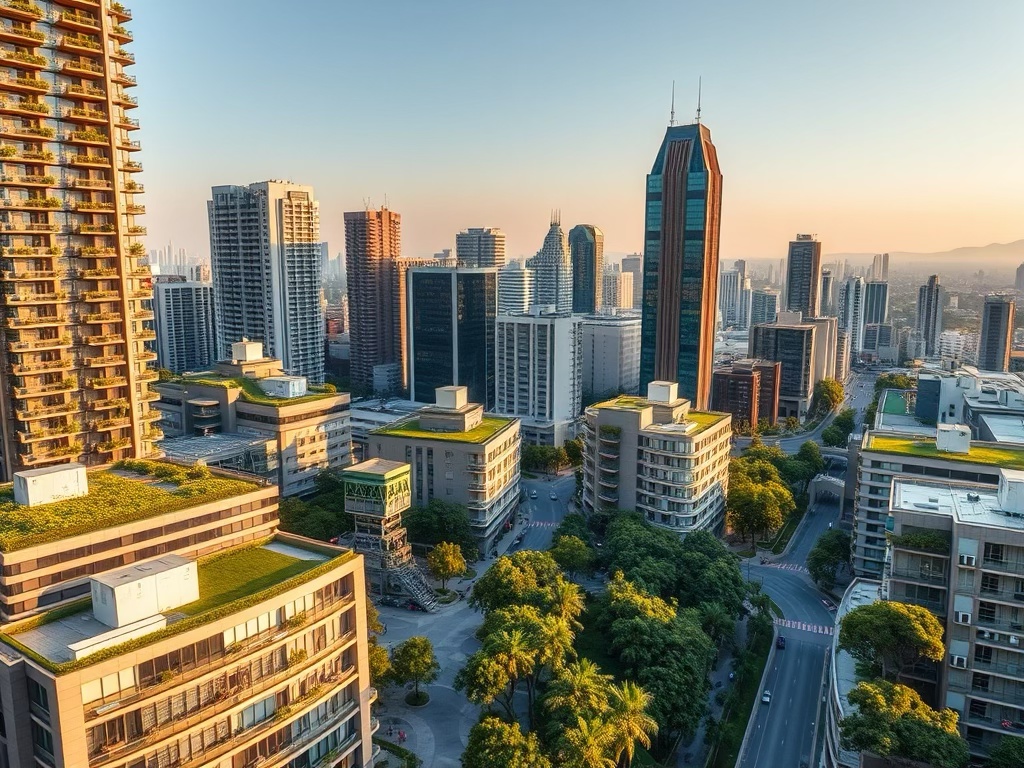
Did you know that Metro Manila produces nearly 9,000 tons of waste every day—and a large portion of it comes from residential and commercial buildings? As the Philippines’ urban centers continue to expand, the challenge of managing waste efficiently has become one of the most urgent sustainability issues facing developers today.
Across the country, a growing number of eco-conscious developers are responding to this challenge by rethinking how buildings are designed, managed, and lived in. From recycling-driven condominiums in Quezon City to eco-estates in Cavite with their own composting and material recovery systems, these projects prove that sustainability doesn’t stop at solar panels or energy-efficient lighting—it begins with how we handle our waste.
In modern green real estate, efficient waste management systems have evolved from a compliance checkbox into a core value proposition. Developments that integrate proper waste segregation, recycling programs, and composting facilities not only reduce their environmental footprint but also create cleaner, healthier, and more desirable communities for residents.
In this article, we’ll explore how efficient waste management is transforming the real estate landscape in the Philippines—highlighting the key systems, real-world developer examples, and long-term benefits that make waste management a defining feature of sustainable living.
What Is Efficient Waste Management in Real Estate?

In real estate, efficient waste management refers to the systematic process of handling, reducing, reusing, and recycling waste materials generated by buildings and communities — from construction debris to household refuse. It’s not just about proper disposal; it’s about designing developments that minimize waste from the start, integrate recycling and composting systems, and educate residents to participate in sustainable living practices.
Scope and Application in Buildings and Communities
Efficient waste management begins long before a property’s completion. Developers now incorporate waste reduction strategies in both construction and operation phases — using recyclable building materials, setting up on-site Material Recovery Facilities (MRFs), and establishing clear waste segregation zones within residential towers or subdivisions.
In mixed-use communities, property managers implement coordinated waste collection systems, ensuring that organic, recyclable, and residual wastes are properly separated and processed. This holistic approach helps developments reduce operational costs, maintain cleanliness, and enhance long-term livability.
Regulatory Context: Philippine Green Building Code and RA 9003
Waste management practices in real estate are reinforced by two major Philippine policies:
1. The Green Building Code of the Philippines (2015)
Issued by the Department of Public Works and Highways (DPWH), this code outlines minimum standards for sustainable site development, energy efficiency, and solid waste management in new buildings. It requires developers to include proper waste segregation, recycling areas, and waste storage provisions in building design.
2. Republic Act No. 9003 – The Ecological Solid Waste Management Act of 2000
The cornerstone of waste policy in the Philippines, RA 9003 mandates waste segregation at source, recycling, and the establishment of MRFs at the barangay level. For developers, compliance means integrating these principles into community management systems and resident education programs.
Together, these frameworks push real estate projects to go beyond aesthetics and convenience — ensuring that developments are environmentally compliant and socially responsible.
Connection to BERDE Certification (Philippine Green Building Council)
Efficient waste management is a key performance category under the BERDE (Building for Ecologically Responsive Design Excellence) rating system developed by the Philippine Green Building Council (PhilGBC).
Projects that use waste reduction methods such as recycling, composting, and sourcing sustainable materials can achieve better BERDE scores. This helps developers stand out in a competitive market, attract eco-friendly investors, and meet global sustainability standards like LEED and EDGE certifications.
The Pillars of Efficient Waste Management
Sustainable communities don’t happen by accident — they’re built on systems that make responsible living easy and second nature. In Philippine real estate, the most forward-thinking developers are adopting waste management strategies that go beyond compliance and actively improve livability, health, and long-term asset value.
Let’s break down the four essential pillars of efficient waste management every green development should master:
A. Minimizing Landfill Waste
Reducing waste starts long before the garbage truck arrives. Developers are now integrating waste reduction principles into building design, operations, and resident lifestyles.
Smart Design Choices
Green buildings use modular construction, prefabricated components, and recycled materials to reduce onsite waste. This approach not only minimizes landfill contributions but also cuts construction costs.
Resident Education
Condominiums like those developed by Ayala Land and SMDC run awareness campaigns that teach residents how to reduce packaging waste, compost food scraps, and reuse containers.
Real-World Example
Projects such as Avida Towers Cloverleaf in Quezon City feature on-site Material Recovery Facilities (MRFs) — enabling easy sorting, storage, and collection of recyclables and residuals.
B. Implementing Recycling Programs
Recycling is only effective when it’s systematic, convenient, and properly managed. Modern estates now adopt centralized recycling programs that align with LGU waste policies.
Core Components
Color-coded bins, designated drop-off points, and partnerships with accredited recyclers are standard features. Regular collection schedules ensure recyclables are properly processed, not mixed back into general waste.
Recyclable Materials
Commonly segregated items include PET bottles, aluminum cans, paper, and glass — materials that can be reintroduced into the economy rather than dumped.
Key Benefit
Recycling programs can reduce a development’s carbon footprint by up to 30%, according to the DENR’s National Solid Waste Management Commission.
C. Embracing Composting Facilities
Organic waste — often over 50% of household waste — is a massive opportunity for sustainability. On-site composting is transforming how communities handle biodegradable materials.
How It Works
Composting converts food scraps, garden trimmings, and biodegradable waste into nutrient-rich soil enhancers.
Sustainability in Practice
Some eco-estates and townships like Nuvali in Laguna and Hijo Estates in Tagum maintain community composting gardens where residents deposit organic waste that later nourishes landscaped areas.
Win-Win Outcome
It lowers hauling costs, enriches green spaces, and reduces greenhouse gas emissions from decomposing waste in landfills.
D. Promoting Waste Segregation Practices
No waste management system can succeed without resident participation. Segregation is the foundation that ensures all other processes — from recycling to composting — work efficiently.
Resident Engagement
Property managers conduct orientation sessions and distribute educational materials emphasizing proper sorting habits. Digital reminders via resident apps are also gaining traction.
Operational Efficiency
Segregated waste reduces collection time, prevents contamination, and keeps common areas cleaner — boosting the community’s reputation and livability rating.
Supportive Programs
Local governments and barangays often provide incentives or recognitions for developments with high compliance rates in segregation practices.
From Waste to Wealth: The Circular Economy in Real Estate
Sustainability in real estate is no longer about simply reducing waste — it’s about redefining value. The circular economy is a transformative model that aims to keep resources in use for as long as possible, extracting maximum value before regenerating materials back into the system. In real estate, this mindset is reshaping how developers build, manage, and sustain communities across the Philippines.
What Is a Circular Economy — and How It Applies to Real Estate
In a linear economy, resources are taken, used, and discarded. In contrast, a circular economyfocuses on designing waste out of the system entirely. For property development and management, this means creating buildings and operations that continually reuse materials, recycle resources, and regenerate energy.
Design for Reuse
Developers plan structures with recyclable building materials and modular components that can be repurposed or reassembled.
Smart Operations
Condominiums and estates adopt closed-loop systems where water, energy, and materials flow continuously without major losses.
Sustainable Lifecycle
From construction to demolition, every phase is designed to minimize waste and maximize recovery.
This isn’t just theory — it’s the new business logic of sustainable real estate.
Benefits to Developers and Investors
The shift toward circularity delivers tangible returns — both financially and reputationally.
Reduced Operating Costs
Using reclaimed water, recycled construction materials, and renewable energy cuts long-term utility and maintenance expenses.
Enhanced Brand Value
Developers adopting circular practices are increasingly recognized as sustainability leaders — a strong advantage in a market where eco-conscious buyers are growing rapidly.
Higher Property Valuation
Green-certified or circular-built properties typically enjoy 5–10% higher resale values, according to reports by the International Finance Corporation (IFC) and Colliers Philippines.
Investor Appeal
ESG-focused (Environmental, Social, and Governance) investors are prioritizing circular developments for their long-term resilience and compliance with global sustainability frameworks.
Examples of Circular Practices in the Philippine Real Estate Scene
The transition toward circularity is already visible in pioneering local projects:
Material Reuse in Construction
Some developers are using recycled concrete aggregates and reclaimed steel, reducing reliance on virgin materials and minimizing construction waste.
Upcycling Initiatives
Eco-friendly communities such as Nuvali and Arca South integrate upcycled furnishings and décor in public spaces, proving sustainability can be stylish and functional.
Shared Resource Systems
Developments with centralized energy and water reuse systems—like graywater recycling and solar-powered amenities—allow communities to share resources efficiently while lowering costs for residents.
Tenant Participation
Some condominiums implement “eco-points” systems, rewarding residents for segregating waste or using refill stations instead of single-use plastics.
Linear vs. Circular Real Estate Models
| Aspect | Linear Model | Circular Model |
|---|---|---|
| Resource Use | Extract → Use → Dispose | Reuse → Recycle → Regenerate |
| Construction Materials | Single-use, high waste | Modular, recyclable, locally sourced |
| Energy Systems | High consumption, fossil-based | Renewable, efficient, closed-loop |
| Waste Management | Post-use disposal | Designed-out waste and material recovery |
| Economic Value | Short-term profit focus | Long-term asset resilience and brand growth |
Benefits for Developers, Investors, and Residents
Sustainable and circular developments aren’t just a moral choice—they’re a smart business and lifestyle decision. The benefits of embracing circular economy principles ripple across every stakeholder in the real estate ecosystem. From developers to investors and everyday residents, everyone gains from a future where waste becomes opportunity and sustainability drives value.
For Developers: Profit Meets Purpose
Forward-thinking developers are realizing that sustainability isn’t an added cost—it’s a competitive advantage.
By adopting circular design principles, developers can achieve globally recognized certifications like BERDE (Building for Ecologically Responsive Design Excellence) and LEED (Leadership in Energy and Environmental Design). These credentials enhance brand reputation, open access to green financing, and make projects more attractive to both local and international buyers.
Key Advantages for Developers:
Earn Sustainability Points and Certification
Achieve BERDE or LEED accreditation, improving property marketability and investor appeal.
Attract Eco-Conscious Buyers
Capture the growing segment of Filipino and OFW buyers who prioritize environmental responsibility.
Reduce Construction and Waste Management Costs
Implementing waste segregation systems and recycled material use lowers operational overheads and landfill fees.
Boost Brand Reputation
Align with global ESG (Environmental, Social, and Governance) standards, positioning your company as a sustainability leader.
Example: Ayala Land’s commitment to carbon neutrality by 2025 showcases how sustainability can be both a mission and a marketing differentiator.
For Investors: Sustainable Assets, Sustainable Returns
Investors are increasingly seeking future-proof properties that balance profitability with purpose. Circular real estate models tick both boxes—delivering strong financial returns while aligning with global ESG investment standards.
Key Advantages for Investors:
Higher Long-Term Value
Green-certified and circular properties often enjoy premium resale prices and lower vacancy rates.
Lower Risk Exposure
ESG-compliant projects are less vulnerable to regulatory penalties and market volatility tied to unsustainable development.
Portfolio Differentiation
Stand out in a competitive market by holding assets that demonstrate environmental stewardship.
Access to Green Financing
Eligible for preferential loan terms or incentives from local and international banks that support sustainable projects.
Insight: According to Colliers Philippines, investors in green developments can experience up to 10% higher returns due to operational efficiency and tenant retention.
For Residents: Healthy Living, Smarter Savings
For everyday homeowners and condo dwellers, circular developments go beyond green labels—they create healthier, cleaner, and more community-driven environments. Residents directly experience the physical and financial rewards of sustainable living.
Key Advantages for Residents:
Healthier Indoor Environments:
Better air quality, efficient ventilation, and non-toxic materials reduce respiratory issues and improve wellbeing.
Community Pride and Lifestyle Appeal
Living in a sustainability-focused development fosters a sense of shared purpose and modern living values.
Lower Association and Utility Fees
Efficient waste management, solar power, and water reuse systems reduce monthly costs for maintenance and utilities.
Enhanced Resilience
Communities designed for circularity are more resilient during power shortages, floods, or waste collection disruptions.
Example: Condo communities in Taguig and Quezon City that integrate graywater recycling and waste-to-energy systems report up to 20% lower monthly dues for residents compared to traditional developments.
Real-World Examples of Circular Real Estate Practices in the Philippines
Circular economy principles are no longer theoretical—they’re already shaping how Philippine developers design, build, and manage their communities. Several pioneering projects across the country are redefining sustainability through efficient waste management, resource recovery, and closed-loop systems that align with both global green standards and local realities.
ArthaLand Cebu Exchange: Benchmark for Zero-Waste Office Towers
ArthaLand’s Cebu Exchange stands as one of the country’s most advanced examples of circular real estate. The 39-story tower integrates a Material Recovery Facility (MRF) for on-site waste segregation and recycling, along with greywater treatment and energy-efficient building systems.
Certifications
BERDE 5-Star, LEED Gold, and WELL certification for health and wellness.
Impact
The building diverts significant waste from landfills and promotes operational efficiency, cutting down water use by over 50% and energy consumption by nearly 40%.
💡 Takeaway: By embedding waste reduction into design and operations, Cebu Exchange proves that environmental sustainability and business profitability can coexist.
Avida Towers Cloverleaf: Sustainable Urban Living in Balintawak
Located in Quezon City, Avida Towers Cloverleaf by Ayala Land integrates a comprehensive waste management plan as part of its sustainability framework. The development ensures segregation at source, offers dedicated recycling stations, and coordinates with barangay-level waste programsunder RA 9003.
Resident Impact
Cleaner common areas, lower association fees due to reduced hauling costs, and a community culture centered around environmental responsibility.
Developer Advantage
Consistent compliance with the Ecological Solid Waste Management Act and enhanced appeal to green-minded buyers.
💡 Takeaway: Mid-income developments can adopt scalable, community-based waste systems that align with both local policy and resident convenience.
Bonifacio Global City (BGC): Model of Integrated Urban Waste Systems
BGC, Taguig, has become a model eco-district through its city-wide integration of waste segregation, recycling partnerships, and composting programs. The BGC Estate Association (BGCEA) coordinates with local LGUs and waste recovery partners to manage commercial and residential waste efficiently.
Initiatives Include
Smart waste bins, regular waste audits, and large-scale composting facilities for landscaping waste.
Result
A reduction in landfill contribution and improved air quality in the district.
💡 Takeaway: Waste management success requires cooperation between property managers, LGUs, and residents—a shared ecosystem that supports circularity at scale.
Government and Industry Initiatives Supporting Circular Development
Beyond private developments, the Philippine government and green building organizations are accelerating this shift:
Philippine Green Building Code (2015)
Enforces waste segregation and recycling provisions in all new large-scale projects.
BERDE Certification (PhilGBC)
Awards points for waste minimization, recycling, and construction waste management.
Public-Private Collaborations
Programs like “Basura-to-Energy” and Barangay MRF Incentives are turning community waste into usable resources.
💡 Takeaway: Policy, innovation, and private initiative must work together to move the Philippines closer to a zero-waste, circular real estate future.
Challenges and Red Flags in Implementing Waste Management Systems
While sustainable waste management is gaining traction across Philippine real estate developments, the path toward full compliance and efficiency isn’t without hurdles. Developers, property managers, and residents all face practical and systemic challenges that need to be addressed for lasting impact.
1. Inconsistent Local Waste Collection Policies
Waste segregation and collection standards vary widely among local government units (LGUs). Some cities strictly enforce RA 9003 (Ecological Solid Waste Management Act), while others lack infrastructure or manpower for consistent implementation. This inconsistency creates logistical headaches for developers who operate across multiple cities or provinces — forcing them to adapt to different schedules, segregation systems, and waste haulers.
2. Limited Resident Participation and Awareness
Even the best-designed waste management system can fail without resident buy-in. Many condo dwellers and homeowners remain unaware of proper segregation practices or the long-term environmental impact of their waste habits. This often results in contaminated recyclables or improper disposal, undermining the building’s sustainability goals and increasing waste hauling costs.
3. Cost and Maintenance Barriers for Smaller Developments
While larger, master-planned communities can afford dedicated waste facilities and green certification programs, smaller condominiums or low-rise projects often struggle to allocate funds for advanced systems such as composting or material recovery facilities (MRFs). The initial cost of setup, combined with maintenance expenses, discourages some developers from pursuing more eco-friendly designs.
4. Weak Enforcement of RA 9003 Compliance
Despite being in effect since 2001, RA 9003’s enforcement remains inconsistent. Some LGUs fail to monitor compliance among residential buildings, while others overlook violations entirely. Without proper inspection and penalties, even non-compliant developments continue to operate unchecked, diluting the overall impact of the country’s waste reduction efforts.
Best Practices and Actionable Strategies
For real estate developments to achieve lasting impact in waste management, sustainability must go beyond compliance — it has to be built into everyday operations and community culture. The following strategies help developers, property managers, and residents move from policy to practice.
1. Conduct Regular Waste Audits
Regular waste audits provide valuable data on the types and volume of waste generated within a property. By identifying problem areas — such as high food waste or poor recycling compliance — developers and property managers can tailor collection systems, adjust bin placement, or introduce new recycling programs that actually work.
📊 Tip: Document results and share them in resident newsletters or association meetings to boost awareness and accountability.
2. Integrate Smart Bins and Waste Tracking Apps
Adopting smart waste management technologies can streamline collection and monitoring. Smart bins equipped with sensors can notify janitorial teams when bins are full, reducing overflow and odors. Waste tracking apps, on the other hand, can record daily waste volumes and identify trends over time, helping developers measure progress toward sustainability certifications like BERDE or LEED.
🔍 Example: Some green-certified developments in Metro Manila are already using QR-coded bins to track segregation accuracy.
3. Partner with Accredited Recycling and Waste Management Companies
Collaboration with DENR-accredited recycling partners or private waste management firms ensures that segregated materials are properly processed rather than ending up in landfills. These partnerships also simplify compliance with RA 9003 while promoting circular economy initiatives — such as converting biodegradable waste into compost or upcycling plastics for community projects.
♻️ Look for suppliers listed under the Environmental Management Bureau (EMB) registry to ensure credibility.
4. Educate and Engage Residents
The most successful waste management systems rely on active participation. Developers and HOAs can hold monthly sustainability workshops, eco challenges, or even gamified segregation contests to make proper waste disposal engaging. Recognizing compliant residents or awarding “green points” can create friendly competition that reinforces positive habits.
🌱 When people see waste reduction as a community effort, it transforms sustainability from obligation to pride.
Expert Insights & Data Snapshot: The Numbers Behind Smarter Waste Management in Real Estate
As sustainable development becomes a defining benchmark for Philippine real estate, data from both government and industry leaders paints a clear picture: waste management is no longer a back-end concern — it’s a market differentiator.
Regulatory and Industry Voice
According to the Department of Environment and Natural Resources (DENR), “Solid waste management plans serve as the foundation for maximizing resource recovery and reducing dependence on landfill disposal.” This reinforces that waste management is not optional — it’s now a compliance pillar for developments seeking environmental clearance or green certification.
Meanwhile, the Philippine Green Building Council (PhilGBC) emphasizes that the real estate sector must “lead the transformation of our built environment towards a more sustainable place for everyone.”
Together, these voices reflect a growing alignment between policy and property — where every condo, subdivision, and mixed-use project must actively demonstrate how it handles waste reduction and recycling.
💡 Expert Takeaway: Incorporating waste management systems into design and operations isn’t just a sustainability checkbox — it’s a strategic requirement that supports ESG goals and certification pathways like BERDE and LEED.
Data-Driven Progress: How the Philippines Is Scaling Up
Recent data shows tangible progress across the country’s waste management landscape:
| Metric | 2022 | 2025 (Projected) | Impact |
|---|---|---|---|
| Local Government Units (LGUs) with approved Solid Waste Management Plans | 80% | 89% | Developers must comply with updated local ordinances on waste segregation and recycling. |
| Materials Recovery Facilities (MRFs) | 11,779 | 12,864 | More MRFs mean easier integration of community recycling systems in developments. |
| Barangays served by MRFs | 17,636 | 19,464 (≈49.3% of all barangays) | Cleaner neighborhoods and reduced hauling costs for HOAs and condo associations. |
| Estimated daily waste generation (metric tons) | 40,000 | ≈77,000 by 2025 | Highlights the urgency for real estate projects to adopt circular waste systems. |
(Sources: Philippine News Agency, SunStar, DENR, PhilGBC)
📈 Key Insight: Nearly half of all barangays in the Philippines now have access to MRFs — a critical support infrastructure that enables cleaner, greener, and more cost-efficient residential communities.
What This Means for Stakeholders
For Developers:
With 89% of LGUs enforcing solid waste management plans, builders can no longer treat sustainability as an afterthought. Integrating waste segregation, composting areas, and recycling hubs within project design helps achieve BERDE/LEED points and enhances property marketability to eco-conscious buyers.
For Investors:
Projects that demonstrate compliance with ESG frameworks — particularly those with verifiable waste-management programs — attract stronger financing prospects, command higher resale values, and face lower regulatory risk. In a market shifting toward green-certified investments, this is a long-term advantage.
For Residents:
Communities that practice proper waste segregation and recycling enjoy healthier environments, reduced pest risks, and lower association fees from minimized hauling expenses. Beyond savings, it also cultivates pride and belonging — essential qualities for sustainable neighborhood living.
Conclusion: Building a Cleaner, Smarter Future
Efficient waste management is more than an environmental checkbox — it’s the backbone of a resilient, future-ready real estate ecosystem. When developments integrate recycling programs, composting facilities, and smart segregation systems into their design and operations, the benefits ripple far beyond sustainability metrics.
Environmentally, these practices reduce pollution, conserve resources, and promote circularity. Economically, they cut long-term waste hauling costs, attract eco-conscious buyers and investors, and improve property valuation through ESG alignment. Socially and culturally, they nurture a sense of community responsibility, turning residents into active stewards of their environment rather than passive consumers.
💬 “When green design meets responsible waste management, the result is more than a property — it’s a legacy of sustainability.”
By prioritizing efficient waste management, developers and communities help shape cities that are cleaner, smarter, and more livable for generations to come. The next evolution of real estate is not just about building spaces — it’s about building systems that sustain life, values, and vision.
Take the Next Step Toward Sustainable Living
Looking for sustainable property investments that align with your values and deliver long-term value? Explore green-certified condos and eco-estates across the Philippines that prioritize efficient waste management systems, renewable energy use, and smart design. These developments don’t just offer modern comforts — they represent the future of responsible, community-driven real estate.
💬 Be part of the movement. Choose properties that care for both people and the planet.
Ready to find your next green home or investment?
📩 Contact us today or subscribe to our newsletter for exclusive insights on the Philippines’ growing sustainable real estate market.


Leave a comment