
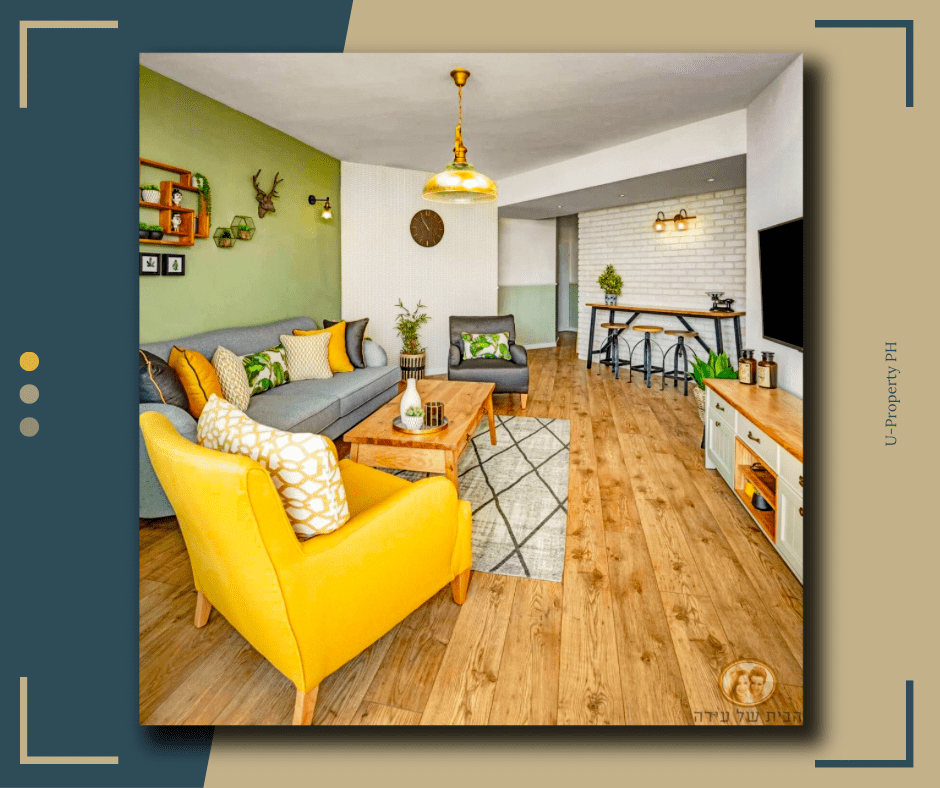
Play with Color to Transform Your Living Room
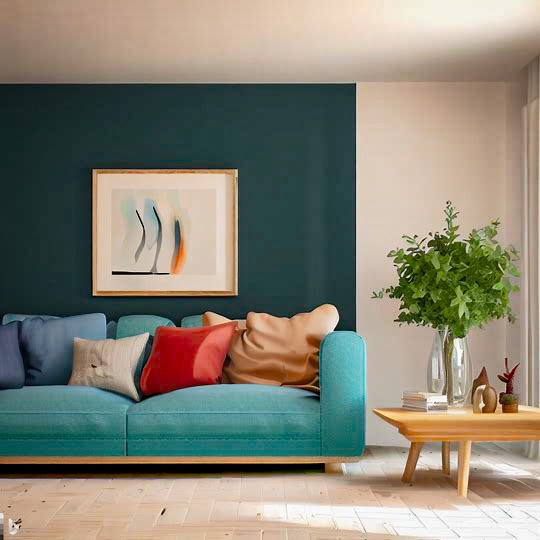
The color of your living room can have a big impact on its overall look and feel. If you’re looking to change things up, consider experimenting with color.
If you’re not sure where to start, neutral tones like whites, greys, or beiges are a safe bet. They can provide a fresh, polished look that’s still versatile enough to match your personal style.
For a more dramatic statement, try painting your walls a bold color. This is a great way to add personality to your space and create a focal point. You can also incorporate brighter colors through decor pieces or an accent wall.
No matter what your style, there’s a color scheme out there that’s perfect for your living room. So don’t be afraid to experiment and have fun!
Here are some additional tips for using color in your living room:
- Consider the natural light in your space. If your living room gets a lot of natural light, you can get away with using brighter colors. If your space is on the darker side, opt for lighter colors to brighten it up.
- Think about the mood you want to create. Do you want your living room to be a relaxing oasis or a lively gathering space? The colors you choose can help set the tone.
- Don’t be afraid to mix and match colors. There are no hard and fast rules when it comes to color. Experiment with different combinations until you find something you love.
Embrace Natural Light to Brighten Your Living Room
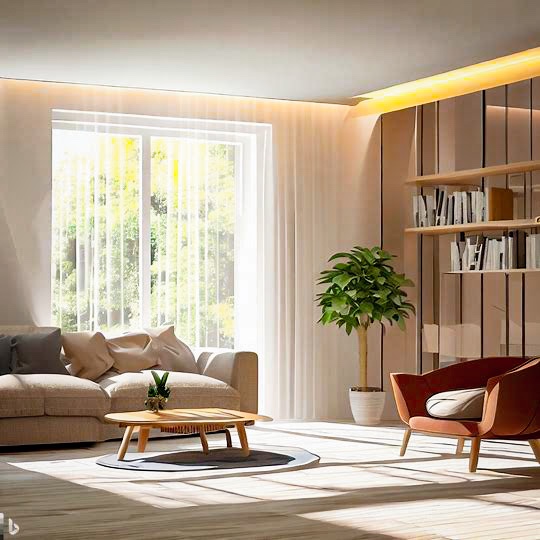
Natural light is one of the most important elements in creating a well-lit and inviting living room. If you’re lucky enough to have large windows, let the sun shine in by choosing sheer, light-colored curtains that will allow the light to filter through.
For living rooms with limited natural light, consider investing in layered lighting. This means using a combination of ambient, task, and accent lighting to create a warm and inviting atmosphere. Ambient lighting provides general illumination, while task lighting is used for specific tasks such as reading or working. Accent lighting is used to highlight certain features in the room, such as artwork or architectural details.
By embracing natural light and layering your lighting, you can create a living room that is both bright and inviting.
Invest in Comfortable Seating to Create a Welcoming Living Room
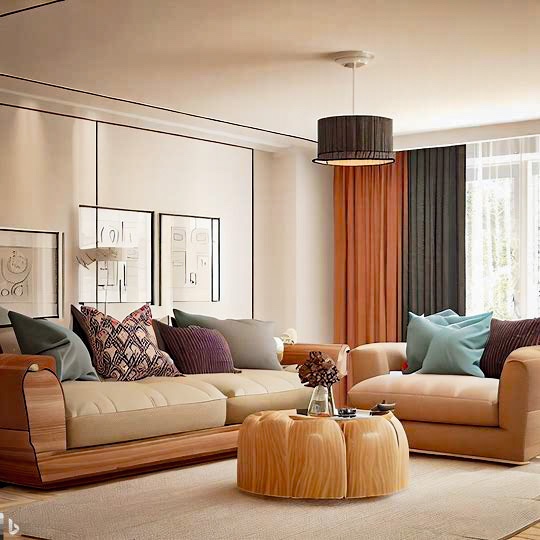
The comfort of your living room seating is essential for creating a space that feels inviting and encourages conversation. A mix of larger sofas for group seating and individual armchairs or poufs will provide a variety of seating options for guests, and make it easy for everyone to relax and feel comfortable.
When choosing seating, consider the size of your living room and the amount of traffic it will receive. You’ll also want to think about the style of your home and the overall look you’re trying to achieve.
No matter what your style, there are a few key things to keep in mind when choosing comfortable seating for your living room:
- Choose fabrics that are soft and inviting. You want your guests to feel like they can sink into your furniture and relax.
- Make sure the seating is the right size for your space. You don’t want your furniture to feel cramped or overcrowded.
- Consider the level of support. You want your guests to be able to sit comfortably for extended periods of time.
Add Area Rugs to Transform Your Living Room
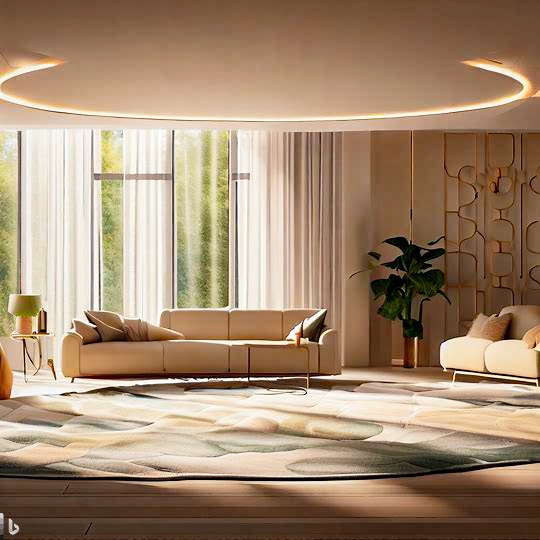
A beautiful area rug can significantly transform your living room’s aesthetics. It adds texture, defines the space, and brings in color and pattern. If you have a smaller space, a lighter-colored rug can give the illusion of more room.
When choosing an area rug, there are a few things to keep in mind:
- The size of your space. The rug should be large enough to fit all of your furniture, with at least 18 inches of exposed floor space around the edges.
- The style of your home. The rug should complement the overall style of your home, whether it’s traditional, modern, or eclectic.
- The colors in your space. The rug should tie in with the colors of your furniture, walls, and other decor.
- Your personal style. Don’t be afraid to choose a rug that reflects your own personal style.
Incorporate Art to Personalize Your Living Room
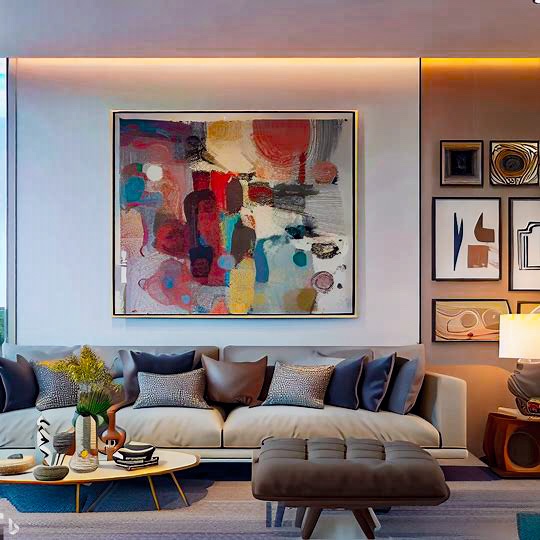
Art is a great way to add personality and conversation starters to your living room. Whether you prefer paintings, photographs, or sculptures, choose pieces that reflect your taste and style. You don’t have to spend a fortune on art, either. Local flea markets and online platforms are great places to find unique pieces at a fraction of the price.
Here are some tips for incorporating art into your living room:
- Start with a focal point. This could be a large painting, a sculpture, or even a mirror. Once you have a focal point, you can build the rest of your art collection around it.
- Mix and match styles. Don’t be afraid to mix and match different styles of art. This will create a more interesting and visually appealing space.
- Consider the size and scale of your art. Make sure the art you choose is the right size for your space. You don’t want to overwhelm the room with too much art, or have it look lost in a large space.
- Pay attention to the colors. The colors of your art should complement the overall color scheme of your living room. This will help create a cohesive and stylish space.
Play with Scale and Proportion to Create a Balanced Living Room
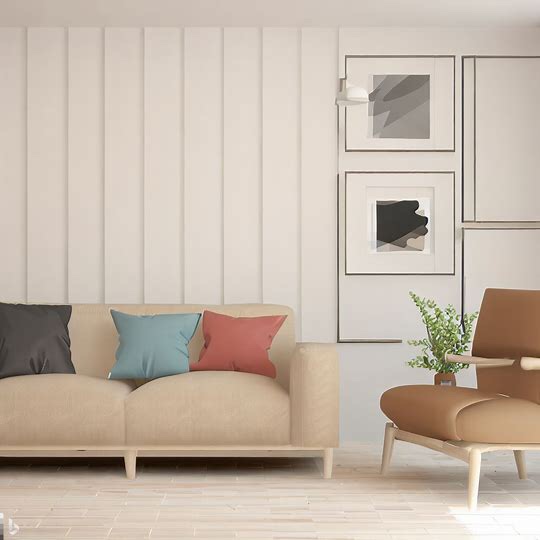
The right scale and proportion of furniture can make a living room feel inviting and spacious, or cramped and overwhelming. When choosing furniture for your living room, it’s important to consider the size of the room and the desired effect.
In a small living room, large pieces of furniture can make the space feel congested. Instead, opt for smaller pieces that will fit comfortably in the space. You can also use mirrors to create the illusion of more space.
In a large living room, smaller pieces of furniture can get lost. To avoid this, choose larger pieces that will fill the space. You can also use grouping furniture to create a more intimate feel.
No matter the size of your living room, it’s important to place furniture strategically to ensure the space doesn’t feel cramped or sparse. For example, you can place a large sofa against a wall to create a focal point, or use smaller chairs to create conversation areas.
Add Greenery to Your Living Room for a Breath of Fresh Air
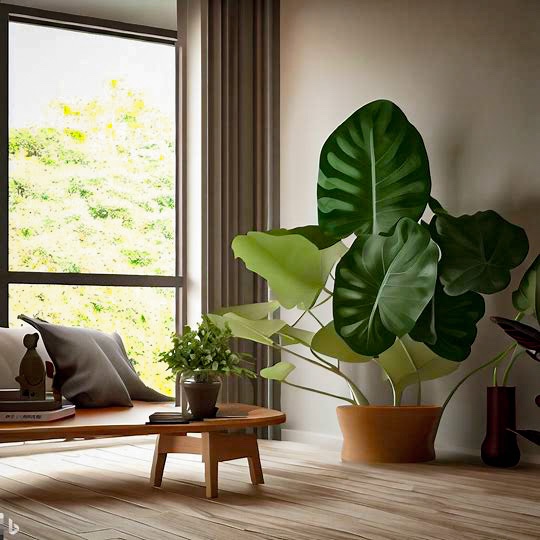
Plants are a great way to add life and color to any room, and your living room is no exception.
Not only do they look beautiful, but they also have a number of benefits for your health and well-being.
- Improve air quality: Plants can help to remove toxins from the air, making your living room a healthier place to breathe.
- Reduce stress: Studies have shown that being around plants can help to reduce stress and anxiety.
- Boost mood: Plants can also help to improve your mood and make you feel more relaxed and happy.
When choosing plants for your living room, there are a few things to keep in mind:
- The size of the room: If you have a small living room, you’ll want to choose smaller plants that won’t overwhelm the space. For a larger living room, you can go with larger plants or even a grouping of plants.
- The amount of light: Some plants need more light than others, so it’s important to choose plants that will thrive in the lighting conditions of your living room.
- Your personal style: There are a wide variety of plants to choose from, so you can find plants that fit your personal style.
Here are a few ideas for plants that would be great for your living room:
- Ferns: Ferns are a classic choice for living rooms, and they come in a variety of sizes and shapes.
- Pothos: Pothos is a low-maintenance plant that is easy to care for. It comes in a variety of colors, so you can find one that matches your décor.
- Spider plant: Spider plants are another easy-care plant that is also known for its air-purifying qualities.
- Snake plant: Snake plants are tolerant of low light, so they are a good choice for living rooms that don’t get a lot of natural light.
Stylish Storage Solutions for a Clutter-Free Living Room
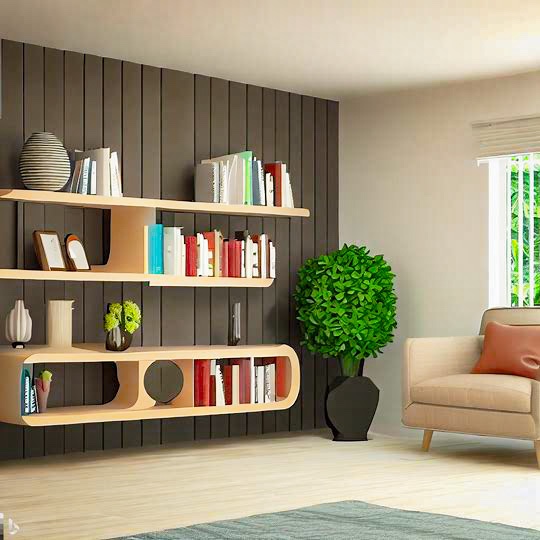
Living rooms are often home to a variety of items, from books and remotes to blankets and toys. While these items can add to the comfort and personality of the space, they can also quickly become clutter if they’re not properly stored.
Clever storage solutions can help keep your living room clutter-free while also adding to the room’s aesthetics. Here are a few ideas:
- Stylish bookcases: Bookcases are a classic storage solution that can be both functional and stylish. Choose bookcases that match your décor and that have enough space to store all of your books, magazines, and other belongings.
- Vintage chests: Vintage chests are a great way to add character to your living room while also providing storage space. Look for chests that are in good condition and that have a unique design.
- Baskets: Baskets are a versatile storage solution that can be used to store a variety of items, from blankets and toys to magazines and remotes. Baskets can be stacked or placed on shelves, and they can be made from a variety of materials, such as wicker, wood, or fabric.
- Wall-mounted shelves: Wall-mounted shelves are a great way to free up floor space and create a sense of openness in your living room. Choose shelves that are the right size for your space and that can accommodate the items you plan to store on them.
Personalize Your Living Room with Meaningful Objects
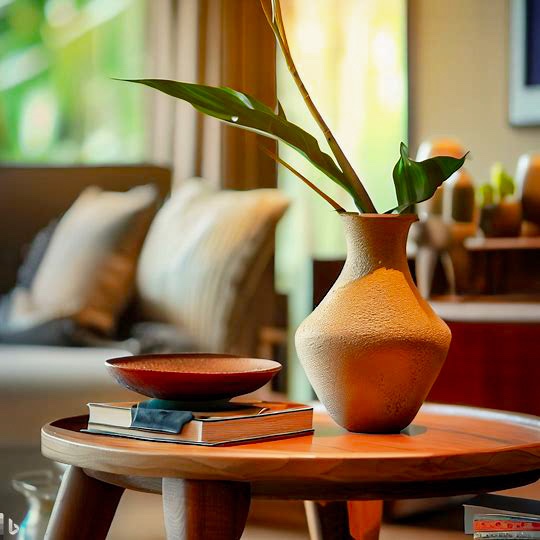
Personal touches are what make a living room truly your own. Whether it’s a family heirloom, a travel souvenir, or a piece of art that you love, these objects tell your story and create a space that is unique to you.
Here are a few tips for personalizing your living room:
- Start by thinking about your interests and hobbies. What are the things that you love to do and the things that make you happy? Once you know what’s important to you, you can start to look for objects that reflect those interests.
- Don’t be afraid to mix and match different styles. The key to personalizing your living room is to create a space that feels like you. This means mixing and matching different styles of furniture, art, and décor.
- Don’t be afraid to show off your personality. Your living room should be a place where you can relax and be yourself. So don’t be afraid to put your own personal stamp on it.
Here are some examples of personal objects that you could add to your living room:
- Family photographs: These are a great way to bring back memories and create a sense of nostalgia.
- Travel souvenirs: These are a great way to show off your wanderlust and share your travel stories with guests.
- Cherished heirlooms: These are a great way to connect with your family history and create a sense of tradition.
- Artwork: This is a great way to express your creativity and personality.
The Fifth Wall: Don’t Forget to Decorate Your Ceiling
The ceiling is often overlooked when decorating a living room, but it can make a big impact if done right. Whether you choose a dramatic color, a wallpaper, or an interesting light fixture, the ceiling can significantly enhance the look and feel of your space.
- Consider the overall style of your living room. If you have a traditional living room, you might want to choose a more classic ceiling treatment, such as crown molding or a coffered ceiling. If you have a more modern living room, you might want to choose something more contemporary, such as a painted ceiling or a wallpapered ceiling.
- Think about the size of your living room. If you have a small living room, you might want to choose a lighter color or a less busy pattern for your ceiling. This will help to make the space feel larger. If you have a large living room, you can afford to be a bit bolder with your ceiling treatment.
- Pay attention to the lighting. The type of lighting you choose will also affect the overall look of your ceiling. If you have a lot of natural light, you might want to choose a lighter color for your ceiling. If you have less natural light, you might want to choose a darker color or a wallpaper with a pattern that will help to reflect light.
Here are some examples of ceiling treatments that you could use in your living room:
- Painted ceiling: A painted ceiling is a classic and easy way to add color to your living room. You can choose any color you like, but keep in mind that darker colors will make the space feel smaller.
- Wallpapered ceiling: Wallpapered ceilings are a great way to add pattern and interest to your living room. You can choose a wallpaper with a traditional design or a more modern design.
- Light fixtures: Light fixtures can also be used to decorate your ceiling. You can choose a light fixture that matches the style of your living room or you can choose a more unique light fixture that will make a statement.
Remember, creating a beautiful living room doesn’t necessarily mean spending a fortune. It’s about thoughtful design, playing with elements like color, light, and texture, and personalizing the space to make it feel like home.


 U-Property PH
Leave a comment