

The principle of scale and proportion is a foundational element of interior design. When correctly applied, it ensures that your living room – or any space – feels balanced and harmonious, regardless of its size. This article will explore how to play with scale and proportion in your living room, enhancing both the aesthetics and functionality of the space.
Understanding Scale and Proportion in Interior Design

Scale and proportion are two key concepts in interior design that can help you create a balanced and harmonious space.
- Scale refers to the relative size of objects in a room. A well-scaled room will have furniture and other elements that are all roughly the same size, or that create a sense of visual balance. For example, a large sofa would look out of place in a small room, while a small sofa would be lost in a large room.
- Proportion refers to the relationship between the size of different elements in a room. For example, a room with high ceilings will need larger furniture than a room with lower ceilings. Proportion is also about the relationship between different shapes, colors, and textures in a room. For example, a room with a lot of sharp angles will need some soft curves to balance it out.
When considering scale and proportion in interior design, it’s important to think about the overall effect you want to create. Do you want a room that feels cozy and intimate, or do you want a room that feels spacious and airy? The scale and proportion of your furniture and other elements will play a big role in creating the desired atmosphere.
Here are some tips for using scale and proportion in interior design:
- Use a variety of scales and proportions to create visual interest. Don’t be afraid to mix and match different sizes and shapes.
- Pay attention to the height of your ceilings. If you have high ceilings, you can use larger furniture to fill the space. If you have lower ceilings, you’ll want to use smaller furniture to avoid making the room feel cramped.
- Use repetition to create a sense of balance. Repeating the same shapes, colors, or textures throughout a room can help to create a cohesive look.
- Don’t be afraid to experiment. The best way to learn about scale and proportion is to experiment with different elements in your own home.
How to Create a Balanced and Harmonious Space
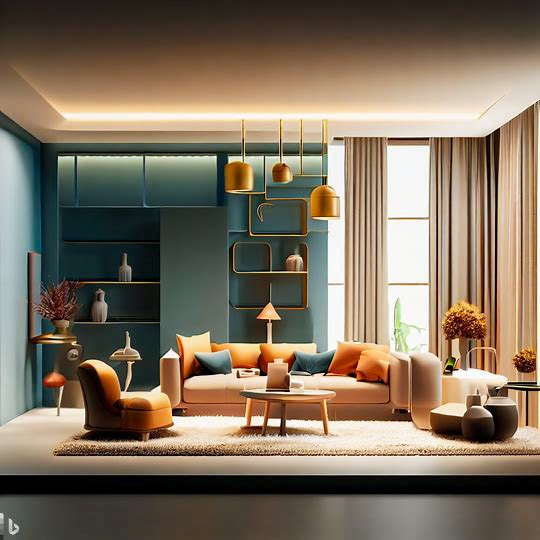
Scale and proportion are two key concepts in interior design that can help you create a balanced and harmonious living room. By following these tips, you can ensure that your furniture is the right size for your space and that it creates a pleasing visual effect.
- Match Furniture Size to Room Size: The first step is to match the size of your furniture to the size of your room. A large sofa in a small room will make the space feel cramped, while a small sofa in a large room will get lost. The goal is to find furniture that fills the space without overwhelming it.
- Balance Large and Small Pieces: Once you’ve matched the size of your furniture to your room, you can start to balance large and small pieces. This means using a variety of sizes and shapes to create a visually interesting space. For example, you could pair a large sofa with a small coffee table or a slender armchair. You could also use furniture to define different zones in your living room, such as a reading nook or a conversation area.
- Placement is Key: Even correctly scaled furniture can make a room feel off if it’s not placed strategically. When placing your furniture, make sure there’s enough space to move around comfortably. You should also consider the traffic flow in your living room. For example, if you have a lot of foot traffic in the area, you’ll want to avoid placing furniture in the way.
- Play with Visual Weight: Visual weight refers to how much an item draws attention to itself. Large, dark-colored, or complexly shaped items have more visual weight than small, light-colored, simply shaped ones. By balancing visual weight, you can create a harmonious look, regardless of the actual size of items. For example, you could pair a large, dark-colored sofa with a light-colored coffee table and chairs. This would help to balance the visual weight of the sofa and create a more balanced overall look.
Creating an Illusion of Scale in Your Home
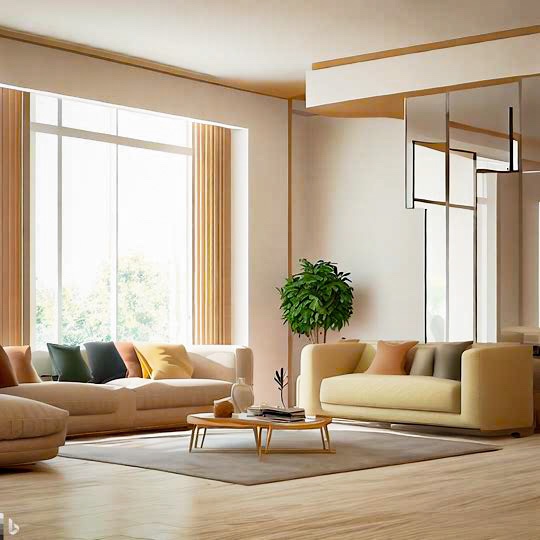

Scale and proportion are important considerations in interior design, but what if you’re working with a particularly small or large room? There are a few tricks you can use to create an illusion of scale and make your space feel more comfortable and inviting.
- Use Mirrors: Mirrors are a great way to make a small room feel larger. They reflect light and create the illusion of depth, making the space feel more spacious. You can hang mirrors on the walls, place them on tables or consoles, or even use them as part of your furniture.
- Add Rugs: In large rooms, rugs can help define separate areas and make the space feel cozier and more proportionate. Choose a rug that’s the right size for the space and that complements the overall style of your décor.
- Use Vertical Space: In small rooms, use the vertical space to your advantage. Add tall bookshelves, hang art high on the walls, or install a chandelier to draw the eye upwards and create a sense of height. This will help to make the room feel larger and more open.
In conclusion, playing with scale and proportion can transform your living room, enhancing both its look and feel. By carefully choosing and arranging your furniture, you can create a space that’s balanced, harmonious, and most importantly, inviting and comfortable.








Leave a comment