
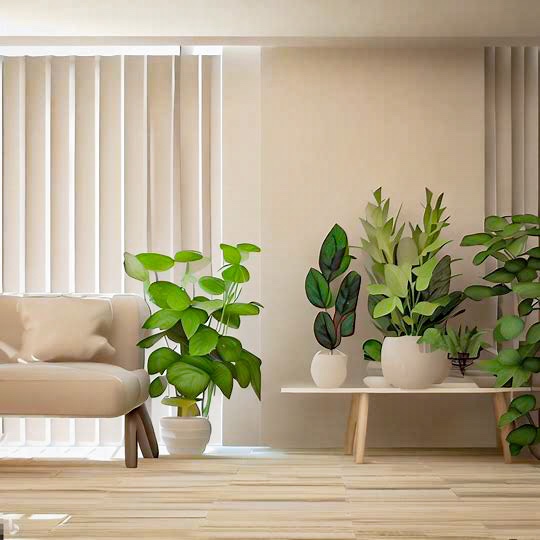
Greenery and indoor plants are more than just decorative elements; they bring a myriad of benefits, both aesthetic and health-related, to your living room. They can rejuvenate a space, create a calm and relaxing environment, and even have the potential to improve air quality. This article explores how you can add a touch of nature to your living room and create an indoor oasis that’s not just beautiful, but also beneficial.
The Benefits of Greenery in Your Living Room
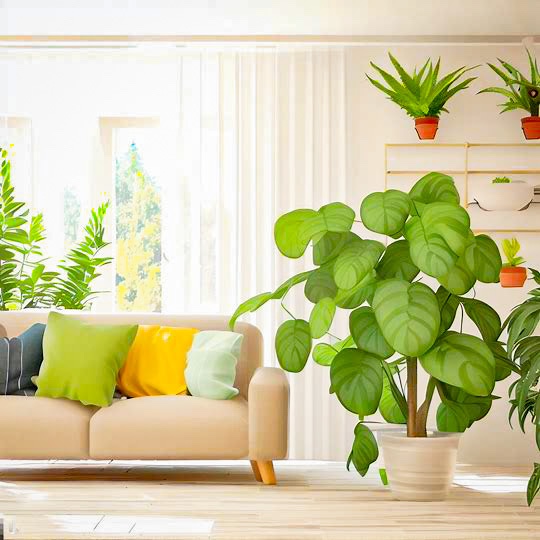
- Add a Pop of Color: Greenery is a great way to add a pop of color to your living room. The lush green of their leaves can contrast beautifully with your existing décor, adding depth and visual interest. Blooming plants can provide bursts of color and become an eye-catching focal point.
- Improve Air Quality: Numerous studies show that certain indoor plants can help filter and purify the air in your home, removing toxins and releasing oxygen. This can improve your overall health and well-being, and it can also help to reduce allergies and asthma symptoms.
- Reduce Stress: Being in the presence of plants has been linked to lower levels of stress and anxiety. They create a calming atmosphere, making your living room a sanctuary where you can relax and unwind.
- Increase Productivity: Studies have shown that people who work in offices with plants are more productive than those who work in offices without plants. This is likely because plants help to improve air quality and reduce stress levels.
- Boost Creativity: Greenery can also boost creativity. Studies have shown that people who are exposed to plants are more likely to come up with creative ideas. This is likely because plants help to stimulate the mind and reduce distractions.
- Increase Happiness: Simply being around plants can make you happier. Studies have shown that people who live in homes with plants are more likely to report feeling happy and content. This is likely because plants help to improve our mood and reduce stress levels.
Variety is Key to Creating a Layered and Vibrant Living Room
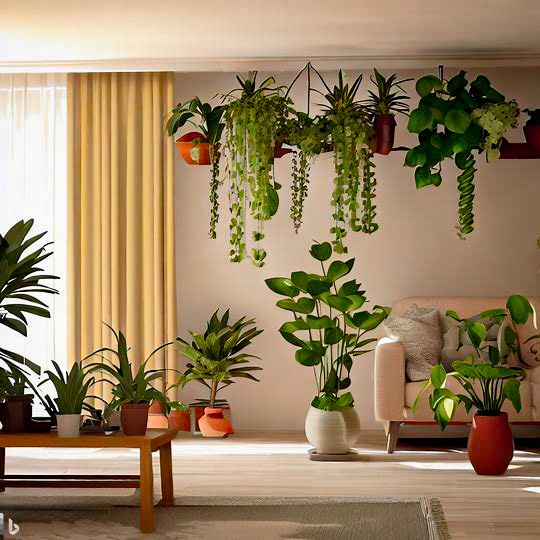
When incorporating plants into your living room, it’s important to use a variety of sizes and shapes to create a layered and vibrant space. Here are a few ideas to get you started:
- Tall floor plants can add height and drama to your living room. They’re a great way to fill empty corners or flank large pieces of furniture like your sofa or entertainment center. Some popular tall indoor plants include the Fiddle Leaf Fig, Snake Plant, and Areca Palm.
- Smaller plants on shelves or tables can add a touch of greenery to your living space without overwhelming it. They’re also versatile and can be placed in a variety of different ways. Some popular small indoor plants include the Spider Plant, Peace Lily, and various types of succulents.
- Hanging plants are a great way to add greenery without taking up floor space. They can also be used to add a touch of the exotic to your living room. Some popular hanging plants include English Ivy, String of Pearls, and Boston Fern.
Caring for Your Indoor Plants
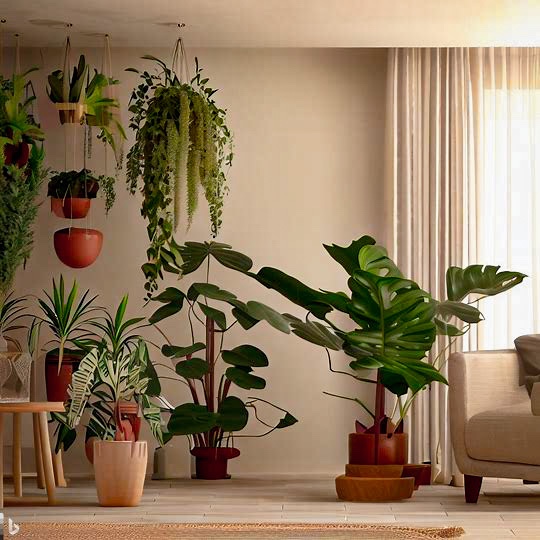
Indoor plants can bring many benefits to your home, but they also require some care. When choosing plants, it’s important to consider their light, water, and care requirements to make sure you can meet them. Most indoor plants will need indirect light and regular watering, but there are some exceptions. For example, succulents and cacti prefer bright, direct sunlight, while ferns need moist soil.
Here are some tips for caring for your indoor plants:
- Choose the right plants for your home. Consider the amount of light you have, the amount of time you have to water, and your overall décor style when choosing plants.
- Place your plants in the right spot. Indoor plants need the right amount of light to thrive. Most plants will do well in indirect sunlight, but some need more or less light.
- Water your plants regularly. The amount of water your plants need will vary depending on the type of plant and the climate. Most plants should be watered when the top inch of soil is dry.
- Fertilize your plants regularly. Fertilizing your plants will help them grow and stay healthy. You can use a liquid fertilizer or a slow-release fertilizer.
- Repot your plants as needed. As your plants grow, they will need to be repotted into a larger pot. This will give them more room to grow and spread their roots.


Leave a comment