
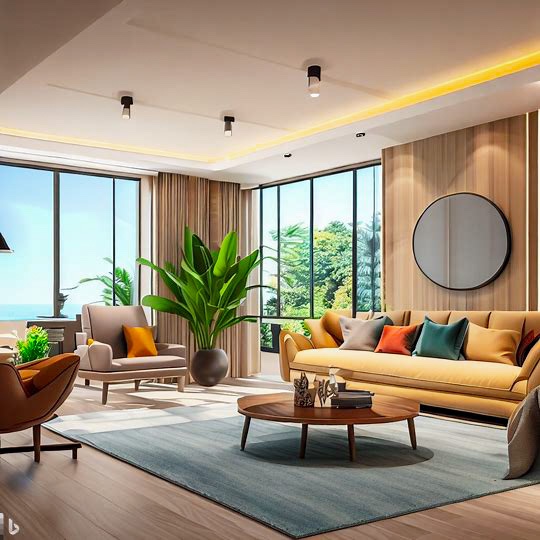
When it comes to selling a house, first impressions matter. This concept is the driving force behind home staging, a practice widely adopted in the real estate markets of Western countries, particularly the United States and Canada. Home staging involves decluttering, repairing, and redecorating a property to make it more appealing to potential buyers. In essence, it’s a marketing tool used to present a home in its best light, allowing buyers to envision themselves living there. Despite its effectiveness and popularity in the West, home staging is not a common practice offered by real estate brokers in the Philippines. The reasons behind this absence are rooted in cultural differences, economic factors, different buying behaviors, a lack of professional home stagers, and the general approach to property sales in the Philippines.
Cultural Differences in Home Buying and Selling
Home staging is a Western concept that has not yet caught on in the Philippines. In the West, home staging is used to make a property look its best to sell it more quickly. This is often done by removing personal belongings, decluttering, and adding decorative touches.
However, in the Philippines, the cultural approach to home buying and selling is different. Here, the emphasis is on the practicality and functionality of the property, rather than aesthetics. This is because Filipinos value homes that are comfortable and livable, not just stylish.
Of course, Filipino buyers still appreciate a well-presented home. However, they prefer to see the home as it is, without the added embellishments of home staging. This allows them to get a better sense of the property’s layout and potential.
In addition, home staging can be seen as deceptive in the Philippines. Some buyers believe that staged homes are not an accurate representation of the property, and they may be less likely to make an offer.
As a result, home staging is not widely used in the Philippines. Instead, sellers focus on highlighting the practical aspects of their property, such as the size, location, and amenities. This approach is more likely to resonate with Filipino buyers, who are looking for a home that is both functional and affordable.
Here are some additional points to consider:
- Home staging can be expensive, and many Filipino sellers do not have the budget for it.
- Filipino buyers may feel that home staging is unnecessary, as they can assess the practicality and functionality of a property without it.
- Home staging can be seen as deceptive, as it can give buyers a false impression of the property.
Economic Factors
The Cost of Staging: Staging a home can be a costly endeavor. In addition to the cost of cleaning and repairs, sellers may also need to rent or purchase new furniture and décor. These costs can quickly add up, making staging an unaffordable option for many homeowners.
The Return on Investment: The return on investment (ROI) from staging a home can also be a factor to consider. In some markets, staging can significantly increase the property’s perceived value. However, in the Philippines, where the real estate market is not as affluent, the ROI from staging may not be as pronounced.
The Priorities of Buyers: In addition to cost and ROI, sellers should also consider the priorities of buyers in the Philippines. In some cases, buyers may be more interested in other factors, such as the location of the property or the size of the lot. If staging does not address these priorities, it may not be worth the investment.
Different Buying Behavior
In the Philippines, property buyers are more practical than their counterparts in other countries. They are less swayed by aesthetic appeal and more focused on factors like location, price, structural integrity, and potential for return on investment.
For many Filipino buyers, the decision to buy a property hinges on whether it meets their practical needs and fits within their budget. They are less likely to be swayed by a beautiful home that is out of their price range or located in an inconvenient location.
This practical buying behavior is likely because many Filipino families have limited financial resources. They need to make sure that any property they buy is a sound investment that will meet their needs for years to come.
Of course, some Filipino buyers are more interested in aesthetic appeal. However, even these buyers tend to be practical about their choices. They will still consider factors like location and price, even if they are willing to spend a little more for a home that they love.
Here are some specific examples of how Filipino buyers prioritize practical aspects of a property:
- They will often choose a property in a central location, even if it means paying a premium. This is because they want to be close to schools, work, and other amenities.
- They will be more likely to buy a property that is in good condition, even if it means spending a little more upfront. This is because they want to avoid the cost of repairs and renovations down the road.
- They will consider the potential for return on investment when making a purchase. They want to make sure that the property they buy will appreciate over time.
Lack of Professional Home Stagers
Home staging is a specialized skill that requires professional expertise and experience. In the West, this industry is thriving, with professional home stagers helping sellers prepare their properties for sale. However, in the Philippines, this profession is relatively unknown and uncommon.
Real estate brokers in the Philippines often have a wide range of responsibilities, from marketing properties and coordinating viewings to managing contracts and facilitating negotiations. Adding home staging to this list could be challenging, as it requires a different set of skills and expertise.
Without the required expertise, home staging could be done poorly, which could hurt a property’s chances of selling. As a result, many sellers in the Philippines opt to sell their homes without professional staging.
This is a missed opportunity, as home staging can have a significant impact on the sale price of a property. Studies have shown that staged homes can sell for an average of 10-15% more than unstaged homes.
In the Philippines, there is a growing demand for professional home staging services. As more sellers realize the benefits of staging, the demand for this service is likely to increase.
Sales Approach in the Philippines
In the Philippines, the way properties are sold is different from Western countries. In the West, individual homes and unique features are often the selling point. However, in the Philippines, sales are more likely to rely on the reputation of the developer, the location, and the potential return on investment.
This is especially true in urban areas, where many properties are sold off-plan or as bare units in condominium buildings. In these cases, there is no need for home staging, as potential buyers are more interested in the overall project than in the individual unit.
Here are some of the reasons why the sales approach in the Philippines is different from Western countries:
- The Philippines is a developing country, and many people are still looking for affordable housing.
- The Philippines has a strong culture of saving and investing, and many people see property as a good way to grow their wealth.
- The Philippines is a relatively young country, and many people are still moving to urban areas in search of better opportunities.
As a result of these factors, the sales approach in the Philippines is focused on providing potential buyers with the information they need to make a sound investment decision. This includes information about the developer’s reputation, the location of the property, the potential return on investment, and the available amenities.
In conclusion, while home staging has proven to be a beneficial practice in Western real estate markets, its adoption in the Philippines is hindered by several factors, including cultural and economic considerations, buying behaviors, the absence of professional home stagers, and the sales approach. Nevertheless, as the Philippine real estate market continues to evolve and globalize, we may see an increased uptake of home staging in the future. As the market becomes more competitive, sellers and brokers may start exploring new strategies, such as home staging, to distinguish their properties and maximize sale potential.




 U-Property PH
Leave a comment