
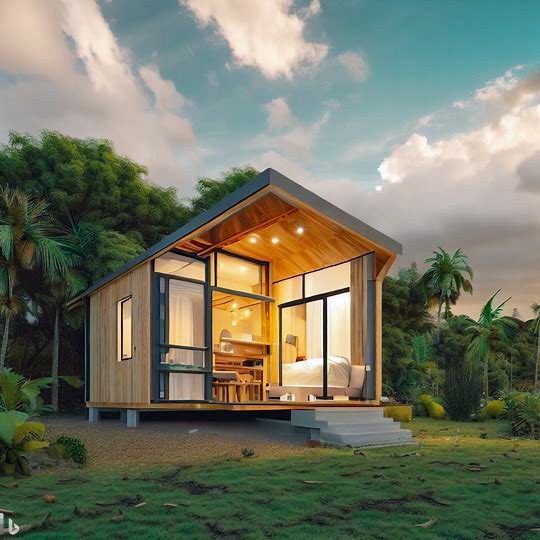
In an era marked by excess, extravagance, and waste, a new trend has emerged, defying conventions and redefining living standards. Tiny homes, typically no more than 500 square feet, are championing a more conscious, sustainable, and minimalist lifestyle. First initiated in the US in the early 2000s, the tiny home movement has since spread worldwide, and the Philippines has been one of the eager adopters.
Tiny Homes: A Reaction to Excessive Consumption
Standard homes are often too spacious and filled with unused items, leading to environmental degradation and financial strain. Tiny homes, on the other hand, encourage people to live within their means and only use what is necessary. This mindset is resonating with many Filipinos, who are taking a keen interest in the tiny home lifestyle.
Here are some of the benefits of living in a tiny home:
- Reduced environmental impact: Tiny homes require less land, materials, and energy to build and maintain than traditional homes. This can help to reduce our impact on the environment.
- Lower financial costs: Tiny homes are often much more affordable than traditional homes. This can be a major benefit for people who are struggling to make ends meet.
- Increased simplicity and freedom: Tiny homes force us to simplify our lives and focus on what is truly important. This can lead to a more stress-free and fulfilling existence.
Tiny Homes: A Catalyst for Creativity
Tiny homes are not just about downsizing. They are also about maximizing space and finding creative solutions to everyday problems. This has led to a surge of creativity in the tiny home movement, with Filipino homeowners finding ingenious ways to fit all the necessities of life into a small space.
One popular trend is the use of multi-functional furniture. For example, a bed can also be a sofa or a dining table. This allows homeowners to save space without sacrificing comfort or functionality.
Another trend is the use of innovative storage solutions. Tiny homes often have limited storage space, so homeowners need to get creative with how they store their belongings. Some popular storage solutions include using vertical space, installing pull-out drawers, and using under-bed storage.
The tiny home movement has also inspired homeowners to be more mindful of their environmental impact. Many tiny homes are built using sustainable materials and energy-efficient appliances. This helps to reduce the environmental impact of homeownership.
In the Philippines, where ingenuity and resourcefulness are valued, the tiny home movement has been a platform for Filipinos to showcase their creativity and resilience. Tiny homes are a symbol of hope and possibility, showing that it is possible to live a fulfilling life with less.
Tiny Homes: A Sustainable Solution
Tiny homes are not just about downsizing or being creative. They are also about sustainability. Smaller homes require less energy, fewer construction materials, and less land, making them a more sustainable option than traditional homes.
This is especially appealing in the Philippines, where environmental issues are becoming increasingly important. Solar power, rainwater harvesting, and composting toilets are just a few of the sustainable features that are becoming popular in tiny homes across the country.
In addition to their environmental benefits, tiny homes can also save homeowners money.
They are often much more affordable to build and maintain than traditional homes. This makes them a great option for people who are looking to save money or who are struggling to afford a traditional home.
Tiny Homes: A Path to Minimalism
Tiny homes are not just about small spaces. They are also about living with less. In a tiny home, there is no room for clutter or excess possessions. This forces residents to embrace minimalism and focus on what is truly essential.
For Filipinos, who often value strong interpersonal connections and experiences over material wealth, this aspect of tiny home living is very attractive. It supports a cultural shift towards more mindful consumption and a greater appreciation for experiences over possessions.
Here are some of the benefits of living in a tiny home with a minimalist mindset:
- Reduced stress: When you have less stuff, you have less to worry about. You don’t have to spend time cleaning, organizing, or maintaining your possessions. This can lead to a more relaxed and stress-free lifestyle.
- Increased focus: When you have less clutter, you can focus more on the things that are important to you. You can spend more time with your loved ones, pursuing your hobbies, and experiencing new things.
- Improved financial health: When you have less stuff, you spend less money. You don’t have to buy new clothes, furniture, or gadgets as often. This can lead to a significant improvement in your financial health.
- A more sustainable lifestyle: Tiny homes are often more sustainable than traditional homes. They require less energy, water, and materials to build and maintain. This can help to reduce your impact on the environment.
In conclusion, the tiny home movement in the Philippines represents more than a housing trend. It’s a lifestyle shift that advocates for creativity, minimalism, and sustainability. As more Filipinos prioritize these values, the tiny home trend will likely continue to grow, influencing not just the housing market, but societal attitudes as well.




Leave a comment