
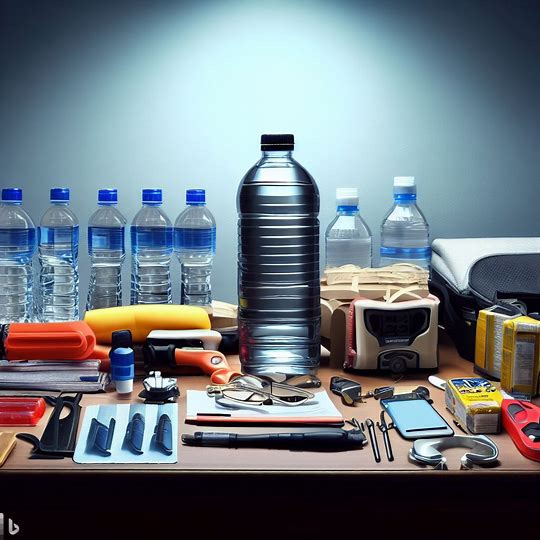
Emergencies are unpredictable, but your response to them doesn’t have to be. An emergency kit is a proactive tool that equips you with the essentials to manage and navigate unforeseen situations. This guide will help you assemble an emergency kit that caters to your fundamental needs during a crisis.
Non-perishable Food and Water: Stock Up for Emergencies
Sustenance is crucial during emergencies, especially when regular sources may be compromised. Here are some tips for stocking up on non-perishable food and water:
- Food: Stock up on canned goods, such as fruits, vegetables, and beans. These foods have a long shelf life and are easy to store. You can also include dried fruits, nuts, energy bars, and ready-to-eat meals.
- Water: Aim for at least one gallon of water per person per day. This should cover drinking, cooking, and basic hygiene needs. Store your water in clean, food-grade containers.
- Manual can opener: If you are storing canned food, be sure to include a manual can opener. This will allow you to open the cans even if there is no electricity or running water.
Here are some additional tips for storing food and water:
- Store your food and water in a cool, dry place. *Rotate your stock regularly to ensure that the food is fresh and the water is not contaminated.
- Label your food and water containers with the date they were stored.
- Make sure that everyone in your household knows where the food and water are stored.
First Aid Supplies: Essential Items to Keep You Safe and Prepared
Prompt medical attention can be a lifesaver in emergencies. Here are some essential first-aid supplies that you should have in your home:
- Basics: Adhesive bandages, antiseptic wipes, gauze pads, adhesive tape, and scissors are essential for treating minor cuts, scrapes, and burns.
- Medications: Pain relievers, antidiarrheal medications, and antacids can help treat common ailments.
- Others: Tweezers, thermometers, and a first aid guide or manual can be useful for more serious injuries or illnesses.
Here are some additional tips for choosing first aid supplies:
- Choose supplies that are appropriate for your family’s needs. If you have children, be sure to include supplies that are specifically designed for their age group.
- Make sure the supplies are in good condition and have not expired.
- Store the supplies in a cool, dry place.
- Review the first aid guide or manual regularly so that you know how to use the supplies properly.
Flashlights and Batteries: Essential Tools for Emergency Preparedness
Power outages are common during disasters. Here are some tips for choosing and storing flashlights and batteries for emergency preparedness:
- Choose flashlights with LED bulbs. LED bulbs are more energy-efficient and last longer than traditional bulbs.
- Store an ample supply of batteries. Make sure to check the expiration dates regularly and store them in a cool, dry place.
- Consider getting a flashlight with a built-in charger. This will allow you to charge the flashlight even if there is no electricity.
- Get a flashlight with multiple modes. This will allow you to adjust the brightness of the flashlight to the situation.
- Get a flashlight that is durable and weather-resistant. This will ensure that the flashlight can withstand the elements.
Essential Medications: Stay Safe and Prepared with a Stockpile of Vital Meds
It is important to have a supply of essential medications on hand in case of an emergency. Here are some tips for storing and managing your essential medications:
- Prescription medications: Keep a one-week supply of all prescription medications on hand, especially for chronic conditions.
- Non-prescription medications: Keep a basic supply of non-prescription medications, such as pain relievers, antihistamines, and cold medicine.
- Storage: Store medications in a cool, dry place. Some medications may require refrigeration or special storage conditions.
- Expiration dates: Check the expiration dates on all medications regularly and replace them as needed.
- Labeling: Label all medications with the name of the medication, the dosage, and the expiration date.
- Backup plan: Have a backup plan in case you lose your medications, such as a copy of your prescription or a list of your medications.
Battery-Powered Radio: Stay Informed and Prepared During an Emergency
A battery-powered radio is an essential tool for emergency preparedness. It can help you stay informed about the latest news and weather conditions, which can help you make informed decisions about your safety.
When choosing a battery-powered radio, consider the following factors:
- Functionality: Choose a radio that can receive AM, FM, and, if possible, weather band frequencies. This will allow you to stay informed about a variety of events, including local news, national news, and weather alerts.
- Power source: Consider radios with hand cranks or solar panels as backup energy sources. This will ensure that you can still use your radio even if the batteries run out or the power goes out.
- Durability: Choose a radio that is durable and weather-resistant. This will ensure that your radio can withstand the elements and continue to work even in harsh conditions.
Personal Documents: Keep Your Important Papers Safe and Secure
Your documents are essential for your recovery after an emergency. They can help you prove your identity, access your insurance benefits, and get back on your feet.
Here are some tips for storing your documents safely and securely:
- Choose a waterproof container. This will protect your documents from water damage in case of a flood or fire. Zip-lock bags or specialized waterproof pouches are a good option.
- Store your documents in a secure location. This could be a fireproof safe, a safety deposit box, or a secure location in your home.
- Keep your documents updated. Make sure to update your documents regularly, especially if your address or contact information changes.
- Make copies of your documents. This will give you a backup copy in case your original documents are lost or damaged.
Extra Clothing and Blankets: Stay Warm and Dry During an Emergency
Being prepared for the elements is essential for staying safe during an emergency. Here are some tips for packing extra clothing and blankets:
- Clothing: Store a change of clothes for each family member, including socks, underwear, pants, shirt, and jacket. Consider the local climate and pack accordingly. For example, if you live in a cold climate, you will need to pack warm clothing, such as sweaters and jackets. If you live in a warm climate, you will need to pack light clothing, such as shorts and T-shirts.
- Blankets: Opt for compact, thermal blankets. These blankets take up less space and provide adequate warmth. You can also pack sleeping bags, but they are bulkier and may not be necessary for all emergencies.
- Other items: You may also want to pack other items to stay warm and dry, such as a hat, gloves, and rain gear.
Creating an emergency kit is an investment in peace of mind. It’s your assurance that, even in the face of adversity, you’ve made preparations to protect and care for yourself and your loved ones. Periodically review the contents of your kit, replacing expired items and updating it as your family’s needs change. Preparedness is empowerment.








Leave a comment