
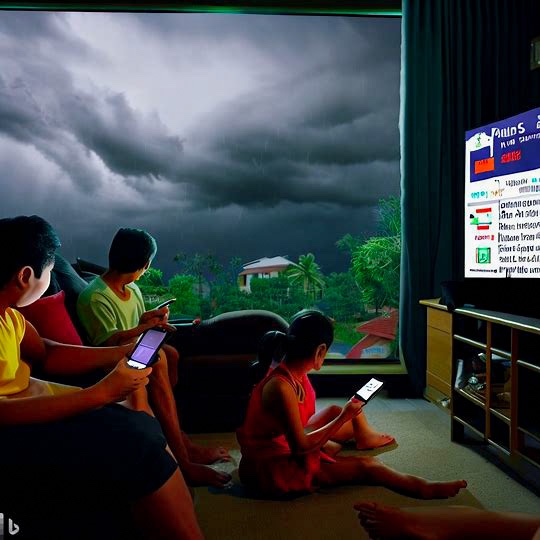
In the age of information, knowledge truly is power. For a country like the Philippines, frequently at the mercy of nature’s whims, staying updated with real-time weather and emergency news can mean the difference between safety and calamity. This article explores the importance of monitoring updates and harnessing technology to ensure timely information during crucial times.
The Importance of Local News
Local news channels are essential for keeping residents informed about what is happening in their communities. They provide detailed reports on local events, such as upcoming elections, traffic accidents, and crime. They also relay government advisories, such as evacuation orders and safety precautions.
Here are some specific examples of how local news channels can be helpful:
- They can provide detailed reports on the aftermath of a natural disaster, such as a typhoon or flood. This information can help residents assess the damage and make informed decisions about how to recover.
- They can relay government advisories about public safety, such as evacuation orders or road closures. This information can help residents stay safe during an emergency.
- They can highlight local businesses and organizations that are making a difference in the community. This information can help residents get involved and support their community.
The Crucial Role of Weather Updates in the Philippines
The Philippines is a tropical country that is prone to typhoons and other extreme weather events. To stay safe, it is important to be aware of the latest weather updates.
Early Warnings
Weather services can often predict typhoons or heavy rainfall days in advance. This gives residents ample time to prepare or evacuate if needed. For example, residents can stock up on food and water, secure their homes, and move to safe areas.
Tracking Typhoon Paths
As typhoons approach, their paths can be tracked. This information helps in determining which areas will be hardest hit and what kind of preparations are necessary. For example, residents in areas that are likely to be affected by a typhoon can take steps to protect their homes and businesses.
The Power of Technology: Weather and Emergency Apps
Smartphones are now ubiquitous, making it possible to harness their power for safety. Weather and emergency apps can provide real-time updates, localized data, and safety features to help you stay informed and safe.
Real-time Updates
Many weather and emergency apps provide real-time updates, so you can stay informed about the latest conditions. This can help avoid dangerous weather or take action during an emergency.
Localized Data
Some advanced apps use your location to provide hyper-localized weather data. This means that you get information that is relevant to your specific area, such as the nearest shelters or evacuation routes.
Safety Features
In addition to weather updates, some apps have safety features such as emergency SOS. This feature allows you to send a distress signal to your contacts or emergency services with the touch of a button.
Here are some of the benefits of using weather and emergency apps:
- Stay informed about the latest weather conditions and potential hazards.
- Get localized data that is relevant to your area.
- • Use safety features to stay safe in an emergency.
Tailored Weather Information for the Philippines
The Philippines is a tropical country with a diverse range of weather conditions. This makes it important to use weather apps that are specifically designed for the Philippines.
Region-Specific Predictions
Local weather apps are often better equipped to predict weather patterns in the Philippines. This is because they are familiar with the local climate and can take into account factors such as the location of mountains and bodies of water.
Local Language Support
Weather apps that are tailored for the Filipino audience often support local languages. This makes it easier for users to understand the information and take action accordingly.
The Human Element in Disaster Preparedness
Technology and news are valuable tools for staying informed about natural disasters, but they should not be the only ones you rely on. The human element is also essential for disaster preparedness.
Local Community Insights
Your neighbors and community members often have a wealth of knowledge about the area, especially if it is prone to natural disasters. They may have experienced previous disasters and know what to do to stay safe. They can also provide practical tips and insights that you may not find in other sources.
Sharing is Caring
Staying updated and informed, especially in a country as meteorologically active as the Philippines, is not just a matter of convenience—it’s a necessity for safety. By actively monitoring local news, leveraging the power of technology, and engaging with the community, residents can ensure they are always a step ahead of potential adversities, paving the way for timely and effective responses.


Leave a comment