
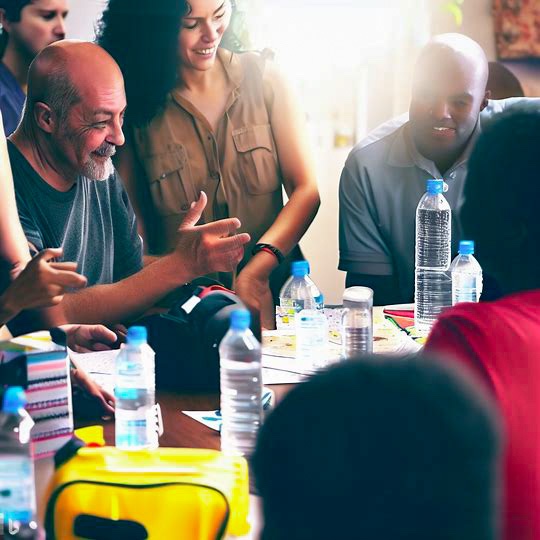
Emergencies and natural disasters are, by nature, unpredictable. However, their impact can be mitigated by the collective preparedness of a community. By coming together, neighbors can not only pool resources but also share knowledge, leading to a more resilient and informed response to crises. This article delves into the essence of community preparedness and how you can actively participate.
The Power of Community Groups in Disaster Preparedness
Forming or joining a community group focused on emergency preparedness is a proactive step toward safeguarding your neighborhood.
Shared Responsibility
Community groups foster a sense of shared responsibility, ensuring that everyone is aware of the risks and knows what to do to stay safe. This can be especially important in areas that are prone to natural disasters.
Pooling Resources
Together, a community can pool resources, such as physical supplies, expertise, and manpower, to better handle emergencies. This can make it easier to respond quickly and effectively to a disaster.
Hosting Educational Seminars for Disaster Preparedness
Education is a cornerstone of disaster preparedness. By ensuring that all community members understand the risks and appropriate responses, the community can strengthen its collective safety net.
Guest Experts
Educational seminars can be enriched by inviting local emergency responders, medical professionals, or disaster preparedness experts to provide insights and training. These experts can share their knowledge and experience, and answer questions from community members.
Tailored Information
Seminars can be tailored to address specific risks that the community faces, such as earthquakes, floods, or fires. This ensures that the information is relevant and useful to the audience.
Interactive Sessions
Workshops and hands-on sessions can provide practical skills, such as first-aid training or fire safety techniques. These sessions can help community members learn how to respond to a disaster safely and effectively.
Organizing Community-Wide Disaster Drills
Individual preparedness is crucial, but practicing emergency protocols as a community ensures that everyone knows their role in a crisis.
Simulated Scenarios
Drills can simulate various emergencies, helping the community understand the dynamics of different situations. This can help people to think through what they would do in a real emergency and to identify any gaps in their knowledge or preparedness.
Feedback and Refinement
Post-drill debriefings allow for feedback, highlighting areas of improvement. This iterative process ensures that each drill is more effective than the last. This feedback can be used to improve the drills and make them more realistic and relevant to the community.
Building Bonds
Drills also serve to strengthen community bonds, fostering a sense of unity and collective resilience. This is because they bring people together and give them a chance to work together towards a common goal.
Fundraising for Community Emergency Supplies
Ensuring that the community has access to essential emergency supplies is vital. While individual households may have their kits, a community cache ensures that resources are available for everyone.
Community Kits
Fundraising can be used to create community emergency kits, stocked with essentials such as water, food, first-aid supplies, and communication tools. These kits can be stored in a central location, such as a community center or fire station, and can be accessed by anyone in need.
Local Partnerships
Local businesses can also be engaged for sponsorships or partnerships. They can contribute funds, supplies, or even venues for community preparedness events. This can help to raise awareness of the importance of disaster preparedness and to collect the necessary funds to create and maintain community emergency kits.
Regular Updates
Funds can also be allocated to ensure that supplies are regularly checked and replenished, especially perishable items. This is important to ensure that the kits are always ready to use in the event of an emergency.
Engaging in community preparedness transforms individual efforts into a formidable collective front, ensuring a neighborhood is not just reactive but proactive in the face of emergencies. Remember, the strength of a community is not just in its numbers but in its unity, knowledge, and shared responsibility. By coming together, communities can fortify themselves,







Leave a reply to Emergency Preparedness in a Condominium: What You Need to Know – U-Property PH Cancel reply