
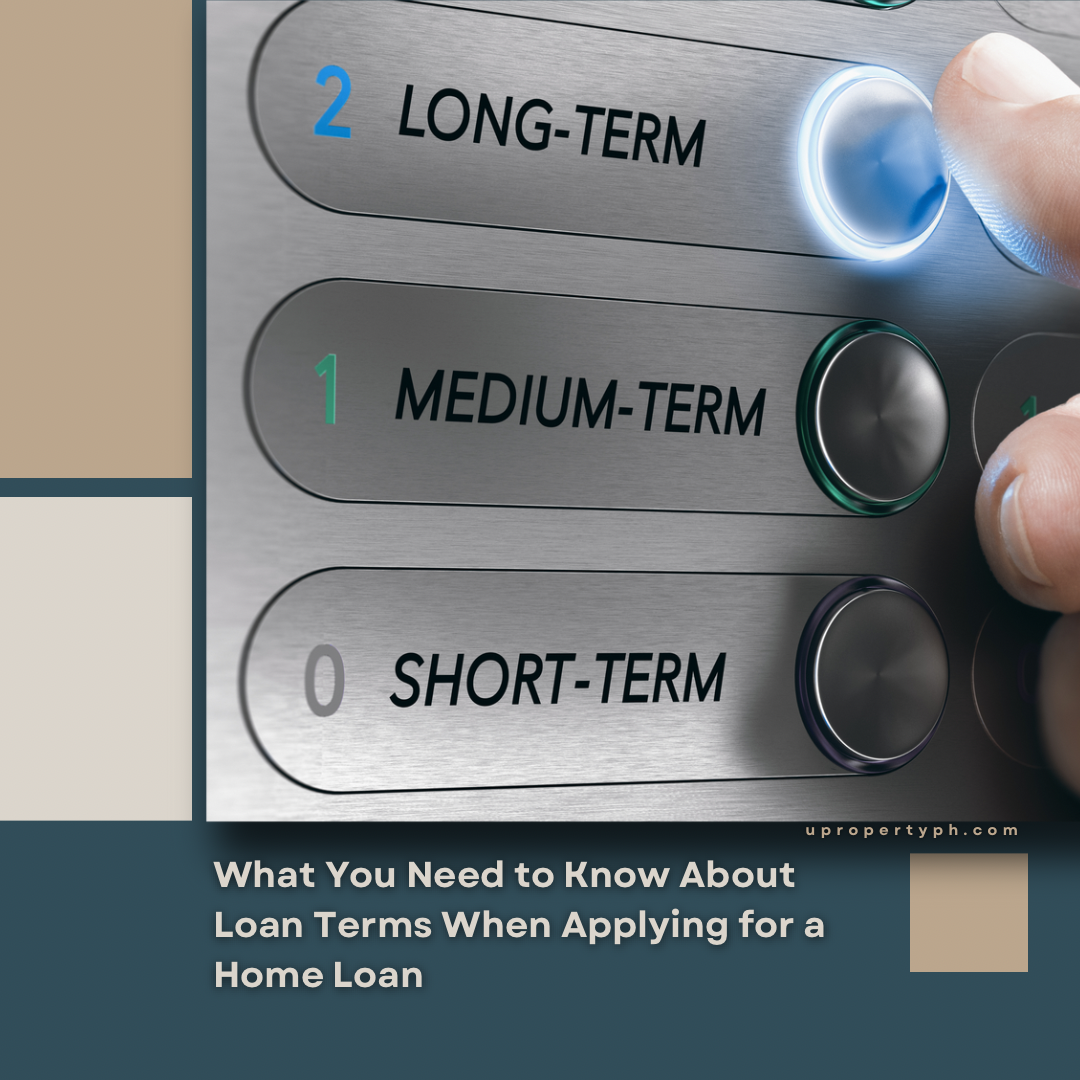
Another factor that can affect your home loan cost and experience is the loan term. The loan term is the length of time that you have to repay your home loan. It usually ranges from five to 30 years, depending on the bank and your preference.
But how do you choose the correct loan term for your home loan? What are the advantages and disadvantages of short-term and long-term loans? How do they affect your monthly payments and total cost? What do you need to consider when deciding on your loan term? How do you compare and evaluate the loan terms from different banks?
In this article, we will answer these questions and guide you on how to choose the correct loan term for your home loan by considering the following aspects:
- The monthly amortization: lower or higher
- The total interest: lower or higher
- The property ownership: sooner or later
- Your plans and preferences: stay or move
- Your age and retirement: younger or older
The Monthly Amortization: Lower or Higher
The first thing that you need to know about loan terms is that they have a direct impact on your monthly amortization. The monthly amortization is the amount that you pay every month to the bank for your home loan. It consists of two parts: the principal and the interest. The principal is the portion of the loan you will pay back to the bank. The interest is the portion of the loan amount that the bank charges you for lending you money.
The longer the loan term, the lower your monthly amortization because the principal and interest are spread over a lengthier period, resulting in smaller payments. The shorter the loan term, the higher your monthly amortization because the principal and interest are concentrated over a shorter period, resulting in larger monthly payments.
The main advantage of a lower monthly amortization is that it gives you more cash flow and budget flexibility. You can use the extra money for other expenses or investments. You can also save money for emergencies or contingencies.
The main disadvantage of a lower monthly amortization is that it gives you less equity and leverage in your property. Equity is the difference between the value of your property and the balance of your home loan. Leverage is when you use borrowed money to increase your potential return on investment. The lower your monthly amortization, the slower you build equity and leverage in your property.
The main advantage of a higher monthly amortization is that it gives you more equity and leverage in your property. Equity and leverage can help you increase your net worth and financial security. It also allows you to access more funds or opportunities in the future.
The main disadvantage of a higher monthly amortization is that it gives you less cash flow and budget flexibility. You have less money for other expenses or investments. You also have less funds for emergencies or contingencies.
The Total Interest: Lower or Higher
The second thing you need to know about loan terms is that they have an inverse impact on your total interest. The “total interest” is the total amount you will pay to the bank for borrowing money for your home loan. The “total interest” is computed by multiplying the interest rate by the loan amount by the loan term.
The longer the loan term, the higher your total interest because you pay interest for a lengthier period, resulting in more payments. The shorter the loan term, the lower your interest payment because you pay interest for a shorter period, resulting in fewer payments.
The main advantage of a lower total interest is that it gives you more savings and value in your home loan. You pay less money to the bank for borrowing money for your home loan. You also get more value from your property as its appreciation exceeds its depreciation.
The main disadvantage of a lower total interest is that it gives you more pressure and stress on your home loan. You have to pay more monthly to the bank for your home loan. You also have to deal with more risks and uncertainties in your home loan as market conditions may change.
The main advantage of a higher total interest is that it gives you more ease and comfort in your home loan. You pay less money every month to the bank for your home loan. You also have to deal with fewer risks and uncertainties in your home loan as market conditions may stabilize.
The main disadvantage of a higher total interest is that it gives you less savings and value in your home loan. You pay more money to the bank for borrowing money for your home loan. You also get less value from your property as its depreciation exceeds its appreciation.
The Property Ownership: Sooner or Later
The third thing that you need to know about loan terms is that they have a direct impact on your property ownership. Property ownership is having full legal rights and control over your property. It is achieved when you finish paying off your home loan and receive the title of your property from the bank.
The shorter the loan term, the sooner you will achieve property ownership because you pay off your home loan faster, resulting in fewer payments. The longer the loan term, the later you will have property ownership because you pay off your home loan more slowly, resulting in more monthly payments.
The main advantage of sooner property ownership is that it gives you more freedom and security. You can do whatever you want with your property without any restrictions or obligations from the bank. You can also enjoy the peace of mind of having no debt or liability on your property.
The main disadvantage of sooner property ownership is that it gives you less flexibility and opportunity in your property. You may have to settle for a smaller or less desirable property that fits your budget and loan term. You may also miss out on some potential benefits or advantages of having a longer loan term.
The main advantage of later property ownership is that it gives you more flexibility and opportunity in your property. You can choose a larger or more desirable property that suits your preferences and lifestyle. You can also take advantage of some potential benefits or advantages of having a longer loan term.
The main disadvantage of later property ownership is that it gives you less freedom and security. You have to follow the rules and regulations of the bank regarding your property. You also have to bear the burden of having debt or liability on your property.
Your Plans and Preferences: Stay or Move
The fourth thing you need to consider when choosing the correct loan term for your home loan is your plans and preferences regarding your property. It refers to what you intend to do with your property in the future, such as staying or moving.
If you plan to stay in your property for a long time or indefinitely, you may prefer a longer loan term. A longer loan term will give you lower monthly amortization and higher total interest, allowing for more cash flow and budget flexibility, more equity and leverage in your property, more ease and comfort in your home loan, and more flexibility and opportunity.
If you plan to move from your property shortly or eventually, you may prefer a shorter loan term. A shorter loan term will give you higher monthly amortization and lower total interest, allowing for more savings and value in your home loan, more pressure and stress in your home loan, more freedom and security in your property, and less flexibility and opportunity
Your Age and Retirement: Younger or Older
The fifth thing that you need to consider when choosing the correct loan term for your home loan is your age and retirement plans. Your age and retirement plans refer to how old you are and how old you will be when you retire or stop working.
If you are younger or have a long time before retirement, you may prefer a longer loan term. A longer loan term will give you lower monthly amortization and higher total interest. It will also give you more cash flow and budget flexibility, more equity and leverage in your property, more ease and comfort in your home loan, and more flexibility and opportunity.
If you are older or have a short time before retirement, you may prefer a shorter loan term. A shorter loan term will have higher monthly amortization and lower total interest. It will also give you more savings and value in your home loan, more pressure and stress in your home loan, more freedom and security in your property, and less flexibility and opportunity
Ideally, you should finish paying off your home loan before you retire or reach 65 years, whichever comes first. This way, you can avoid paying for your home loan with your retirement income or savings. You can also enjoy living on your property without any debt or liability.
How to Compare and Evaluate the Loan Terms from Different Banks
Now that you know the different aspects of loan terms that affect your home loan cost and experience, how do you compare and evaluate them? Here are some steps that you can follow:
- Step 1: Gather the information. You can use online tools to search for home loan products and loan terms from different banks in the Philippines. You can also visit the websites of the banks or contact their customer service representatives to get more details.
- Step 2: Calculate the monthly amortization. You can use online calculators to compute how much you will pay monthly for each home loan product and loan term you are considering. Input the loan amount, the interest rate, and the loan term.
- Step 3: Calculate the total interest. You can use online calculators to compute how much interest in total you will pay for each home loan product and loan term that you are considering. Input the loan amount, the interest rate, and the loan term.
- Step 4: Compare the results. You can use online tools such to compare the monthly amortization and total interest of each home loan product and loan term you are considering. You can also create a table or a chart to visualize the results.
- Step 5: Evaluate the results. You can use your plans and preferences, your age and retirement, and other factors such as fees, requirements and eligibility, customer service, and reputation of the banks as criteria to evaluate the results. Choose the loan term that best suits your needs and goals.
Conclusion
Choosing the correct loan term for your home loan is an important decision affecting your financial situation and home-buying or selling experience. Consider various aspects such as the monthly amortization, the total interest, the property ownership, your plans and preferences, your age and retirement, and other factors when comparing and evaluating the loan terms from different banks. Do your research online or offline to find out more about the loan terms that banks offer.
We hope that this article has helped you learn how to choose the correct loan term for your home loan. If you have any questions or comments, please share them below. Thank you for reading!








Leave a reply to How to Choose the Right Bank for Your Home Loan: A Guide for Home Buyers – U-Property PH Cancel reply