
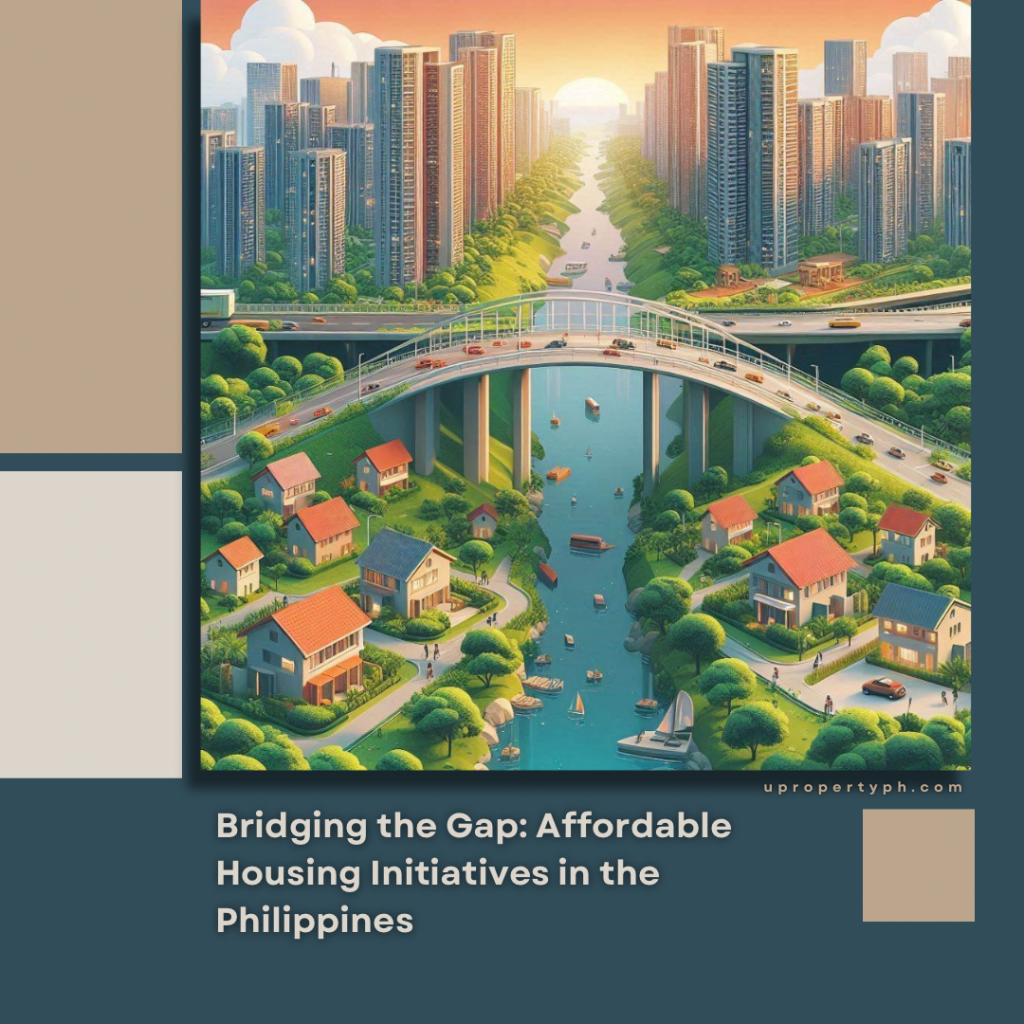
As the Philippine population grows and urbanization accelerates, the demand for affordable housing has reached critical levels. Developers are stepping up to address this pressing issue, creating innovative solutions that cater to average-income earners. Let’s explore what these developers are doing right and how their efforts are reshaping the housing landscape.
The ADB-Lhoopa Partnership
In March 2024, the Asian Development Bank (ADB) joined forces with Lhoopa, Inc., signing a groundbreaking loan agreement of up to $20 million. Their mission? To deliver affordable housing for Filipinos who often struggle to adapt to the impacts of climate change. Here’s what makes this partnership remarkable:
Target Audience
- Average-Income Earners: Lhoopa, Inc. has its sights on the unsung heroes of our communities—drivers, security guards, factory workers, teachers, and office administrative staff. These individuals often face housing challenges, caught in the affordability gap. By focusing on their needs, Lhoopa aims to create meaningful impact.
Affordability Matters
- Reasonable Price Points: Lhoopa’s commitment to affordability shines through. The average price of their properties—Php 850,000 (approximately $15,000)—makes homeownership attainable for those who dream of a place to call their own. It’s not just about walls; it’s about dignity and security.
Green Building Standards
- EDGE Certification: Sustainability takes center stage. At least 25% of Lhoopa’s homes will be certified by Excellence in Design for Greater Efficiencies (EDGE). This internationally recognized green building standard ensures energy efficiency, water conservation, and reduced environmental impact. Lhoopa isn’t just building houses; they’re nurturing a greener future.
The 4PH Program
The Philippine government is also taking bold steps to tackle the housing crisis. The 4PH Program, launched in 2024, aims to provide affordable housing through four key sub-programs:
Public Rental Housing
- Targeting Low-Income Families: The Public Rental Housing sub-program focuses on providing rental options for those who struggle to afford traditional homeownership. By offering affordable rental units, it aims to bridge the housing gap and ensure dignified living conditions.
Innovative Housing Finance
- Creative Financing Models: The Innovative Housing Finance component explores alternative ways to make homeownership accessible. It’s not just about traditional mortgages; it’s about tailoring financial solutions to diverse needs:
- Microfinance: Small-scale loans empower aspiring homeowners.
- Rent-to-Own Schemes: Gradual ownership through rental payments.
- Community-Based Financing: Collective efforts to fund housing projects.
Land-Based Financing
- Unlocking Available Land: The Philippines has valuable land resources. This sub-program leverages these assets for housing development:
- Socialized Housing Sites: Identifying suitable land parcels for affordable housing projects.
- Collaboration with Local Governments: Coordinating efforts to allocate land efficiently.
Housing One-Stop Processing Centers
- Streamlining Administrative Processes: Bureaucracy shouldn’t hinder housing solutions. The One-Stop Processing Centers simplify approvals, paperwork, and coordination:
- Faster Turnaround: From permits to clearances, residents experience quicker processing times.
- Efficiency: Developers and homeowners alike benefit from streamlined procedures.
Reviving Old Buildings
Innovative developers are repurposing abandoned warehouses, heritage structures, and former hotels. These neglected spaces now house vibrant communities. By breathing new life into old walls, they contribute to the goal of delivering over 100,000 housing units annually by 2024.
Abandoned Warehouses
- From Neglect to Renewal: Once-forgotten warehouses find new purpose. Their cavernous interiors now house loft-style apartments, artist studios, or co-working spaces. Exposed brick walls and high ceilings evoke an industrial chic vibe, attracting urban dwellers seeking character and affordability.
Heritage Structures
- Preserving History: Heritage buildings—old schools, colonial-era houses, and ancestral homes—are architectural time capsules. Developers restore their facades, respecting their historical significance. Inside, modern apartments blend seamlessly with vintage details—ornate moldings, wooden floors, and stained glass windows.
Former Hotels
- From Hospitality to Housing: Abandoned hotels, once bustling with tourists, now welcome permanent residents. These buildings offer a unique canvas for adaptive reuse:
- Suite Living: Former hotel rooms become cozy apartments. Residents enjoy amenities like rooftop gardens, gyms, and communal lounges.
- Prime Locations: Many old hotels occupy prime spots in city centers. Repurposing them ensures efficient land use and minimizes urban sprawl.
Community Building
- Shared Spaces: Revived buildings foster community. Residents gather in common areas—courtyards, lobbies, and rooftop terraces. It’s more than housing; it’s a shared experience.
- Mixed-Use Concepts: Some developments combine housing with retail, cafes, or art galleries. Imagine living above a bookstore or a jazz club.
The Luxury-Affordability Balance
Interestingly, luxury senior housing projects are emerging in 2024. These developments strike a middle ground, offering high-end living experiences at more accessible prices. Seniors can enjoy upscale amenities without straining their budgets.
Emerging Trends
- Luxury for Seniors: In 2024, developers recognize that seniors deserve more than basic housing. These projects aim to elevate their living experiences, catering to their unique needs and desires.
- Middle Ground: The sweet spot lies in striking a balance—offering upscale amenities without burdening seniors’ budgets.
Upscale Amenities
- Comfort and Convenience: Luxury senior housing isn’t just about marble countertops; it’s about enhancing daily life:
- Spa-Like Bathrooms: Walk-in showers, heated floors, and ergonomic fixtures.
- Gourmet Kitchens: High-end appliances, granite countertops, and ample storage.
- Wellness Centers: Fitness facilities, yoga studios, and swimming pools.
- Social Spaces: Elegant lounges, libraries, and communal dining areas.
Affordability Considerations
- Cost-Effective Design: Developers optimize space and materials to keep prices reasonable.
- Shared Services: Coordinated healthcare, transportation, and housekeeping services reduce individual expenses.
- Financial Flexibility: Some projects offer rent-to-own options or income-based pricing.
Holistic Well-Being
- Health and Safety: Luxury isn’t just aesthetics; it’s about safety features:
- Emergency Response Systems: 24/7 monitoring and assistance.
- Universal Design: Barrier-free layouts for ease of movement.
- Outdoor Spaces: Landscaped gardens and walking paths for mental and physical well-being.
Affordable housing isn’t just about roofs and walls; it’s about dignity, security, and community. As developers continue to innovate, we move closer to a future where every Filipino has a place to call home.


 U-Property PH
Leave a comment