
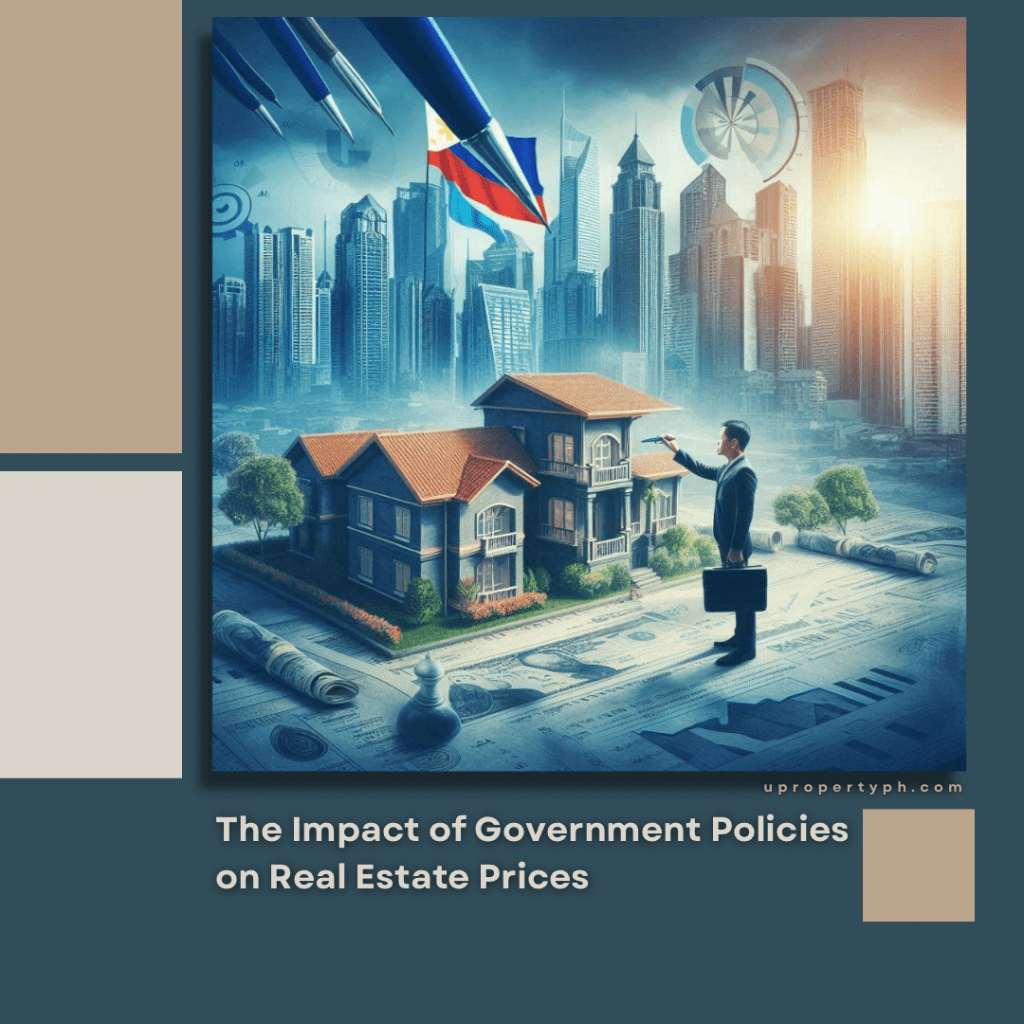
Government policies play a pivotal role in shaping the real estate market. In the Philippines, recent policy changes have had both direct and indirect effects on property values. Let’s explore how these shifts impact the housing sector.
Property Taxes and Affordability
Tax Incentives and Demand
Property taxes play a crucial role in shaping the real estate market. Here’s how:
- Affordability: When tax rates are favorable—meaning they are reasonable and not overly burdensome—more buyers are encouraged to enter the market. Lower property taxes can make homeownership more accessible, especially for first-time buyers. As demand increases, property values tend to appreciate.
- Investor Sentiment: Investors closely monitor property tax policies. Higher taxes can deter potential homeowners and investors, affecting overall market activity. Conversely, a reduction in property tax rates can stimulate demand, potentially leading to price appreciation.
Capital Gains Tax (CGT) and Investment Decisions
Capital gains tax (CGT) directly impacts property transactions. Here’s why it matters:
- Cost of Selling: When the government adjusts CGT rates, it alters the cost associated with selling real estate. A lower CGT encourages property sales because it reduces the financial burden on sellers. As more properties change hands, liquidity increases in the market.
- Price Dynamics: Investors pay close attention to CGT changes. A favorable CGT environment can drive up property prices due to increased liquidity and heightened investor confidence. Conversely, higher CGT rates may lead to cautious investment behavior.
Foreign Ownership Regulations
Liberalization and Market Activity
Government policies related to foreign ownership significantly shape the real estate landscape:
- Easing Restrictions: When governments relax restrictions on foreign ownership, it opens the door for international investors to participate more freely in the market. This influx of capital can have several effects:
- Increased Demand: Foreign investors, especially those eyeing prime locations, contribute to heightened demand. Their interest in residential and commercial properties can drive up prices.
- Market Momentum: A surge in foreign investment injects liquidity and momentum into the real estate sector. It can lead to new developments, revitalization of neglected areas, and overall market vibrancy.
- Stringent Regulations: Conversely, stringent regulations may limit foreign investment. These restrictions can include caps on ownership percentages, prohibitions on certain property types, or bureaucratic hurdles. When foreign investors face obstacles, it affects property values:
- Reduced Demand: If foreign buyers encounter too many barriers, demand may decrease. This can lead to stagnation or even price corrections.
- Market Cooling: Stringent policies act as a brake on speculative buying, preventing bubbles and ensuring stability. However, an excessively cautious approach might hinder growth.
Balancing Act
Governments must perform a delicate balancing act:
- Encouraging Investment: While promoting foreign investment, they must safeguard local interests. Policies should attract capital without compromising national sovereignty or displacing local buyers.
- Stabilizing Prices: Striking this equilibrium is essential. Policies that achieve a balance between openness and protection can stabilize property prices and foster sustainable growth.
Infrastructure and Urban Development
Infrastructure Spending
Government investments in infrastructure have a direct influence on property values. Here’s how:
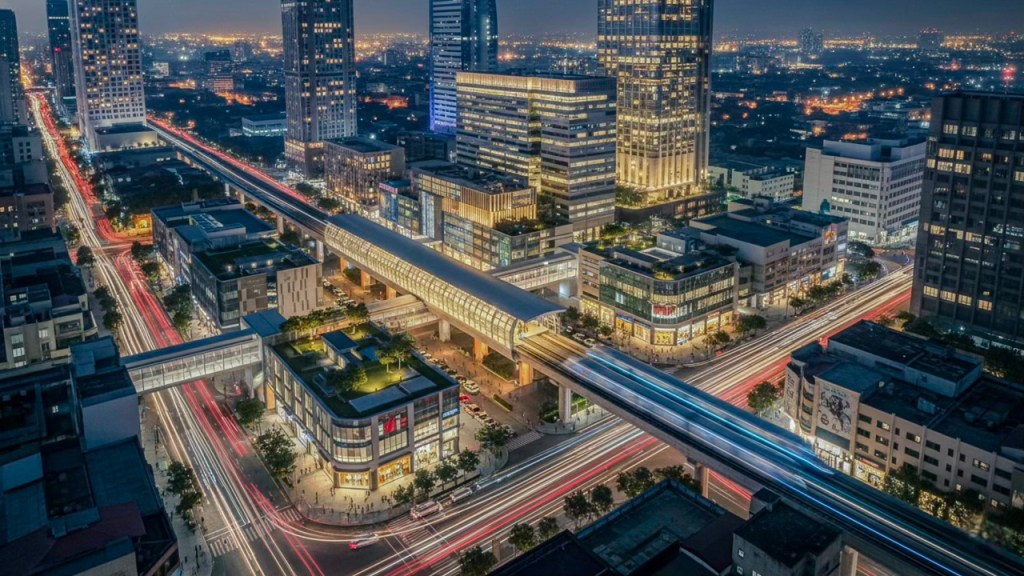
- Enhanced Connectivity: When governments allocate funds for roads, bridges, and public transportation, it improves accessibility. Well-connected areas become more attractive to residents and businesses alike. Investors recognize this potential and adjust their strategies accordingly:
- Property Appreciation: Properties located near new infrastructure projects tend to appreciate in value. Improved connectivity increases convenience, making these areas desirable for both homeowners and commercial ventures.
- Anticipating Growth: Savvy investors keep an eye on planned infrastructure developments. Whether it’s a new subway line, highway expansion, or airport upgrade, these projects signal growth potential. As demand rises, property prices follow suit.
Zoning and Land Use Policies
Zoning regulations dictate land use. When governments rezone areas for commercial or residential purposes, property values respond. For instance, rezoning an industrial zone to residential can increase nearby property prices.
Government policies are like currents in the real estate sea. Investors must adapt to changing tides. Whether it’s tax adjustments, foreign ownership rules, or infrastructure projects, these policies ripple through the market. As we move forward, understanding their impact is essential for informed decision-making.


 U-Property PH
Leave a comment