
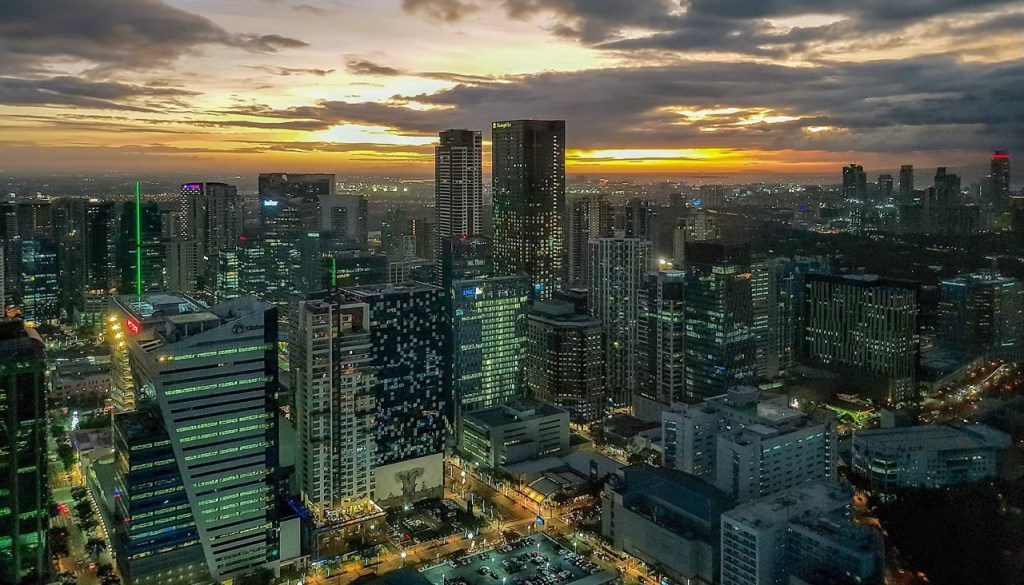
1. Intro: A Game-Changing Move in Real Estate Policy
Why are international developers suddenly looking twice at Philippine land?
Because a quiet legislative shift just made the country far more attractive for long-term foreign investment. The newly passed measure extending foreign land lease terms from 75 to 99 years may sound like a simple adjustment—but it marks a major strategic pivot in the Philippines’ approach to foreign capital and land use.
For decades, the 75-year lease cap—comprising 50 years renewable for 25—created hesitation among investors with multigenerational plans. It limited the scope of large-scale developments, complicated financing structures, and often pushed foreign stakeholders to seek workarounds just to secure longer land control.
Now, with a 99-year lease legally on the table, the country sends a loud signal: we’re open to serious, future-proof investment. This change reshapes the real estate landscape—offering long-term security, greater viability for capital-intensive projects, and a new layer of predictability for foreign firms considering the Philippines as a regional hub.
In a global market where land security is everything, this extended lease term could be the catalyst that finally puts Philippine property back in the spotlight.
2. What the New Law Says
Name of the bill and passage
House Bill No. 10755 and Senate Bill No. 2898, collectively known as the Act Liberalizing the Lease of Private Lands by Foreign Investors, recently passed a bicameral review in mid‑June 2025. The House version was first approved on December 17, 2024, followed by Senate approval in early June and final concurrence on June 10, 2025.
Key provision: Lease term extended to 99 years
The legislation extends the maximum leasehold period for foreign investors from the current 75 years to a full 99 years, aligning with terms offered in countries like Singapore, Malaysia, and Indonesia.
Who can benefit
Eligible parties include:
- Foreign individuals
- Corporations with majority foreign equity
- Joint ventures engaged in industrial, agro‑industrial, commercial, tourism, agriculture, agroforestry, or ecological conservation projects.
These long leases are available to foreign investors who have formally registered investments under applicable laws.
Renewal, limitations, and safeguards
- The President, through the Fiscal Incentives Review Board (FIRB), can impose shorter lease terms for certain investors based on national interest .
- Sub‑leasing is allowed unless explicitly restricted. Sub-leases over 25 years must be registered with the Registry of Deeds.
- Heavy penalties—₱1 million to ₱10 million fines or up to six years imprisonment—apply for attempting to bypass the law.
- Implementing Rules & Regulations will be drafted collaboratively by the Board of Investments, Land Registration Authority, and FIRB to ensure transparency and enforceability.
3. Previous Legal Framework: Why 75 Years Was a Barrier
Before the 99-year lease reform, the Philippines had one of the strictest land tenure systems for foreign investors in Southeast Asia. Foreigners are constitutionally prohibited from owning land, a rule embedded in the 1987 Philippine Constitution. While they could own condominium units (as long as foreign ownership in the building didn’t exceed 40%), outright land ownership was off the table.
Instead, the law allowed a workaround through long-term land leases—but even those came with limits. Under the Investor’s Lease Act of 1993 (RA 7652), the maximum lease term for foreign investors was 50 years, with a one-time extension of 25 years, totaling 75 years. While this seemed generous on paper, it created a number of friction points for serious investors:
The Lease Was Long, But Not Long Enough
A 75-year lease sounds substantial—until you’re a multibillion-peso developer planning a township, retirement estate, or renewable energy farm. Foreign investors evaluating long-gestation projects saw this timeline as a sunset, not a runway. The expiration clause discouraged long-term planning, complicated asset valuation, and often hurt resale potential down the line.
Workarounds Introduced Complexity—and Risk
To navigate the lease restriction, many foreigners resorted to legal workarounds:
- Creating Philippine corporations with 60/40 local-to-foreign equity splits just to hold land.
- Signing long-term lease agreements through nominee structures.
- Using condo-hotel schemes, sub-lease arrangements, or usufruct rights.
While technically legal in some cases, these strategies came with legal gray areas. They demanded expensive legal counsel and introduced regulatory risks that many global investors weren’t willing to tolerate.
Investor Confidence Was Shaky
The 75-year cap contributed to a widespread perception that Philippine real estate wasn’t foreigner-friendly. Investors from Japan, Korea, Singapore, and Europe often chose to invest in countries like Vietnam and Thailand instead—where lease terms were clearer, longer, and more protective of foreign interests. The absence of permanent or near-perpetual land control made Philippine property less appealing for REITs, retirement projects, and build-operate-transfer (BOT) style ventures.
4. What Changes Now: Legal, Financial, and Practical Implications
The shift from a 75-year to a 99-year lease for foreign investors isn’t just a policy tweak—it’s a structural transformation that unlocks long-term stability, investor confidence, and more ambitious development cycles. Here’s how the change reshapes the landscape across key stakeholders:
For Foreign Investors
The most immediate benefit is long-term security. A 99-year lease is essentially a lifetime horizon—enough to develop, scale, pass down, or divest a project across generations. For institutional players and private investors alike, this means:
- More viable generational assets – Real estate ventures like integrated townships, industrial campuses, or retirement estates become strategically sound over 99 years. These leases now mirror the leasehold frameworks in global investment destinations like Singapore or the UK.
- Easier financing and business planning – Banks and equity partners are more likely to back ventures with longer land tenure, which directly affects loan amortization terms, asset valuations, and operational forecasting.
- Improved ROI horizon – Projects that once struggled to justify long payback periods—such as eco-tourism hubs, agribusiness ventures, or renewable energy parks—can now show strong long-term returns without renegotiating leases midway.
For Developers and Landowners
Filipino landowners and local developers now have more powerful incentives to collaborate with foreign capital, especially in high-growth sectors like logistics, manufacturing, and tourism.
- Increased demand from foreign locators – Areas such as PEZA zones, IT parks, and ecozones may now attract more multinational tenants looking for secure, long-duration tenancy.
- Aggressive build-to-lease and joint venture models – Local developers can co-develop projects with foreign partners without rushing return cycles or surrendering land ownership. This fosters sustainable planning over short-term speculation.
- Rising land valuations – With higher utility and demand, land in strategic areas—especially near airports, ports, and commercial centers—may command better prices or premiums in lease negotiations.
For the Local Real Estate Market
The 99-year lease rule sends a bullish signal to the broader market—likely accelerating growth in multiple real estate verticals.
- Ripple effect on land prices – Even without direct foreign ownership, the extended lease term increases perceived value and usability of land, particularly in regions with high foreign interest like Clark, Cebu, or BGC.
- Stronger outlook for condo and mixed-use developments – Foreigners may invest more confidently in long-term projects linked to leased land, especially in branded residences or tourism-backed condos.
- Boost for logistics hubs and tourism estates – Expect renewed momentum for industrial townships, coastal resorts, and agri-tourism projects, which previously faced lease term limitations that made them financially unattractive.
This law bridges the gap between foreign interest and local control. It’s not a free-for-all—it’s a smarter, longer runway for mutual growth. And in real estate, that extra 24 years can mean the difference between a hesitant maybe and a confident yes.
5. Comparison With Neighboring Countries
With the extension of foreign lease terms to 99 years, the Philippines has positioned itself far more competitively within the Southeast Asian property investment landscape. Before this reform, foreign investors often overlooked Philippine real estate in favor of neighbors offering longer lease durations and more straightforward land tenure rules. Now, the playing field is shifting.
🇹🇭 Thailand: 30 Years with Limited Renewal
Foreigners in Thailand can lease land for up to 30 years, with an optional renewal of another 30 years, though these renewals aren’t always guaranteed by law. In practice, investors often face uncertainty when the initial term nears expiration. While condominium ownership is allowed (up to 49% of the building), land lease terms remain conservative by regional standards.
🇻🇳 Vietnam: 50 Years (Up to 70 in Special Cases)
Vietnam allows foreigners and foreign-owned companies to lease land for 50 years, extendable up to 70 years in high-priority projects or special economic zones. While Vietnam is gaining traction as a manufacturing and real estate hub, land use rights are still tied to state ownership, meaning foreigners lease from the government, not private landowners.
🇮🇩 Indonesia: Renewable Rights, Up to 80 Years
Foreigners in Indonesia can lease land through Right to Use (Hak Pakai) arrangements for up to 30 years, renewable for another 20 and then 30—totaling 80 years. However, each renewal still depends on government approval. Ownership of land is generally prohibited, with foreigners relying on leasehold or nominee structures.
🇲🇾 Malaysia: 99-Year Leases—and More Flexibility
Malaysia is often considered the benchmark for foreigner-friendly land leasing in the region. Foreigners can lease or even own certain types of properties—especially strata-titled units—while land lease terms can go up to 99 years, especially in state-granted projects. Some even go beyond 99 years in select industrial or agricultural zones. Malaysia’s legal structure is more predictable, offering clearer recourse and land use rules for foreign investors.
🇵🇭 Why the Philippines’ 99-Year Lease Is a Game Changer
By officially offering 99-year land leases to foreign investors, the Philippines now aligns itself with Malaysia at the top of the regional pack. Unlike Thailand’s 30-year lease cap or Vietnam’s 50-year limit, the Philippines is now signaling true long-term commitment to foreign capital.
- Foreign developers can now plan multi-phase, multi-decade projects—including smart cities, logistics corridors, and tourism estates.
- The change also reduces regulatory anxiety, attracting build-to-operate or build-to-transfer investors looking for long-haul returns.
- It puts the Philippines back on the radar of global REITs, pension funds, and multinational investors who previously saw leasehold rules as a red flag.
With this policy shift, the Philippines is no longer just an emerging market with potential. It’s a real contender for long-term foreign real estate investment—offering lease security comparable to the region’s best, with untapped opportunities waiting in prime urban centers and growth corridors alike.
6. Potential Concerns and Safeguards
While the extension of foreign land lease terms to 99 years is being hailed as a bold move to attract investment, it also raises legitimate questions about national interest, land sovereignty, and equitable development. To ensure the policy doesn’t tip the scale toward exploitation or unintended consequences, a framework of safeguards has been outlined—or is expected to follow in the implementing rules.
Fear of “Backdoor Ownership” and Land Control
A primary concern among critics is the potential for foreigners to gain de facto control over land—especially when lease terms approach the duration of a lifetime or beyond. Although land ownership remains constitutionally restricted to Filipino citizens and 60% Filipino-owned corporations, a 99-year lease can start to blur the lines in practice.
There’s growing concern that some foreign entities may structure lease contracts to simulate ownership-like control, particularly in strategic locations such as coastal tourism zones or agricultural areas.
Risk of Land Hoarding in Tourism and Rural Areas
Another issue is the potential for land hoarding, particularly in scenic, high-potential destinations like Palawan, Siargao, or Northern Luzon. With long-term lease rights available, foreign investors may rush to secure vast tracts of land for speculative or low-impact use, limiting access and affordability for local communities.
If not properly regulated, this could trigger land scarcity, drive up local prices, and displace agricultural or indigenous communities—especially in eco-sensitive or culturally protected areas.
Oversight from the National Government and LGUs
To prevent abuse and ensure land use aligns with national development goals, the law provides for stronger oversight mechanisms:
- The Fiscal Incentives Review Board (FIRB) is empowered to impose shorter lease terms where warranted by public interest.
- Lease agreements must be registered with the Land Registration Authority, ensuring transparency and traceability.
- Local Government Units (LGUs) will likely play a vital role in approving, monitoring, and enforcing lease arrangements at the community level—particularly for large land parcels.
Additional implementing rules are expected to introduce screening procedures, land use zoning consistency checks, and possible public consultation requirements before lease approval.
Balancing Foreign Capital with Filipino Interests
At the heart of the debate is a simple but vital question: How can the Philippines welcome foreign investment without sacrificing Filipino land rights and national priorities?
The 99-year lease law attempts to strike this balance by:
- Keeping full land ownership exclusive to Filipinos
- Ensuring leases are time-bound and conditional on investment registration and legal compliance
- Requiring investor alignment with national development goals in sectors like eco-tourism, agriculture, manufacturing, and renewable energy
If managed well, the policy becomes a lever for inclusive growth, bringing in capital, technology, and jobs—without ceding territorial control.
With the right regulatory guardrails in place, the 99-year lease isn’t a land grab—it’s a calculated opening, one that can harness foreign capital to uplift local economies while protecting the country’s long-term interest in sovereignty, sustainability, and social equity.
7. Expert Insights and Market Reactions
Industry heavyweights, foreign investors, and legal analysts are all sounding off—and the consensus is clear: the 99‑year lease law is a game changer, but success hinges on complementary reforms.
Developer, Business Group & PEZA Perspectives
Senate President Francis Escudero, principal author, highlighted the law’s strategic intent:
“This is intended to provide a broad economic option for foreigners who can enter into business here without having to own land…”
Filipino-Chinese Chamber of Commerce chair asserts it’s essential for competitiveness in Asia:
“To better compete globally, the Philippines ‘must mirror Asia’s proven success stories’.”
The American Chamber of Commerce Philippines’ Ebb Hinchcliffe put it plainly
“Having the lease for a very long period, in effect, negates the risk of non-ownership of the land.”
British Chamber’s Chris Nelson echoed this, stressing that long leases largely offset constitutional restrictions .
Foreign Investor Sentiment
Foreign investors are reacting positively but with caveats:
A BusinessWorld report quotes economist John Paolo R. Rivera:
“Extending the land lease for foreign investors to 99 years can help attract long-term foreign investment, particularly in capital‑intensive sectors such as manufacturing, renewable energy, logistics, and tourism.”
He added that it provides much-needed predictability—but should be paired with infrastructure and titling improvements.
From an Inquirer article, Foundation for Economic Freedom’s Calixto Chikiamco emphasized how bankability climbs when lease terms are secure:
“It will give long‑term security of rights to foreign investors.”
Legal and Investment Analyst Commentary
Legal and investment experts agree: the term bump is impactful—yet insufficient on its own:
Terry Ridon of InfraWatch cautioned that red tape, corruption, and power costs also hamper investor confidence.
“99‑year land leases are effective land ownership… but other burdens remain.”
Atty. Jojo, a real estate attorney, warned that a 99-year lease can blur the line between leasehold and de facto ownership, raising risks over land availability, inflation, and rural displacement—especially affecting farmers, indigenous groups, and affordable housing markets.
8. Opportunities That This Unlocks
The extension of foreign lease terms to 99 years is more than a policy shift—it’s a door flung wide open for high-impact, capital-intensive ventures that previously hesitated due to tenure limitations. With land security now virtually spanning a lifetime, the Philippines becomes a more viable, stable, and strategic location for long-range investments across various sectors.
Retirement Estates and Long-Stay Tourism Projects
Long-stay residential communities for retirees and expats have long been a missed opportunity. Now, with a 99-year lease available, developers can confidently build retirement villages, wellness estates, and integrated tourism zones targeted at foreign nationals who seek extended or permanent stays.
- The Philippines’ cost advantage, tropical climate, and English-speaking population already appeal to retirees.
- This new lease policy removes the final barrier—land tenure uncertainty—allowing for more aggressive marketing to foreign buyers under long-term use or leaseback arrangements.
Renewable Energy Projects on Leased Land
The renewable energy sector, especially solar and wind farms, requires vast land areas and decades-long project horizons to be financially feasible. Previously, the 75-year lease cap made certain infrastructure projects difficult to justify. Now:
- Independent power producers (IPPs) can pursue utility-scale projects with stronger financial modeling.
- Investors gain a more bankable position, and local landowners have a clearer path to long-term leasing income.
- It complements the country’s shift toward clean energy targets, aligning policy with sustainability goals.
Agribusiness and Logistics Operations
Large-scale agricultural ventures, food processing zones, and logistics parks are all intensive in land, infrastructure, and time. The 99-year lease provides the long-term runway needed to justify investments in:
- Modern agribusiness models with mechanized farming and export processing
- Cold storage facilities, inter-island logistics hubs, and agri-distribution networks
- Public-private partnerships (PPPs) in rural development
These ventures bring employment, technology transfer, and supply chain improvements, particularly to underdeveloped regions.
Boost for REITs and Land Trust Structures
The law could also invigorate the country’s relatively young Real Estate Investment Trust (REIT) market. With longer leases:
- REITs can bundle leasehold properties into more attractive investment vehicles, offering better long-term yields.
- Foreign institutional investors may now view Philippine REITs as viable additions to global real estate portfolios, knowing land tenure won’t expire mid-cycle.
- Land trusts or long-leasehold investment structures may also emerge, allowing more flexible, regulated, and scalable asset packaging
From power grids to pension homes, the 99-year lease opens up a vast canvas for transformative development. These aren’t just opportunities—they’re signals to foreign investors: it’s finally time to build in the Philippines, not just watch.
9. How Foreigners Can Lease Land in the Philippines Now
With the passage of the 99-year lease law, foreign individuals and corporations now have clearer and more attractive options to gain secure land rights in the Philippines. But while the door is open wider than ever, compliance and due diligence are critical. Here’s how foreign nationals can legally lease land—and make it work to their advantage.
Legal Channels for Leasing Land
Foreigners still cannot own land in the Philippines outright, but they may legally lease land through:
- Direct long-term lease agreements with private landowners (under the newly extended 99-year term, subject to conditions).
- Forming a Philippine corporation with a maximum of 40% foreign equity—this entity can lease or use land as part of business operations.
- Engaging with economic zones (e.g., PEZA, Clark, Subic) where long-term leases are supported and streamlined under investment incentive programs.
Step-by-Step: Leasing Land as a Foreigner
Here’s a simplified process to legally lease land in the Philippines under the new framework:
- Identify a property and confirm the land classification
- Ensure it’s titled, privately owned, and zoned for your intended use (residential, commercial, industrial, etc.).
- Negotiate a long-term lease agreement
- Include terms consistent with the Investor’s Lease Act and RA 7652, now modified to allow leases up to 99 years.
- Register your lease
- File the lease contract with the Registry of Deeds where the property is located. For leases exceeding 25 years, this step is mandatory for legal enforceability.
- Secure business registration or investment accreditation (if applicable)
- If the lease is tied to a business operation, register with the SEC, DTI, or Board of Investments (BOI). Investors may also need to get approvals from PEZA or other investment bodies.
- Comply with tax and reporting requirements
- Pay lease-related taxes such as documentary stamp tax (DST) and ensure your lease is declared for real property tax purposes.
Work With Brokers, Lawyers, and Local Experts
Navigating the real estate system in the Philippines involves multiple stakeholders—don’t go it alone. Here’s who you should consult:
- Real estate brokers – to find viable properties and negotiate lease terms that are fair and compliant
- Real estate attorneys – to draft, review, and register the lease contracts
- Land use planners and zoning officers – to confirm permitted land uses and avoid costly errors
- Investment consultants or local partners – for corporate structuring or BOI/PEZA applications
Partnering with professionals helps ensure the lease aligns with Philippine laws, land use policies, and local government regulations.
Due Diligence: Zoning, Taxes, and Leasehold Security
Before committing to any land lease in the Philippines, conduct thorough due diligence:
- Zoning compliance – Make sure the land can legally be used for your intended purpose.
- Tax implications – Understand lease-related taxes and whether VAT or capital gains tax applies to your arrangement.
- Leasehold registration – Always register long-term leases with the Land Registration Authority for added protection and enforceability.
- Encumbrances or liens – Verify that the property is free from legal disputes, mortgages, or overlapping claims.
Due diligence isn’t optional—it’s the foundation of a secure, long-term investment.
10. Conclusion: A 99-Year Commitment—Is the Philippines Ready?
By extending land lease terms for foreigners from 75 to 99 years, the Philippines is boldly reintroducing itself to the global investment community. It tells the world: we’re serious about long-term partnerships, and we’re ready to compete. This reform shatters a long-standing psychological barrier for foreign investors, opening the door to legacy-scale projects, multigenerational developments, and global capital that previously hesitated to commit.
Over the next 5 to 10 years, expect to see a transformation in the real estate investment climate. Foreign-led ventures in retirement housing, green energy, logistics, tourism estates, and integrated townships are likely to surge. More international developers will consider the Philippines not just for short-term projects, but for enduring, scalable developments that align with national growth goals.
Still, unlocking the law’s full potential requires one critical ingredient: execution. Investors must act with clear legal guidance. Landowners must engage transparently. Regulators must enforce safeguards with consistency. And developers—both local and foreign—must approach these long-term leases not just as transactions, but as nation-building tools.
If you’re a foreign investor, developer, or business decision-maker exploring land opportunities in the Philippines, this is the moment to move strategically. Understanding how to legally and efficiently navigate the new 99-year lease framework is essential.
We can connect you with a trusted licensed real estate broker or a legal expert who specializes in foreign land leasing in the Philippines. Whether you’re assessing development potential, securing a long-term site, or structuring a compliant lease agreement, professional guidance is non-negotiable.
🔗 Message us today to get referred to the right expert—and start turning this new law into your next long-term asset.



 U-Property PH
Leave a comment