
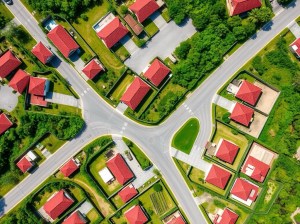
Buying land in the Philippines isn’t just about choosing a location—it’s about choosing the right type of lot that aligns with your purpose, budget, and long-term goals. Whether you’re building your dream home or securing a property for future investment, understanding the different residential lot types can mean the difference between a smooth construction process and costly regrets down the line.
Lot orientation, shape, frontage, and elevation don’t just affect price—they influence ventilation, privacy, resale value, and even construction costs. And in high-demand areas like Metro Manila, Rizal, Cavite, and Laguna, these details matter even more as available space tightens and prices continue to climb.
As of Q1 2025, residential land values in key zones are on the rise:
- In Metro Manila, residential lot prices have increased by an average of 6.8% year-on-year, led by areas in Quezon City and Las Piñas.
- Cavite and Laguna remain top choices for affordable lots near Metro Manila, with prices ranging from ₱12,000 to ₱25,000 per sqm, depending on subdivision and lot type.
- Rizal offers a growing number of sloping or view lots, particularly in Antipolo and San Mateo, appealing to both budget buyers and upscale homeowners.
The challenge? Not all lots are created equal—and choosing the wrong one for your intended use can lead to building restrictions, poor resale value, or limited functionality.
In this guide, we’ll break down the most common residential lot types in the Philippines, explain their pros and cons, and show where you can find each type in Metro Manila, Cavite, Rizal, and Laguna.
🔍 Explore residential listings by lot type at U-Property PH and discover which lot best fits your lifestyle or investment goals.
What Is a Residential Lot?
A residential lot in the Philippines refers to a parcel of land legally designated for residential use, meaning it’s zoned for the construction of houses, townhouses, or residential condominiums. According to the Philippine Zoning Ordinance and local government land-use plans, a residential lot must fall within areas classified as residential zones—which are subject to specific building codes, density limits, and development guidelines.
Under Presidential Decree No. 957 and BP 220 (for socialized and economic housing), residential lots are intended primarily for human habitation. They’re required to meet certain minimum lot sizes—typically 72 sqm for row houses under BP 220, and 120 sqm or more for single-detached units in more urbanized zones (depending on LGU standards).
Under Presidential Decree No. 957 and BP 220 (for socialized and economic housing), residential lots are intended primarily for human habitation. They’re required to meet certain minimum lot sizes—typically 72 sqm for row houses under BP 220, and 120 sqm or more for single-detached units in more urbanized zones (depending on LGU standards).
Residential vs Other Land Classifications
To avoid costly zoning mistakes, here’s how a residential lot differs from other land types:
| Land Type | Primary Use | Common Zoning Restrictions |
|---|---|---|
| Residential | Housing, residential buildings | Limited to dwellings; commercial use often restricted |
| Agricultural | Farming, agri-related operations | Requires reclassification before residential construction |
| Commercial | Businesses, shops, offices | High-traffic areas; limited or no residential use |
| Industrial | Factories, warehouses, logistics | Not safe or suitable for residential use |
Attempting to build a home on agricultural or industrial land without proper reclassification or zoning clearance can lead to permit denials or future demolition orders.
Key Attributes of a Residential Lot
When evaluating a residential lot, pay close attention to the following:
- Zoning Classification: Confirm the land is zoned residential under the LGU’s Comprehensive Land Use Plan (CLUP). This affects what you can legally build.
- Lot Size and Shape: Common sizes range from 100 to 250 sqm in subdivisions. Corner or irregular-shaped lots may offer more design flexibility but require creative planning.
- Location and Accessibility: Proximity to schools, transport, and commercial hubs can significantly increase lot value. Road right-of-way (RROW) should be at least 6 to 8 meterswide in most residential zones.
- Title Status and Survey Plan: Ensure the property is covered by a clean Transfer Certificate of Title (TCT) and has an approved Lot Plan from the DENR or LRA.
- Topography: Flat lots are easier and cheaper to build on, but sloping lots (common in Rizal or Laguna) can offer scenic views and higher resale value if well-developed.
With rising land values—especially in Metro Manila and growth corridors like Cavite and Laguna—it’s more important than ever to verify that a property is fully zoned for residential use before making any offer.
Types of Residential Lots in the Philippines
The shape, orientation, and position of a residential lot don’t just influence its construction feasibility—they directly impact cost, comfort, and resale value. In the Philippines, especially in fast-developing areas like Metro Manila, Cavite, Rizal, and Laguna, lot type is often a major factor behind pricing differences within the same subdivision.
Here’s a breakdown of the most common residential lot types buyers will encounter:
1. Regular Lot
Definition:
A rectangular or square-shaped lot with only one road frontage, typically positioned in between other regular lots.
Pros:
✔️ Easiest and most cost-efficient to build on
✔️ Optimized space for traditional floor plans
✔️ Found in nearly all residential subdivisions
Cons:
❌ Limited natural airflow compared to corner lots
❌ Less visibility and street presence
Ideal for:
First-time homebuyers, small families, and conservative investors looking for practical, build-ready land.
Estimated Price Range (2025):
- Metro Manila: ₱65,000 – ₱110,000 per sqm (e.g., Quezon City subdivisions)
- Cavite: ₱18,000 – ₱30,000 per sqm (e.g., General Trias, Dasmariñas)
- Rizal: ₱12,000 – ₱22,000 per sqm (e.g., Antipolo)
- Laguna: ₱15,000 – ₱28,000 per sqm (e.g., Nuvali area)
2. Corner Lot
Definition:
A lot located at the intersection of two streets, with dual road frontage.
Pros:
✔️ Excellent natural light and ventilation
✔️ More flexible for house design
✔️ High curb appeal; often considered prime locations
Cons:
❌ More expensive (typically 10–25% premium)
❌ Requires more fencing or landscaping
❌ Higher exposure to street noise
Ideal for:
Buyers who value accessibility, visibility, and architectural flexibility—especially for large family homes or home-business setups.
Estimated Price Range (2025):
- Metro Manila: ₱80,000 – ₱130,000 per sqm
- Cavite: ₱22,000 – ₱35,000 per sqm
- Rizal: ₱14,000 – ₱25,000 per sqm
- Laguna: ₱18,000 – ₱32,000 per sqm
3. Interior Lot
Definition:
A standard lot located in the middle of a block, bordered by other lots on both sides.
Pros:
✔️ More affordable than corner or cul-de-sac lots
✔️ Generally quieter, with less street traffic
✔️ Ideal for tight-knit subdivisions
Cons:
❌ Limited cross-ventilation
❌ Less natural light, especially if neighboring homes are high-walled
Ideal for:
Budget-conscious buyers or those prioritizing value per square meter over visibility.
Estimated Price Range (2025):
- Metro Manila: ₱58,000 – ₱95,000 per sqm
- Cavite: ₱16,000 – ₱28,000 per sqm
- Rizal: ₱11,000 – ₱20,000 per sqm
- Laguna: ₱14,000 – ₱26,000 per sqm
4. T-Intersection Lot (T-Junction or Dead-End)
Definition:
A lot located directly in front of a T-shaped road intersection, where oncoming traffic appears to “aim” at the property.
Pros:
✔️ Priced lower than similar-sized lots
✔️ May be converted into a design-forward lot with proper planning
✔️ Less competition when buying
Cons:
❌ Considered bad feng shui in local tradition
❌ Perceived as high-risk by some due to direct road alignment
Ideal for:
Investors or buyers not influenced by superstitions, looking for better land deals in otherwise expensive subdivisions.
Estimated Price Range (2025):
- Often 10–15% lower than regular lots in the same location
5. Flag Lot
Definition:
A lot located behind another, accessible only by a narrow private driveway or alley—like the shape of a flag on a pole.
Pros:
✔️ Offers more privacy and security
✔️ Often overlooked, making them less expensive
✔️ Minimal street noise
Cons:
❌ Can feel isolated
❌ May require shared driveway access (easement issues)
❌ Challenging for truck access or wide vehicles
Ideal for:
Buyers who want privacy over prominence—such as retirees, artists, or digital nomads.
Estimated Price Range (2025):
- Cavite & Rizal: ₱10,000 – ₱20,000 per sqm
6. Cul-de-sac Lot
Definition:
A lot located at the rounded end of a dead-end street, often forming a wedge or pie shape.
Pros:
✔️ Low traffic—great for kids and families
✔️ Quiet neighborhood vibe
✔️ Extra lot frontage and green space (depending on the layout)
Cons:
❌ Irregular shape may increase construction costs
❌ Limited access during emergencies
Ideal for:
Families with young children, retirees, or buyers looking for peaceful suburban living.
Estimated Price Range (2025):
- Metro Manila: ₱70,000 – ₱110,000 per sqm
- Laguna: ₱18,000 – ₱30,000 per sqm
7. Sloping Lot
Definition:
A lot that sits on an incline—either uphill, downhill, or across a hillside.
Pros:
✔️ Stunning views and natural drainage
✔️ Unique architectural opportunities (split-level homes, elevated balconies)
✔️ More affordable than flat lots in the same area
Cons:
❌ Higher construction cost due to retaining walls and grading
❌ More complex structural design and permitting
Ideal for:
Buyers looking to build custom homes with a view—especially in Antipolo, Tagaytay, or San Mateo.
Estimated Price Range (2025):
- Rizal Highlands: ₱10,000 – ₱18,000 per sqm
- Cavite (Amadeo/Tagaytay): ₱14,000 – ₱25,000 per sqm
Each lot type offers unique strengths depending on your goals. Whether you’re looking for a builder-friendly rectangle in Metro Manila or a hillside escape in Rizal, knowing these distinctions helps you make smarter real estate decisions—and negotiate better deals.
Where to Find These Lot Types: Key Areas Covered
Residential lots in the Philippines are not distributed evenly. Each province—and even each city—has its own topography, zoning trends, and development patterns that determine which types of lots are more common and in demand. Whether you’re looking for a starter lot in a suburban enclave or a premium corner lot in a gated village, knowing where to look saves you time and money.
Here’s a region-by-region breakdown based on current market listings and development trends across Metro Manila, Rizal, Cavite, and Laguna:
📍Metro Manila
Metro Manila is a landlocked megacity where available residential lots are increasingly scarce, and demand continues to drive prices upward.
Lot Types Commonly Found:
✅ Regular lots and corner lots dominate in gated subdivisions, particularly in Quezon City, Las Piñas, Parañaque, and Caloocan South.
✅ Interior lots are more affordable but rare in high-demand areas.
✅ T-junction and cul-de-sac lots exist in older enclaves like BF Homes, Greenwoods, and Filinvest areas.
Price Snapshot (Q2 2025):
- Regular lots: ₱65,000 – ₱110,000/sqm
- Corner lots: ₱80,000 – ₱130,000/sqm
- T-junction/interior: ₱55,000 – ₱95,000/sqm
🛑 Note: Most listings in Metro Manila are resale lots within existing subdivisions due to limited new land supply.
📍Rizal
Just east of Metro Manila, Rizal Province offers elevated terrain, green landscapes, and a mix of affordable and scenic lots.
Lot Types Commonly Found:
✅ Sloping lots and view lots are abundant in Antipolo, San Mateo, and Tanay, often within hillside subdivisions.
✅ Interior lots and flag lots are popular in newer mid-range subdivisions in Binangonan and Angono, priced for first-time homeowners.
Price Snapshot (Q2 2025):
- Interior lots: ₱10,000 – ₱20,000/sqm
- Sloping/view lots: ₱12,000 – ₱22,000/sqm
- Corner lots: ₱14,000 – ₱25,000/sqm
🌄 Best for: Buyers seeking peaceful, elevated settings with Metro Manila access.
📍Cavite
One of the most active real estate corridors south of Manila, Cavite offers a wide mix of lot types across its urban and semi-rural areas.
Lot Types Commonly Found:
✅ Flag lots and corner lots are typical in subdivisions in General Trias, Imus, and Bacoor, often tied to large-scale developers.
✅ Larger regular or irregular-shaped lots are common in Silang and Amadeo, ideal for farm-residential hybrid properties or vacation homes.
Price Snapshot (Q2 2025):
- Corner lots (General Trias/Bacoor): ₱20,000 – ₱35,000/sqm
- Flag/interior lots: ₱15,000 – ₱25,000/sqm
- Rural lots (Silang/Amadeo): ₱10,000 – ₱18,000/sqm
🌿 Hotspot: The Tagaytay Ridge corridor remains a favorite for sloping lots with cooler climate and future tourism value.
📍Laguna
Home to several masterplanned communities, Laguna offers strategic access to Metro Manila via SLEX and continues to attract both families and investors.
Lot Types Commonly Found:
✅ Cul-de-sac lots and sloping lots are prevalent in Nuvali, Calamba, and Santa Rosa, designed for peaceful, low-density living.
✅ Park-facing and corner lots are highly sought-after in premium developments by Ayala, Vista Land, and Filinvest.
Price Snapshot (Q2 2025):
- Park-facing/corner lots: ₱22,000 – ₱35,000/sqm
- Cul-de-sac/interior lots: ₱15,000 – ₱28,000/sqm
- Sloping/view lots (Nuvali South): ₱18,000 – ₱30,000/sqm
🌳 Best for: Families, professionals, and retirees seeking a balance of suburban calm and urban accessibility.
Whether you’re targeting a premium corner lot in Quezon City, a private flag lot in Bacoor, or a sloping view lot in Antipolo, knowing where each lot type thrives gives you an edge in choosing the best fit.
How to Choose the Right Lot Type for Your Needs
Choosing a residential lot isn’t just about location—it’s about alignment with your lifestyle, your construction goals, and how much you’re willing to invest today for long-term gain. In fast-growing markets like Metro Manila, Cavite, Rizal, and Laguna, picking the right type of lotcan significantly impact not only your upfront costs but also your resale value and future flexibility.
Here’s how to make a smart, well-informed choice:
1. Budget Considerations
Your lot type can swing your total investment by hundreds of thousands—or even millions—of pesos.
- Interior lots are typically the most affordable, especially in newly developed subdivisions.
- Corner lots and park-facing lots come with a premium, usually 10–25% higher than similar-sized interior lots.
- Sloping lots may seem cheaper at first glance (especially in Rizal and Tagaytay), but prepare for higher construction costs due to elevation work, retaining walls, or drainage design.
✅ Pro Tip: In Cavite, interior lots in General Trias start at ₱15,000/sqm, while corner lots in the same subdivision may hit ₱25,000–₱30,000/sqm.
2. Sun Orientation and Airflow
Lot orientation affects your home’s energy efficiency, interior comfort, and even your long-term utility bills.
- East-facing lots (morning sun) are preferred in the Philippines for cooler afternoons.
- North-south aligned lots promote cross-ventilation, crucial in tropical climates.
- Corner lots and cul-de-sac lots usually offer better airflow thanks to their open sides—but may also be more exposed to wind or heat if not designed well.
✅ Pro Tip: Ask for a site development map and check sun direction during your site visit—this can’t be changed after purchase.
3. Privacy vs Accessibility
There’s a direct trade-off between privacy and accessibility when it comes to lot types.
- Flag lots and cul-de-sac lots offer maximum privacy and minimal traffic—ideal for families with kids or those seeking quiet surroundings.
- Corner lots provide the best access and visibility, which is great for home-based businessesor larger households—but at the expense of more noise and passersby.
- Interior lots strike a balance: not too loud, not too isolated.
✅ Pro Tip: In Laguna’s Nuvali, cul-de-sac lots in low-density enclaves are now in high demand among urban professionals transitioning to suburban living.
4. Resale Value and Future Development
If you’re thinking long-term—or even planning to sell your property in a few years—the type of lot you choose can greatly affect resale appeal.
- Corner lots consistently hold high resale value, especially in urban and semi-urban centers like Quezon City and Bacoor.
- Park-facing lots or lots near future commercial centers often outperform in appreciation—buyers pay for access and ambiance.
- T-junction lots, though less expensive, can be harder to resell due to negative feng shui beliefs.
- Sloping lots with views in Antipolo or Tagaytay can fetch higher resale prices—but only if well-developed.
✅ Pro Tip: According to current trends (Q2 2025), lots near amenities and transport hubsin Cavite and Laguna have appreciated 8–12% annually, especially those with favorable orientation and corner placement.
The best lot isn’t always the most expensive—it’s the one that checks your personal boxes andpositions you well for the future.
Investment Potential of Different Lot Types
Not all residential lots are created equal when it comes to long-term investment. The lot type you choose today can either position you for capital growth—or limit your ability to resell, lease, or develop down the line. Understanding which types appreciate faster, where demand is heading, and how each type performs in key markets like Metro Manila, Cavite, Rizal, and Laguna gives you a real edge as a buyer or investor.
Let’s break it down by appreciation trends, resale potential, and development feasibility.
Which Lot Types Appreciate Faster?
Some lot types consistently outperform others in value appreciation—especially in urban and masterplanned areas where land is scarce.
- Corner Lots are investment magnets. Their visibility, dual frontage, and design flexibility drive both residential and commercial demand.
📊 In Quezon City, corner lots in gated subdivisions like Filinvest and Teachers Village have appreciated 12–15% over the last 5 years, outperforming regular lots by 3–4% annually.
- Park-facing Lots and lots near main access roads in Laguna (Nuvali) and Cavite (Vermosa)tend to see higher price jumps, especially as nearby infrastructure develops.
- Sloping Lots with Scenic Views, especially in Antipolo and Tagaytay, are seeing renewed interest from high-end buyers post-pandemic. With more people prioritizing lifestyle and natural surroundings, premium view lots are up 8–10% in value year-on-year in 2024–2025.
📊 Demand Trends by Region (2025)
| Region | High-Demand Lot Types | Driving Factors |
|---|---|---|
| Metro Manila | Corner & regular lots in subdivisions | Limited supply, resale demand, flexible use |
| Cavite | Flag lots, corner lots | Rapid suburbanization, improved road networks |
| Rizal | Sloping & view lots | Scenic views, elevated living post-pandemic |
| Laguna | Cul-de-sac & park-facing lots | Masterplanned living, family-oriented communities |
- In Cavite, demand for regular and corner lots in subdivisions near LRT-1 Cavite Extensionand CALAX is driving double-digit price growth.
- In Rizal, high-elevation sloping lots with Manila skyline views in Upper Antipolo are now commanding premiums of ₱18,000–₱22,000/sqm, up from just ₱12,000–₱15,000/sqm three years ago.
Which Lots Are Easier to Resell or Build On?
- Regular Lots are the easiest to build on and sell—thanks to their predictable layout, they appeal to the broadest market.
- Corner Lots attract both homeowners and small business owners looking to build with extra frontage.
- Cul-de-sac Lots are highly desirable for families seeking privacy and safety, especially in family-friendly subdivisions in Santa Rosa or Calamba.
Lots that are harder to resell:
- T-junction lots may face feng shui-related hesitation from local buyers.
- Flag lots can be harder to sell unless privacy is a top priority for the buyer segment.
- Sloping lots, while scenic, may deter budget buyers due to higher building costs unless already developed or designed with a custom home plan.
If you’re buying with investment in mind, prioritize:
- Corner lots in urban or developing corridors
- Park-facing or cul-de-sac lots in high-growth subdivisions
- Sloping view lots in lifestyle-driven locations like Antipolo or Tagaytay
- Regular lots in accessible, gated communities as reliable mid-term assets
Common Pitfalls to Avoid When Buying a Lot
Buying a residential lot in the Philippines can be one of the most rewarding investments you make—but only if you avoid the costly mistakes that catch many first-time and even seasoned buyers off guard. From natural hazards to legal missteps, certain pitfalls can turn what seems like a dream property into a long-term liability.
Here are the most critical red flags to watch out for before closing any deal:
1. Buying Near Fault Lines or Flood Zones
It’s easy to fall in love with a scenic or affordable lot—until you find out it’s located near a major fault line or sits in a flood-prone area.
- The Philippine Institute of Volcanology and Seismology (PHIVOLCS) has mapped active fault lines, including the West Valley Fault, which runs through parts of Quezon City, Pasig, Taguig, and Muntinlupa.
- The Metro Manila Flood Management Master Plan identifies Marikina, San Mateo, and low-lying areas in Bacoor and Santa Rosa as high-risk flood zones.
- Check the HazardHunterPH tool to verify the geological safety of any lot before committing.
🚫 Buying in these zones can mean: higher insurance costs, building restrictions, or even structural risks that affect resale value.
2. Not Verifying Zoning and Land Title
Zoning errors and incomplete titles are two of the most common—and most expensive—legal traps in residential land purchases.
- Some buyers unknowingly purchase agricultural or mixed-use lots and assume they can build a home, only to be blocked by zoning ordinances.
- Others fall victim to fake titles, double sales, or inherited land disputes.
Before paying any reservation fee, verify:
- Zoning classification from the LGU (Local Government Unit)
- Clean Transfer Certificate of Title (TCT) under the seller’s name
- Updated Tax Declaration
- Lot plan with approved survey from the LRA or DENR
🛑 If a lot is labeled “residential” by the developer but isn’t zoned accordingly by the LGU, you’re exposed to legal risk and delays.
3. Overpaying for ‘Premium’ Orientation Without Clear Benefit
Just because a lot is labeled “premium” doesn’t mean it’s worth the markup.
- Corner lots, park-front lots, and east-facing lots often carry price premiums of 10–25%—but that added value only makes sense if it aligns with your lifestyle or resale strategy.
- Buyers sometimes overpay for orientation or location perks (e.g., next to a main road) that don’t suit their long-term use or actually reduce privacy.
✅ Do your homework:
- Compare the price per sqm of premium vs. regular lots in the same subdivision.
- Ask: Will I use this advantage? For example, a park-facing lot is great for families but may not matter if you’re building a rental or plan to resell.
Always cross-reference lot features with real use, legal compliance, and your actual goals. Emotional decisions—especially in high-pressure tripping or site visits—can lead to overcommitment and regret.
Legal and Documentation Checklist
Before you sign anything—or even reserve a residential lot—you need to ensure that all legal documents are in order. In the Philippines, land transactions can quickly become complicated if you fail to verify ownership, zoning, or tax obligations. Whether you’re buying a lot in Metro Manila, Cavite, Rizal, or Laguna, skipping due diligence can cost you years of headaches and potentially millions in losses.
Here’s a must-follow legal checklist for buying residential lots:
1. Transfer Certificate of Title (TCT)
- This is the most critical document—it proves legal ownership of the land.
- Ensure the TCT is “clean”: free of liens, encumbrances, annotations, or pending disputes.
- The seller’s name must match government-issued IDs and the title must be registered with the Registry of Deeds.
✅ Pro Tip: Request a Certified True Copy of Title from the Registry of Deeds to confirm authenticity. Double-check the lot number and boundaries with the site plan.
2. Latest Tax Declaration
- Issued by the Municipal Assessor’s Office, this shows the declared value of the property for real estate tax purposes.
- Ensure the taxes are up to date—ask for official receipts as proof of payment.
🛑 If the tax declaration is outdated or still under a previous owner’s name, that’s a red flag.
3. Zoning Clearance and Land Use Verification
- Confirm that the lot is classified as residential under the LGU’s Comprehensive Land Use Plan (CLUP).
- Zoning affects what you can legally build—agricultural or mixed-use land may require reclassification.
- For subdivisions, ask for the developer’s HLURB or DHSUD license to sell and subdivision approval.
🧠 Buyers often assume that a “residential-looking” lot is zoned accordingly—don’t make that mistake.
4. Lot Plan and Survey Documents
- Make sure the property has a Subdivision Plan or Approved Lot Plan from the DENR or LRA.
- If it’s a raw lot or irregular-shaped parcel, request a Relocation Survey or Geodetic Engineer’s report to avoid boundary disputes.
5. Secure Professional Assistance
Real estate documentation in the Philippines is not always straightforward, especially for buyers dealing with estate properties, informal sellers, or pre-owned lots in older subdivisions.
That’s why you need a real estate broker who understands the zoning laws, title verification, and LGU processing in your target area.
📌 Buying a lot in Cavite, Rizal, Laguna, or Metro Manila?
🧭 We can assist you with title checks, zoning validation, and negotiation support.
📞 Contact a broker now through U-Property PH and avoid costly mistakes before signing anything.
Legal clarity isn’t optional—it’s your foundation. Make sure your dream lot comes with clean papers, clear boundaries, and zero surprises.
FAQs About Residential Lots in the Philippines
Here are quick, no-fluff answers to some of the most common questions buyers ask when exploring residential lots across Metro Manila, Cavite, Rizal, and Laguna.
Can foreigners buy residential lots in the Philippines?
🛑 No, foreigners cannot directly own land in the Philippines. However, they can legally:
- Own condominium units (up to 40% of a project)
- Lease land for up to 50 years (renewable for 25 more)
- Acquire land through a Philippine spouse (with safeguards in place)
✅ Some foreigners also set up corporations (60% Filipino-owned) as a vehicle for land acquisition—but this requires legal guidance.
How much is a typical residential lot in Cavite?
As of Q2 2025, residential lot prices in Cavite vary by location and lot type:
| Area | Interior Lot | Corner Lot |
|---|---|---|
| General Trias | ₱15,000 – ₱22,000/sqm | ₱22,000 – ₱30,000/sqm |
| Bacoor/Imus | ₱18,000 – ₱28,000/sqm | ₱25,000 – ₱35,000/sqm |
| Silang/Amadeo (rural) | ₱10,000 – ₱16,000/sqm | ₱16,000 – ₱22,000/sqm |
Is a corner lot worth the premium?
✅ Yes—for the right buyer.
Corner lots typically cost 10–25% more than interior lots, but the benefits include:
- Better natural ventilation and lighting
- Increased design flexibility
- Higher resale value and visibility
- Suitable for home-based businesses or dual-access homes
📉 But if you’re on a strict budget and don’t need those features, a well-positioned regular lotmay offer better value per peso.
Are T-junction lots really bad luck?
According to feng shui, lots directly facing a road (where the road “points” at the house) are seen as unlucky due to “rushing energy.”
- These are called T-junction lots and are often avoided by traditional buyers.
- However, they’re typically 10–15% cheaper than nearby lots and can still be great investments if you’re not concerned with feng shui.
🏗️ Modern designs using landscaping, walls, or buffer zones can neutralize these beliefs—and unlock big savings.
What is the minimum lot size allowed for residential use?
The required minimum lot size depends on the housing category and governing regulation:
Under BP 220 (economic and socialized housing):
- Rowhouse: 32–72 sqm
- Single-detached: 64–120 sqm
Under PD 957 (medium- to high-end developments):
- Single-detached: 120 sqm and up
- Duplex or townhouses: 80–100 sqm minimum
🏘️ Some high-end subdivisions and LGUs (like in Nuvali or Quezon City) may enforce larger minimums, especially for corner lots or view lots.
Is buying a sloping lot a good idea?
✅ Yes—if you plan well.
Sloping lots offer:
- Elevated views (perfect in Antipolo, Tagaytay, or San Mateo)
- Better drainage and breeze exposure
- Lower upfront land cost vs. flat lots
⚠️ But take note:
- Expect higher construction costs due to grading, retaining walls, and structural support
- Requires a skilled architect and engineer familiar with split-level or hillside homes
If you’re building a custom home or retirement house, sloping lots can be highly rewarding.
Can I build right away after buying a residential lot?
🛠️ Only if the documents are 100% complete and you have the necessary permits.
Before starting construction, you need:
- Zoning clearance from the LGU
- Building permit from the municipal or city engineering office
- Architectural plans signed by a licensed architect
- Geodetic survey and updated lot plan
- HLURB/DHSUD clearance (for subdivision projects)
⏳ Timeline: Even with clean documents, processing permits can take 30–90 days or more, depending on the LGU.
Schedule a Viewing or Ask a Lot Expert
Looking for the perfect residential lot in Metro Manila, Rizal, Cavite, or Laguna? Whether you’re a first-time buyer, a seasoned investor, or planning your forever home—we’re here to guide you through every step.
🧭 From zoning checks to strategic location picks, we help you make the right move.
💼 Work with professional real estate brokers who know the ins and outs of each lot type, market price, and subdivision potential.
🔗 Book your free consultation now or explore curated listings by lot type at U-Property PH — where smart buyers find smarter real estate.



 U-Property PH
Leave a comment