

Three hours in traffic or thirty minutes on a train—that’s the difference MRT-7 promises to make. For millions of commuters traveling between Bulacan and Metro Manila, this railway isn’t just another infrastructure project. It’s a lifeline.
Stretching from San Jose del Monte in Bulacan to North Avenue in Quezon City, MRT-7 is designed to carry over 300,000 passengers daily once fully operational. That means less time stuck in bottlenecks along Commonwealth Avenue and more time where it matters—at work, with family, or building opportunities.
But the stakes go beyond shorter commutes. MRT-7 is a catalyst for urban growth, expected to push property values up along its corridor, stimulate new business districts, and ease Metro Manila’s notorious congestion. In short, it’s not just steel tracks and concrete stations. It’s a blueprint for reshaping the way Filipinos live, move, and invest in the years ahead.
Project Overview: MRT-7 at a Glance
The Metro Rail Transit Line 7 (MRT-7) is one of the Philippines’ most ambitious infrastructure projects, designed to connect San Jose del Monte, Bulacan to North Avenue, Quezon City. Spanning 22 kilometers with 14 stations, the line is envisioned to serve as a critical north-south backbone, linking suburban Bulacan communities directly to Metro Manila’s urban core.
At full capacity, MRT-7 is projected to carry up to 300,000 passengers daily, drastically cutting travel times. A trip that currently takes over three hours by bus or jeepney between Bulacan and Quezon City could soon be reduced to just 35 minutes.
As of mid-2025, the Department of Transportation (DOTr) reported that construction is nearing the 65–70% completion mark, with partial operations expected by late 2025 and full completion by 2027, subject to resolution of right-of-way and utility relocation challenges. Recent updates from government officials highlight that test runs of the first set of train cars are already underway, signaling real progress after years of delays.
The project is a public-private partnership led by San Miguel Corporation (SMC) through its infrastructure arm, in coordination with the Department of Transportation (DOTr) and local government units along the alignment. Together, they aim to deliver not just a railway, but a long-term solution to the chronic congestion along Commonwealth Avenue and a catalyst for growth in the northern periphery of Metro Manila.
2016
➡️
Groundbreaking
2019–2020
➡️
Major construction starts
2021
⬇️
First train sets delivered from South Korea
2027
🔳
Expected full completion
2025
⬅️
Target for partial operations
2023
⬅️
Civil works accelerate; right-of-way issues partly resolved
Why MRT-7 Matters More Than You Think
MRT-7 is more than just a new rail line—it’s a project designed to reshape how Filipinos move, work, and build opportunities. Its impact ripples across daily life, business, the economy, and even the environment.
For Daily Commuters
For decades, traveling between Bulacan and Quezon City has meant braving hours of gridlock along Commonwealth Avenue. MRT-7 offers a direct fix. What once took two to three hours by bus or jeepney could soon be a 35-minute train ride. This isn’t just about speed—it’s about quality of life.
Commuters will spend less time stuck in traffic and more time at home, at work, or with family. The project also eases dependence on buses, jeepneys, and UV Express vans that currently dominate the Bulacan-to-Manila corridor, reducing both the cost and stress of daily travel. For millions of Filipinos, MRT-7 is a ticket to reclaiming their time.
For Businesses & Investors
MRT-7 isn’t just a transit project—it’s a strategic catalyst for economic transformation. By connecting San Jose del Monte in Bulacan to Quezon City, it unlocks previously underserved areas, making them more accessible and attractive for both residential and commercial developments.
Property Value Appreciation: According to Leechiu Property Consultants, property values in North Caloocan, Novaliches, and San Jose del Monte are expected to appreciate significantly as MRT-7 nears completion. The enhanced accessibility is anticipated to stimulate demand for housing and business locations, driving urban expansion and boosting local economies.
Investment Opportunities: Real estate developers and investors are already capitalizing on the MRT-7’s potential. In San Jose del Monte, major developers have secured land in anticipation of the project’s completion, aiming to develop residential communities and commercial hubs that cater to the growing demand.
Strategic Developments: Properties within a kilometer of MRT-7 stations are particularly valuable. Quezon City’s expanding transport network, including MRT-7, is expected to enhance real estate value, offering long-term growth for investors and improving livability for residents.
Infrastructure Synergy: MRT-7’s integration with other major transit lines, such as MRT-3, LRT-1, and the upcoming Metro Manila Subway, amplifies its impact. The Unified Grand Central Station, set to connect these lines, is poised to become a major catalyst for urban growth, further elevating property values in the surrounding areas.
For the Economy
Beyond the immediate benefits, MRT-7 carries long-term economic weight. Construction has already generated thousands of jobs, from engineers and construction workers to suppliers and subcontractors. Once operational, the system will continue to employ a large workforce to manage, maintain, and expand operations.
Improved connectivity also boosts productivity across the region. Fewer hours lost in traffic translate to more efficient labor, increased consumer spending, and ultimately, higher economic output. Economists view mass transit not as a cost, but as an investment—one that pays dividends in GDP growth for decades to come.
For the Environment
Metro Manila’s traffic problem is also an environmental crisis. Cars, buses, and jeepneys contribute heavily to carbon emissions and urban air pollution. MRT-7 tackles this head-on by shifting commuters from road-based vehicles to a cleaner, electric-powered rail system.
The result? Fewer vehicles on Commonwealth Avenue, less congestion, and lower carbon output. The project aligns with broader sustainability goals, offering a scalable model for greener urban transport in the Philippines. In a city where smog often feels like a permanent fixture, MRT-7 represents a rare chance to breathe easier.

3 hours → 35 minutes
300,000 passengers daily
22 km, 14 stations
MRT-7 Stations and Coverage
MRT-7 is set to transform the northern Metro Manila and Bulacan landscape with its 22-kilometer stretch and 14 strategically placed stations. Here’s a comprehensive look at each station, highlighting key hubs and planned interconnections:
1. North Avenue (Quezon City)
- Description: Located at the northern terminus, this station offers seamless integration with MRT-3, LRT-1, and the Metro Manila Subway at the Unified Grand Central Station.
- Nearby Landmarks: SM North EDSA, Trinoma Mall, Quezon Memorial Circle.
- Planned Interconnections: Unified Grand Central Station connecting MRT-3, LRT-1, MRT-7, and the Metro Manila Subway.
2. Quezon Memorial Circle
- Description: Situated near the iconic Quezon Memorial Circle, this station serves as a central hub for various bus routes.
- Nearby Landmarks: Quezon Memorial Circle, Quezon City Hall.
- Planned Interconnections: Bus terminals connecting to various parts of Quezon City.
3. University Avenue
- Description: Located near academic institutions, this station caters to students and faculty.
- Nearby Landmarks: University of the Philippines Diliman, Philippine Coconut Authority (PhilCOA), Commission on Human Rights.
4. Tandang Sora
- Description: Named after a national hero, this station serves the residential areas along Commonwealth Avenue.
- Nearby Landmarks: Iglesia ni Cristo Central Temple, New Era University, Net 25 TV studios.
- Planned Interconnections: Tandang Sora bus route.
5. Don Antonio
- Description: Serving the bustling commercial area, this station provides easy access to shopping centers.
- Nearby Landmarks: Ever Gotesco Commonwealth, Shopwise Commonwealth.
- Planned Interconnections: Bus routes from Ever Gotesco and Quezon City’s City Bus via Route 2.
6. Batasan
- Description: Located near government offices, this station facilitates access to public institutions.
- Nearby Landmarks: Sandiganbayan Centennial Building, Public Attorneys Office Building, Batasan Pambansa Complex.
- Planned Interconnections: Bus routes and Quezon City Bus Service via Route 2.
7. Manggahan
- Description: The only at-grade station in the MRT-7 line, providing street-level access.
- Nearby Landmarks: Commonwealth Public Market, Litex Public Market, Commonwealth High School.
- Planned Interconnections: Manggahan Bus Route and Quezon City Bus Service via Route 2.
8. Doña Carmen
- Description: Serving the residential community, this station is strategically placed along Commonwealth Avenue.
- Nearby Landmarks: Doña Carmen Subdivision, Puregold North Commonwealth, Wilcon Depot Fairview.
- Planned Interconnections: Puregold Bus Route.
9. Regalado Avenue
- Description: Catering to the educational and commercial sectors, this station is situated in Fairview.
- Nearby Landmarks: Fairview Center Mall, National College of Business and Arts, Far Eastern University–Nicanor Reyes Medical Foundation.
- Planned Interconnections: Bus routes via Fairview Center Mall.
10. Mindanao Avenue
- Description: Located near major shopping centers, this station enhances accessibility to retail hubs.
- Nearby Landmarks: SM City Fairview, Fairview Terraces, Robinsons Novaliches.
- Planned Interconnections: Bus routes in SM Fairview via Nova Stop.
11. Quirino Avenue
- Description: Serving the residential areas, this station provides convenient access to surrounding communities.
- Nearby Landmarks: Residential subdivisions along Quirino Avenue.
- Planned Interconnections: Local bus routes serving the area.
12. Sacred Heart
- Description: Adjacent to the MRT-7 Depot, this station serves the northernmost communities.
- Nearby Landmarks: Sacred Heart Villages, Sacred Heart Novitiate and Retreat House.
- Planned Interconnections: Bus routes in Amparo.
13. Tala
- Description: Located in Caloocan City, this station serves the residential areas in the vicinity.
- Nearby Landmarks: Residential communities in Tala, Caloocan.
- Planned Interconnections: Local bus routes serving the area.
14. San Jose del Monte
- Description: The southern terminus of MRT-7, this station connects commuters from Bulacan to Metro Manila.
- Nearby Landmarks: Residential communities in San Jose del Monte.
- Planned Interconnections: Bus routes connecting to other parts of Bulacan.
Planned Interconnections

MRT-7 is designed to integrate seamlessly with other major transit lines, enhancing connectivity across Metro Manila and beyond:
- MRT-3: At the Unified Grand Central Station, passengers can transfer between MRT-7 and MRT-3, facilitating smooth travel across the metro. ()
- LRT-1: Also connected at the Unified Grand Central Station, providing access to the western parts of Metro Manila.
- Metro Manila Subway: The Unified Grand Central Station will serve as a hub linking MRT-7 with the Metro Manila Subway, allowing passengers to traverse the metro efficiently.
- EDSA Busway: Through the EDSA Carousel, passengers can transfer to various bus routes, enhancing last-mile connectivity.
- Quezon City Bus Service: Routes 4 and 8 will connect to MRT-7 stations, facilitating easy access to and from different parts of Quezon City.
Timeline and Construction Challenges
MRT-7’s journey from blueprint to reality has been marked by ambitious targets, unexpected hurdles, and critical lessons learned from earlier rail projects. Understanding this timeline and the challenges faced offers insight into both the progress achieved and what still lies ahead.
Original vs. Current Timeline
Initially approved in 2010, the MRT-7 project was expected to be operational by 2017–2018. Multiple delays pushed the timeline back, primarily due to right-of-way issues and complex engineering requirements. As of mid-2025, authorities project partial operations by late 2025 with full completion around 2027, marking nearly a decade of adjustments from the original plan.
Right-of-Way Acquisition Issues
Acquiring the necessary land for MRT-7 stations and tracks proved one of the most significant bottlenecks. Negotiations with private landowners, relocation of informal settlements, and disputes over property valuations slowed construction considerably. Even with government intervention, some areas required lengthy legal processes to secure clearance, demonstrating the complexity of urban infrastructure projects in dense metropolitan and suburban areas.
Engineering Complexities & Relocation of Utilities
Constructing an elevated railway through a heavily populated corridor introduced numerous technical challenges. Engineers had to work around existing roads, bridges, and utility lines, including power, water, and telecom infrastructure. Relocating these utilities without disrupting daily life required meticulous planning and coordination between contractors, utility companies, and local government units.
Lessons from MRT-3 Delays and Maintenance Woes
Past experience from MRT-3 underscores the importance of proactive planning for operations and maintenance. MRT-7 has applied these lessons by:
- Implementing more robust quality-control standards for rail tracks and train sets.
- Designing stations and systems with easier access for future maintenance.
- Scheduling realistic construction milestones, taking into account potential delays rather than relying solely on aggressive targets.
By learning from prior mistakes, MRT-7 aims not only to meet its revised timeline but also to ensure a sustainable, reliable operation once the trains start running.
🛤️ MRT-7 Project Timeline: From Groundbreaking to Operations
📅 Key Milestones
- 2010: Project approved; initial plans set in motion.
- 2016: Soil testing and surveying conducted; Hyundai Rotem and EEI Corporation selected as contractors.
- April 20, 2016: Official groundbreaking ceremony led by President Benigno Aquino III.
- August 15, 2017: Construction officially begins on the 22.8 km line.
- October 7, 2017: Groundbreaking for Batasan station.
- January 22, 2018: Construction of station and rail track along North Avenue commences.
- November 26, 2019: Depot construction begins after land acquisition issues are resolved.
- May 31, 2022: Depot construction officially starts in Barangay Greater Lagro, Quezon City.
- April 14, 2023: Pre-construction works along West Avenue commence.
- June 2024: Right-of-way issues in San Jose del Monte continue to cause delays.
- August 2025: Civil works for final stations to begin; full operations expected by 2027.
⚠️ Major Challenges
- Right-of-Way (RoW) Acquisition: Securing land for stations and tracks, especially in San Jose del Monte, has been a significant hurdle.
- Utility Relocation: Moving existing utilities without disrupting services posed engineering challenges.
- Engineering Complexities: Constructing an elevated railway through densely populated areas required innovative solutions.
- Legal and Bureaucratic Delays: Court cases and administrative hurdles slowed progress.
Real Estate and Urban Development Impact
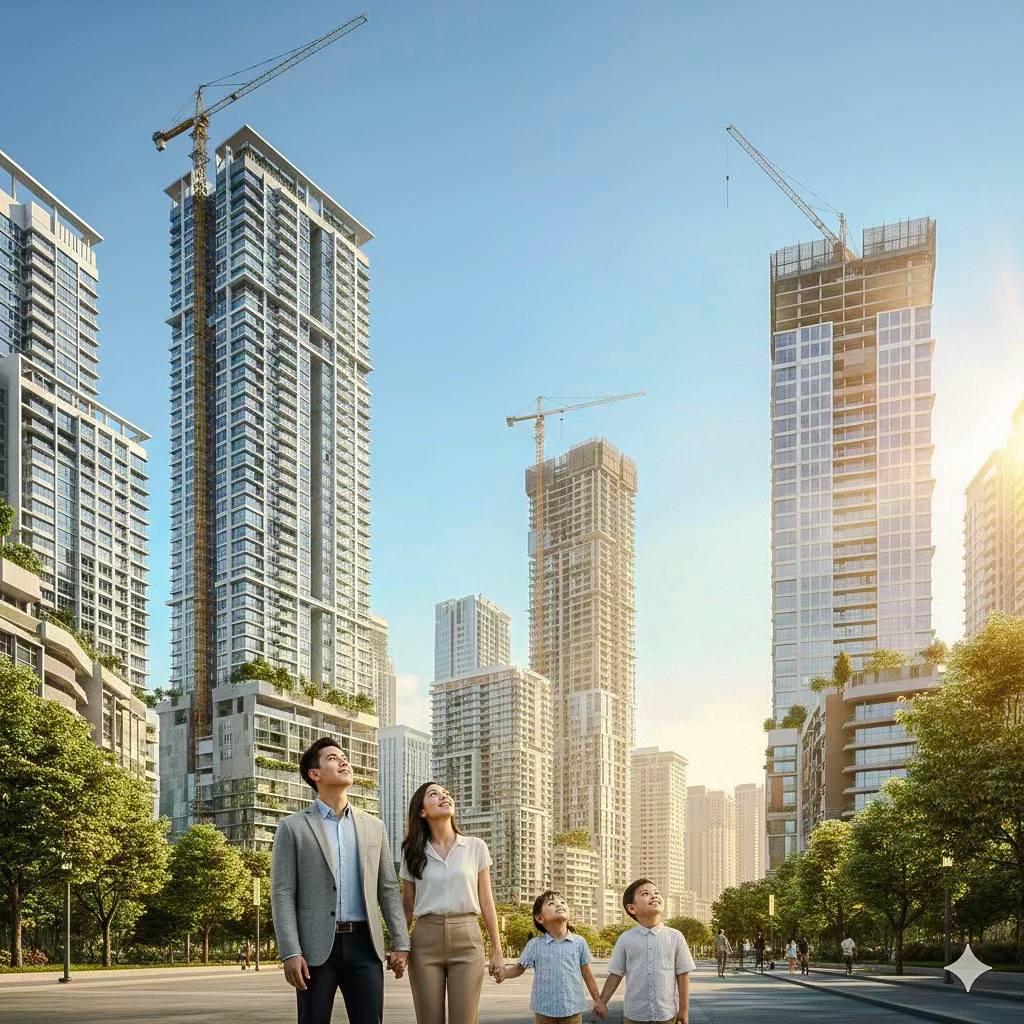
MRT-7 is not just a transportation project—it’s a catalyst for real estate growth and urban development along its corridor. Its construction and eventual operation are set to transform both residential and commercial landscapes in Bulacan and northern Metro Manila.
Property Value Surge Along Bulacan and Quezon City Corridor
Properties near MRT-7 stations are already showing early signs of appreciation. According to real estate analysts, residential lots and condominiums within a 1–2 km radius of stations are likely to see significant value increases once the line is operational. This surge is driven by improved accessibility, reduced commuting time, and the increasing desirability of transit-oriented communities.
Mixed-Use Developments Around Future Station Hubs
Developers are planning integrated communities combining residential, retail, and office spaces near MRT-7 stations. These mixed-use hubs offer convenience for residents and businesses alike, fostering lifestyle-centric neighborhoods where living, working, and shopping are all within reach.
Suburban Expansion Potential in Bulacan
Bulacan is poised to experience suburban growth as the MRT-7 makes commuting to Metro Manila faster and easier. Areas previously considered remote are becoming prime candidates for residential projects, townships, and leisure developments. This expansion not only benefits developers but also diversifies housing options for residents seeking more affordable alternatives to central Metro Manila.
Office and Retail Growth Prospects
Commercial opportunities along the MRT-7 corridor are set to flourish. Retail centers, office spaces, and service-oriented businesses are strategically positioning themselves near stations to capitalize on increased foot traffic. For investors, this represents a high-potential corridor for both rental income and capital appreciation.
Notable Real Estate Projects Along MRT-7
Moldex New City, San Jose del Monte, Bulacan
A master-planned community offering residential lots and house-and-lot packages. The development is strategically located near the San Jose del Monte station, enhancing its appeal to prospective homeowners seeking accessibility and modern amenities.
Eminenza Residences 3, San Jose del Monte, Bulacan
A residential development offering single-attached houses. Priced at ₱5.8 million, these units are situated near the future MRT-7 station, making them attractive to buyers looking for affordable housing options with convenient transit access.
Bria Homes, San Jose del Monte, Bulacan
A subdivision offering affordable housing options. Bria Homes is capitalizing on the anticipated increase in property values due to the MRT-7, providing budget-friendly homes for families seeking proximity to Metro Manila.
The Erin Heights, Quezon City
A pre-selling high-rise condominium development by DMCI Homes, located at the corner of Commonwealth Avenue and Tandang Sora Avenue. The project is expected to benefit from its proximity to the under-construction MRT-7 Tandang Sora Station, offering future residents enhanced connectivity and convenience.
One Delta Terraces, Quezon City
A pre-selling condominium project located near multiple railway lines, including MRT-3, MRT-7, LRT-1, and the Metro Manila Subway. This strategic location positions One Delta Terraces as a prime investment opportunity for those seeking accessibility across the metro.
Commuter Experience: What Riders Can Expect
MRT-7 is designed to provide a comfortable, efficient, and safe ride for thousands of commuters daily, combining modern train technology with passenger-friendly features.

Modern Train Features
Passengers will enjoy air-conditioned, automated trains equipped with advanced safety and monitoring systems. CCTV cameras, emergency intercoms, and automated train control ensure a secure journey. Wide windows and ergonomic seating enhance comfort while providing a pleasant, well-lit environment.
Capacity and Frequency
MRT-7 trains are engineered to handle up to 1,200 passengers per train, with estimated headways of 4–6 minutes during peak hours. This frequency ensures minimal waiting time, allowing commuters to move quickly along the 22-kilometer corridor.
Ticketing and Cashless Integration
The system will utilize Beep cards, aligning with existing Metro Manila rail networks, and may eventually adopt QR-based mobile payments, making fare collection seamless and reducing queues at ticket counters. The integration supports cashless travel and a smoother passenger flow.
Accessibility
Stations are designed to be fully accessible, featuring elevators, ramps, tactile guides for the visually impaired, and wide walkways for easier navigation. Platform-edge doors, clear signage, and dedicated seating for PWDs, senior citizens, and pregnant women further enhance safety and convenience.
Comparing MRT-7 with Other Mega Projects
MRT-7 is part of a larger network of infrastructure projects transforming Metro Manila’s transit landscape. Comparing it with existing and upcoming systems shows how it fits into the bigger picture.
MRT-7 vs MRT-3
- Capacity: MRT-7 trains are designed to carry up to 1,200 passengers per train, while older MRT-3 trains handle around 1,100 passengers per train.
- Route: MRT-7 spans San Jose del Monte to North Avenue (22 km, 14 stations), connecting northern Bulacan to Quezon City. MRT-3 runs North Avenue to Taft Avenue (16.9 km, 13 stations) along EDSA.
- Technology: MRT-7 features modern rolling stock with automated train control, full air-conditioning, and platform-edge doors—advancements over MRT-3’s older system, which faces frequent maintenance issues.
MRT-7 vs LRT-1 Cavite Extension
- Purpose: LRT-1 Cavite Extension primarily serves southern Metro Manila, easing congestion along Taft Avenue, while MRT-7 targets the northern corridor.
- Integration: Both systems aim to reduce traffic along major thoroughfares, but MRT-7 complements LRT-1 by connecting areas that were previously underserved by rail.
MRT-7 vs Metro Manila Subway
- Scale and Technology: The Metro Manila Subway is underground and fully automated, designed for high-volume urban transit. MRT-7 is elevated and partially automated but serves a longer suburban route.
- Connectivity: MRT-7 links to the Unified Grand Central Station, providing transfer points to the Subway, MRT-3, and LRT-1, creating a cohesive network.
Key Takeaways: Integration Is the Goal
While each system serves different corridors, the overarching goal is seamless integration. MRT-7 isn’t just a standalone line—it’s a connector, reducing travel times, easing congestion, and supporting urban expansion by linking northern suburbs to central Metro Manila. The synergy between MRT-7, MRT-3, LRT-1, and the Metro Manila Subway creates a comprehensive, multi-modal transport ecosystem.
| Feature / System | MRT-7 | MRT-3 | LRT-1 Cavite Extension | Metro Manila Subway |
|---|---|---|---|---|
| Route / Length | San Jose del Monte → North Avenue (22 km, 14 stations) | North Avenue → Taft Avenue (16.9 km, 13 stations) | Baclaran → Niog, Cavite (~11.7 km, 8 stations) | Mindanao Avenue → FTI, Taguig (36 km, 15+ stations planned) |
| Type | Elevated, partially automated | Elevated, manual/older automation | Elevated, manual/older automation | Underground, fully automated |
| Capacity per Train | ~1,200 passengers | ~1,100 passengers | ~1,000–1,200 passengers | ~1,500 passengers (planned) |
| Travel Time (End to End) | ~35–40 minutes | ~45–50 minutes | ~25–30 minutes | ~50 minutes (planned) |
| Technology / Features | Air-conditioned, platform-edge doors, modern rolling stock, automated train control | Older trains, air-conditioned, manual signaling, frequent maintenance | Air-conditioned, older rolling stock, partial automation | Fully automated, modern trains, advanced safety systems |
| Key Interconnections | MRT-3, LRT-1, Metro Manila Subway at Unified Grand Central Station | LRT-1 at Taft Avenue | MRT-3 (via LRT-1) | MRT-7, future lines at transfer hubs |
| Primary Corridor Served | Northern Metro Manila → Bulacan | EDSA corridor | Southern Metro Manila → Cavite | Metro Manila east-west corridor |
Looking Ahead: MRT-7 and the Future of Metro Manila Transport
MRT-7 is poised to reshape Northern Metro Manila and Bulacan, not just by providing faster commutes but by acting as a catalyst for economic and urban transformation.
Expected Economic Transformation
Once operational, MRT-7 is projected to stimulate commercial growth and real estate development along its corridor. Northern Metro Manila and Bulacan are likely to see new business districts, mixed-use communities, and lifestyle hubs, which will attract both investors and residents. The line will help decentralize economic activity, easing pressure on central business districts while generating local employment opportunities.
Integration with the “Build Better More” Agenda
MRT-7 aligns seamlessly with the Philippine government’s “Build Better More” infrastructure agenda, aimed at expanding mobility, promoting inclusive growth, and enhancing connectivity across regions. By linking underserved northern suburbs with Metro Manila’s urban core, the project reinforces a national strategy of integrated, multi-modal transport development.
Calls for Sustainable Operations & Long-Term Maintenance
For MRT-7 to deliver on its promise, sustainability is key. Authorities and stakeholders emphasize robust operations and preventive maintenance programs, drawing lessons from older rail lines like MRT-3. Priorities include:
- Ensuring train reliability and minimal downtime.
- Implementing eco-friendly practices, such as energy-efficient systems and rainwater management at stations.
- Strengthening staff training and emergency protocols to maintain safety standards over the long term.
“MRT-7 is more than a railway; it’s a backbone for inclusive economic growth and a model for sustainable urban transport in the Philippines.”
– DOTr / San Miguel Corporation
Conclusion: A Railway That Redefines the City
MRT-7 is more than just a transit line—it’s a transformative force reshaping how Metro Manila and Bulacan connect, work, and live. By reducing commute times, enabling suburban growth, and stimulating economic development, this railway stands as a symbol of progress and modern urban planning.
Share Your Thoughts
We want to hear from you: Are you ready for faster, easier, smarter commuting? Join the conversation and share your insights on MRT-7’s impact on your daily life, real estate decisions, or business opportunities.





 U-Property PH
Leave a comment