

Airbnb has transformed the way people travel and invest in Metro Manila. In 2024, the Philippines welcomed over 5.45 million international visitors according to the Department of Tourism, with Metro Manila being a top gateway and destination. That number is projected to climb further in 2025 as business travel rebounds, new infrastructure projects improve accessibility, and domestic tourism continues to thrive. This surge has fueled demand for short-term rentals—ranging from affordable studios to high-end luxury units—making Airbnb in Metro Manila one of the most attractive investment opportunities today.
But here’s the catch: not all properties perform equally. The type of unit you choose directly impacts occupancy, nightly rates, and ultimately your return on investment (ROI). A studio condo in BGC may enjoy consistent bookings from digital nomads, while a townhouse in Quezon City might thrive on weekend staycations for families and groups. Identifying the most profitable property types for Airbnb in Metro Manila ensures your investment is not just trendy, but sustainable and income-generating in the long run.
This guide is written for real estate investors, homeowners considering short-term rentals, and professionals looking to diversify into Airbnb investment in the Philippines.Whether you’re exploring your first listing or scaling your portfolio, you’ll find data-driven insights and practical tips to help you choose the right property and maximize profitability.
Key Factors That Drive Airbnb Profitability in Metro Manila
Not every property in Metro Manila is Airbnb gold. The profitability of a unit depends on several interconnected factors that shape guest demand, pricing power, and occupancy. Understanding these will help investors make smarter choices and avoid costly missteps.
Location and Accessibility
Metro Manila’s short-term rental market is highly location-driven. Properties in central business districts like BGC, Makati, and Ortigas consistently achieve higher occupancy rates and stronger nightly pricing because they attract corporate travelers, digital nomads, and international tourists. Meanwhile, residential hubs such as Quezon City and Pasig thrive on local demand—particularly families and groups booking staycations over weekends or holidays.
Accessibility also makes a difference. Condos or homes near NAIA, MRT/LRT stations, major highways, and large malls (e.g., SM Megamall, Greenbelt, Uptown Mall) enjoy greater visibility and convenience, factors that often translate into repeat bookings and higher guest satisfaction.
Property Size and Layout
The unit’s size dictates who you attract and how much you can charge.
- Studios: Affordable, high-turnover units perfect for solo travelers and couples.
- One-Bedroom Units: The sweet spot for corporate clients and longer stays.
- Multi-Bedroom Homes: Less frequent bookings but larger group reservations, often yielding higher gross revenue per stay.
Investors should match layout to target guest profiles, rather than defaulting to size alone.
Amenities and Building Features
In Metro Manila, amenities are not luxuries—they’re deal-makers. Guests filter listings based on pools, gyms, and reliable high-speed WiFi. Secure parking adds appeal, especially in car-dependent areas. Some buildings even restrict or discourage short-term rentals; those with Airbnb-friendly policies and full amenities command stronger bookings and premium rates.
Guest Demographics and Target Markets
Different guests have different needs, and your property’s success depends on aligning with their expectations:
- Business Travelers: Demand CBD locations with professional amenities.
- Digital Nomads: Prioritize reliable internet and work-friendly spaces.
- Medical Tourists: Favor proximity to hospitals like St. Luke’s or Makati Medical Center.
- Families and Groups: Seek larger homes or townhouses for bonding weekends.
- OFWs Returning Home: Book extended stays, often preferring serviced apartments or multi-bedroom condos.
Catering to these segments requires intentional property design and marketing.
Legal and Regulatory Considerations
Profitability isn’t just about occupancy—it’s about compliance. Airbnb hosts in Metro Manila often need Barangay clearance, building or homeowners’ association approval, and in some cases, DOT accreditation if they operate at scale.
Regulations on short-term rentals are tightening worldwide, and the Philippines is no exception. Some condo associations strictly ban Airbnb, while others allow it under specific guidelines. Investors must factor in these rules before purchasing; otherwise, they risk fines or forced delistings. The government has also signaled plans to formalize short-term rental regulations, which could affect how Airbnb businesses operate in the near future.
Top 5 Most Profitable Property Types for Airbnb in Metro Manila
Profitability in Airbnb isn’t random—it’s tied to how well a property type matches the needs of Metro Manila’s travelers. Based on market demand, guest preferences, and investment performance, these are the five property types delivering the strongest Airbnb returns in the capital region.
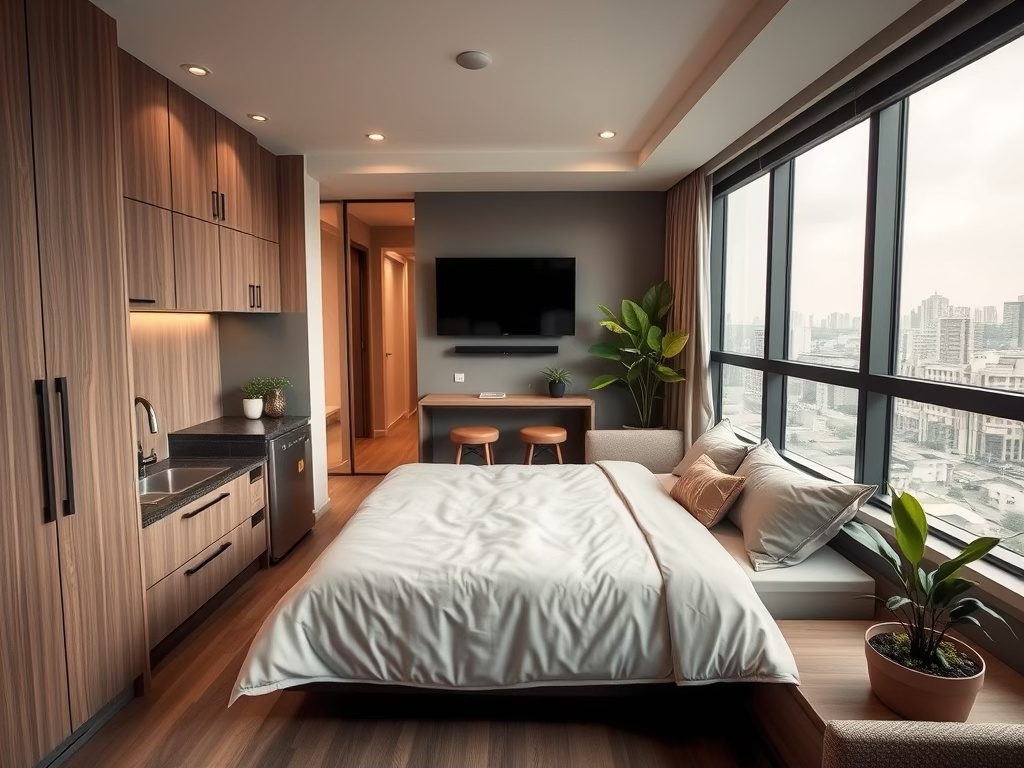
1. Studio Condos in Prime Business Districts
Overview
Compact and cost-efficient, studio condos dominate the short-term rental market because they appeal to the largest booking segment: solo travelers and couples.
Why It’s Profitable
- Low acquisition cost compared to larger units, making ROI faster.
- High occupancy rates due to affordability and central locations.
- Easy to maintain and clean between bookings, keeping operating costs low.
- Strong demand from digital nomads and business travelers who stay for weeks at a time.
Ideal Locations
- BGC (Bonifacio Global City): Always in demand for business travelers.
- Makati CBD: Preferred by corporate clients and tourists alike.
- Ortigas Center: Attractive to budget-conscious professionals and medical tourists.
Potential Drawbacks
- High acquisition cost makes entry challenging.
- Occupancy may fluctuate more than mid-market units due to niche guest pool.
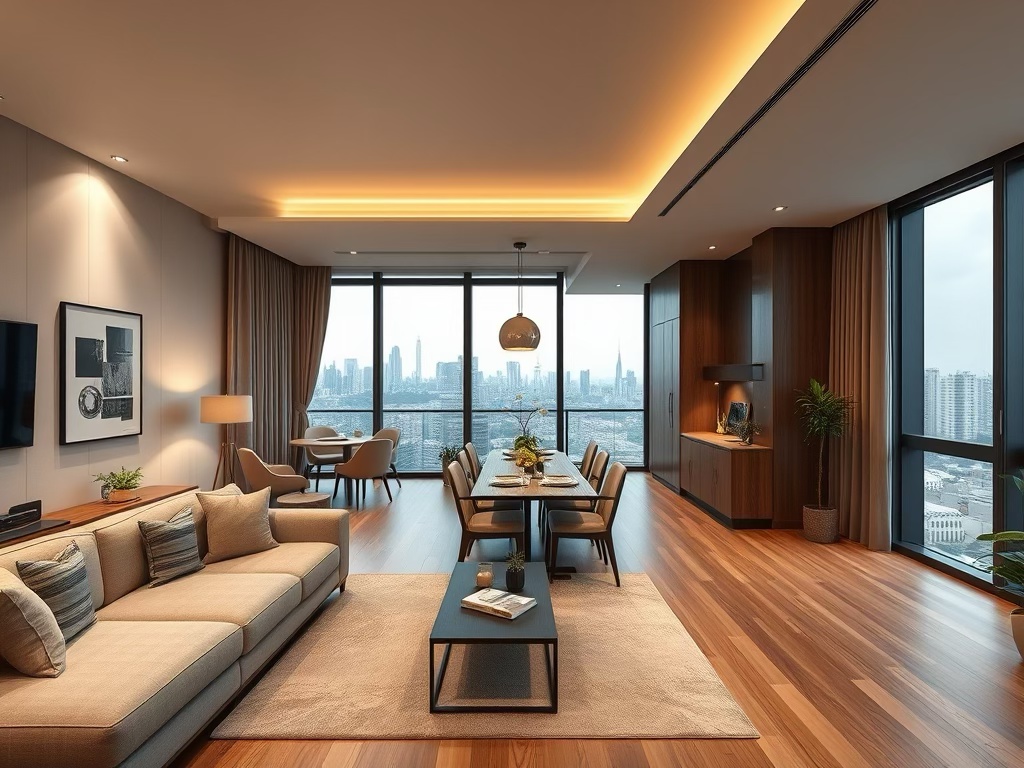
2. One-Bedroom Condos with Premium Amenities
Overview
One-bedroom units strike the perfect balance between affordability and comfort, making them attractive for longer corporate stays and expats.
Why It’s Profitable
- Higher nightly rates than studios without drastically higher acquisition cost.
- Strong appeal for professionals relocating temporarily for work.
- Suitable for digital nomads needing extra space to work.
- Premium amenities like pools and gyms allow hosts to justify higher rates.
Ideal Locations
- Rockwell Center: Popular among expats and corporate executives.
- Eastwood City: Preferred by professionals in the IT-BPO sector.
- BGC High Street South: Attractive to both business and leisure travelers.
Potential Drawbacks
- Slightly higher maintenance and furnishing costs than studios.
- Competition from serviced apartments offering similar space.
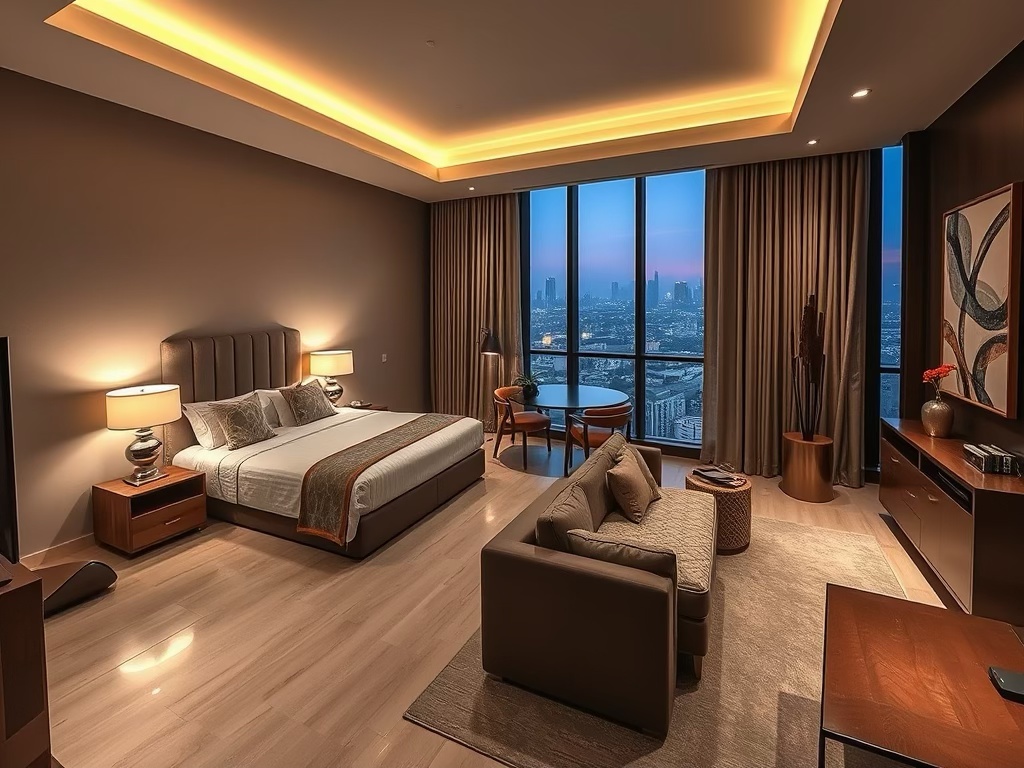
3. Luxury Condos in High-End Communities
Overview
For investors targeting high-net-worth travelers and executives, luxury condos deliver unmatched nightly rates and prestige appeal.
Why It’s Profitable
- Premium pricing: luxury listings can earn 2–3x higher daily rates than mid-range condos.
- Consistent demand from executives, foreign diplomats, and upscale tourists.
- High guest satisfaction and repeat bookings due to superior quality.
- Positioned as a status symbol on Airbnb—“exclusive” listings attract attention.
Ideal Locations
- Rockwell Makati (Joya, One Rockwell, Proscenium): Top choice for expats.
- BGC (Arya Residences, The Suites): Popular with executives and global travelers.
- Legazpi and Salcedo Village, Makati: Business-focused yet leisure-friendly.
Potential Drawbacks
- High acquisition cost makes entry challenging.
- Occupancy may fluctuate more than mid-market units due to niche guest pool.
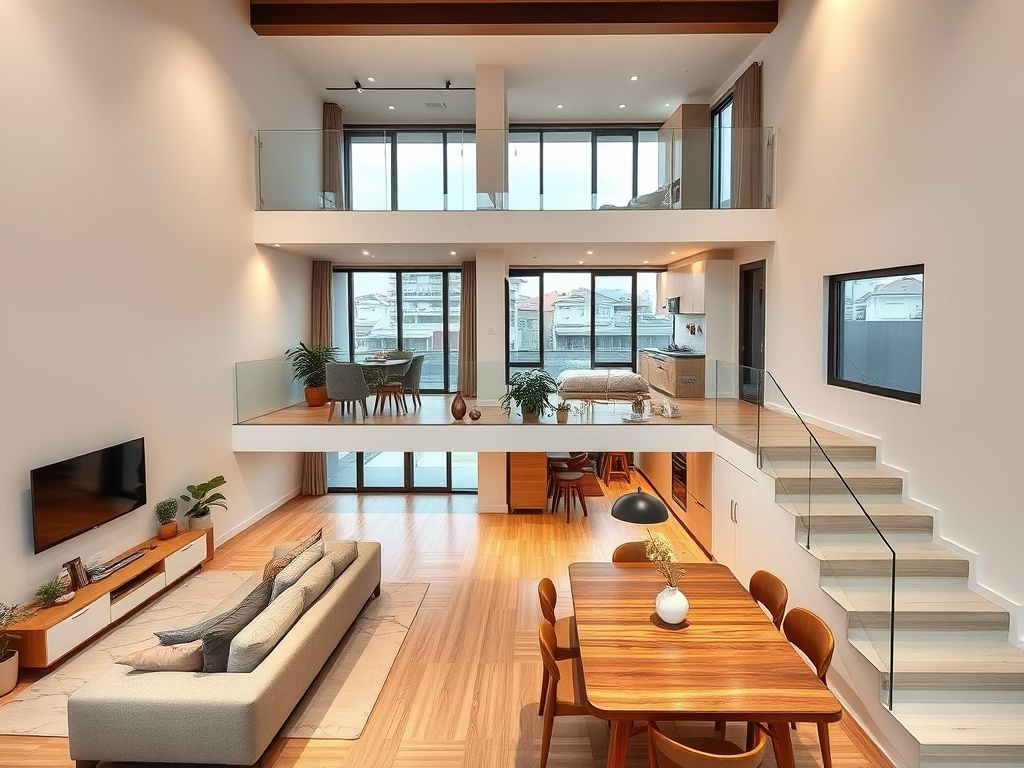
4. Townhouses and Whole Homes for Groups
Overview
Perfect for barkadas, families, and local staycationers, these properties thrive on group bookings, especially over weekends and holidays.
Why It’s Profitable
- Higher gross revenue per stay—guests split costs, so owners can charge premium rates.
- Ideal for family reunions, celebrations, or multi-day staycations.
- Increasing demand from domestic tourism and the Filipino “travel-with-group” culture.
- Fewer direct competitors compared to condos.
Ideal Locations
- Quezon City (near UP, Ateneo, or Tomas Morato): Popular with families and students.
- Pasig and San Juan: Central and accessible for group bookings.
- Makati fringe areas: Larger homes attract staycationers wanting privacy.
Potential Drawbacks
- Higher operating costs (utilities, cleaning, maintenance).
- More wear and tear from group stays.
- Stricter barangay and neighborhood scrutiny compared to condos.
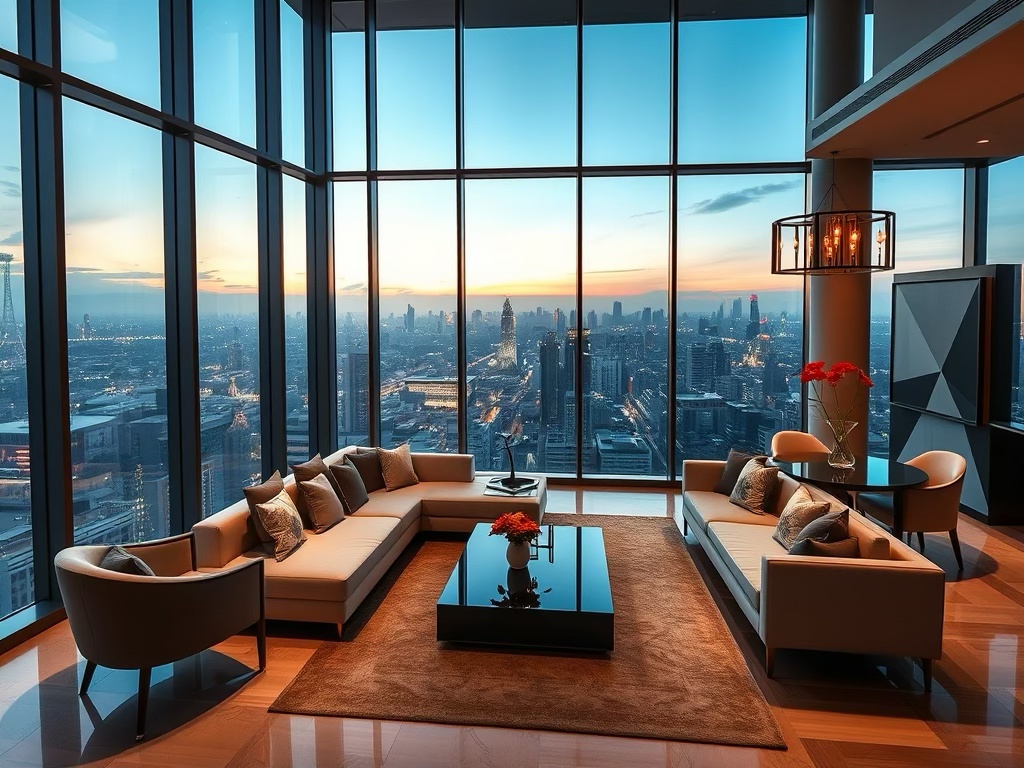
5. Serviced Apartments and Loft-Style Units
Overview
Hybrid units that combine condo convenience with hotel-like features, these properties appeal to long-term stays, medical tourists, and corporate relocations.
Why It’s Profitable
- Strong occupancy stability—guests often book for weeks or months.
- Loft layouts appeal to younger professionals and digital nomads.
- Serviced apartments provide a near-hotel experience without hotel pricing.
- Proximity to hospitals and CBDs makes them attractive for medical tourism.
Ideal Locations
- Ortigas Center: Near corporate HQs and top hospitals.
- Mandaluyong (near Shangri-La, Greenfield District): Central location with flexible pricing.
- Eastwood City: Preferred by BPO expats and long-stay travelers.
Potential Drawbacks
- Requires higher upfront furnishing investment to meet hotel-like standards.
- Condo policies may restrict “serviced” setups if not formally accredited.
⚡Together, these five property types dominate the Airbnb profitability landscape in Metro Manila. Each caters to a distinct market segment, allowing investors to align their purchase with their preferred guest profile and income strategy.
Comparative Profitability Snapshot
Airbnb profitability in Metro Manila isn’t just about where you invest—it’s also about which property type you choose. To help investors see the bigger picture, here’s a side-by-side look at how different property types perform based on average daily rates (ADR), occupancy levels, and estimated monthly gross revenue.
Airbnb Property Type Comparison Table
| Property Type | Ideal Guest Profile | Average Daily Rate (ADR) | Average Occupancy | Est. Monthly Gross Revenue | Best Locations |
|---|---|---|---|---|---|
| Studio Condo | Solo travelers, couples | ₱1,800 – ₱2,500 | 80% – 90% | ₱55,000 – ₱65,000 | BGC, Makati, Ortigas |
| 1-Bedroom Condo | Professionals, digital nomads | ₱2,800 – ₱3,500 | 75% – 85% | ₱65,000 – ₱85,000 | Rockwell, Eastwood, BGC |
| Luxury Condo | Executives, HNWIs, foreign tourists | ₱6,000 – ₱10,000 | 70% – 80% | ₱120,000 – ₱200,000 | Rockwell, BGC, Makati |
| Townhouse / Whole Home | Families, groups, staycationers | ₱5,000 – ₱8,000 | 65% – 80% | ₱100,000 – ₱150,000 | QC, Pasig, San Juan |
| Serviced Apt / Loft | Corporate stays, medical tourists | ₱3,500 – ₱5,000 | 80% – 90% | ₱85,000 – ₱120,000 | Ortigas, Mandaluyong, Eastwood |
*The figures presented in the property type comparison are based on a synthesis of available market insights from sources such as AirDNA, Colliers Philippines, Lamudi, and reported data from local property managers. They are intended as benchmark ranges to illustrate relative profitability between different property types in Metro Manila. Actual Airbnb performance may vary depending on location, property quality, amenities, and management strategy.
Insights From the Numbers
- Studios remain the most accessible entry point for investors, offering high occupancy and manageable costs.
- One-bedroom condos hit the sweet spot for mid-market profitability—ideal for longer corporate stays.
- Luxury condos lead in gross revenue, but only suit investors with higher capital and a tolerance for fluctuating occupancy.
- Townhouses and whole homes win on group bookings, capitalizing on the local staycation culture.
- Serviced apartments and lofts provide stability, favored by long-term corporate rentals and medical tourism, reducing vacancy risk.
This breakdown shows that investors don’t need to guess profitability—it can be strategically planned by matching property type to demand segment.
👉 Naturally, the next section should explore the emerging market trends that will influence which of these property types remain dominant in the next 3–5 years.
Emerging Airbnb Market Trends in Metro Manila
Airbnb demand in Metro Manila isn’t static—it shifts with how people travel, work, and spend their leisure time. Investors who anticipate these changes position themselves for stronger, longer-term returns. Here are the key trends shaping the short-term rental market in the capital today.
Rise of Digital Nomads and Remote Work
The Philippines is fast becoming a regional hub for digital nomads, thanks to relatively affordable living costs, English fluency, and an expanding co-working ecosystem. Units with reliable high-speed internet, ergonomic workspaces, and proximity to cafés or co-working hubs are winning longer bookings, especially in Makati, BGC, and Ortigas.
Themed and Instagrammable Rentals
Travelers don’t just want a place to sleep—they want a place worth posting. Uniquely designed, themed, or “Instagrammable” units (think Japandi-style condos, lofts with murals, or minimalist studios with designer furniture) consistently outperform generic spaces. In Metro Manila, aesthetics directly translate into higher booking rates and premium pricing.
Staycation Culture Among Locals
With traffic congestion and busy work schedules, many Metro Manila residents opt for staycations instead of out-of-town trips. This trend fuels demand for larger condos, townhouses, and boutique-style lofts that cater to families and groups seeking a convenient weekend escape. Holiday peaks—Christmas, Holy Week, and long weekends—see these units booked out months in advance.
Impact of Infrastructure Projects
The completion of MRT-7, NAIA rehabilitation plans, and other transport upgrades will expand the short-term rental map. Areas once overlooked—like Fairview (with MRT-7 access) or Pasay (near NAIA and Entertainment City)—are set to become Airbnb hotspots. Investors who buy ahead of these changes can secure prime properties at lower acquisition costs.
Short-Term Rental Regulations
Local government units (LGUs) and condo associations are paying closer attention to Airbnb operations. While regulations are not yet uniform nationwide, barangay permits, DOT accreditation, and building rules are becoming more common requirements. Future investors must factor in compliance when selecting a property, as regulatory clarity could soon define which neighborhoods become Airbnb-friendly zones.
⚡Together, these trends show that the Airbnb market in Metro Manila is maturing.Properties that adapt—whether through smart design, compliance readiness, or location foresight—will continue to thrive.
✈️
2019 (Pre-pandemic)
steady business traveler demand
😷
2020-2021 (Pandemic)
sharp decline, rise of mid-term stays
💻
2022 (Recovery)
surge from digital nomads and local staycations
🧳
2023-2025 (Now)
hybrid demand: luxury units + budget-friendly studios
👉 Next, we’ll look at practical strategies for maximizing ROI on your Airbnb property, ensuring that whether you own a studio, luxury condo, or townhouse, you’re getting the most out of your investment.
Tips to Maximize ROI on Your Airbnb Property
Owning an Airbnb in Metro Manila is one thing; making it consistently profitable is another.High-performing hosts understand that success isn’t only about location—it’s about how well you manage the guest experience, pricing, and operations. Here are proven strategies to squeeze the most value from your short-term rental investment.
Invest in Professional Interior Design and Staging
Guests book with their eyes. Listings with bright, stylish, and well-photographed interiorsconsistently outrank plain, unfurnished spaces. A small upfront investment in design—whether through modern furniture, accent lighting, or Instagram-worthy décor—can dramatically increase your booking rate and allow you to charge a premium. In Metro Manila, Japandi, minimalist, and industrial chic themes perform especially well.
Use Dynamic Pricing Tools
Demand fluctuates with seasons, events, and even weather. Tools like AirDNA, PriceLabs, or Airbnb’s Smart Pricing help you adjust nightly rates automatically to match demand. For instance, a studio in BGC may earn 30% more during concert weekends, conventions, or holiday peaks. With dynamic pricing, you avoid leaving money on the table.
Streamline Guest Experience with Automation
Today’s Airbnb guests value convenience as much as comfort. Features like keyless entry, smart locks, and automated check-in instructions eliminate the need for in-person handovers. Automated messaging tools can send reminders, Wi-Fi details, and checkout instructions, saving hosts time while creating a seamless guest experience.
Maintain 5-Star Reviews with Service Excellence
Profitability compounds through reputation. A string of five-star reviews builds trust, raises visibility on Airbnb’s search results, and drives higher occupancy. Key drivers of glowing reviews include:
- Spotless cleanliness and well-maintained appliances.
- Fast response time to inquiries and issues.
- Small personal touches (welcome snacks, bottled water, curated local guides).
In Metro Manila’s competitive market, excellent service isn’t a bonus—it’s your ticket to consistent bookings.
Optimize for Longer Stays
Short bookings may bring higher turnover, but longer stays often yield steadier revenue with less operational hassle. Offering discounts for weekly or monthly bookings attracts digital nomads, expats, and corporate clients. For example, a one-bedroom unit in Ortigas priced at ₱3,200 per night may generate steadier income by securing a ₱65,000 month-long booking rather than chasing multiple short stays.
⚡Maximizing ROI is a blend of design, technology, guest care, and strategy. The investors who succeed are those who treat their Airbnb not just as a side hustle but as a well-managed hospitality business.
👉 With these strategies in place, the final step is choosing the property type and location that align with your investment goals. Next, let’s wrap up with a conclusion that ties everything together—and a call to action for those ready to invest.
Conclusion – Choosing the Right Airbnb Property Type in Metro Manila
Profitability in Airbnb doesn’t come from chance—it comes from strategy. As we’ve seen, the most profitable property types in Metro Manila fall into clear categories:
- Studios for steady turnover and budget-conscious travelers.
- One-bedrooms for longer corporate stays and digital nomads.
- Luxury condos for executives and high-end tourists.
- Townhouses and whole homes for families and group staycations.
- Serviced apartments and lofts for long-term corporate rentals and medical tourists.
Each option serves a different market, with distinct advantages and risks. The real key is aligning your property type with your target guests, location, and financial goals. An investor eyeing quick turnover might lean toward a studio in BGC, while someone seeking prestige and premium returns could look at a luxury unit in Rockwell or Makati.
Metro Manila’s Airbnb market is only getting stronger—driven by tourism recovery, remote work culture, and growing domestic demand for staycations. Those who move early, and move strategically, stand to capture the biggest gains.
If you’re ready to explore Airbnb-ready properties in BGC, Makati, Ortigas, Rockwell, or beyond, I can help you find the perfect match for your investment goals. Let’s connect and identify which property type will deliver the strongest ROI for you.
📩 Contact me today to schedule a consultation or property viewing.



 U-Property PH
Leave a comment